
You should consider an LG refrigerator door replacement only if the inner liner is cracked, the hinge mounts are damaged, or the seal channel is warped. For minor cosmetic dents or simple gasket failures, replacing the entire door is rarely necessary. If your fridge is under five years old and the structural integrity is compromised, a replacement might be worth the investment.
Choosing between refrigerator door repair or replacement
| If this is true | Repair | Replace |
|---|---|---|
| Door liner is cracked | Seal with epoxy | Order new door |
| Exterior dented only | Ignore the dent | Buy new unit |
| Hinge mount is broken | Replace door | Replace door |
| Door gasket is loose | Clean and reset | Install new gasket |
| Fridge is 10+ years old | Repair if possible | Buy new unit |
| Unit is under warranty | Use free service | Use free service |
Apply the fifty-percent rule to your repair estimate. If the quoted cost of parts and labor exceeds half the price of a comparable new model, always choose replacement. Older compressors lose efficiency rapidly, meaning a high repair bill today often precedes a total system failure within eighteen months.
Check the evaporator coils for frost buildup before calling a pro. If you see thick ice, the issue is likely a faulty defrost timer or heater rather than a dead motor. These parts are inexpensive relative to the alternative. You can replace them yourself with basic tools in an hour.
Ignore cosmetic damage unless you plan to sell the home soon. A dented door doesn’t affect cooling performance or food safety. However, if the internal liner shows a crack longer than two inches, moisture will infiltrate the insulation. This ruins the thermal seal and forces the compressor to run constantly, driving up your monthly electric bill.
When repairing the door is better
Choosing to fix your existing door is usually the right call when the damage is limited to small parts or cosmetic issues. Many common problems, such as a loose gasket or a faulty door switch, don’t require replacing the entire assembly. These repairs are often quick, cheap, and can be completed with basic hand tools.
If your door seal isn’t closing tightly, you can often restore its suction by cleaning the rubber with warm water and mild soap, then using a hair dryer on a low heat setting to help the rubber expand back into shape.
If you have a cracked interior plastic liner, you can often stop the crack from spreading by drilling a tiny hole at each end of the fracture. This relieves the stress on the plastic. After that, you can apply a food-safe epoxy to seal the gap. This approach is inexpensive relative to sourcing a replacement door.
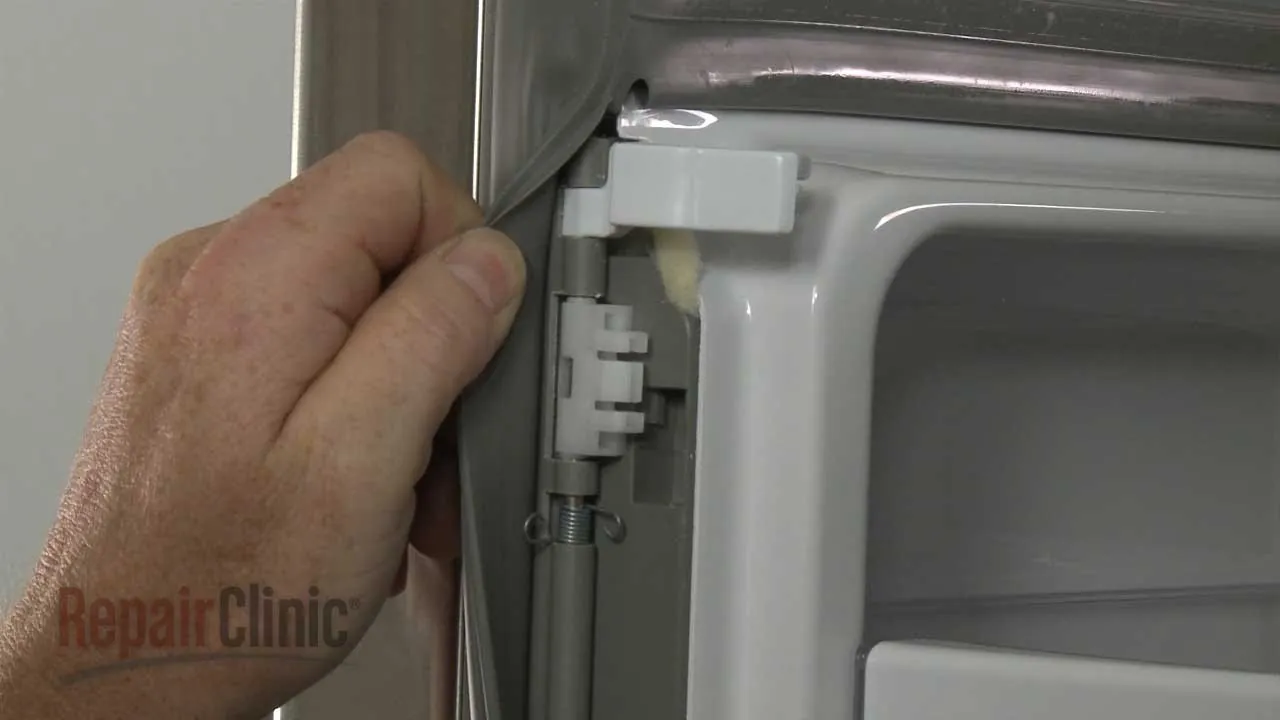
Always check your LG official support page to verify if your specific model has a known service bulletin for door issues. If the issue is a mechanical hinge problem, ensure the hinge is just loose before assuming it’s broken.
Tightening the screws with a standard screwdriver often solves the problem in minutes. If the door is sagging, check the leveling legs at the bottom front of the fridge first. Adjusting these legs to tilt the fridge slightly backward often allows the door to close properly by gravity alone.
When replacing the door is necessary
Replacing the entire door becomes the logical path when the damage affects the structural safety or the cooling efficiency of the appliance. If the internal insulation is exposed due to a large hole, your refrigerator will work harder to maintain temperature, which increases your electricity bill and puts extra strain on the compressor. A door that doesn’t seal at all will lead to constant ice buildup and potential moisture damage to the internal electronics.
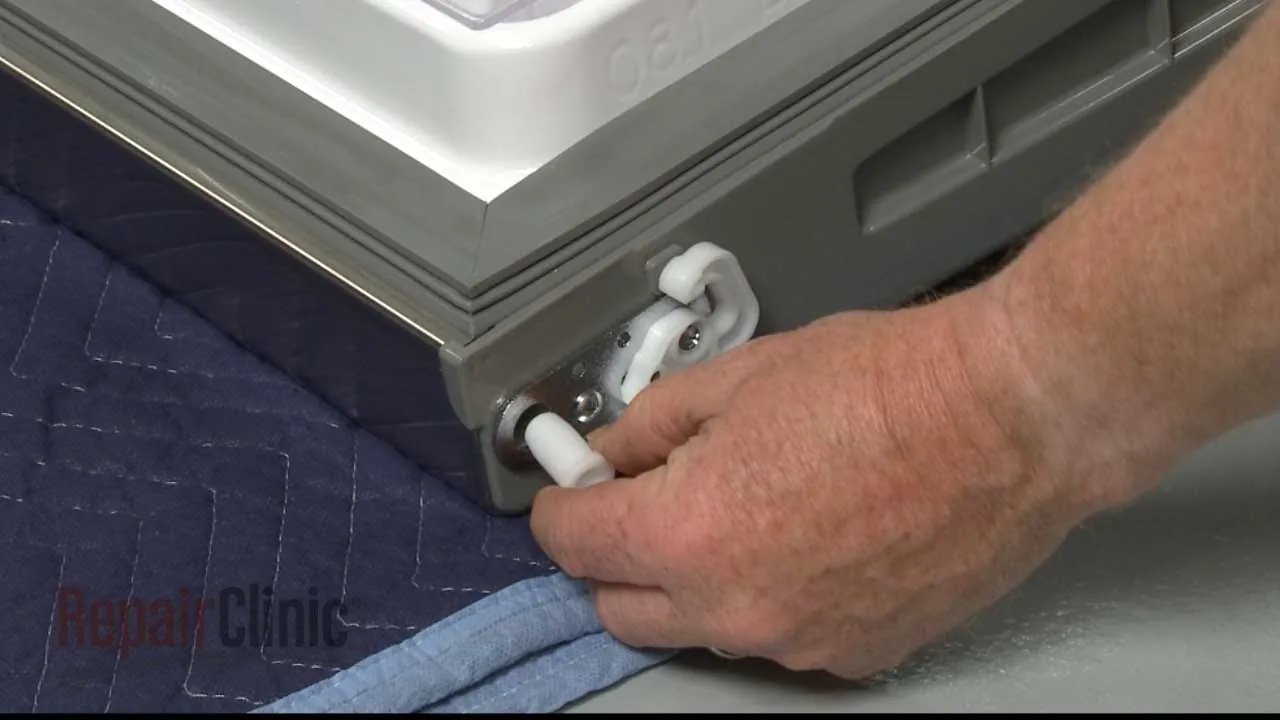
If the metal mounting points where the hinges attach are bent or torn, the door will never hang correctly. Trying to hammer or bend these back into place often weakens the metal further, leading to more failures down the road. If the door has been dropped or hit with significant force, the internal frame may be twisted. In this case, a replacement is the only way to ensure the unit stays energy-efficient and safe to use.
You should also look at the total cost compared to a new appliance. If the price of the part, shipping, and professional labor exceeds 50% of the cost of a comparable new model, it’s almost always better to replace the entire refrigerator.
Parts for older models can become difficult to find, and shipping a large door assembly is rarely cheap. If you have to wait weeks for a special-order part, the inconvenience of having a broken fridge for that time may outweigh the cost of upgrading to a new unit that works immediately.
Hidden costs to consider
The diagnostic fee covers the technician’s time to confirm your specific part number, but it rarely applies toward the final repair. This confirmation visit is inexpensive relative to the alternative.
Factor in the lost productivity of waiting for freight shipments. Most heavy refrigerator door assemblies require a scheduled delivery window where you must be physically present to sign for the pallet. If you can’t lift a 150-pound assembly alone, you must budget for a second pair of hands or professional installation labor.
Don’t overlook local disposal regulations. Many municipalities charge a premium to haul away industrial-grade metal, and you may face fines if you leave it curbside. If the new door arrives with warped panels, you’re responsible for the return shipping costs.
Questions to ask before the work
Before you commit to a repair, ask if the replacement part includes the gasket, as buying one separately adds significant cost. You should also confirm if the hinges are sold with the door or if they must be ordered as separate components.
Ask the technician if they have performed this specific swap on your model before. Internal wiring for water dispensers or smart displays makes this a complex job. If the technician hesitates, find someone who has completed at least three similar installations.
Check if the manufacturer offers a warranty on the new door part itself. A standard warranty should cover at least one year of defects. If the part comes with no coverage, the risk of a faulty seal falls entirely on your wallet.
If you aren’t comfortable handling heavy glass and metal, or if you lack the proper lifting equipment, hire a professional. Attempting to install a heavy door alone can result in injury or damage to the unit’s internal wiring. A two-person lift is the industry standard for any door exceeding forty pounds.
Preventing future damage
To stop the same issues from happening again, focus on how the door is used daily. The most common cause of hinge and seal failure is overloading the door shelves. Every time you open the door, the weight of heavy bottles and jars puts immense pressure on the hinges. Move your heaviest items to the main refrigerator shelves instead. This simple shift reduces the stress on the mounting points significantly.
Additionally, keep the door gasket clean. Food spills and sticky residue act like glue, pulling on the rubber seal every time you open the fridge. This causes the seal to tear or detach from the door frame over time. Wipe the seal down based on your usage and consult the owner’s manual for recommended care.
If the kitchen floor is uneven, the fridge may lean forward, causing the door to swing open or fail to latch correctly. Use a level on top of the cabinet to check the alignment and adjust the leveling legs until the unit is slightly tilted back. This ensures the door closes firmly and stays shut without extra effort.
Related guides
- 10 Best Golf Club Grip Repair Kits for Easy Home Replacement in 2026
- 10 Best Brake Repair Brake Spreading Tools for Easy Pad Changes in 2026
- 10 Best Body Repair Upholstery Trim Tools for Interior Projects in 2026
Frequently asked questions
How long does a refrigerator door replacement take?
A professional replacement usually takes about 60 to 90 minutes for a standard model, assuming the technician has the correct part on hand. If you’re doing this yourself, allow for about two hours to safely remove the old door, disconnect the water and electrical lines, and properly align the new assembly. Always ensure the unit is unplugged before you begin working on any electrical connections near the hinge.
Is it safe to replace the door myself?
You can safely replace the door yourself if you keep the unit unplugged to avoid electrical hazards. You’ll need a second person to help hold the door while you unscrew the hinges to prevent damage. If you feel the door is too heavy, call a professional.
How do I know which door part fits my fridge?
You can find the exact part number by looking at the identification label located inside the refrigerator cabinet, usually on the wall near the top or side. This label lists the full model number and serial number of your specific unit. Use these numbers on the official manufacturer website to look up the correct door assembly, as even small changes in the model year can mean different hinges or wiring.
Does a new door come with the seal?
Most replacement doors are sold as a complete assembly, but whether they include the gasket depends on the specific part number you order. Always check the parts diagram on the official manufacturer website to see if the gasket is included in the list of components. If it isn’t shown in the diagram, you’ll need to order the gasket separately to ensure a proper seal.
What happens if I use a door from a different model?
Using a door from a different model is unlikely to work, as the hinge locations, electrical connections, and dimensions are almost always unique to each specific version. Even if the door looks identical, the internal wiring for the ice dispenser or control panel will likely not match your unit’s harness. Attempting to force a mismatched door onto your fridge will likely void your warranty and cause cooling issues.
Is it worth replacing a door on a 10-year-old fridge?
It’s rarely worth replacing the door on a 10-year-old refrigerator because the total cost of parts and labor often approaches the price of a new, more efficient machine. At this age, other components like the compressor or the evaporator fan may also be nearing the end of their lifespan. Compare the repair cost against the price of a new unit before committing to a costly replacement part for an aging appliance.
Conclusion
Before you commit to a purchase, double-check your model number on the inside wall of the fridge. You’ll want to confirm the exact color and finish match your current unit perfectly. If you’re still feeling uncertain about the installation, don’t hesitate to reach out to a local professional for a quick quote.