
You can resolve most issues with your system by performing Pentair Valve Actuator Troubleshooting to check for power supply interruptions, gear alignment errors, or seized valve O-rings. The most common cause is a simple loss of power to the actuator motor, which prevents the valve from rotating to the desired position. If your pool controller sends a command but the valve remains still, check your circuit breakers and the toggle switch located directly on the actuator housing.
Pentair Valve Actuator Troubleshooting
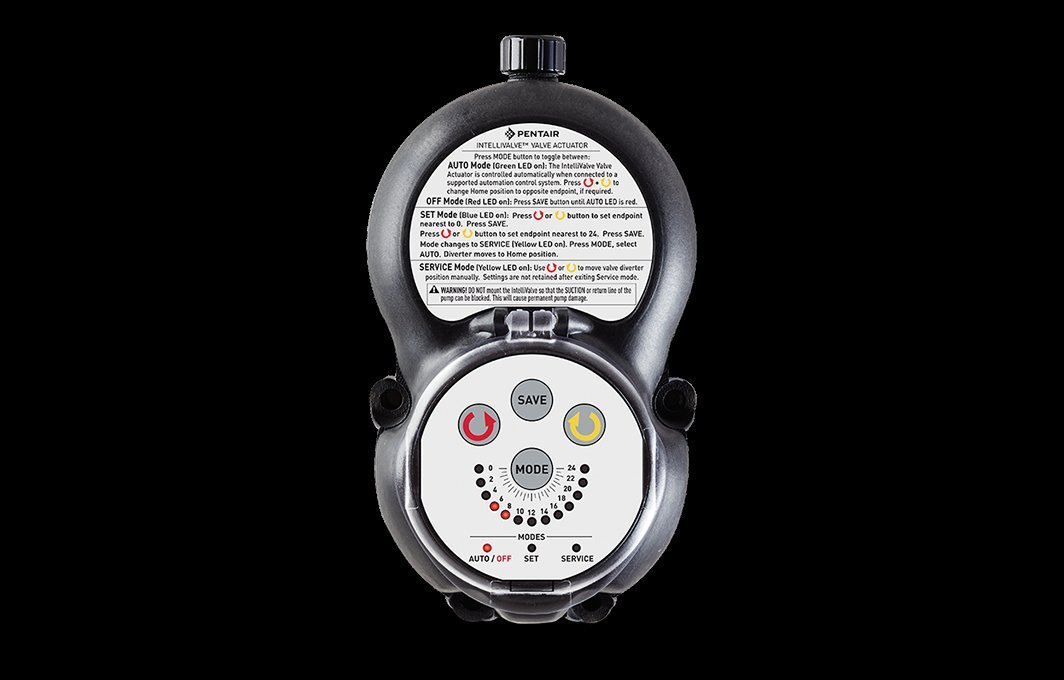
Valve actuators usually stop working because of mechanical resistance or electrical failure. The most frequent mechanical cause is a buildup of friction inside the pool plumbing valve itself. Over time, the internal O-rings can dry out or become stiff, which makes it difficult for the motor to turn the shaft. If the motor lacks the strength to overcome this resistance, it may stall or trip an internal thermal protector.
Electrical issues are equally common. Since these units are exposed to outdoor weather, water can sometimes seep into the electrical connections. This causes corrosion on the terminals or short-circuits the wiring harness. Additionally, the toggle switch on the side of the unit is a common point of failure. If the switch is accidentally bumped into the “OFF” position, the motor won’t respond to your pool automation system.
Finally, some failures are caused by internal gear stripping. If the motor runs but the valve doesn’t move, the plastic gears inside the unit have likely worn down or broken. This often happens if the valve was forced manually without disengaging the clutch first. Always verify the status of your equipment according to the official Pentair product manuals to ensure you’re matching the specific model requirements to your current installation.
Check the physical switch
This fix is for users whose actuator isn’t moving at all, even when the pool controller indicates it should be active. Locate the small toggle switch on the side of the actuator housing. This switch typically has two positions: ON and OFF. If the switch is in the OFF position, the motor is disconnected from the control board. Move the switch to the ON or AUTO position to restore communication.
If the switch is already in the correct position, check the manual override clutch. This is usually a lever or a knob on the top of the actuator. If the clutch is disengaged, the motor will turn, but the valve shaft won’t move. Ensure the clutch is fully locked into the engaged position. You’ll feel a distinct click or resistance when it locks into place.
If your actuator still doesn’t move after checking the switch and the clutch, look for visible signs of damage to the wiring entering the housing. If the wires are frayed or if you smell burning plastic, don’t attempt further repairs. This indicates an electrical short that requires a professional pool technician to resolve. If you aren’t comfortable working with electrical components, stop here and call a licensed pool service company to avoid the risk of shock or permanent damage to your automation board.
Inspect the valve alignment
This fix is for users who notice the actuator moves, but the valve stops in the wrong position. Every actuator has internal cams that tell the motor when to stop turning. If these cams have shifted, the valve won’t align with the water flow openings. To check this, you must observe the valve while it operates. If the valve stops mid-turn or stops before the port is fully open, the cam settings need adjustment.
Most actuators allow you to adjust the stop points by rotating the internal cams. If you adjust these, do it in small increments. If you move the cam too far, the motor may force the valve against the pipe stop, which can snap the internal plastic gears. If the valve is extremely hard to turn even when the actuator is disengaged, the problem isn’t the actuator—it’s the valve body itself. In this case, you need to lubricate the valve O-rings with a pool-safe silicone lubricant. If the valve remains tight after lubrication, you must replace the valve diverter assembly. This is a labor-intensive job that requires draining the pool lines, so if you haven’t performed plumbing work before, contact a professional to avoid flooding your equipment pad.
Lubricate the valve seals
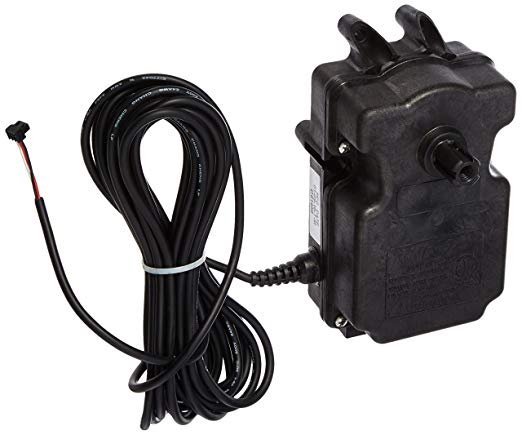
This fix is for cases where the actuator makes a humming or buzzing sound but fails to rotate the valve. This sound often means the motor is trying to turn, but the valve is stuck. This is common if the system has sat idle for a long period. To fix this, you must disengage the actuator from the valve shaft. Once the actuator is off, try to turn the valve handle by hand.
If the handle is difficult to move, the O-rings inside the valve body are the likely culprit. If you can move the handle manually, apply a small amount of silicone-based pool lubricant to the seals. Don’t use petroleum-based grease, as this will destroy the rubber seals and cause leaks. Once the valve turns smoothly by hand, reattach the actuator.
This fix is only for the valve body; it doesn’t repair a broken actuator motor. If the actuator still hums or buzzes after you have confirmed the valve itself moves freely, the motor inside the actuator is likely failing. This varies by model—check the label on your specific actuator—but most units are sealed. If the motor is dead, the entire actuator unit usually needs replacement. If you aren’t confident in your ability to re-seat the actuator onto the valve shaft, hire a professional to ensure the alignment is perfectly centered, or you risk damaging the new unit immediately.
What not to do
- Don’t force the valve handle by hand while the actuator is still attached, as this will strip the internal gears and destroy the unit.
- Don’t use spray lubricants like WD-40 on the valve or actuator, as these chemicals break down the plastic and rubber components, leading to leaks.
- Don’t attempt to open the motor housing if the unit is still connected to power, as this poses a significant risk of electrical shock.
- Don’t ignore a buzzing noise coming from the actuator, as this means the motor is overheating and will soon burn out if not addressed.
How to stop it happening again
To keep your system running, perform a simple check at the start of every pool season.
Frequently asked questions
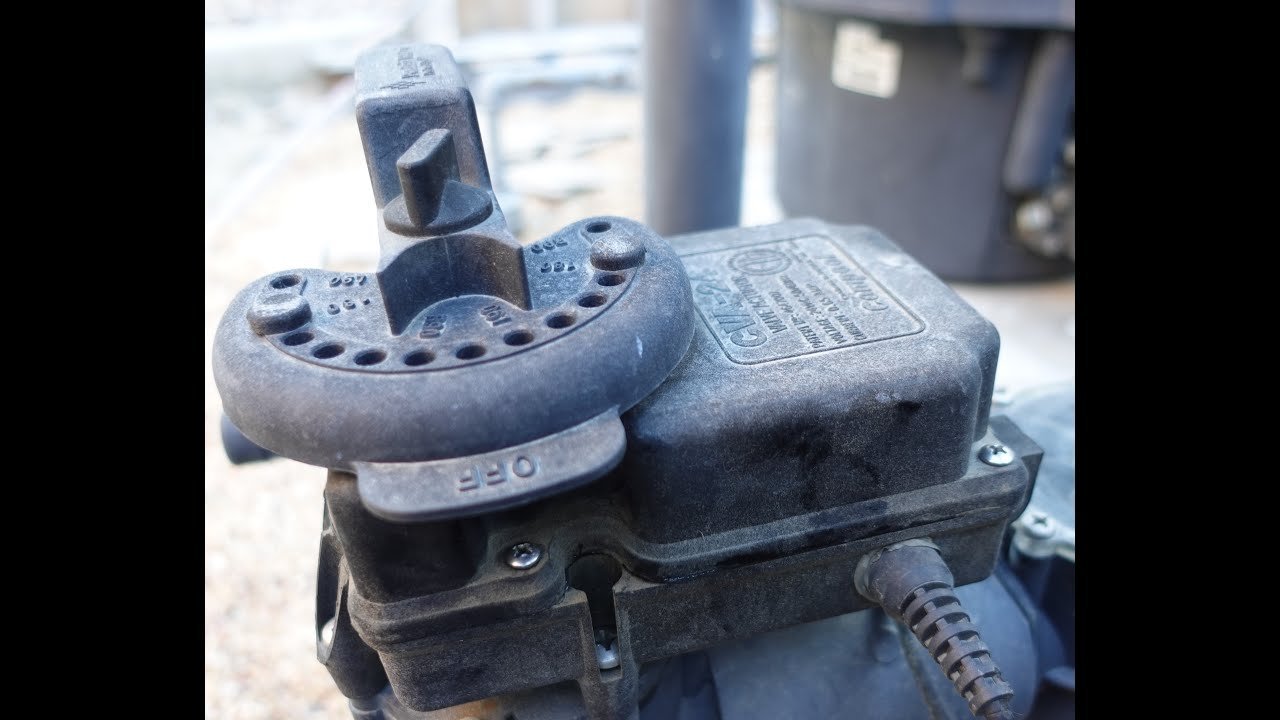
Can I replace the motor myself?
You can replace the motor if you’re comfortable using basic hand tools and purchase the exact part for your model. The process involves removing housing screws and disconnecting the wiring harness. If you lack electrical experience or are unsure about compatibility, hire a professional to avoid damaging your pool controller.
Why is my actuator making a loud clicking sound?
A loud clicking sound indicates that the internal plastic gears have stripped or broken. This usually occurs when debris blocks the valve or the handle is forced while the actuator is engaged. Because these gears can’t be repaired, you’ll need to replace the entire actuator unit.
How long should a valve actuator last?
A standard valve actuator typically lasts between five and seven years under normal operating conditions. This lifespan assumes the equipment remains free of debris and the O-rings are lubricated annually. If your unit is older than seven years and fails, it’s usually more cost-effective to replace the entire assembly.
Is it safe to leave the actuator in manual mode?
No, you shouldn’t leave the actuator in manual mode for extended periods because your automation system will lose control over water flow. This can cause the pump to run against a closed valve, leading to high pressure that may damage your plumbing. Always return the actuator to automatic mode after adjustments.
What happens if I get water inside the actuator?
Water inside the housing will quickly corrode the circuit board and cause the motor to short-circuit. If you see moisture inside the cover, turn off the power at the circuit breaker immediately to prevent electrical hazards. Once the electronics are damaged, the unit is non-repairable and must be replaced.
Final Thoughts
If these quick fixes don’t get your water flowing correctly, it’s time to reach out to a professional technician. They’ll have the specialized tools needed to inspect the internal circuit board or motor for deeper damage. Don’t let a stubborn valve ruin your swim; getting it sorted soon keeps your pool pristine.
Related guides