
Westinghouse Generator Troubleshooting often involves checking the fuel level, oil sensor, and circuit breakers. Stale fuel clogging the carburetor or low oil levels are the most frequent causes for units failing to start. If the generator turns over but won’t stay running, check fuel quality; if it won’t turn over, check the battery. Always consult your specific model’s control panel for reset procedures.
Westinghouse Generator Troubleshooting Guide
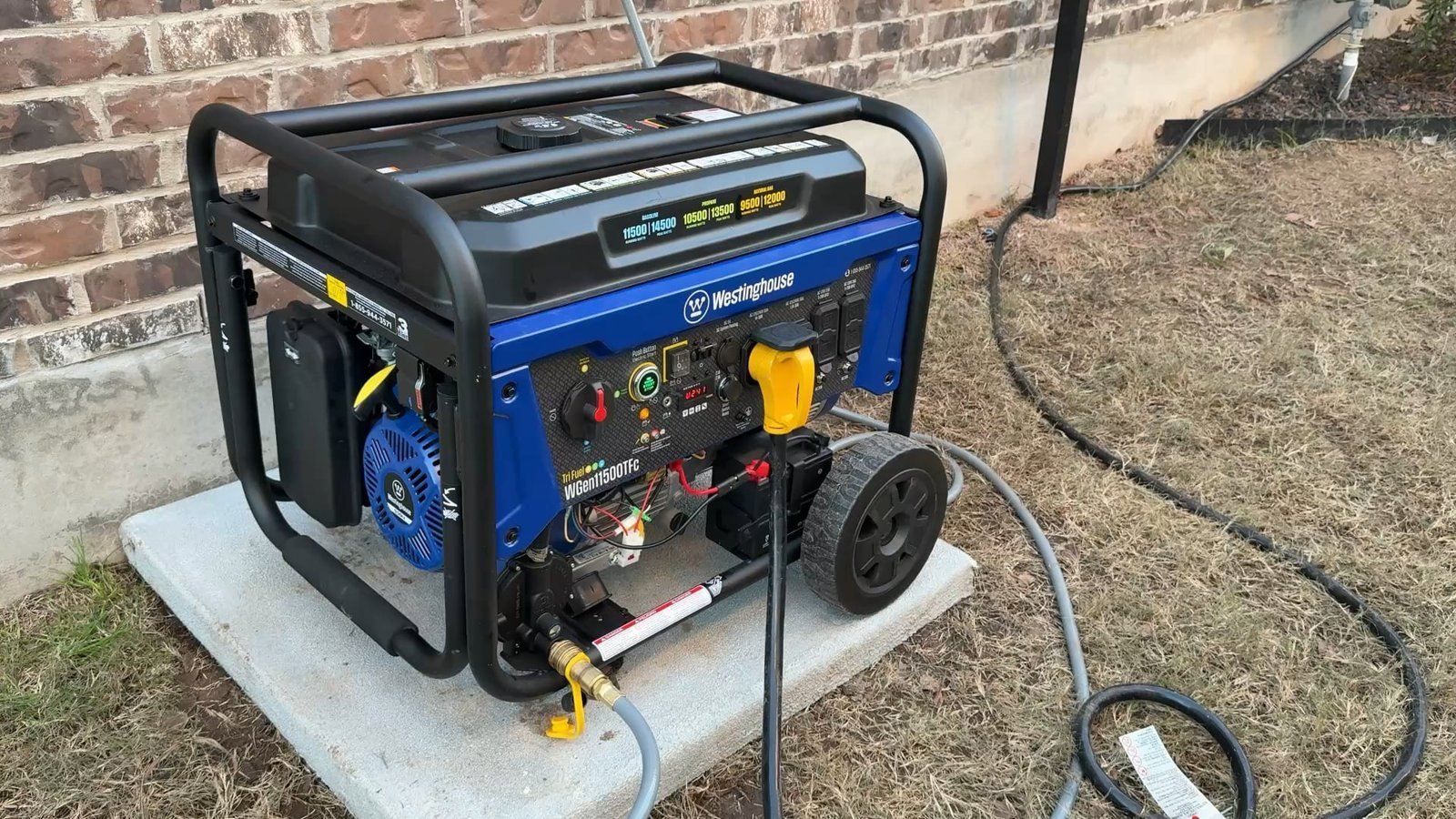
Most starting and performance issues stem from simple maintenance gaps rather than major mechanical failure. The first common cause is fuel degradation. Gasoline begins to break down and leave sticky deposits in the carburetor after about thirty days of storage. If the engine sat for months without a fuel stabilizer, those deposits block the tiny jets inside the carburetor, preventing the engine from drawing fuel.
The second common cause involves the automatic low-oil shutdown sensor. This is a safety feature designed to protect the engine from internal damage by cutting the ignition if the oil level is too low. Even a small amount of oil loss during transport or heavy use can cause the oil level to drop below the sensor’s threshold.
The third cause involves the electrical load. Generators often fail to produce power because the main circuit breaker tripped during a power surge or an overload. If you plug in too many high-wattage appliances at once, the breaker protects the internal windings by cutting the output. You must manually reset this switch. If the generator runs but produces no electricity, the breaker is almost always the culprit. You can find official guidance on these safety systems and maintenance intervals at the Westinghouse Outdoor Power Equipment support center.
Safety: Inside a mains-powered machine, the parts behind the outer cover can hold a dangerous electrical charge even after it has been unplugged — that’s why they sit behind a cover. Opening the housing, or testing or replacing anything behind it, is a job for a qualified technician, never a home repair.
Check the oil and fuel levels
This fix is for users who have a generator that either refuses to start or stalls immediately after starting. If your unit has been sitting for more than a month, drain the old fuel from the tank and the carburetor bowl. Refill it with fresh, ethanol-free gasoline. If the engine is new or has been moved recently, place it on a perfectly flat surface and check the oil level.
If X is a low-oil light or an engine that clicks but doesn’t start, add oil until it’s full; if Y is a strong, healthy engine sound but no power, move to the circuit breaker. This process assumes you’re using the correct oil grade recommended in your manual. If the oil is dirty or looks milky, don’t run the engine, as this indicates internal moisture contamination. This fix isn’t for people who hear grinding or metallic noises, as those indicate internal mechanical failure that requires a professional. If the engine still refuses to start after these checks, you have reached the limit of safe user-level repair.
Reset the output breakers
This fix is for users who have a running engine that fails to provide power to connected devices. First, turn off all appliances connected to the generator. Locate the circuit breakers on the control panel. They’re usually small switches labeled with an amperage number. If the switch is in the “off” or “tripped” position, flip it all the way to “off” and then back to “on.”
The trade-off here is that your generator has a maximum rated output; if you continue to exceed that limit, the breaker will simply trip again. A common mistake people make is trying to power an entire house through a single extension cord or a small outlet, which costs them the time of constantly resetting the system. If the breaker trips immediately when you plug in a load, the device you’re trying to power is likely faulty or pulls too many watts for your specific model. This fix isn’t for users who see smoke or smell burning plastic, as those are signs of a wiring short that could lead to a fire. If the breaker won’t stay in the “on” position, contact a qualified electrician to inspect the control panel.
Inspect the air intake
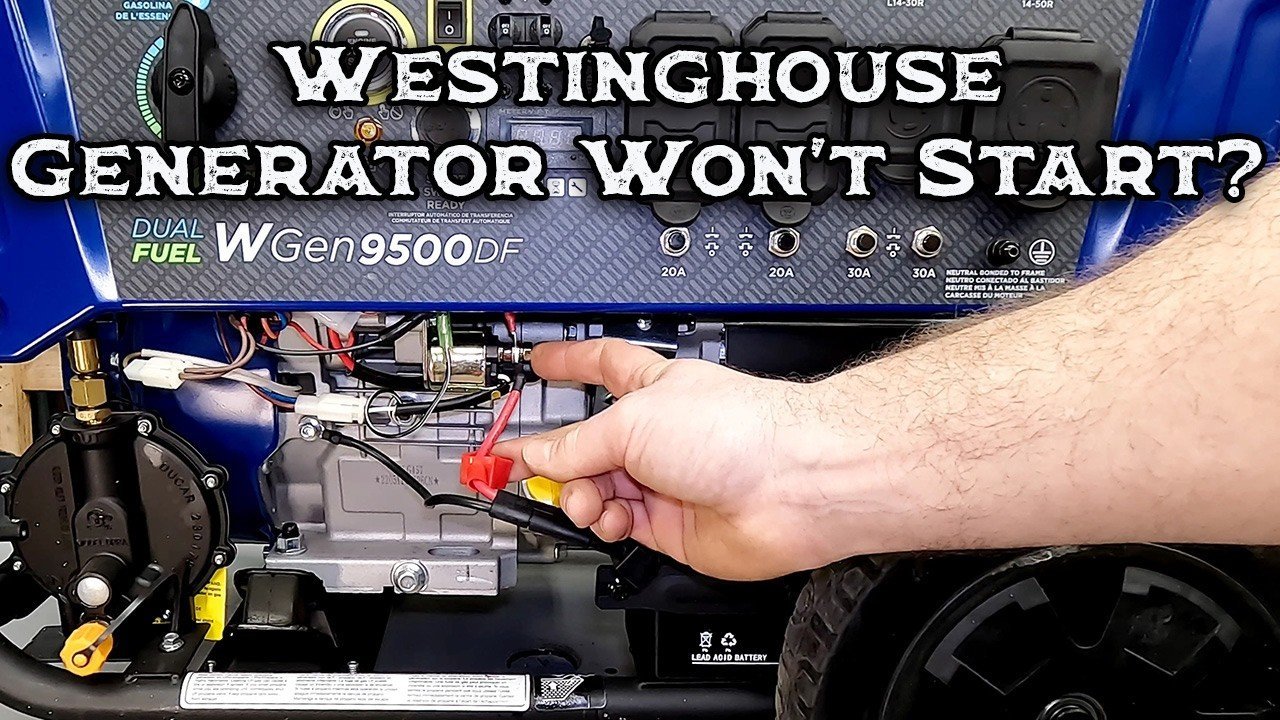
This fix is for users who experience rough idling or black smoke during operation. A clogged air filter prevents the engine from getting enough oxygen to burn the fuel efficiently. Open the air filter housing, which is usually held by a simple clip or thumb screw. Remove the filter element and inspect it for heavy dust, debris, or oil saturation.
If the filter is made of foam and is only slightly dirty, wash it with warm water and mild detergent, let it dry completely, apply a very light coat of fresh engine oil, and squeeze out all excess oil. If the filter is paper-based or heavily soiled, you must replace it. It’s worth the time to do this because a clean filter significantly extends the engine’s life and improves fuel economy. This isn’t for units that have been flooded with water or submerged. If you find the air intake is clear but the engine still runs roughly, you should stop and consult a professional repair shop. Never attempt to run the engine without a filter, as dust particles will score the cylinder walls and destroy the engine in minutes.
What not to do
- Never use starting fluid to force the engine to start, as this can cause a violent backfire that damages the plastic intake components.
- Don’t attempt to adjust the carburetor’s air-fuel mixture screws, as these are factory-set and require specialized tools to calibrate correctly.
- Never use a metal wire or needle to clean the carburetor jets, as this will scratch the precision openings and permanently ruin the fuel flow.
- Don’t bypass the low-oil sensor by disconnecting the wire, because this removes your only protection against catastrophic engine seizure.
How to stop it happening again
Routine maintenance prevents most common failures.
| If you’re doing this | Do this instead | Why |
|---|---|---|
| Storing with fuel | Use a fuel stabilizer | Prevents carburetor clogging |
| Running until empty | Use a shut-off valve | Drains the bowl safely |
| Overloading outlets | Use a power monitor | Prevents breaker trips |
Frequently asked questions
Can I use old gasoline in my generator?
No, you should never use gasoline that has been sitting for more than thirty days. Old fuel loses its volatility and creates gummy residues that block the engine’s fuel system. If you have fuel that has been stored longer than this, dispose of it at a local hazardous waste collection site.
Why is my generator leaking oil?
A leak usually happens because of an overfilled crankcase or a loose drain plug. Check the drain bolt to ensure it’s tight, and verify that you haven’t added more oil than the manual specifies for your model. If the leak persists, it may be a failed gasket, which requires professional repair.
How long should a generator run before an oil change?
Most manufacturers recommend an oil change after the first five hours of operation for a new unit, and then every fifty to one hundred hours thereafter. Check your specific manual, as the exact number depends on the engine size and the environment in which you operate the machine.
Is it safe to run my generator in the rain?
No, it’s never safe to run a generator in wet conditions. Moisture creates a high risk of electric shock and can cause short circuits within the control panel. Always keep the unit in a dry, well-ventilated area under a generator-specific canopy if you must use it during weather events.
What happens if I overload the generator?
If you exceed the rated wattage, the circuit breaker will trip to protect the internal components from overheating. If you ignore the breaker and find a way to bypass it, you risk melting the internal wiring and permanently damaging the alternator windings, which is usually not cost-effective to repair.
Final Thoughts
If your machine still won’t cooperate after these checks, don’t hesitate to reach out to a certified technician. They’ll help you spot hidden mechanical faults before they become expensive repairs. Keeping your owner’s manual handy will make future maintenance much easier, so you’re always ready when the power goes out.
Related guides
- Amerec Steam Generator Troubleshooting: Fix Common Steam Issues in 2026
- Hart Lawn Mower Troubleshooting Manual: Fix Common Issues in 2026
- Panasonic Phone Troubleshooting Manual: Fix Common Issues in 2026