
You can resolve most issues with your fireplace by cleaning the pilot orifice or checking the thermocouple connection, which is the primary method for Sit Nova 820 gas valve troubleshooting. If the pilot light refuses to stay lit or the burner fails to ignite, stop immediately and call a certified gas technician to inspect your appliance.
Sit Nova 820 Gas Valve Troubleshooting
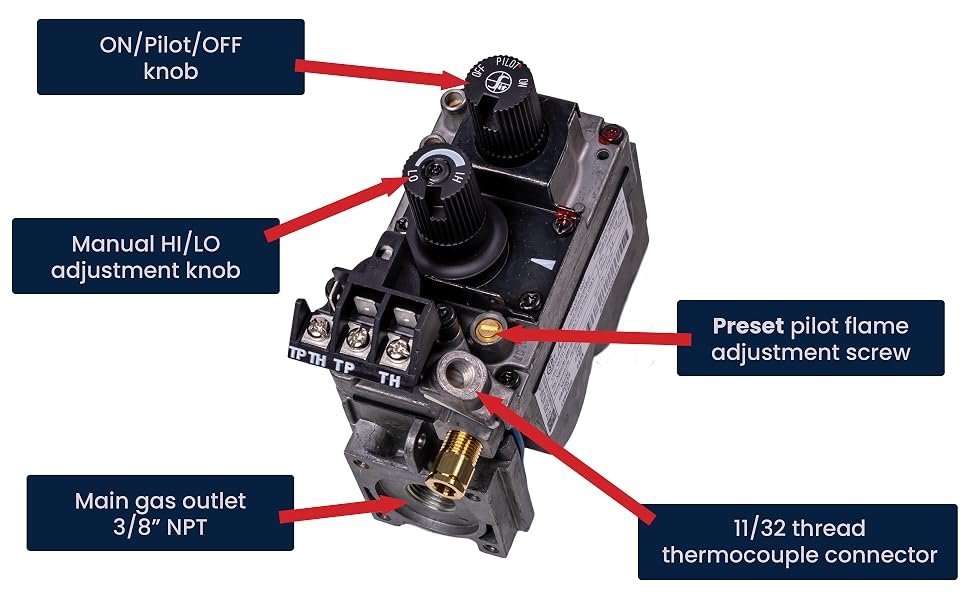
The valve relies on a small electrical current generated by the heat of the pilot flame. When the pilot light hits the thermocouple, it creates a tiny voltage that holds the gas valve open. If that flame is too small, yellow, or dancing away from the sensor, the valve “thinks” the pilot is out and closes the gas supply to keep your home safe. This is a common safety feature found on most modern hearth products.
Another frequent cause is debris inside the pilot orifice. Small spiders or dust can block the tiny hole where gas comes out. Even a microscopic obstruction changes the shape of the flame. If the flame doesn’t engulf the thermocouple tip, the required electrical signal never reaches the valve. This varies by model; some valves have very sensitive thresholds for the millivolt signal. Always check your appliance manual for the specific flame height requirement.
Finally, the connection point where the thermocouple screws into the valve can become loose or oxidized. Because this connection carries a very low voltage, even a tiny amount of dirt or a loose thread prevents the signal from passing. If your fireplace is older, the thermocouple itself may have reached the end of its functional life. Components like these eventually degrade from constant heat exposure. When the internal sensor wears out, it can no longer generate the necessary signal to keep the valve open.
Clean the pilot orifice
This step is for those whose pilot light is small, weak, or yellow instead of a crisp, blue cone. A weak pilot flame can’t heat the thermocouple enough to trigger the valve. You’ll need a can of compressed air or a soft brush to clear the area. First, turn the gas control knob to the “off” position and wait at least ten minutes for any residual gas to clear. Locate the pilot assembly, which is usually a small metal tube near the main burner. Use your brush or compressed air to gently remove any dust, soot, or spider webs from the pilot hood and the small opening. Don’t use metal needles or wire to poke the hole, as this can permanently damage the orifice size and create an unsafe gas flow. Once the area is clear, try to light the pilot again following the manufacturer’s lighting instructions. If the flame is now strong and blue, it should wrap around the thermocouple tip and hold the pilot steady. This fix isn’t for you if you smell gas even when the pilot is off; in that case, leave the area and contact a professional immediately.
Tighten the sensor connections
If your pilot light looks strong and blue but still goes out the moment you release the control knob, the issue is likely a poor electrical connection. The thermocouple is held in place by a small nut on the back of the gas valve. This nut doesn’t require much force; it should be tightened only finger-tight plus a quarter turn with a small wrench. If you overtighten it, you risk stripping the threads or crushing the copper tubing, which will require a full valve replacement. Before you tighten it, unscrew the nut completely to inspect it for white powder or corrosion. If you see any, wipe it clean with a dry, lint-free cloth. Reattach the nut carefully, ensuring it goes on straight. If the valve still fails to hold the pilot after this, the thermocouple is likely faulty and needs replacement. According to the Carbon Monoxide Safety guidance from the U.S. Consumer Product Safety Commission, you should always ensure your home has working carbon monoxide detectors near all fuel-burning appliances.
Test the millivolt signal
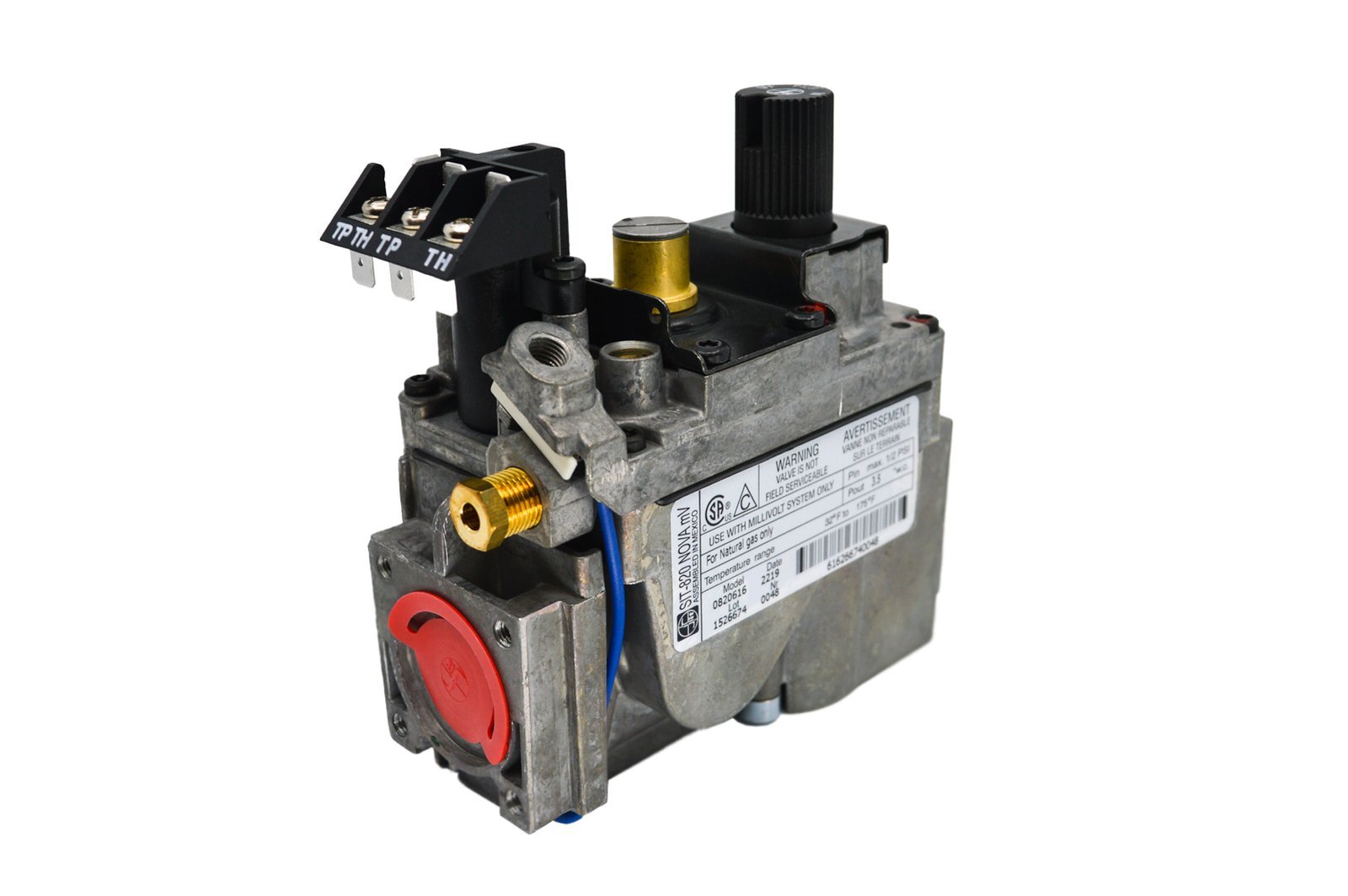
A technician confirms whether the thermocouple has failed. If the part is faulty, it must be replaced. This is a simple swap that involves unscrewing the old sensor and threading in a new one. If you aren’t comfortable working with gas lines, don’t force this step. It’s much cheaper to pay a service call than to replace a damaged gas valve because of a slipped wrench or a stripped connection.
What not to do
- Never use a metal wire or needle to clean the pilot orifice, as this changes the gas flow rate and creates a fire hazard.
- Don’t attempt to open the main body of the gas valve, as it contains internal springs and seals that can’t be serviced by a homeowner.
- Avoid using plumber’s tape or sealants on the thermocouple nut, because these materials block the electrical ground path the valve needs to function.
- Never try to bypass the safety switch or the thermocouple by “jumping” the wires, as this removes the protection that prevents gas from filling your home if the fire goes out.
How to stop it happening again
Consistent maintenance prevents most ignition failures.
| If you’re doing this | Do this instead | Why |
|---|---|---|
| Ignoring a yellow pilot flame | Clean the pilot orifice | A yellow flame is too cool to trigger the sensor |
| Tightening connections with pliers | Use a small wrench | Pliers often slip and damage the soft metal nuts |
| Smelling gas during startup | Shut off the supply and call a pro | Gas leaks are a severe safety risk to your home |
Frequently asked questions
Can I replace the Sit Nova 820 myself?
No, you shouldn’t attempt to replace the entire gas valve yourself unless you’re a trained professional. Replacing the valve involves disconnecting main gas lines, which requires strict adherence to local building codes and leak-testing procedures that are beyond the scope of a standard home repair.
Why does my pilot light only stay on when I hold the knob?
It stays on because you’re manually holding the valve open, but the thermocouple isn’t generating enough power to hold it for you. This means the pilot flame is either not touching the sensor properly or the sensor has failed and needs to be replaced.
How long does a thermocouple last?
A thermocouple typically lasts between three and five years, though this varies by how often you use the appliance. High-use fireplaces in colder climates may see these sensors wear out faster due to the constant heat exposure and oxidation of the metal tip.
Is it safe to leave the pilot on all summer?
Yes, it’s safe to leave the pilot on, but it isn’t necessary. Leaving it on keeps the internal components dry and free of moisture, which can actually help prevent the corrosion that causes ignition issues when you finally want to use the fireplace in the fall.
What happens if I smell gas while troubleshooting?
If you smell gas, you must immediately turn off the gas supply at the shut-off valve, leave the building, and contact your local utility company or a professional gas technician. Never try to find the leak yourself or turn on any electrical switches while the smell is present.
Final Thoughts
Keep your fireplace running smoothly by scheduling a professional inspection once a year. It’s the best way to ensure your home stays safe and cozy throughout the winter months. If you’re ever unsure about a repair, don’t hesitate to reach out for expert help; it’s always better to be cautious.
Related guides