
Finding the best hiking shoes for Morton’s neuroma depends on your specific needs for width and cushioning. While some hikers require a wide toe box to stop nerve compression, others need arch support or a zero-drop platform. You will likely choose between the Altra Lone Peak 9 for natural toe spread or the Orthopedic Wide Hiking Boots for structural correction.
As an Amazon Associate, we earn from qualifying purchases. This post contains affiliate links – if you buy through them, we may earn a commission at no extra cost to you.
1. Altra Lone Peak 9

Best for: Hikers who need maximum room for their toes to spread naturally.
This shoe uses a specific FootShape toe box that allows your toes to relax, which is essential if you experience nerve pinching in the forefoot. The balanced cushioning platform keeps your heel and forefoot level with the ground, aiming to encourage a low-impact landing style that reduces sudden stress on the ball of the foot.
The inclusion of a weather-resistant eVent bootie helps keep your feet dry in damp conditions. It’s a solid choice for those who prefer a natural feel, but it may not be right for someone who requires a rigid, high-arch orthotic insert for extra stability.
Good if:
- You want your toes to move freely.
- You prefer a flat, balanced platform.
- You often hike in wet or rainy environments.
Skip it if:
- You need significant arch support.
- You require a stiff, heavy-duty sole for technical climbing.
2. Women’s Ultraventure 4 Comfortable Cushioned Durable 5MM Drop Trail Running

Best for: Someone who wants a balance of plush cushioning and a secure fit.
The Ultraventure 4 features a 35 x 30 mm platform with ZipFoam, designed to provide a responsive ride that absorbs impact on moderate trails. Its 5 mm drop provides a slight incline, which can be helpful if you find that perfectly flat shoes put too much strain on your calves or Achilles.
The Vibram XS Trek EVO outsole offers reliable traction on both rocky paths and smooth roads, making it a versatile option for mixed-terrain hikes. It’s a robust shoe that remains light, yet it may not be the best fit for someone who needs an extra-wide toe box for severe swelling or extreme forefoot sensitivity.
Good if:
- You want a responsive, cushioned midsole.
- You hike on a mix of roads and trails.
- You prefer a slight heel-to-toe drop.
Skip it if:
- You need a strictly minimalist or zero-drop shoe.
- You have very wide feet that require extra horizontal space.
3. New Balance Hierro Hiker
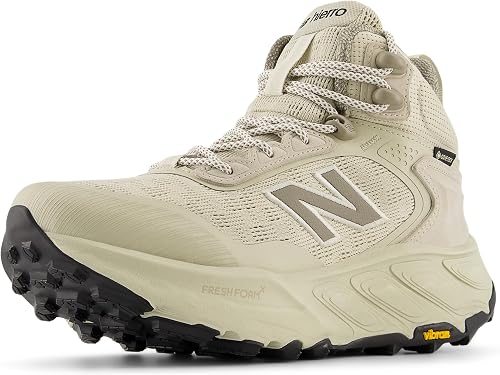
Best for: Hikers who need technical protection on rugged, debris-filled trails.
This model uses Fresh Foam X technology to provide a high level of cushioning, which is designed to soften the impact of hard rocks and roots. The Gore-TEX waterproof fabric ensures your feet stay protected from the elements, while the Toe Protect technology adds a physical shield at the front of the shoe to guard against trail hazards.
The collar is built to be pressure-free around the Achilles, which helps maintain comfort during long days on the trail. While it offers excellent technical features, the snug, performance-oriented fit might feel too restrictive if you’re specifically looking for a very wide, loose-fitting forefoot.
Good if:
- You hike on technical, rocky terrain.
- You need reliable waterproof protection.
- You want high-level foam cushioning.
Skip it if:
- You need an exceptionally wide or “roomy” toe box.
- You prefer a lightweight, non-waterproof shoe for hot weather.
4. Orthopedic Wide Hiking Boots

Best for: Hikers who need specific medical-grade support for foot pain.
These boots are built with a wide toe box specifically intended to stop rubbing and pressure around sensitive areas like bunions or hammertoes. The contoured insole provides orthotic arch support to help distribute pressure more evenly across the entire foot, which can be beneficial for those managing plantar fasciitis or flat feet.
The EVA midsole is designed to soften the impact on gravel and pavement, while the mid-ankle collar provides additional stability. Because these are built for support and structure, they may not suit someone looking for a fast, agile hiking experience.
Good if:
- You need dedicated orthotic arch support.
- You have sensitive feet prone to swelling.
- You want extra stability around the ankle.
Skip it if:
- You want a lightweight, flexible trail shoe.
- You don’t require orthotic-style structural support.
5. Ridge Plus Barefoot Shoes

Best for: Hikers who want a minimalist, ground-connected feel.
The zero-drop design promotes a natural gait and upright posture, which may help relieve tension in your knees and calves during long walks. The low-cut design provides full ankle mobility, allowing for a more natural range of motion on even trails.
Because this shoe is designed to be minimal, it lacks the thick, plush cushioning found in other options, relying instead on a durable rubber and EVA outsole for traction. This style is best for experienced barefoot-style hikers but may be a difficult transition for someone who relies on heavy cushioning to manage forefoot pain.
Good if:
- You prefer a natural, barefoot-like sensation.
- You want maximum ankle mobility.
- You prefer a zero-drop platform.
Skip it if:
- You need significant impact-absorbing cushioning.
- You’re new to minimalist footwear.
Where These Overlap
These products generally fall into two groups: those that emphasize natural foot mechanics (Altra, Ridge Plus) and those that prioritize structural support (New Balance, OrthoComfoot). The Topo Athletic model sits in the middle, offering a balanced approach that combines modern cushioning with a functional, performance-oriented design. If your priority is purely forefoot space, the Altra and OrthoComfoot models are the most similar in their commitment to a wide toe box. The choice between them comes down to whether you want a zero-drop, lightweight shoe or a more structured, orthotic boot.
Still Not Sure?
How often will I really use these?
If you plan to hike every weekend on rough terrain, you should look for the durability of the New Balance Hierro Hiker. If you only hike occasionally on light trails, the comfort-focused design of the Orthopedic Wide Hiking Boots may be a suitable choice.
What do I already own that this must work with?
Think about the insoles you currently use. If you have custom orthotics from a podiatrist or medical professional, choose a shoe like the Orthopedic Wide Hiking Boots with a removable insole. The listing doesn’t mention the stock cushioning.
What am I most likely to regret choosing?
Regret usually comes from picking the wrong level of support. If you have chronic foot pain, don’t choose a minimalist shoe like the Ridge Plus Barefoot Shoes just because it looks comfortable. Stick with a model that offers the cushioning or structure you know your feet need to remain pain-free.
Closing
Choosing the right shoe comes down to whether you need a wide, natural toe box or extra structural support to manage your discomfort. If you want maximum room for your toes, the Altra Lone Peak 9 is a top choice. For those needing orthotic correction, the Orthopedic Wide Hiking Boots are the best path forward.
Related guides
- 5 Best Hiking Pants for Tall Women: Our Top Picks for Length in 2026
- 5 Best Trail Running Shoes for Overpronation: Stability Picks in 2026
Frequently Asked Questions
What does this kind of shoe ask of its owner week to week?
These shoes require little special care, but you should check the outsoles for debris after every hike to maintain grip. If your shoes have waterproof membranes like Gore-TEX, avoid cleaning them with harsh chemicals, as this can degrade the protective coating and reduce breathability.
What has to be replaced to keep it working?
The primary wear item is the midsole cushioning, which will compress after extensive use. Once the foam loses its bounce or the tread pattern wears down, the shoe will no longer provide the same level of impact protection or stability, signaling that it’s time for a replacement.
What happens when it’s outgrown or used up?
When a shoe reaches the end of its life, the structural integrity of the upper and the support of the midsole will decline. Continuing to hike in worn-out shoes can lead to increased foot fatigue and recurring pain, so it’s best to retire them once the cushioning no longer feels supportive.
Would a more capable shoe have suited me better?
A more capable shoe typically offers more protection or specific support features, such as increased waterproofing or rigid arch correction. If you find that your feet are still tired or sore after moderate hikes, you may benefit from upgrading to a model with more structured support or specialized orthotic features.
Final Thoughts
Don’t let foot pain keep you from the trails you love. Once you’ve picked a pair that feels right, try them out on a short, flat walk before heading into the mountains. You’ll find that a little extra care for your feet makes every mile much more enjoyable for years to come.