
Is your Heatilator pellet stove acting up? Don’t let a glitch leave you in the cold.
You rely on your stove for warmth and comfort, so when it stops working right, it’s frustrating. But before you call for expensive service, you might be able to fix it yourself. This guide will walk you through common Heatilator pellet stove problems and how to solve them.
Get your cozy home back, fast.
Common Heatilator Pellet Stove Issues
Your Heatilator pellet stove is a reliable heat source. Sometimes, it needs a little help. Common issues can arise. Knowing these problems helps you fix them fast. This section covers frequent Heatilator pellet stove problems.
Stove Won’t Ignite
The igniter might be bad. Check its power supply. The igniter could be dirty. Clean it gently. Ensure pellets are dry. Wet pellets do not burn well. The hopper might be empty. Fill it with good pellets. The draft might be too low. Check the vent pipe. Clear any blockages.
Pellets Not Feeding
The auger may be stuck. Clear any jammed pellets. The motor could be failing. Listen for strange sounds. The hopper might be low. Add more pellets. The feed chute could be blocked. Inspect and clean it. Pellets might be too fine. Use quality hardwood pellets. Moisture in pellets causes clumping. Ensure pellets are dry.
Excessive Smoke
The burn pot needs cleaning. Remove ash and debris. The vent pipe is likely blocked. Clean the exhaust vent. Draft issues cause smoke. Ensure proper ventilation. The room air supply may be low. Open a window slightly. Burning wet pellets causes smoke. Use dry, seasoned pellets. The exhaust fan may be slow. Check its operation.
Error Codes Displayed
Consult your owner’s manual. It explains each code. Code ‘1’ means low draft. Code ‘3’ means igniter failure. Code ‘5’ indicates overheating. Address the specific error. Reset the stove after fixing. Contact service if unsure.
Low Heat Output
The stove needs cleaning. Ash buildup reduces heat. Clean the burn pot regularly. Check the heat exchanger. Remove any soot deposits. Fan speed might be too low. Adjust the fan setting. The room may be too large. Consider a larger stove. Pellet quality matters. Use high-quality hardwood pellets.
Unusual Noises
The auger might be noisy. Check for obstructions. The fan motor could be bad. Listen for grinding sounds. A loose part can rattle. Inspect the stove’s exterior. The exhaust fan may be unbalanced. It might need replacement. Sometimes, pellets hitting the pot make noise. This is usually normal.
Ignition Problems
Your Heatilator pellet stove fails to light. This is a common issue. Ignition problems can leave you cold. Several factors can cause this. Let’s explore them.
Check The Igniter
The igniter starts the fire. It glows red when working. Inspect it closely. Look for cracks or breaks. A damaged igniter needs replacement. Ensure it sits correctly. Sometimes it just gets loose.
Inspect The Burn Pot
The burn pot holds the pellets. It needs to be clean. Ash buildup can block airflow. This prevents proper ignition. Remove all ash and debris. A clean pot ensures good combustion. Make sure the holes are clear.
Verify Pellet Quality
Not all pellets are the same. Use only good quality pellets. Poor quality pellets burn poorly. They may not ignite at all. Check for dust and fine particles. These can clog the system. Use pellets recommended by Heatilator.
Feeding System Glitches
Your Heatilator pellet stove is a marvel. It brings warmth efficiently. Sometimes, it acts up. Feeding system glitches are common. These problems stop pellet flow. Pellets are key to your stove. We will fix these issues. Get your stove running again.
Clear Pellet Jams
Pellets can get stuck. This stops the auger. You must clear the jam. Turn off the stove. Let it cool completely. Open the hopper lid. Look for blockages. Remove any stuck pellets. Use a small tool if needed. A screwdriver works well. Ensure the path is clear. Close the hopper lid. Restart your stove.
Examine The Auger
The auger moves pellets. It brings them to the burn pot. Check the auger for damage. Look for bent parts. Debris can also stop it. Clean any buildup carefully. Make sure it spins freely. A stuck auger means no fuel. Inspect it after clearing jams. A damaged auger needs repair. Or perhaps replacement.
Test The Motor
The auger motor powers movement. Listen for strange noises. Does the motor run at all? If not, it may be faulty. Check the power supply. Ensure it gets electricity. Sometimes a loose wire is the cause. Test the motor’s connection. A humming sound is good. No sound means a problem. The motor might need replacing. Consult your manual for testing. Or call a technician.
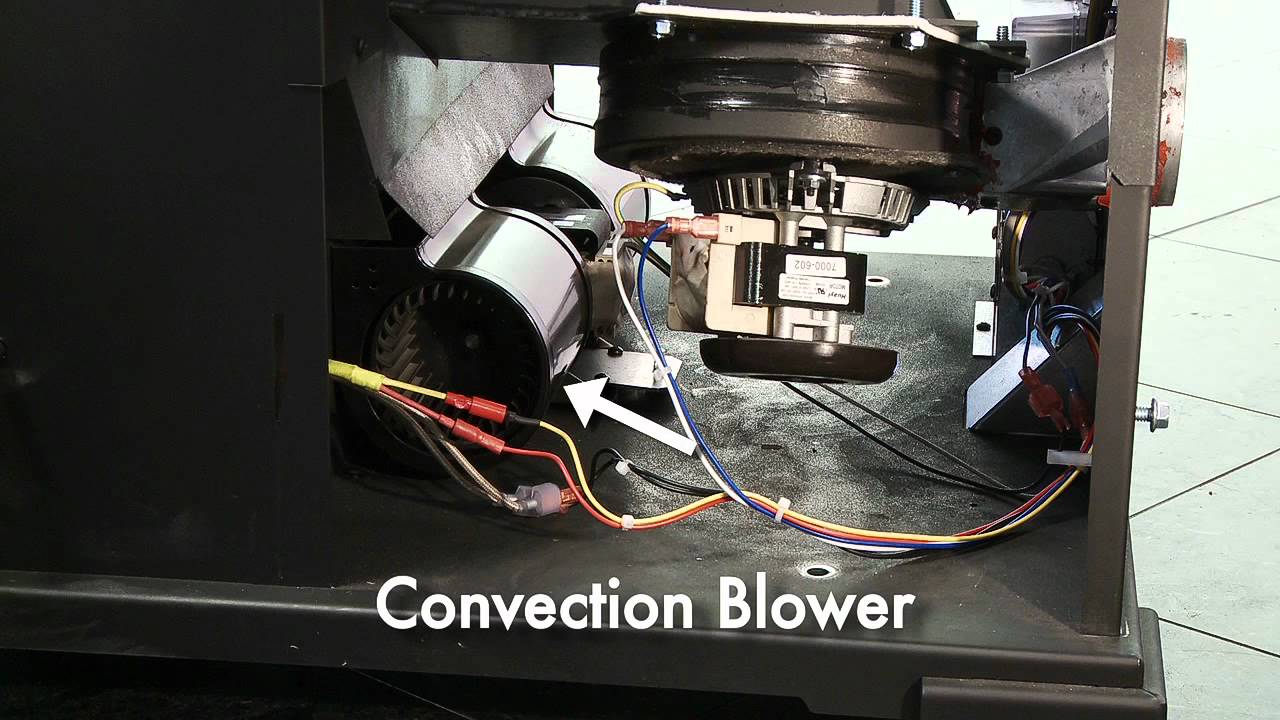
Credit: www.youtube.com
Smoke And Draft Concerns
Is smoke entering your room? Your Heatilator pellet stove might struggle with draft. This means the exhaust is not leaving properly. Smoke can be a sign of a bigger problem. Poor draft affects heating efficiency. It also creates a safety hazard. Let’s fix these smoke and draft issues.
Clean The Vent Pipe
A blocked vent pipe causes smoke. Pellets create ash. Ash can build up inside the pipe. This buildup restricts airflow. It prevents smoke from escaping. Regularly inspect your vent pipe. Clean out any accumulated ash. A clean pipe ensures good draft. Smoke will then vent outside.
Check The Door Seal
A leaky door seal lets smoke out. Check the gasket around the stove door. Is it worn or damaged? A damaged seal allows air leaks. Air leaks disrupt the draft. They can pull smoke into your room. Replace a worn-out gasket. A tight seal keeps smoke inside. It also helps the stove burn better.
Ensure Proper Airflow
Pellet stoves need good airflow. This includes intake and exhaust. Make sure the air intake is clear. Remove any obstructions. Check the exhaust fan. Is it running correctly? A weak fan struggles to vent smoke. Proper airflow is crucial. It creates a strong draft. Smoke will then go up the chimney.
Decoding Error Messages
Your Heatilator pellet stove offers helpful diagnostics. It displays error codes. These codes tell you what’s wrong. Decoding them is key. It helps you fix issues fast. Your stove works again quickly. Simple steps solve many problems.
Common Error Code Meanings
Error codes are like a secret language. They communicate stove problems. Knowing common codes helps a lot. An E1 code often means a blockage. The air intake might be blocked. An E2 code can signal a fan issue. The exhaust fan may not spin. E3 codes often relate to igniter problems. The igniter might be failing. E4 codes can point to a sensor fault. A temperature sensor could be bad. Always check your manual. It lists all codes.
Troubleshooting Specific Codes
Let’s look at common codes. For E1, check the air intake. Clear any debris. Ensure vents are open. For E2, inspect the exhaust fan. Listen for strange noises. Clean the fan blades. For E3, the igniter needs attention. It may need replacement. Consult your manual for this. For E4, a sensor is likely the issue. The sensor needs to be checked. Sometimes, a simple reset works. Turn the stove off. Wait a few minutes. Turn it back on. This can clear temporary glitches.
Boosting Heat Performance
Want more heat from your stove? You can boost performance. Simple adjustments make a big difference. Your Heatilator pellet stove can work better. Get more warmth. Enjoy your home more.
Adjust Fan Speed
Your stove has a fan. It moves warm air. Check the fan speed setting. A higher setting moves more air. This spreads heat faster. Feel the difference quickly. Adjust it for your room size. A larger room needs more airflow. A smaller room might need less. Find the right balance. This improves heat distribution. Your entire home feels warmer.
Optimize Burn Rate
Pellets burn to make heat. The burn rate controls this. You can adjust the feed rate. A higher feed rate means more pellets. More pellets create a hotter fire. This produces more heat. Be careful with this setting. Too many pellets can cause problems. Always follow your manual. A good burn rate is key. It balances heat and efficiency. You get consistent warmth. Your stove runs smoothly.
Regular Maintenance Checks
Keep your stove clean. Ash buildup blocks airflow. It reduces heat output. Clean the burn pot often. Check the exhaust vent. Ensure it is clear. Remove any debris. Inspect the gaskets. A good seal prevents heat loss. Perform these checks often. Your stove will perform better. It stays efficient and safe. Simple cleaning makes a big impact.
Quieting Unwanted Sounds
A quiet Heatilator pellet stove is a happy Heatilator pellet stove. Strange noises can be annoying. They might signal a problem. Let’s find out why your stove is noisy. We will help you fix it.
Inspect The Blower Fan
Your stove has a blower fan. This fan moves warm air. It can get dirty. Dust builds up on the blades. This causes a rattling sound. It might also cause a humming noise. Turn off the stove first. Unplug it from power. Open the stove’s access panel. You will see the blower fan. Check the fan blades. Look for any debris. Clean the blades gently. Use a soft brush. Remove all the dust. Make sure the fan spins freely. If it wobbles, it may be damaged.
Secure Loose Components
Loose parts make noise. Vibrations can loosen screws. Check all accessible screws. Tighten any that are loose. Pay attention to the panels. Ensure they are firmly attached. Loose heat shields can rattle. Check the exhaust pipe connections. Make sure they are secure. A loose baffle can also cause noise. Gently tap on different parts. Listen for any rattling. Tighten all screws firmly. Do not overtighten them.
Lubricate Moving Parts
Some parts need lubrication. This reduces friction. Friction causes squeaking sounds. The auger motor is one part. It feeds pellets to the fire. Check its lubrication points. Consult your owner’s manual. It will show you where to oil. Use a high-temperature lubricant. Apply it sparingly. The convection blower may also need oil. Again, check your manual. A little oil goes a long way. This can stop squeaks. It keeps parts running smoothly.
Preventative Maintenance Tips
Regular care keeps your Heatilator pellet stove running well. Preventative maintenance is key. It stops problems before they start. Follow these simple steps. Your stove will thank you.
Daily Checks
Look at the fire. Is it burning bright? Check the ash pan. Is it full? Remove excess ash. Ensure the door seal is tight. This simple check is quick. It makes a big difference.
Weekly Cleaning
Clean the glass door. Use a glass cleaner. Wipe down the stove exterior. Dust can build up. Remove ash from the burn pot. A vacuum works well. Make sure the stove is cool. Safety first, always.
Monthly Inspections
Inspect the exhaust vent. Look for blockages. Leaves or nests can clog it. Check the fan for dust. Clean it gently. Examine the heat exchanger. Ensure it is clear. This keeps air flowing freely.
Annual Servicing
Schedule a professional check. A technician knows stoves best. They will clean the entire unit. They check all internal parts. This ensures safe operation. It keeps your stove efficient. Professional service is important.
When To Call A Professional
Sometimes, your Heatilator pellet stove needs expert help. You can fix many issues yourself. Some problems are too complex. Others might be dangerous. Knowing when to call a pro is important. It keeps your stove running well. It also keeps your home safe.
Complex Electrical Issues
Your stove has many electrical parts. A simple fix might not work. A professional understands wiring. They can diagnose complex faults. They have the right tools. They know how to fix circuit boards. They can replace faulty sensors. They ensure safe electrical connections. Don’t risk electrical damage. Call a technician for these tasks.
Persistent Problems
You tried troubleshooting steps. The problem still exists. Your stove acts up again. This suggests a deeper issue. A professional has more experience. They can spot hidden problems. They know common failure points. They can perform advanced diagnostics. They find the root cause. Get your stove fixed right. Schedule a service appointment.
Safety Concerns
Some stove problems are serious. They can impact safety. Strange noises are a warning. Unusual smells are concerning. Smoke coming into the room is bad. These signs need immediate attention. A professional prioritizes safety. They can identify hazards. They fix potential dangers. Protect your family. Contact a qualified repair person.
Frequently Asked Questions
My Heatilator Stove Won’t Light. What’s Wrong?
Check your fuel. Ensure you have enough pellets. Also, verify the igniter is working correctly. A clogged burn pot can prevent ignition.
Why Is My Heatilator Stove Smoking?
Poor ventilation is a common cause. Make sure the chimney is clear. Draft issues can also cause smoke. Check for obstructions in the flue.
My Heatilator Stove Is Making Noise. What Should I Do?
Pellet stoves can make some sounds. A rattling noise might mean a loose part. A grinding sound could indicate a motor issue. Listen closely to the source.
How Do I Clean My Heatilator Pellet Stove?
Regular cleaning is important. Empty the ash pan often. Clean the burn pot and heat exchanger. Follow the manufacturer’s guide.
My Heatilator Stove Is Not Heating Well. Why?
Low fuel levels affect heat. Ensure the thermostat is set correctly. A dirty stove won’t heat efficiently. Check for airflow blockages.
What Error Codes Appear On My Stove?
Consult your owner’s manual. It lists all error codes. These codes help diagnose problems. Look up the specific code.
How Often Should I Service My Stove?
Annual professional servicing is best. This ensures safe and efficient operation. Check for wear and tear. Keep it running smoothly.
Conclusion
Keep your Heatilator pellet stove running well. Simple checks solve many issues. Consult your manual for details. Regular maintenance is key. Enjoy your warm home. Don’t let small problems stop you. Troubleshooting is often straightforward. A little effort goes a long way.