
Is your air conditioner acting up? Don’t sweat it!
A broken AC can turn your comfortable home into an oven, especially during those hot summer days. But before you call for expensive repairs, there are many common issues you can fix yourself. This guide will walk you through simple household air conditioner troubleshooting steps.
You’ll learn how to identify problems and get your cool air flowing again without the hassle. Let’s get your home back to its refreshing best!
Ac Won’t Turn On
Your AC won’t turn on? Check the circuit breaker first. Ensure the thermostat is set correctly. Simple steps can often fix common issues.
Your air conditioner is silent. No cool air flows. This is frustrating. Your AC refuses to start. Don’t panic. Simple checks can help. Many issues are easy fixes. This section guides you. We’ll explore common reasons.Check The Power
First, check power. Is the unit plugged in? Make sure the plug is secure. Look for a power switch. Is it in the “on” position? Some ACs have a disconnect switch. Find this near the outdoor unit. Ensure it is on.Thermostat Settings
Next, examine your thermostat. Is it set to “cool”? The temperature should be lower. Set it a few degrees lower. Wait a few minutes. Does the fan start? Does the compressor engage? Sometimes a simple reset helps.Circuit Breaker Trip
A tripped circuit breaker stops power. Go to your electrical panel. Find the breaker for the AC. Is it in the “off” position? Or is it halfway? Flip the breaker completely off. Then, flip it back on. This resets the breaker. Try turning on the AC again. If it trips again, call a pro. This indicates a bigger problem.
Credit: immobilienbewertung-dueren.com
Weak Airflow
Is your air conditioner blowing weakly? This is a common problem. Weak airflow means less cool air. Your home might feel warmer. Let’s find out why.
Dirty Air Filter
Your filter traps dust. It catches dirt and debris. A clogged filter blocks air. Air cannot pass through easily. Check your air filter often. Replace it if it looks dirty. A clean filter helps airflow.
Blocked Vents
Vents send cool air out. Furniture can block vents. Curtains can cover vents too. Make sure vents are clear. Nothing should be in front of them. Clear vents allow good airflow.
Fan Motor Issues
The fan moves the air. It pushes cool air into your home. The fan motor might be failing. It may not spin fast enough. You might hear strange noises. A weak fan means weak airflow. This needs professional attention.
Ac Not Cooling Properly
Your air conditioner runs. It should cool your home. But it is not cooling enough. This is a common problem. Several issues can cause this. Let’s explore them.
Refrigerant Leaks
Refrigerant cools your air. It is a special gas. A leak means less refrigerant. Your AC cannot cool well. You might hear a hissing sound. A hissing sound is a sign. The coils may freeze over. This is not good. A technician must fix leaks. They will add more refrigerant. They will find the leak source.
Dirty Condenser Coils
Condenser coils are outside. They release heat. Dirt blocks airflow. This makes coils work harder. They cannot release heat efficiently. Your AC cools less. Clean the coils regularly. Remove leaves and debris. A professional cleaning helps. This improves cooling performance.
Compressor Problems
The compressor is the heart. It pumps refrigerant. A faulty compressor struggles. It may hum or buzz loudly. It might not turn on at all. This is a serious issue. Compressor repairs are costly. Sometimes replacement is needed. A qualified technician can diagnose. They will determine the cause.

Credit: bakerhomeenergy.com
Strange Noises
Your air conditioner makes noise. This can be worrying. Strange sounds mean something is wrong. Do not ignore them. Early detection saves money. It prevents bigger problems.
Rattling Or Buzzing
A rattling sound is common. Loose parts may vibrate. The fan could be dirty. Debris might be stuck inside. Check the outdoor unit first. Look for fallen leaves. Small branches can get trapped. Turn off the power. Carefully remove any obstructions. A buzzing noise often signals electrical issues. This requires professional help. Do not attempt to fix it yourself.
Screeching Sounds
Screeching is a loud, high-pitched noise. It often means friction. The fan motor might lack oil. Belts could be worn out. This is a serious concern. Stop using the AC unit. Continued use can cause damage. Call a qualified technician. They can lubricate moving parts. They can replace damaged components.
Clicking Noises
Clicking sounds can be varied. A clicking noise might happen. It is often during startup. This can be normal for some models. However, constant clicking is not. It could indicate a faulty part. The thermostat might be acting up. Electrical components may be failing. Listen to the frequency of clicks. Are they rapid or spaced out? This detail helps diagnosis. Consult your owner’s manual. Then, call for service if needed.
Water Leaks
Water leaks from your air conditioner need attention. This often signals a clogged drain line. Clearing this blockage can fix the problem.
Seeing water around your air conditioner is concerning. It signals a problem. Leaks often point to specific issues. Understanding these can help you fix them. Let’s explore common causes of AC water leaks.Clogged Drain Line
Your AC removes moisture. This moisture goes down a drain line. Algae and debris can block this line. Water then backs up. It spills out near the indoor unit. You might see a puddle.Frozen Evaporator Coils
Evaporator coils get very cold. They cool your home’s air. Airflow problems can freeze them. Dirt is a common culprit. Ice forms on the coils. This ice melts. It drips excessively. This causes water leaks.Cracked Condensate Pump
Some AC systems have pumps. These pumps move water away. A cracked pump will leak. Water escapes the pump housing. It pools around the unit. Check the pump for damage. This is a common leak source.Ac Smells Bad
Your air conditioner smells bad. This is a common problem. It can make your home uncomfortable. Strange odors often point to specific issues. Identifying the smell helps find the cause. Let’s explore some common AC smells.Mold And Mildew
A musty smell often means mold. Mold grows in damp areas. Your AC unit has moist parts. Condensation forms inside. This creates a perfect breeding ground. Mold spores can spread through your home. This is not good for your health. Check the drain pan. Look for standing water. Clean any visible mold.Electrical Odors
A burning smell is serious. It suggests an electrical problem. Wires might be overheating. This is a fire hazard. Do not ignore this odor. Turn off your AC immediately. Call a qualified technician. They can safely inspect the wiring. They will fix any electrical faults.Debris In The Unit
Dirt and debris collect inside. Leaves and small animals can enter. This organic matter decays. It creates unpleasant odors. Check the air filter. A dirty filter traps much gunk. Replace your air filter regularly. Inspect the outdoor unit too. Remove any visible debris. Keep the area around the unit clear.When To Call A Pro
Even DIY enthusiasts have limits. Some air conditioner problems need expert help. Knowing when to call a professional saves time. It also prevents further damage. Your comfort is important. Don’t risk a bigger repair bill.
Complex Electrical Issues
AC units have many electrical parts. Faulty wiring is dangerous. It can cause fires. Sparks are a bad sign. Strange smells point to trouble. Electrical problems need licensed technicians. They have the right tools. They understand electrical codes. Safety is their top priority.
Refrigerant Handling
Refrigerant cools your home. It is a special chemical. Handling it requires training. It can harm your skin. It can harm your lungs. DIY refrigerant refills are risky. Professionals use special equipment. They ensure proper, safe handling. They know the correct refrigerant type.
Persistent Problems
You tried basic fixes. The AC still won’t work. The issue might be deep. The compressor could be failing. The fan motor might be broken. These are major components. They require specialized knowledge. A pro can diagnose complex faults. They can perform difficult repairs. Trust their expertise for lasting solutions.
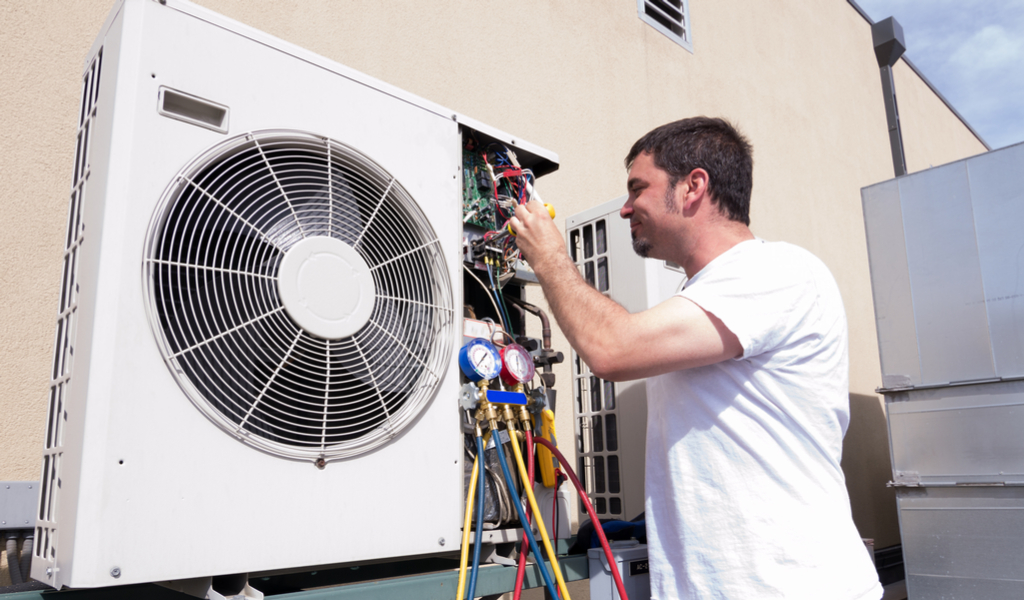
Credit: www.internationalcompetitionnetwork.org
Frequently Asked Questions
My Ac Isn’t Cooling. What Now?
Your air conditioner might have a dirty air filter. Try cleaning or replacing it. Check if the thermostat is set correctly to cool. Ensure all vents are open and not blocked.
Why Is My Ac Blowing Warm Air?
A common cause is a low refrigerant level. The outdoor unit might also be dirty, hindering heat release. Sometimes, a tripped circuit breaker can stop cooling.
Ac Unit Makes Strange Noises. What’s Wrong?
Grinding sounds often mean a motor issue. A rattling noise could indicate loose parts. Humming can signal electrical problems. It’s best to call a professional.
My Ac Leaks Water. Is This Serious?
Water leaks can stem from a clogged drain line. A frozen evaporator coil is another possibility. Ensure the unit is level to prevent leaks.
Why Does My Ac Turn On And Off Frequently?
This is often due to a dirty air filter. It can also signal an oversized unit. The thermostat’s placement might be causing this.
What If My Ac Smells Bad?
Musty odors often mean mold or mildew. Burning smells indicate electrical issues. Check for dead animals in the ductwork. Cleanliness is key.
How Often Should I Service My Ac?
Annual professional maintenance is recommended. This helps catch problems early. It ensures your AC runs efficiently all year.
Conclusion
Your air conditioner acts up. Don’t panic. Simple fixes exist. Check filters first. Clean them often. Ensure vents are clear. Listen for strange sounds. A professional can help. They fix complex issues. Keep your home cool. Enjoy comfort all year.
Regular checks prevent problems. Your AC will thank you.