
Is your KitchenAid refrigerator acting up? Don’t let a malfunctioning appliance disrupt your kitchen routine.
This guide is here to help you tackle common KitchenAid refrigerator problems, so you can get back to enjoying cold drinks and fresh food. We’ll walk you through simple fixes you can try yourself before you even think about calling a repair person.
Let’s get your fridge back in perfect working order!
Credit: www.kitchenaid.com
Refrigerator Not Cooling
Your KitchenAid refrigerator isn’t cooling. Simple checks can often solve this common problem. Explore easy troubleshooting steps.
Your KitchenAid refrigerator stops cooling. This is a common problem. Food spoils quickly. You need to fix it fast. Let’s troubleshoot this issue.Check Power Supply
Ensure the refrigerator has power. Is it plugged in securely? Check the circuit breaker. A tripped breaker stops power. Reset the breaker if needed. The light inside should turn on.Inspect Door Seals
Damaged door seals let warm air in. They make the fridge work harder. Feel around the door edges. Are there any gaps? Is the seal torn or brittle? Clean the seals with warm water. Replace them if they are damaged.Clean Condenser Coils
Dirty condenser coils reduce cooling efficiency. They are usually on the back or bottom. Unplug the refrigerator first. Use a vacuum cleaner with a brush. Gently brush away dust and debris. Clean coils help the fridge run better.Verify Temperature Settings
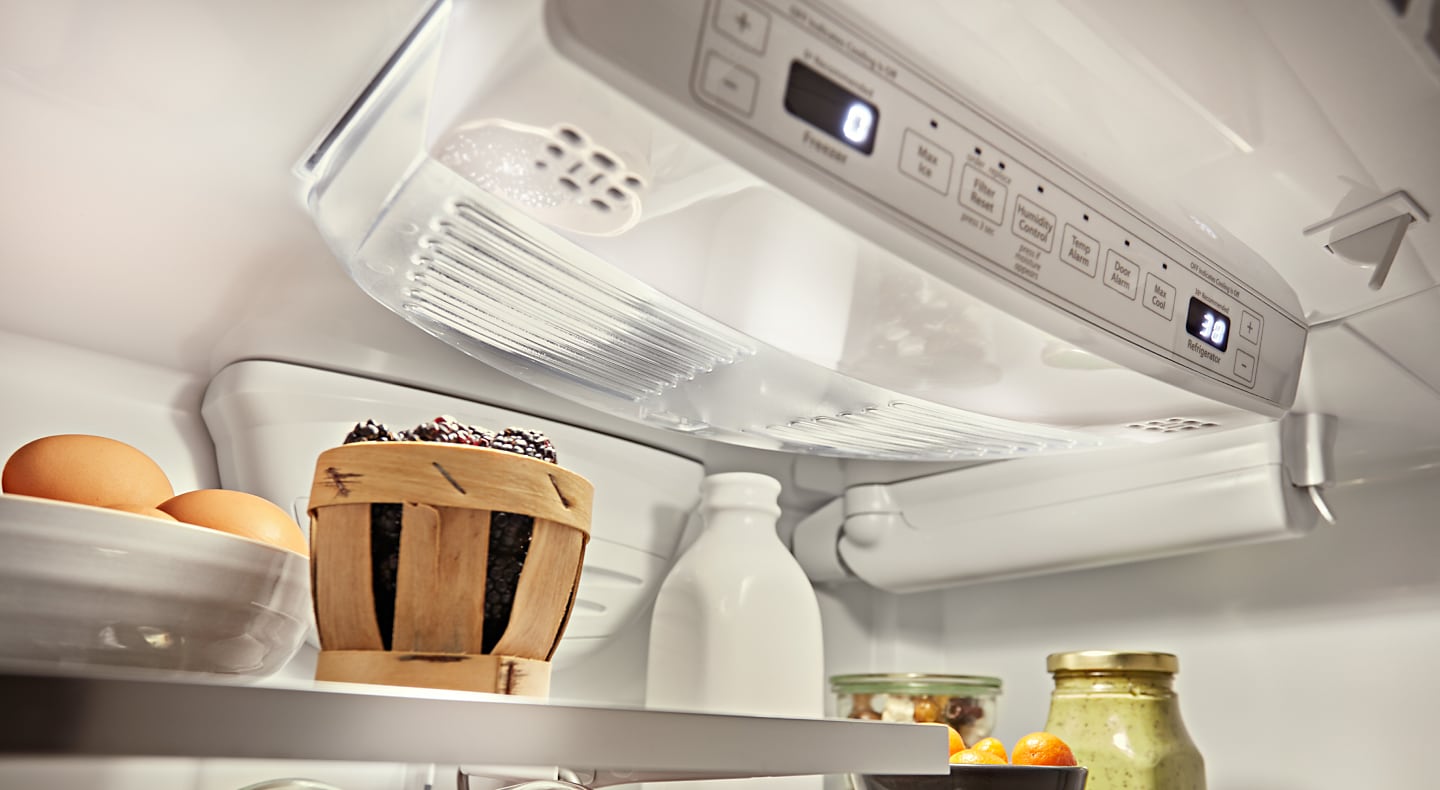
Are the temperature controls set correctly? Someone might have changed them. Check your user manual for guidance. Set the refrigerator to a colder setting. Wait a few hours. See if the temperature drops.Test Evaporator Fan
The evaporator fan circulates cold air. If it is not working, cooling suffers. Open the freezer door. Listen for the fan running. You might need to remove a panel. Check if the fan blades spin freely. A faulty fan needs replacement.Freezer Too Warm
Your KitchenAid freezer feels warm. Food might thaw. This is a common problem. Several issues can cause this. Let’s find the cause. We will fix your freezer.
Defrost System Check
The defrost system is vital. It prevents ice buildup. Ice can block airflow. Check the defrost heater. It should get hot. Inspect the defrost thermostat. It controls the heater. A faulty defrost timer also causes issues. These parts need to work. They keep the freezer cold.
Airflow Obstructions
Air must move freely. Blocked vents make it warm. Look for ice buildup. This often happens in the freezer. It can also occur in the fridge. Foods can block vents. Rearrange items. Ensure vents are clear. Good airflow is key. It cools everything properly.
Damper Control Issues
The damper controls cold air. It opens and closes. Cold air goes to the fridge. It also goes to the freezer. A stuck damper is bad. It may not open enough. This starves the freezer. Check the damper’s movement. It should open and close. A faulty damper needs repair.
Faulty Thermistor
The thermistor is a sensor. It measures freezer temperature. It tells the control board. The board adjusts cooling. A bad thermistor reads wrong. It might tell the board it’s cold. The freezer then stops cooling. This sensor is important. Replace a faulty one. It restores correct temperatures.
Ice Maker Problems
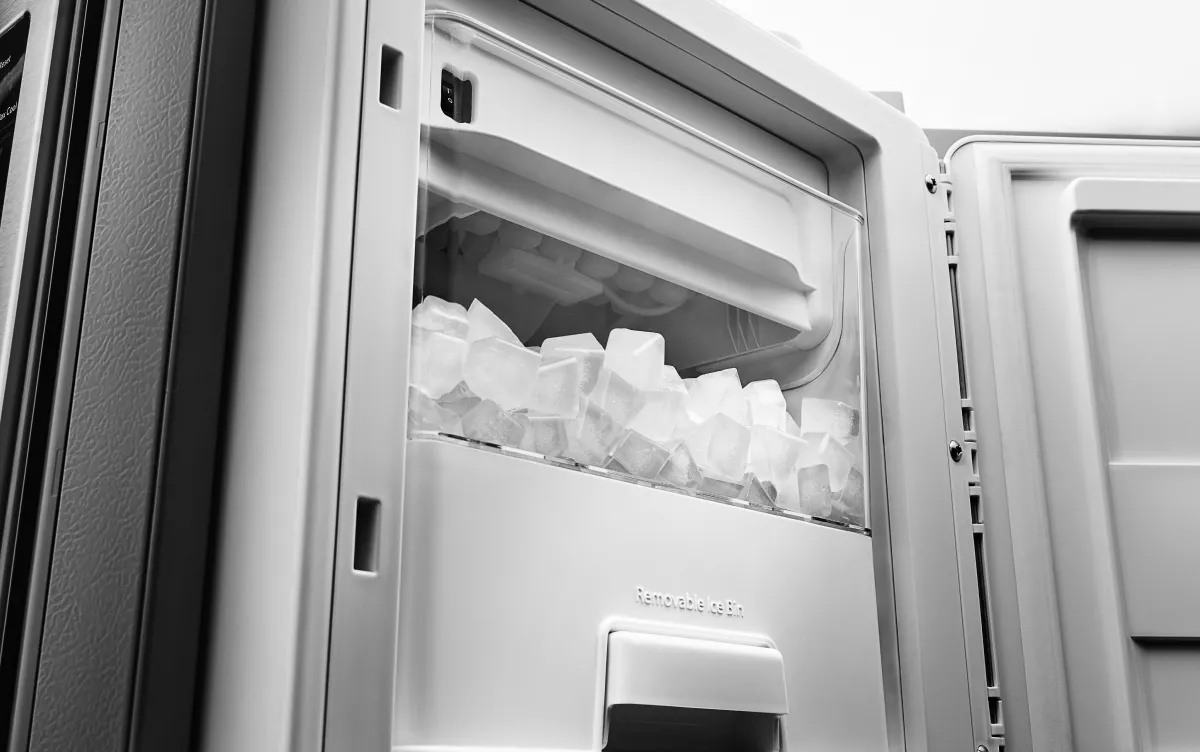
Is your KitchenAid refrigerator not making ice? Ice maker issues are common. Don’t worry. We can fix this. Let’s troubleshoot together.
Water Supply Check
First, check the water supply. Ensure the water line is connected. Look for kinks or bends. The water valve must be open. A closed valve stops ice production. Confirm water flows to the dispenser. This confirms water reaches the ice maker.
Freezer Temperature Too High
Next, check the freezer temperature. It needs to be cold enough. The ideal temperature is 0°F (-18°C). If it’s too warm, ice won’t form. Adjust the thermostat. Give it time to cool down. Monitor the temperature for a few hours.
Ice Maker Mechanism
Examine the ice maker itself. Is it turned on? Some models have an on/off switch. Check the control arm. It should be in the down position. This signals the ice maker to work. Look for any visible damage. The mold might be stuck.
Mold Or Clogs
Inspect for mold or clogs. Mineral buildup can block water flow. Clean the water filter regularly. A clogged filter restricts water. Check the water inlet valve. It can also get clogged. Clean these parts gently. This ensures proper water delivery.
Water Dispenser Not Working
Your KitchenAid refrigerator’s water dispenser is a great convenience. It offers easy access to chilled water. Sometimes, this feature stops working. A non-functioning dispenser can be frustrating. Several common issues can cause this problem. Let’s explore them.
Water Filter Replacement
A clogged water filter is a frequent culprit. The filter screens water. It can become blocked over time. This blockage restricts water flow. Try replacing the water filter. Ensure you use a compatible filter. Check your refrigerator manual. It will show you how to change it. A new filter often solves dispenser issues.
Water Line Freezing
The water line can freeze. This happens in colder areas. The line carries water to the dispenser. Ice can block the water flow. Check for frost around the water line. You might see ice buildup. This often occurs at the back of the fridge. You can try to thaw the line. Unplug the refrigerator first. Let the ice melt naturally. You can also use a hairdryer on a low setting. Aim it carefully at the frozen area.
Dispenser Switch
The dispenser switch might be faulty. This switch activates the water flow. It is located inside the dispenser area. You press it to get water. Sometimes, this switch fails. It may not send the signal. Check if the dispenser light comes on. If not, the switch could be the issue. This part may need professional replacement.
Faulty Water Inlet Valve
The water inlet valve is crucial. It controls water entering the fridge. This valve connects to your home’s water supply. It opens and closes to let water in. A faulty valve will not open. This stops water from reaching the dispenser. You can hear a humming sound. That sound indicates the valve is trying. But it is not getting water. This part usually requires a technician. They can diagnose and replace it.
Strange Noises
KitchenAid refrigerators are usually quiet. Sometimes, they make odd sounds. These noises can be concerning. Don’t worry. Many sounds have simple fixes. Let’s explore these common noises. We will help you find the cause.
Identify The Sound
Listen closely. What kind of sound is it? Is it a hum? A buzz? A click? Maybe a rattle? Knowing the sound helps. It points to the problem area. Pinpointing the sound is the first step.
Condenser Fan Obstruction
The condenser fan cools the compressor. It sits at the back, near the bottom. Debris can block this fan. Dust, pet hair, or dirt build up. This causes a rattling or scraping noise. Unplug the refrigerator first. Check the fan blades. Remove any obstructions carefully. Clean the area around the fan.
Evaporator Fan Noise
The evaporator fan is inside the freezer. It circulates cold air. Ice buildup can hit the fan blades. This creates a buzzing or whirring sound. It might also make a clicking noise. Defrosting the freezer can help. Turn off the refrigerator. Leave the doors open. Let all the ice melt. This often solves the issue.
Compressor Issues
The compressor is the refrigerator’s heart. It pumps refrigerant. A humming or buzzing sound is normal. A loud, unusual noise is not. It could be a worn-out compressor. This is a more serious problem. It might need professional repair. Listen for clicking or knocking sounds. These indicate potential compressor trouble.
Leveling The Refrigerator
An unlevel fridge can vibrate. This causes rattling or humming. The doors might not seal properly. Check if the refrigerator is stable. Adjust the leveling feet. These are usually at the front. Turn them clockwise to raise. Turn them counterclockwise to lower. Make sure the fridge sits firmly. Wobbling stops. The noises often disappear.
Credit: www.kitchenaid.com
Refrigerator Leaking Water
A leaking KitchenAid refrigerator is frustrating. Water pooling on your floor is a common problem. Several issues can cause this. Let’s find the cause. We will help you fix it.
Defrost Drain Clog
Your fridge has a defrost system. It melts ice buildup. Water flows through a drain tube. Food particles can clog this tube. Ice can also block it. The water then backs up. It spills inside your fridge. It might leak onto the floor. Clear the drain tube. Use a thin wire. Or try warm water.
Cracked Drain Pan
Water from the defrost tube goes here. It collects in a drain pan. This pan sits under your fridge. It evaporates the water. The pan can crack over time. A crack lets water escape. Check the drain pan carefully. Look for any damage. Replace a cracked pan. This is a simple fix.
Condensation Issues
Too much moisture causes condensation. This can form water droplets. Door seals might be faulty. They let warm air enter. The warm air creates condensation. Check your door gaskets. Ensure they seal tightly. Clean them regularly. A faulty seal needs replacement. This stops excess moisture.
Water Line Leaks
Your fridge may have an ice maker. It uses a water line. This line brings water to it. The line can develop leaks. Check the connection points. Look for drips or wet spots. Tighten any loose fittings. Replace damaged water lines. A small leak can cause big messes.
Lights Not Working
KitchenAid refrigerator lights are out? Check the power cord first. Ensure the door switch is not stuck. This often fixes the problem.
KitchenAid refrigerator lights are out. This is a common problem. It can be frustrating. You cannot see your food. Let’s fix this.Bulb Replacement
Your refrigerator light bulb may be burned out. This is the simplest fix. Locate the light cover. It is usually inside the fridge. Gently pry it open. Unscrew the old bulb. Screw in a new one. Make sure it is the correct type. Close the light cover. Test the light.Door Switch Check
The door switch controls the light. It tells the fridge when the door opens. The switch might be stuck. Find the switch. It is often near the door frame. Press it in and out. Does it move freely? If it feels sticky, clean it. A stuck switch keeps the light off.Wiring Problems
Wiring issues are more complex. Damaged wires can stop the light. This requires careful inspection. Look for frayed or loose wires. Check where wires connect. You may need a professional. Do not attempt major repairs yourself. Safety first.Odor Issues
A strange smell from your KitchenAid refrigerator? It happens. Don’t worry. Bad odors are common. We can fix them. Let’s explore why your fridge smells. We will find solutions.
Food Spoilage
Check for spoiled food. Old food smells bad. Look for moldy items. Discard anything questionable. This is the first step. It is very important.
Clean Interior
Clean the inside thoroughly. Spills can cause odors. Wipe down all shelves. Clean the door seals too. Use mild soap and water. A clean fridge smells fresh. It is simple.
Ventilation Check
Ensure good airflow. Vents should be clear. Do not block the vents. Food needs air circulation. Blocked vents trap smells. This causes problems. Keep them open.
Odor Absorbers
Use odor absorbers. Baking soda works well. Place an open box inside. Replace it every month. Activated charcoal is another option. These absorb bad smells. Your fridge stays fresh. It is easy.
Credit: www.kitchenaid.com
Frequently Asked Questions
Why Is My Kitchenaid Refrigerator Not Cooling?
Check the temperature settings first. Ensure the vents inside are not blocked by food items.
How To Fix A Noisy Kitchenaid Refrigerator?
Listen for the source of the noise. It might be the fan or the compressor.
What To Do If Kitchenaid Fridge Is Leaking Water?
Check the defrost drain for clogs. Make sure the drip pan is positioned correctly.
My Kitchenaid Ice Maker Isn’t Working. Why?
Confirm the water supply line is connected. Ensure the ice maker is turned on.
How To Reset A Kitchenaid Refrigerator?
Unplug the refrigerator for a few minutes. Then, plug it back in to reset.
Why Is My Kitchenaid Freezer Too Warm?
Verify the door seal is tight and clean. Avoid overloading the freezer with warm items.
What Does The Kitchenaid Refrigerator Error Code Mean?
Consult your user manual for specific codes. It will explain what each code indicates.
Conclusion
Your KitchenAid refrigerator problem is likely fixable. Simple checks often solve issues. Consult your manual first. Small adjustments make a big difference. Don’t let minor troubles frustrate you. Keep your appliance running smoothly. Enjoy a cool kitchen again.