
Is your refrigerator suddenly not cooling like it used to? That’s a frustrating problem, and you’re probably worried about your food spoiling.
Don’t panic! Most of the time, a refrigerator that’s not cooling can be fixed with a few simple troubleshooting steps. You don’t need to be a repair expert to figure out what’s going on. In this guide, we’ll walk you through the most common reasons your fridge might be slacking and how you can tackle them yourself.
Let’s get your cool back!
Credit: www.gofoodservice.com
Cooling Basics
Understanding how your refrigerator works is key. It’s a complex machine. But the basics are simple. This knowledge helps with troubleshooting. You can fix many issues yourself. Let’s explore the cooling basics.
How Fridges Keep Things Cold
Refrigerators use a special fluid. This fluid is called refrigerant. It circulates through coils. The coils are inside and outside. A compressor powers this system. It pumps the refrigerant. The refrigerant absorbs heat. It moves heat from inside. It releases heat outside. This makes the inside cold. Fans help move the cold air. They circulate air efficiently.
Common Cooling Problems
Your fridge might not cool. This is a common issue. Several things can cause this. The door seal might be bad. Cold air escapes easily. The condenser coils can get dirty. They need to release heat. Dirty coils block heat release. The evaporator fan might fail. It moves cold air inside. The compressor could be the problem. It’s the heart of the system. A faulty thermostat is possible. It controls the temperature. These are common culprits.
Credit: malachypartsplus.com
Power Check
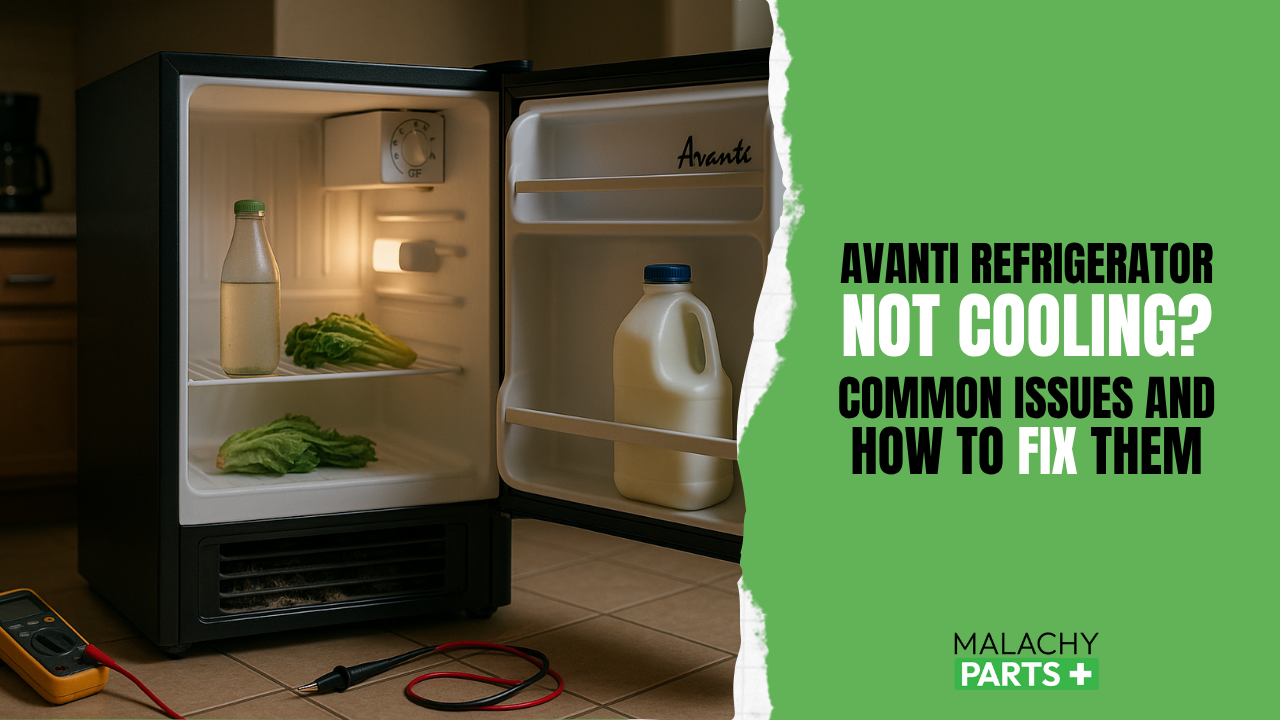
Your refrigerator isn’t cooling? Don’t worry. This guide helps you find the problem. We’ll cover simple fixes for a warm fridge.
When your refrigerator stops cooling, a power check is your first step. This simple check can solve many problems. It’s easy to do. You don’t need special tools. Let’s start with the basics.Is It Plugged In?
First, check the plug. Is it fully in the wall socket? Sometimes plugs get loose. A loose plug means no power. Push it in firmly. Make sure it feels secure.Circuit Breaker Status
Next, check your home’s circuit breaker. A tripped breaker cuts power. Find your electrical panel. Look for a switch that is off. Flip it firmly to the “on” position. If it trips again, call an electrician.Gfci Outlet Test
Some kitchens use GFCI outlets. These have “test” and “reset” buttons. Check if your refrigerator is plugged into one. Press the “reset” button. This can restore power. If it trips often, there’s a wiring issue.Temperature Settings
Check your refrigerator’s temperature settings. Ensure they are not set too high. Correcting these can often fix cooling problems.
Your refrigerator’s temperature settings are crucial. They control how cold your food gets. Sometimes, a simple adjustment fixes cooling issues. Let’s explore this common culprit.Verify Thermostat Dial
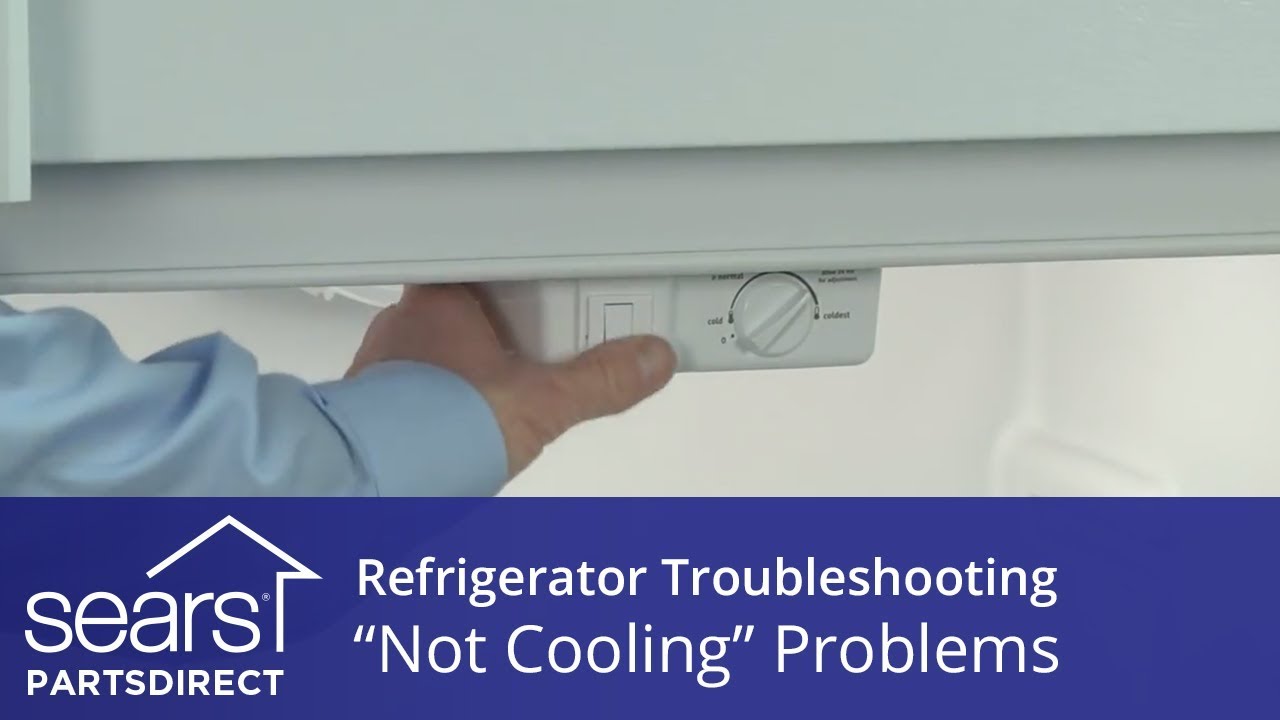
Your fridge has a thermostat dial. This controls the temperature. Check its current setting. Is it set too high? Turn it to a colder setting. Wait several hours. See if the temperature drops.Resetting The Controls
Sometimes controls need a reset. Unplug your refrigerator. Wait for five minutes. Plug it back in. This can clear minor glitches. It often restores proper cooling. Test the temperature again.Airflow Obstructions
Airflow is key. Your refrigerator needs air to move. This air cools your food. Blockages stop this air. Your fridge will not cool properly. Let’s find these blockages.
Blocked Vents Inside
Look inside your fridge. Find the air vents. Food items often block them. Move any food away. Clear the vents completely. Air must flow freely. This helps cool everything.
Overcrowded Shelves
Too much food is a problem. Shelves can get too full. Food blocks the vents. Air cannot get around. Remove some items. Give the air space. Your fridge will cool better.
Door Seal Check
Check the door seals. They keep cold air in. Damaged seals let warm air enter. This makes the fridge work harder. Inspect the rubber gaskets. Clean them with mild soap. Ensure a tight seal. Close the door firmly. Listen for air leaks.
Condenser Coils
The condenser coils are vital. They help your refrigerator release heat. Dirty or blocked coils hinder this process. This makes your fridge work harder. It may not cool properly. We will explore how to check them.
Locating The Coils
Find your refrigerator’s coils. They are usually at the back. Some models have them underneath. Look for a metal grille. This covers the coils. Check your owner’s manual. It shows the exact location.
Cleaning Dirty Coils
Dirty coils are a common problem. Dust and grime build up. This blocks airflow. Unplug your refrigerator first. Use a coil brush. Gently brush away the dirt. A vacuum cleaner also works. Use a soft brush attachment. Clean them thoroughly. This improves cooling efficiency.
Coil Obstructions
Check for obstructions. Pets’ fur can block coils. Other debris might collect. Remove any blockages. Ensure good airflow. Clear the area around the coils. This allows heat to escape. Your fridge will cool better. This simple step is important.
Credit: www.youtube.com
Evaporator Fan
The evaporator fan is crucial. It circulates cold air. This fan moves air across the cooling coils. It then pushes that air into your refrigerator. Without it, your fridge stays warm. Your freezer might get cold. But the fridge compartment suffers.
Fan Function Test
First, listen for the fan. Open the freezer door. You should hear a fan running. If you hear nothing, it’s a problem. You can also try this test. Unplug the refrigerator. Wait five minutes. Plug it back in. Listen again. The fan should spin now.
Ice Buildup On Fan
Ice can stop the fan. Frost may cover the fan blades. This happens when the defrost system fails. You might see a large ice block. It could be around the fan. This ice prevents fan movement. You need to remove the ice. Unplug the fridge first. Let it defrost completely. This takes many hours. Then, try running the fan again.
Replacing A Faulty Fan
A bad fan needs replacement. You can do this yourself. First, unplug the fridge. Locate the evaporator fan. It is usually in the freezer back panel. Remove the panel carefully. Disconnect the old fan. Connect the new fan. Reassemble the panel. Plug the fridge back in. Test the fan. If you are unsure, call a pro.
Defrost System
Your refrigerator’s defrost system is crucial. It prevents ice buildup. Ice blocks airflow. This makes your fridge warm. A faulty defrost system causes cooling issues. Let’s explore this system.
Defrost Heater Role
The defrost heater melts frost. It is usually a small element. It sits near the evaporator coils. Frost collects on these coils. The heater turns on periodically. It thaws the ice. This keeps air moving. A bad heater means ice. Ice means no cooling.
Defrost Thermostat Issues
The defrost thermostat monitors temperature. It tells the heater when to work. It also tells it when to stop. It prevents overheating. A broken thermostat can fail. It might not signal the heater. Or it signals too late. This leads to ice jams. Check this part for problems.
Defrost Timer Malfunctions
The defrost timer controls the cycle. It tells the system when to defrost. It is like a clock. It switches between cooling and defrosting. A stuck timer is bad. It might stay in defrost mode. Or it stays in cooling mode. This causes ice to form. Repair or replace the timer.
Compressor & Start Relay
The compressor is the heart of your refrigerator. It pumps refrigerant. The start relay helps the compressor begin its work. These parts are vital for cooling. A faulty compressor or relay stops cooling. Understanding them helps you troubleshoot.
Compressor Hum Test
Listen for a humming sound. The compressor should hum when running. A loud hum might signal trouble. No hum means it is not starting. This test is simple. It gives you a clue. The compressor might be stuck.
Start Relay Symptoms
The start relay can fail. The compressor may click on. Then it clicks off quickly. This is a common symptom. The relay is not holding power. It might also make no sound. The compressor gets no signal. This stops cooling.
When To Call A Pro
Some repairs are complex. Working with refrigerants is dangerous. Electrical components can shock you. If the compressor hums loudly, call a pro. If the relay clicks repeatedly, call a pro. For any doubts, call a professional. They have the right tools. They have the right knowledge. Safety is most important.
Refrigerant Leaks
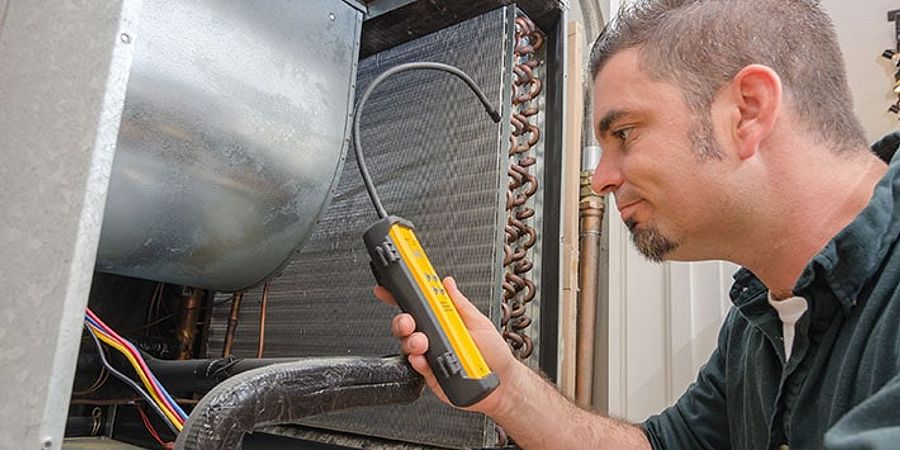
A refrigerant leak is a common cause. Low refrigerant means less cooling. Check for this problem if your fridge isn’t cold.
A refrigerant leak is a serious issue. It stops your fridge from cooling properly. This vital gas keeps your food safe. A leak means less cold air. Your appliance works harder. It wastes energy.Signs Of A Leak
Your refrigerator feels warm. Food spoils quickly. You hear strange noises. A hissing sound might be present. You might see an oily residue. It often smells sweet or chemical. Ice might not form correctly. The compressor runs constantly. This is a clear warning sign.Professional Diagnosis
A technician finds the leak. They use special tools. They check for pressure loss. They look for oil stains. Finding the source is key. Repairing the leak is important. They will then recharge the refrigerant. This restores cooling power. Do not try this yourself. It requires expert knowledge.Preventative Maintenance
Preventative maintenance keeps your refrigerator running well. Simple steps save you trouble. They also prevent costly repairs. Your fridge stays cool. Food stays fresh. This saves money too.
Regular Coil Cleaning
Dirty coils block airflow. This makes the fridge work harder. Clean the condenser coils often. Do this at least twice a year. Unplug the refrigerator first. Use a vacuum cleaner brush. Gently remove dust and debris. This improves cooling efficiency. It also saves energy.
Door Seal Care
Check the door seals regularly. Look for rips or tears. A damaged seal lets cold air escape. This makes the fridge work harder. Clean the seals with mild soap. Use a damp cloth. Ensure they are dry. A good seal keeps cold air in. It maintains the right temperature.
Proper Loading Habits
Do not overstuff your fridge. Overloading blocks air circulation. Cold air needs to move freely. Leave space between items. This allows cool air to reach everywhere. Avoid placing hot food inside. Let food cool first. This reduces the cooling load. It helps maintain consistent temperatures.
Frequently Asked Questions
Refrigerator Not Cooling? Check Power First.
Ensure your refrigerator is plugged in securely. Check your home’s circuit breaker for any tripped switches. A simple power issue can often be the cause.
Why Is My Fridge Warm Inside?
Dirty condenser coils can block airflow. Dust buildup prevents proper heat release. Clean them gently with a vacuum brush.
Is The Freezer Cold But Fridge Warm?
The evaporator fan motor might be faulty. This fan circulates cold air. If it’s not working, the fridge won’t cool.
What If Door Seals Are Damaged?
Leaky door seals let warm air in. This makes the fridge work harder. Inspect them for cracks or gaps. Replace them if needed.
Could Temperature Settings Be Wrong?
Your thermostat might be set too high. Adjust the temperature dial to a colder setting. Wait a few hours to see if it improves.
Why Is My Refrigerator Making Noise?
Unusual noises can signal a problem. A failing fan or compressor might be the culprit. Listen for grinding or buzzing sounds.
When Should I Call A Repairman?
If basic checks don’t fix it. If you suspect a major component failure. It’s best to get professional help then.
Conclusion
Your fridge is vital. Keep it running cool. Simple checks can help. Clean coils are key. Door seals matter too. Listen for the fan. Is it spinning freely? These steps fix many issues. Save money on repairs. Enjoy cold food again.
Your refrigerator problem solved.