
Is your trusty Kenmore 80 Series washer acting up? We’ve all been there.
That moment when you load your clothes, hit start, and… nothing. Or maybe it’s making strange noises, not draining, or leaking. Don’t panic! Your Kenmore 80 Series washer is built to last, and often, the fix is simpler than you think.
This guide is here to help you pinpoint the problem and get your laundry routine back on track. We’ll walk you through common issues and their solutions, saving you time, money, and the frustration of a broken-down appliance. Let’s dive in and get your washer running smoothly again.
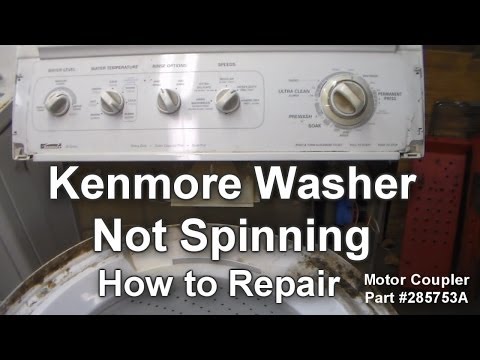
Credit: www.youtube.com
Common Kenmore 80 Series Washer Issues
Your Kenmore 80 Series washer is a workhorse. Sometimes, it needs a little help. Many common problems pop up. We can fix most of them. This guide helps you troubleshoot. Let’s find solutions together.
Won’t Start
Is your washer dead? Check the power cord. Ensure it is plugged in. The outlet might be bad. Try another appliance. A tripped circuit breaker stops it. Look at your home’s breaker box. Reset the breaker if needed. The lid switch can fail. This prevents starting. Inspect the lid switch carefully. Make sure it clicks shut.
Not Draining
Water stuck in the tub? The drain hose might be kinked. Straighten the hose. Debris can clog the pump. Check the pump filter. Clean out any lint or coins. A faulty drain pump needs replacement. Sometimes the lid switch is the issue. It must signal the pump to run.
Not Spinning
Clothes still wet? The drive belt may be broken. Inspect the belt for damage. A worn belt cannot spin. The motor coupler could be broken. This connects motor to transmission. It often snaps. The lid switch also affects spin. Ensure it is working properly. An unbalanced load can stop it. Redistribute the clothes evenly.
Leaking Water
Water on the floor? Check the inlet hoses. Make sure they are tight. Look for cracks in the hoses. The drain hose can leak. Ensure it is securely attached. A worn door seal causes leaks. Inspect the rubber gasket. Replace it if it is torn. The tub seal might be bad. This is a more complex repair.
Making Noise
Loud banging or grinding? Foreign objects are common culprits. Check the drum for loose items. Coins or bra wires can cause noise. The drive belt may be loose. Tighten or replace it. Worn bearings create grinding sounds. This often needs professional help. The motor or pump might be failing. Listen for the source of the noise.
Error Codes Displayed
See strange codes? Your washer is telling you something. Consult your owner’s manual. It lists all error codes. Each code points to a specific problem. For example, F9 means a water fill issue. F1 indicates a lid switch problem. Understanding codes speeds up repairs. Look up the code online too.
Power And Electrical Checks
Your Kenmore 80 Series washer won’t start. Don’t panic. Many issues have simple fixes. Power and electrical checks are the first steps. This section guides you through them.
Is It Plugged In?
This sounds simple. But it’s often overlooked. Make sure the washer plug is fully in the outlet. A loose connection stops power. Check the plug itself. Is it damaged? A damaged plug needs replacement.
Check The Circuit Breaker
Your home has a breaker box. Find the breaker for the washer. Is it tripped? A tripped breaker looks different. It might be in the middle. Or it might be in the ‘off’ position. Flip it fully to ‘off’. Then flip it back to ‘on’. This resets the breaker. If it trips again, there’s a bigger problem. You might need an electrician.
Inspect The Power Cord
The power cord connects the washer to the outlet. Look for any damage. Are there nicks or cuts? Is the cord frayed? Damage to the cord is dangerous. It can cause shocks. It can also stop the washer from working. If you see damage, do not use the washer. Replace the cord. Or call a professional for help.
Water Inlet And Drainage Problems
Water inlet and drainage issues plague many Kenmore 80 Series washers. These problems stop washes. They create messes. Let’s fix them. We will look at common causes. Simple steps help. Your washer will work again.
Water Not Filling
Is your washer empty? Water may not enter. Check the water supply valves. Ensure they are fully open. Inspect the inlet hoses. Look for kinks. These hoses bring water in. They must be straight. Loose connections can leak. Tighten them securely. A clogged screen can stop water. Find the screen at the valve. Clean it gently. Debris can block water flow.
Water Filling Slowly
Water trickles in? This is frustrating. Inlet hoses might be bent. Straighten any kinks. Water pressure could be low. Check your home’s water pressure. The screen at the valve might be dirty. Clean this screen thoroughly. Sediment builds up over time. This slows water entry.
Drain Hose Blockages
Water stays in the tub? The drain hose is suspect. It carries dirty water out. Check the hose for twists. Make sure it is not crushed. A clog can form inside. Remove the hose from the washer. Look for blockages. Use a long, thin tool. Push out any obstructions. A blocked hose stops draining.
Pump Filter Check
The pump removes water. A filter protects the pump. Lint and debris clog filters. Locate your washer’s pump filter. It is usually at the front. Consult your manual for location. Remove the filter carefully. Clean it under running water. Reinstall the filter correctly. A clean filter helps drainage.
Water Valve Issues
The water valve controls flow. It might be faulty. If other checks fail, consider this. The valve may not open. It might be stuck closed. Replacing the water valve is complex. It requires some technical skill. If unsure, call a professional. This valve is critical for filling.
Spin And Agitation Difficulties
Your Kenmore 80 Series washer should spin and agitate well. Problems here can be frustrating. No spin or weak agitation stops clean clothes. We will explore common causes. Fixing these can save you time. It can also save you money.
Lid Switch Malfunction
The lid switch is important. It tells the washer the lid is closed. A bad switch stops spinning. It also stops agitation. Check the switch for damage. Make sure it clicks. A faulty switch needs replacement.
Drive Belt Condition
A drive belt connects parts. It powers the spin and agitation. A worn or broken belt causes issues. The washer may not spin at all. Agitation might be weak or absent. Inspect the belt for cracks. Look for signs of wear. Replace a damaged belt promptly.
Motor Coupling Wear
The motor coupling links the motor. It drives the transmission. Wear here stops power transfer. This means no agitation. It also means no spin. Check the coupling for damage. Look for broken plastic pieces. A worn coupling needs a new one.
Agitator Problems
The agitator moves clothes. It helps them get clean. A stripped agitator post is common. This prevents proper movement. The agitator may spin freely. It will not move clothes effectively. Inspect the agitator base. Look for damage or looseness. Repair or replace the agitator.
Balance Issues
Loads must be balanced. Uneven loads cause problems. The washer may not spin correctly. It might vibrate a lot. This can stop the spin cycle. Rearrange the laundry items. Ensure a balanced load. This helps the washer function.
Addressing Leaks
Leaks are a common washer problem. Water on your floor is never good. Let’s fix those leaks. We will guide you through it. Your Kenmore 80 Series washer can be leak-free again.
Hose Connections
Check all water hoses. Are they tight? They connect to the wall. They connect to the washer. Tighten any loose fittings. Look for cracks in the hoses. Replace damaged hoses. This stops many leaks.
Tub Seal Leaks
The tub seal can fail. This seal is inside. It is around the agitator shaft. Water leaks from the bottom. This repair is complex. It often needs a professional. Don’t ignore a tub seal leak.
Pump Leaks
The drain pump can leak. It is usually at the bottom. Water pools under the washer. Check the pump housing. Look for cracks or holes. The pump seal might be bad. A new pump might be needed.
Door/lid Seal
The door or lid seal is vital. It keeps water inside. Inspect this rubber gasket. Is it torn or cracked? Is it dirty or moldy? Clean it thoroughly. Replace a damaged seal. This stops leaks from the door.
Noises And Vibrations
Your Kenmore 80 Series washer makes strange sounds. It shakes too much. These noises and vibrations signal a problem. Don’t worry. We can fix many issues. Let’s explore common causes.
Loose Parts
Parts can loosen over time. Check the machine’s exterior. Ensure all screws are tight. Loose panels cause rattling. A secure machine runs smoothly.
Foreign Objects In Drum
Small items get stuck. Coins or keys can lodge. They make loud banging sounds. Empty the drum completely. Inspect the drum’s interior. Remove any foreign objects.
Worn Bearings
Bearings allow smooth rotation. Worn bearings cause grinding. A loud rumbling noise starts. This often happens during spin. Bearing replacement is complex. You might need professional help.
Shock Absorber Problems
Shock absorbers control movement. They dampen vibrations. Bad shocks make the washer jump. It bangs against walls. The machine rocks excessively. Replace worn shock absorbers.
Decoding Error Codes
Troubleshooting your Kenmore 80 Series washer can be simple. Decoding error codes helps pinpoint problems fast. Learn what those blinking lights mean.
Your Kenmore 80 Series washer shows error codes. These codes help find problems. Do not worry. We will help you understand them. This section guides you. Learn what those blinking lights mean.Common Code Meanings
Error codes are like secret messages. They tell you what is wrong. Some codes are very common. For example, F2 means a water fill issue. It might be a hose problem. F5 often signals a lid switch fault. The lid must close securely. F9 indicates a drain problem. The washer cannot empty water. F10 suggests a motor issue. These are just a few examples. Each code has a specific meaning. Consult your manual for details. Your washer’s manual is your best friend.Resetting The Washer
Sometimes, a simple reset fixes things. This clears minor glitches. Unplug the washer from the wall. Wait for about five minutes. Plug it back in. Try running a short cycle. This often solves many small errors. Did the code disappear? Great! If not, investigate further. Resetting is a good first step. It is easy to do. Give it a try.
Credit: www.ifixit.com
Maintenance Tips
Keep your Kenmore 80 Series washer running smoothly. Simple maintenance prevents common issues. Regular checks ensure optimal performance for longer.
Proper maintenance keeps your Kenmore 80 Series washer running. Simple tasks prevent big problems. Follow these tips. Your washer will thank you.Regular Cleaning
Clean the washer drum often. Use a soft cloth. Wipe down the door seal. This removes lint and grime. Clean the detergent dispenser too. It can get clogged. A clean washer works better. It smells fresher.Preventative Checks
Inspect the water hoses. Look for cracks or leaks. Replace old hoses. Check the drain hose. Ensure it is not kinked. Listen for strange noises. Address them early. A quick check saves time. It saves money.Load Balancing Best Practices
Do not overload the washer. This strains the motor. It can damage the tub. Mix large and small items. This helps balance the load. Clothes should move freely. Balanced loads prevent shaking. Your washer will last longer.When To Call A Professional
Sometimes, your Kenmore 80 Series washer needs expert help. DIY fixes are great. But some issues are beyond simple repairs. Knowing when to call a pro saves time. It also keeps you safe.
Complex Repairs
Some problems are just too tricky. Your washer might have internal leaks. The motor could be failing. These parts need special knowledge. Replacing a transmission is hard. It requires specific tools. A professional has the right equipment. They understand the complex systems. Don’t risk causing more damage. Call a qualified technician.
Safety Concerns
Safety comes first. Water and electricity mix poorly. Faulty wiring poses a shock risk. A leaking machine can cause water damage. Some repairs involve sharp parts. You could get cut. A professional knows the safety rules. They work with caution. They handle electrical components safely. Protect yourself. Let them do the dangerous work.
Lack Of Tools Or Experience
Do you have the right tools? Many washer repairs need special tools. You might not own them. Trying to use the wrong tools can break parts. Your experience matters too. Do you know how a washer works? If not, you might make things worse. A service technician has the tools. They have the experience. They fix it right the first time.

Credit: www.youtube.com