
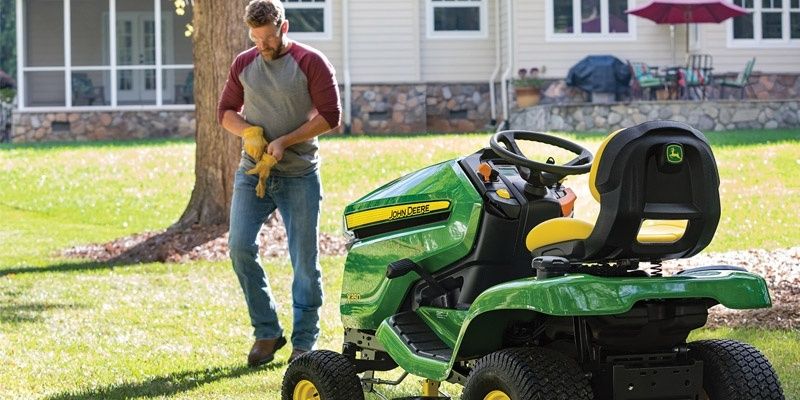
Credit: www.hutsoninc.com
Common Starting Issues
Your John Deere mower won’t start. It is frustrating. Many problems cause this. We will look at common starting issues. Simple fixes exist for these. Let’s find your mower’s problem.
Battery Blues
The battery is often the culprit. Check its charge level. A dead battery means no power. Clean the battery terminals. Corrosion stops good contact. Ensure cables are tight. Loose connections are bad.
Fuel Flow Frustrations
Your mower needs fuel to run. The fuel system might be blocked. Check the fuel filter. A clogged filter stops fuel. Replace the old filter. Look at the fuel lines. Are they kinked or damaged? Fresh fuel is important. Stale gas causes issues.
Ignition Ignition Problems
The spark plug ignites fuel. A faulty spark plug won’t work. Remove the spark plug. Inspect it for damage. It might be fouled or worn. Replace it if needed. The ignition coil is also key. A bad coil prevents spark.
Safety Switch Snags
John Deere mowers have safety switches. These prevent starting in unsafe positions. Check the seat switch. Is it engaged properly? Look at the brake pedal switch. Ensure it is activated. These switches must function. They keep you safe.
Engine Performance Pains
Is your John Deere mower struggling? Engine performance pains can be frustrating. We explore common issues and simple fixes. Get your mower running smoothly again.
Your John Deere mower engine is the heart. It powers your lawn care. Engine trouble can stop your work. It can cause frustration. Let’s fix those engine performance pains.Rough Running
Your mower engine sputters. It runs unevenly. This is rough running. It often points to fuel issues. Check the fuel filter. It might be clogged. Spark plugs can cause this. Worn plugs need replacement. Dirty air filters matter too. Clean or replace the air filter.Loss Of Power
The mower feels weak. It struggles on grass. This is a loss of power. The engine isn’t getting enough fuel. Inspect the fuel lines. Blockages can occur. The carburetor might be dirty. Cleaning it can help. Engine oil level is important. Low oil causes problems. Check and top up the oil.Overheating Worries
The engine gets too hot. This is overheating. It damages engine parts. Check the cooling fins. They must be clean. Debris blocks airflow. The engine oil cools too. Ensure the oil is full. Low oil leads to heat. Inspect the cooling fan. It must spin freely.Stalling Strategies
The engine suddenly stops. This is stalling. It can happen under load. Low fuel levels cause stalling. Check your gas tank. A clogged fuel filter stops fuel flow. Clean or replace the filter. A faulty ignition coil can stall. It stops spark. The safety switches matter. Ensure they are engaged.Cutting Deck Dilemmas
Your John Deere mower’s cutting deck is crucial. It makes your lawn look great. Problems here stop your mower. Let’s fix these deck issues. We’ll get your grass looking neat again.
Uneven Cuts
Grass is cut unevenly. This is frustrating. Check your mower deck. Are the blades sharp? Dull blades tear grass. They do not cut cleanly. Bent blades also cause problems. Inspect them for damage. Ensure the deck is level. A tilted deck cuts poorly. Adjust the deck height settings. Make them match on both sides.
Blades Not Spinning
Your mower is running. Blades refuse to spin. This is a common issue. First, check the belt. Is it broken or loose? A damaged belt won’t engage. Inspect the belt for wear. Look for cracks or fraying. The pulley system needs attention. Are pulleys seized or damaged? Obstructions can stop rotation. Clear any debris. Ensure the PTO clutch works. It engages the blades. A faulty PTO needs repair.
Clogging Clues
Grass builds up on the deck. This is called clogging. It happens often in wet grass. Thick grass also causes it. Clean the deck regularly. Use a scraper or brush. Check the deck’s discharge chute. Is it blocked with clippings? Clear any blockages. Consider raising the deck height. This gives more room. Mow when grass is dry. This helps prevent clogging.
Deck Height Hassles
Setting the deck height is important. It affects the cut. Too low cuts too short. Too high leaves grass long. Ensure you set it correctly. Check the deck adjustment levers. Are they working properly? Sometimes they get stuck. Lubricate the levers if needed. Make sure all wheels are even. Uneven wheels tilt the deck. This leads to an uneven cut. Refer to your manual. It shows the correct settings.

Credit: www.youtube.com
Transmission Troubles
Transmission troubles can halt your mowing. Your John Deere mower might struggle to move. These issues affect performance. They can be frustrating. Let’s explore common transmission problems.
Slow Movement
Your mower moves too slowly. This is a common symptom. The transmission might be low on fluid. Check the transmission fluid level. Low fluid causes slow movement. It can also cause overheating. Overheating damages the transmission. Ensure the fluid is at the correct level. Low fluid needs topping up. Use the recommended fluid type. Always follow your owner’s manual. Worn-out transmission parts cause slowness. Gears can wear down over time. This reduces power transfer. Inspect for any visible damage. Sometimes, a simple fluid check fixes it.
Jerky Acceleration
Acceleration feels rough. The mower lurches forward. This points to transmission issues. It could be air in the system. Air can disrupt fluid flow. Bleeding the transmission may help. Consult your manual for this. A damaged drive shaft is another cause. It connects the engine to the transmission. A bent or broken shaft causes jerks. Check the drive shaft for damage. Loose linkages can also cause problems. Ensure all connections are secure. This jerky motion is not normal. It needs prompt attention.
Transmission Slipping
The mower loses power. It feels like it’s slipping. This is a serious symptom. It often means internal wear. Gears might be stripped or worn. Internal seals can also fail. This allows fluid to bypass. Slipping means the transmission is failing. It may need professional repair. Do not ignore transmission slipping. Continued use can cause more damage. Check the transmission fluid for metal particles. Metal shavings indicate serious wear. This is a clear sign of trouble.
Drive Belt Issues
The drive belt connects engine power. It powers the transmission. A loose or worn belt causes problems. The mower will move slowly. It might even stop moving. Inspect the drive belt regularly. Look for cracks or fraying. A worn belt loses grip. It can slip on the pulleys. This reduces power delivery. Replace a damaged drive belt. Ensure the new belt is the correct size. Proper belt tension is crucial. A loose belt causes slipping. A too-tight belt can damage components.
Electrical Glitches
Electrical glitches can cause many problems. Your John Deere riding mower might not start. Lights may flicker or die. Understanding these issues helps you fix them fast.
Electrical problems can stop your mower. They often seem tricky. Simple checks can solve them. This section helps you find issues. We will cover common electrical faults. Let’s get your mower running again.Lights Not Working
Your mower lights won’t turn on. This is a common issue. First, check the bulb. Is it burned out? Replace it if needed. Next, inspect the switch. Does it feel loose? Wiggle it gently. Ensure good contact. A faulty switch needs replacement.Charging System Check
Your mower battery may not charge. This affects starting power. Check the battery terminals. Are they clean and tight? Corroded terminals cause problems. Clean them with a wire brush. Tighten them securely. The alternator also needs checking. A weak alternator won’t charge. Test its output. Replace it if it fails.Fuse Fiascos
Blown fuses stop electrical flow. Your mower has a fuse box. Locate it on the mower. Check each fuse. Look for a broken wire. A blown fuse looks damaged. Replace it with a new one. Use the correct amperage. A fuse blows for a reason. Find that reason. It prevents further damage.Wiring Woes
Damaged wires cause many issues. Inspect all visible wiring. Look for frayed or cut wires. Check for loose connections. Wires can rub against metal parts. This creates shorts. Repair any damaged wires. Secure loose connections firmly. Proper wiring ensures power flow. It keeps your mower safe.Preventative Maintenance Power-ups
Preventative maintenance is key. It keeps your John Deere mower running well. Small checks prevent big problems. These “power-ups” save you time. They also save you money. Your mower will last longer.
Regular Cleaning
Keep your mower clean. Wash off grass clippings. Mud is bad too. Clean the deck often. Remove debris from the engine. A clean mower works better. It avoids overheating issues.
Fluid Checks And Changes
Check oil levels regularly. Add oil if needed. Change the oil on schedule. Refer to your manual. Check hydraulic fluid too. Ensure it is at the correct level. Clean fluid is vital for smooth operation.
Blade Care
Inspect mower blades. Look for damage or dullness. Sharpen blades often. Dull blades cut unevenly. They strain the engine. Replace worn blades. Sharp blades give a clean cut.
Filter Fixes
Clean or replace air filters. A dirty filter chokes the engine. Check the fuel filter. Replace it as recommended. Clean filters improve performance. They ensure good fuel flow. Your mower will thank you.
When To Call A Pro
Sometimes, DIY fixes are not enough. Your John Deere mower might need expert help. Knowing when to call a professional saves time. It also prevents further damage. Trust your gut. Consider these signs.
Complex Repairs
Some issues go beyond simple fixes. Engine problems can be tricky. Transmission troubles often require skill. Complex electrical systems are frustrating. You might not have the right knowledge. A professional mechanic does. They understand intricate parts. They can diagnose deep issues.
Safety Concerns
Safety comes first always. Brakes might fail suddenly. Steering could become erratic. Fuel leaks are dangerous. Electrical shorts pose risks. Working on these systems is risky. Improper repairs can cause accidents. A pro ensures safe operation. They follow strict safety protocols.
Specialized Tools Needed
Many repairs need special tools. Diagnostic equipment is costly. Specific wrenches are required. Some parts need unique presses. You may not own these tools. Buying them is not practical. A professional has all necessary equipment. They use the right tools for the job. This ensures a proper repair.

Credit: west-equip.com
Conclusion
Your John Deere mower troubles are solvable. Follow these tips carefully. Simple fixes often work wonders. Consult your manual for specifics. Regular maintenance prevents many issues. Keep your mower running smoothly. Enjoy a perfectly cut lawn. You can do this.