
Is your Yamaha electric golf cart giving you trouble? Don’t let a glitch put a damper on your game.
You’ve invested in a quality cart, and when it acts up, it can be frustrating. But before you call for expensive repairs, you might be able to fix it yourself. This guide will walk you through common Yamaha electric golf cart problems and how to tackle them.
You’ll be back on the course in no time!

Credit: www.youtube.com
Common Yamaha Golf Cart Issues
Yamaha golf carts are reliable. Sometimes, issues arise. Knowing common problems helps. You can fix them quickly. This saves you time. It also saves you money. Let’s explore these common issues.
Cart Won’t Move
Your cart won’t go anywhere. This is frustrating. Check the battery charge first. A dead battery stops movement. Inspect the key switch. It might be faulty. Look at the solenoid. It could be stuck. The motor might have problems. Loose connections are common. Verify all wires are secure.
Slow Or Jerky Movement
The cart moves, but poorly. It feels sluggish. Or it jumps forward. Battery health is key. Low voltage causes slow speed. Check tire pressure. Underinflated tires drag. Inspect the motor brushes. Worn brushes hinder performance. The controller could be bad. A faulty controller causes jerks.
Charging Problems
Your cart isn’t charging. The charger might be off. Ensure it is plugged in. Check the outlet’s power. The charger’s fuse could blow. Inspect the charging cable. Damage stops charging. The battery pack needs attention. Old batteries hold less charge. A bad charger is possible.
Noisy Operation
The cart makes strange sounds. Listen for the source. A bad bearing is a culprit. It might be in the motor. Or it could be in the transaxle. Loose body panels rattle. Worn suspension parts squeak. Check for debris. Something might be stuck. Regular maintenance helps.
Braking Difficulties
Brakes don’t work well. This is a safety issue. Check the brake fluid level. Low fluid means leaks. Inspect the brake pads. Worn pads reduce stopping power. The brake cables might stretch. Adjust them as needed. A problem with the brake pedal is possible. Ensure it moves freely.
Battery Basics And Care
Understand your Yamaha electric golf cart’s battery. Proper charging and maintenance extend its life. Learn simple battery care tips.
Your Yamaha electric golf cart relies on its batteries. Good battery care is essential. It keeps your cart running smoothly. Learn the basics. Keep your batteries healthy. This section covers vital steps.Checking Battery Voltage
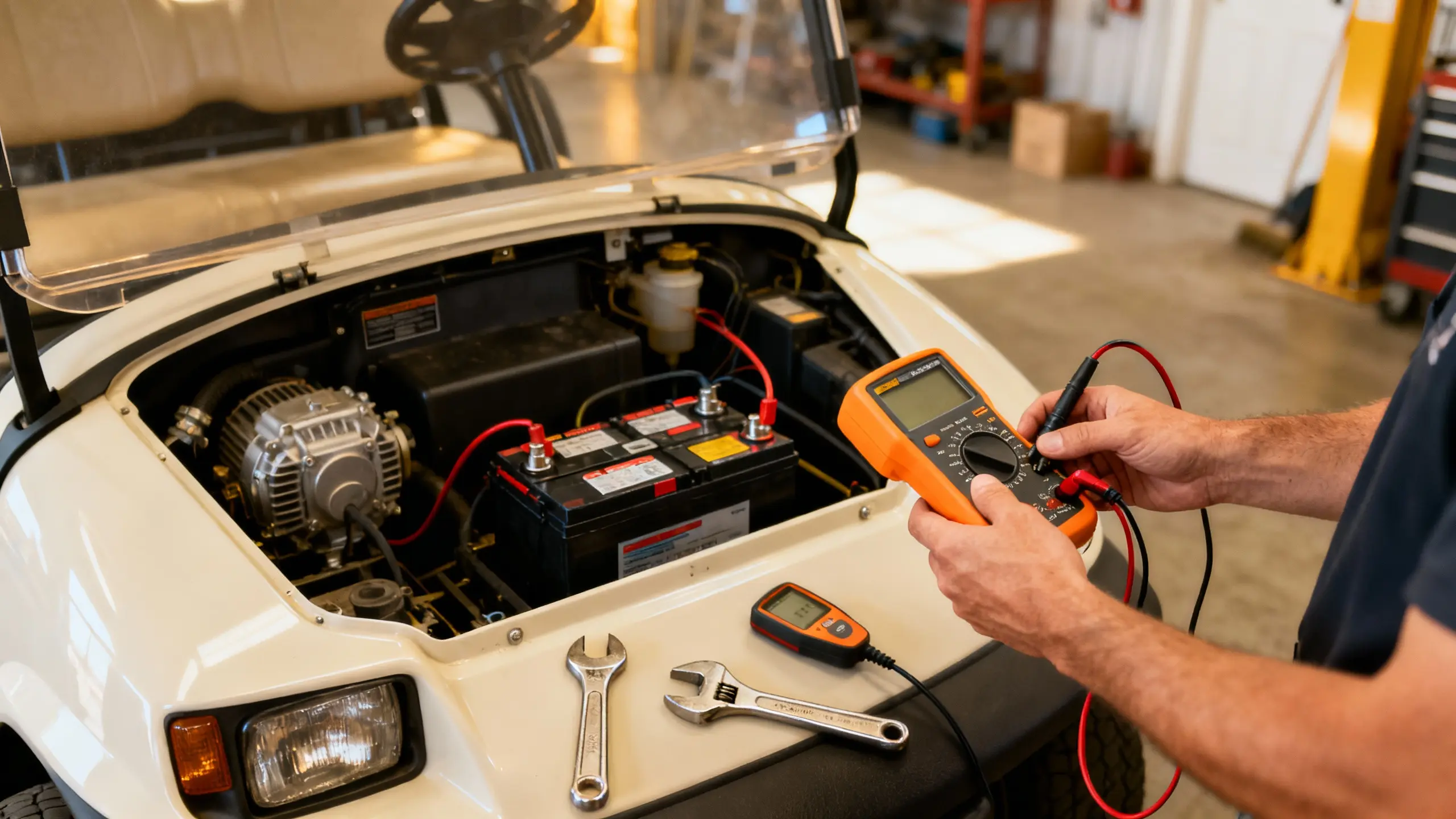
Use a voltmeter. Test each battery. A healthy battery shows correct voltage. Consult your manual. It lists expected readings. Low voltage signals a problem.Inspecting Battery Terminals
Look for corrosion. White or blue powder appears. This hinders conductivity. Clean terminals regularly. Use a wire brush. Apply terminal protector. This prevents future buildup.Water Levels And Electrolyte
Check the water level. Some batteries need distilled water. Do not overfill them. The electrolyte covers the plates. Low levels damage plates. This shortens battery life.Proper Charging Procedures
Charge batteries fully. Use the correct charger. Do not overcharge batteries. Follow manufacturer guidelines. Charge after every use. This maximizes battery lifespan.Signs Of Battery Failure
Batteries lose power quickly. They do not hold a charge. The cart runs slower. You hear strange noises. These are warning signs. Replace failing batteries promptly.Motor And Controller Checks
Your Yamaha electric golf cart’s motor and controller are its heart. They work together to make it move. Problems here stop your cart. These checks help find the root cause. We will guide you through this.Identifying Motor Issues
Listen for strange motor noises. Grinding sounds signal trouble. A humming noise can mean a bad connection. The motor may also get very hot. This indicates internal damage. Smoke from the motor is a serious sign. It means a complete failure.Controller Error Codes
Your controller might show error codes. Check your cart’s manual. It lists what each code means. This helps pinpoint the problem fast. A flashing light often signals an error. Note the pattern of the flashes. This pattern is the code.Wiring And Connections
Inspect all motor wiring. Look for loose or frayed wires. Corroded terminals cause issues. Clean them with a wire brush. Ensure all connections are secure. Bad grounds stop the cart. Check the main power cables.Testing The Solenoid
The solenoid is a switch. It controls power to the motor. Test it for proper function. A clicking sound means it works. No click indicates a problem. You may need a multimeter. Test for voltage across terminals.Brushless Vs. Brushed Motors
Understand your motor type. Brushless motors are more advanced. They have no brushes to wear out. Brushed motors have carbon brushes. These brushes wear down over time. Worn brushes cause motor failure. Check brush condition on brushed motors. `
Credit: golfcartstuff.com
Brake System Maintenance
Your Yamaha electric golf cart’s brakes are vital. Proper brake maintenance keeps you safe. It prevents costly repairs too. Regular checks are essential. This section guides you. We will cover key brake system tasks.
Inspecting Brake Pads
Worn brake pads stop poorly. Remove the wheels. Look at the brake pads. See how thick they are. Replace them if they are thin. New pads are crucial for stopping. This is a simple check.
Adjusting Brake Cables
Loose brake cables cause drag. They also reduce stopping power. Find the brake cables. There is usually an adjustment nut. Tighten it carefully. Test the brakes after adjusting. They should feel firm. Not too tight, not too loose.
Checking The Brake Drum
The brake drum can wear down. Inspect its surface. Look for scoring or damage. A damaged drum affects braking. Clean any dust or debris. Replace the drum if it is worn. This ensures smooth operation.
Hydraulic Brake Fluid (if Applicable)
Some carts use hydraulic brakes. Check the brake fluid level. Locate the master cylinder. The fluid reservoir is there. Ensure the fluid is between the marks. Low fluid means leaks. Add the correct fluid type. Bleed the system if needed. This removes air bubbles.
Troubleshooting Specific Models
Troubleshooting your Yamaha electric golf cart can be simple. Specific models have unique needs. Understanding these differences helps you fix problems faster. We will look at common issues for each type. This guide makes repairs easier.
Drive Models
Yamaha Drive models are popular. Sometimes, they lose power. Check the battery connections first. Loose wires cause many problems. Ensure the charger is working correctly. The forward/reverse switch can also fail. Listen for any clicking sounds. This might indicate a switch issue.
Fleet Models
Fleet models see heavy use. Durability is key. Common issues include brake problems. Inspect brake pads for wear. The accelerator pedal might feel sticky. Lubricate the pedal mechanism. Battery life can decrease over time. Regular charging is vital. Clean battery terminals often.
Custom Models
Custom Yamaha carts are unique. Modifications can cause issues. Check all added components. Wiring for accessories needs attention. Ensure lights and sound systems work. Suspension upgrades may need adjustment. Consult your customizer for specific advice. These carts are special. They need tailored care.
Credit: golfcartsearch.com
When To Call A Professional
Simple issues may arise with your Yamaha electric golf cart. Persistent problems or electrical faults signal it is time for expert help. A professional ensures safe and correct repairs.
When should you stop tinkering? Sometimes, a golf cart problem needs an expert touch. You can fix simple things. But some issues are beyond DIY. Knowing your limits saves time and money. It also keeps you safe.Complex Electrical Issues
Your Yamaha cart has many wires. Troubleshooting them is hard. A small spark can cause big problems. You might damage expensive parts. A professional understands the wiring diagrams. They can trace faults quickly. They know how the system works.Safety Concerns
Electricity is dangerous. Working with it improperly is risky. You could get a shock. Faulty wiring can cause fires. Your golf cart’s safety is paramount. Let a certified technician handle it. They have the right training. They know safety protocols.Specialized Tools Needed
Some repairs require special tools. You might not have them. A multimeter is one example. A diagnostic scanner is another. Professionals invest in these tools. They use them every day. They can pinpoint issues precisely. This saves you frustration.Frequently Asked Questions
Why Is My Yamaha Golf Cart Not Moving?
Check the battery charge first. Ensure the key is in the “on” position. Verify the parking brake is released.
What If My Yamaha Cart Won’t Charge?
Inspect the charging cable for damage. Clean the charging port contacts. Test the charger with another cart if possible.
How To Fix A Slow Yamaha Golf Cart?
Ensure tires are properly inflated. Check for any drag or resistance. A battery issue could also cause slowness.
Why Does My Cart Jerk Or Hesitate?
Loose connections can cause this. Inspect battery terminals for corrosion. A faulty controller might be the problem.
What To Do About A Clicking Sound?
This often means low battery power. The solenoid might be engaging. It could also indicate a motor issue.
My Lights Aren’t Working, What Now?
Check the light bulbs for burnout. Examine the fuse for the lights. Ensure the battery has sufficient power.
How To Reset A Yamaha Electric Cart?
Disconnect the battery for a few minutes. Reconnect the battery terminals securely. This can sometimes clear electronic glitches.
Conclusion
Keep your Yamaha electric golf cart running smoothly. Simple checks solve many issues. Consult your manual for details. Don’t ignore strange noises. Regular maintenance prevents big problems. Enjoy your ride. Troubleshooting can be straightforward. Get back on the course. Your cart will thank you.