
Is your car’s brake pedal feeling spongy or hard to push? That’s a sure sign your hydroboost brake system might be acting up.
Don’t ignore these warnings – your safety depends on reliable brakes. This guide will help you pinpoint common hydroboost problems and understand what needs fixing. Keep reading to get your braking power back.
The Heart Of Your Brakes
Your vehicle’s braking system is critical. It keeps you safe. Many cars use a special power booster. This booster helps you stop quickly. It’s called the Hydroboost system. Understanding it is important. This system is the heart of your brakes.
What Is A Hydroboost System?
A Hydroboost system is a brake booster. It uses hydraulic pressure. This pressure comes from the power steering pump. It amplifies your braking force. This makes stopping easier. It’s common in many trucks and SUVs. It provides strong braking power. It’s a reliable system.
How Hydroboost Works
The power steering pump creates pressure. This fluid flows to the Hydroboost unit. When you press the brake pedal, a valve opens. This valve directs fluid. The fluid pushes a diaphragm. This push assists your brake master cylinder. More assist means easier braking. Less pedal effort is needed. Fluid returns to the reservoir. This cycle repeats with each brake press.

Credit: www.brakeandfrontend.com
Signs Of Trouble
Your car’s brakes are vital. A healthy brake system keeps you safe. Listen to your brakes. Watch for warning signs. Trouble is often clear. These signs tell you something is wrong. Act quickly when you see them.
Spongy Brake Pedal
Your brake pedal feels soft. It sinks toward the floor. This is not good. It means air is in the lines. Air compresses easily. This reduces braking power. A spongy pedal is dangerous.
Hard Brake Pedal
Your brake pedal is stiff. It takes much effort to press. This is also a problem. The power assist is not working. This could be the hydroboost unit. Or it could be a vacuum issue. Braking becomes difficult. You need more force.
Brake System Noises
You hear strange sounds. Grinding is a bad sign. Squealing means worn parts. A hissing sound is common. This often points to a leak. It could be air or fluid. Listen for any unusual noises.
Brake Fluid Leaks
You see fluid under your car. Brake fluid is usually clear. It may have a slight color. Leaking fluid is serious. Low fluid means less braking. Find the leak’s source quickly. It could be a hose or seal.
Loss Of Power Assist
Braking feels very heavy. You must push hard. The booster is not helping. This is a major issue. The hydroboost system has failed. This affects your stopping distance. Get it checked right away.
Common Hydroboost Problems
Your hydroboost brake system provides crucial stopping power. Problems can arise. Understanding common issues helps you fix them. This section explores frequent hydroboost failures. It guides you through troubleshooting steps.
Leaking Seals
Leaking seals are a common problem. Fluid escapes from the unit. You might see puddles. Brake feel becomes soft. Inspect the hydroboost unit carefully. Look for wet spots. Replace any damaged seals. This restores proper function.
Faulty Hydroboost Unit
The hydroboost unit itself can fail. Internal components wear out. This affects brake assist. Pedal pressure feels inconsistent. You may hear strange noises. A failing unit needs replacement. This is a significant repair. Professional help is often best.
Low Power Steering Fluid
Power steering fluid is vital. Low fluid levels cause issues. The brake assist weakens. Your steering might also feel heavy. Check the fluid reservoir regularly. Top it off if needed. Find and fix any leaks. This prevents further damage.
Air In The System
Air can enter the system. This happens during repairs. Air creates a spongy pedal feel. You might hear a whining noise. Bleeding the system removes air. Follow proper bleeding procedures. This restores firm brake pedal feel.
Damaged Hoses Or Lines
Hoses and lines carry fluid. They can become cracked or kinked. Fluid leaks can occur. Brake assist may be reduced. Inspect all hoses and lines. Look for any visible damage. Replace damaged parts immediately. This ensures safe operation.
Worn Master Cylinder
The master cylinder works with hydroboost. It converts pedal force. A worn master cylinder fails. Brake fluid can leak internally. Pedal feel becomes very soft. The car may not stop well. Replace a worn master cylinder. This is a critical safety component.

Credit: www.speedwaymotors.com
Troubleshooting Steps
Troubleshooting your Hydroboost brake system is straightforward. Check for fluid leaks first. Then, inspect the power steering pump. Listen for unusual noises.
Troubleshooting a hydroboost brake system can seem daunting. But breaking it down makes it manageable. Follow these steps. You can pinpoint the problem. Don’t guess. Diagnose it.Inspect Fluid Levels
Check the brake fluid reservoir. Is it full? Low fluid causes issues. Add the correct fluid type. Ensure it is not overfilled.Check For Leaks
Look for wet spots. Check all brake lines. Inspect the master cylinder. Look under the vehicle. Fluid leaks are serious.Listen For Noises
Start the engine. Listen for strange sounds. Is there a whining noise? Does it happen when you brake? Noises give clues.Test Brake Pedal Feel
Press the brake pedal. Does it feel spongy? Is it too hard to push? Pedal feel is important. It tells you much.Examine Hoses And Lines
Look at rubber hoses. Are they cracked or swollen? Check metal lines for damage. Kinks restrict fluid flow.Test The Hydroboost Unit
This unit amplifies braking. A faulty unit causes problems. Test its operation carefully. This requires specific knowledge. Consult a professional if unsure.Fixing Specific Issues
Your hydroboost brake system can develop problems. These issues need attention. We will cover common fixes. This helps you get back on the road. We will tackle specific parts. Troubleshooting is key. Let’s dive in.
Replacing Leaking Seals
Leaking seals cause fluid loss. This reduces braking power. You must replace them. First, locate the leak. It might be at the pump. It could be at the master cylinder. Carefully remove the old seal. Clean the area thoroughly. Install the new seal. Ensure a snug fit. Top off brake fluid. Check for leaks again.
Repairing Or Replacing The Hydroboost Unit
The hydroboost unit is vital. A faulty unit means no assist. You might hear noises. You may feel a spongy pedal. Sometimes, you can repair it. This involves internal seals. Replacement is often easier. Disconnect lines carefully. Remove the old unit. Install the new one. Reconnect all lines securely. Bleed the system afterward.
Bleeding The Brake System
Air in the lines is bad. It makes the pedal feel soft. Bleeding removes this air. You need a helper. One person pumps the pedal. The other opens the bleeder valve. Fluid and air escape. Close the valve before releasing. Repeat at each wheel. Check fluid level often. A firm pedal means success.
Replacing Damaged Hoses
Hoses carry brake fluid. Damage leads to leaks. Inspect all brake hoses. Look for cracks or bulges. Replace any damaged hoses. Use the correct replacement part. Disconnect the old hose. Install the new hose. Tighten fittings securely. Do not overtighten them. Bleed the system after this.
Servicing The Master Cylinder
The master cylinder is the heart. It pushes fluid to the wheels. Leaks can occur here. The seals can wear out. You might need to rebuild it. Often, replacement is simpler. Remove the old cylinder. Install a new one. Reconnect brake lines carefully. Fill the reservoir with fluid. Bleeding is essential now. Test your brakes thoroughly.
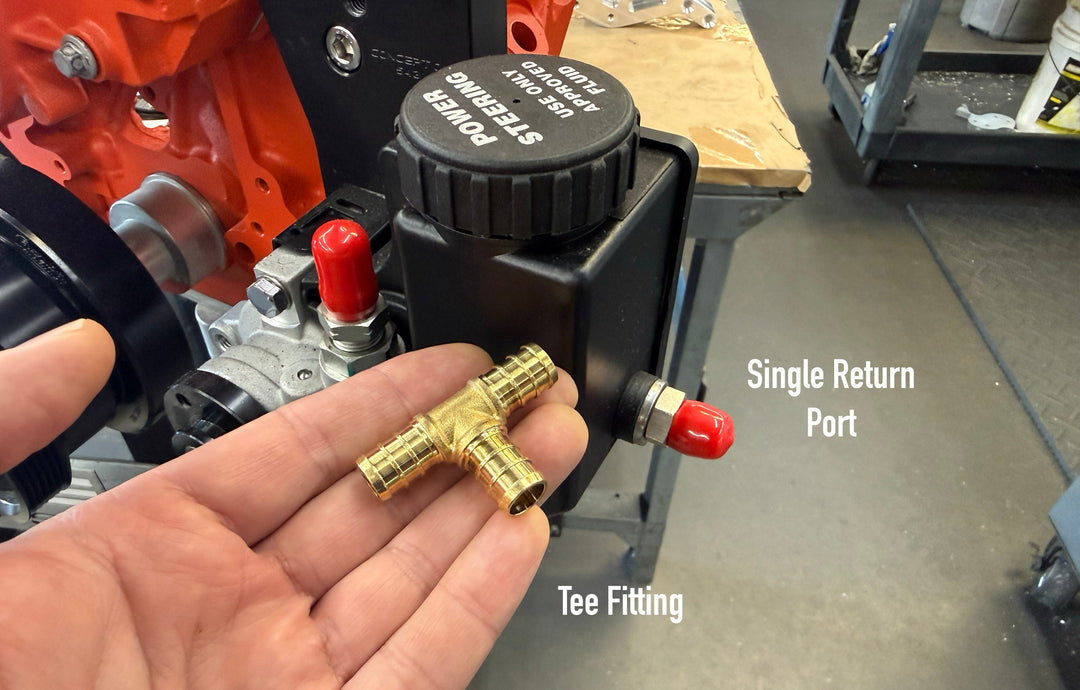
Credit: www.c1pulleys.com
Preventative Maintenance
Preventative maintenance keeps your hydroboost brakes working well. It stops problems before they start. This saves you money. It keeps you safe on the road.
Regular Fluid Checks
Brake fluid is crucial. Low fluid means trouble. Check the fluid level often. The reservoir is usually clear. Look for the MAX and MIN lines. Top it off if it’s low. Use the correct brake fluid type. Your owner’s manual tells you which. Old fluid loses its power. It can damage parts. Change it as recommended.
Hose Inspection Schedule
Brake hoses carry fluid. They must be in good shape. Inspect hoses for cracks. Look for leaks or bulges. Check for any wear. Squeeze them gently. They should feel firm. Damaged hoses are dangerous. Replace them right away. Make this a regular check. Do it every few months. A visual inspection is key.
Professional System Flushes
Brake fluid gets dirty. It absorbs moisture over time. This hurts brake performance. A professional flush removes old fluid. New fluid goes into the system. This keeps components clean. It prevents corrosion inside. Schedule this service regularly. Your mechanic can advise you. It is a vital step.
Frequently Asked Questions
What Is A Hydroboost Brake System?
This system uses power steering fluid. It helps your brakes work better. It’s found in many trucks and SUVs.
Why Are My Hydroboost Brakes Hard?
A fluid leak is a common cause. The pump might also be failing. Check the fluid level and look for leaks.
Can Hydroboost Brakes Fail Suddenly?
Yes, they can. A sudden leak or pump failure can happen. This makes the brake pedal feel stiff.
How Do I Test A Hydroboost Unit?
Check fluid levels first. Look for any visible leaks. Listen for unusual noises from the pump.
What Fluid Does A Hydroboost Use?
It uses power steering fluid. Always use the correct type. Consult your vehicle’s manual for specifics.
How Long Do Hydroboost Brakes Last?
They can last many years. Regular maintenance is key. Keep the fluid clean and full.
Is Hydroboost Better Than Vacuum Assist?
Hydroboost offers more power. It works well with diesel engines. It can provide stronger braking force.
Conclusion
Your Hydroboost brake system needs attention. Listen for strange noises. Feel for a soft pedal. Check for leaks carefully. These signs point to trouble. Addressing issues early saves money. Proper maintenance keeps you safe. Get your brakes checked soon. Driving safely is important.