
The Simpson Cleaning PS60869 PowerShot 4000 is a robust pressure washer designed for demanding cleaning tasks. However, like any piece of machinery, it can encounter issues. Understanding common troubleshooting steps for the PS60869 can save you time, money, and frustration, ensuring your equipment performs at its peak when you need it most.
From starting problems to pressure inconsistencies, this guide will walk you through diagnosing and resolving the most frequent challenges faced by owners of this powerful unit.
Key Takeaways
- Engine Won’t Start: Check fuel, spark plug, oil level, and air filter. Ensure the water is connected and the spray gun is engaged correctly.
- Low Pressure: Inspect the water inlet filter, nozzle for clogs, garden hose for kinks, and pump for air. Consider using a shorter, larger diameter garden hose.
- Engine Starts but Shuts Off: This often points to fuel contamination, overheating, or a blocked air filter. Ensure proper ventilation.
- Water Leaks: Examine O-rings, hose connections, and the pump seals. Tighten fittings or replace damaged components.
- Vibrations or Unusual Noises: Look for loose parts, damaged pump components, or an unbalanced engine.
- Detergent Not Dispensing: Ensure the siphon tube is submerged, the filter is clean, and the detergent reservoir is full. Check for blockages in the detergent nozzle.
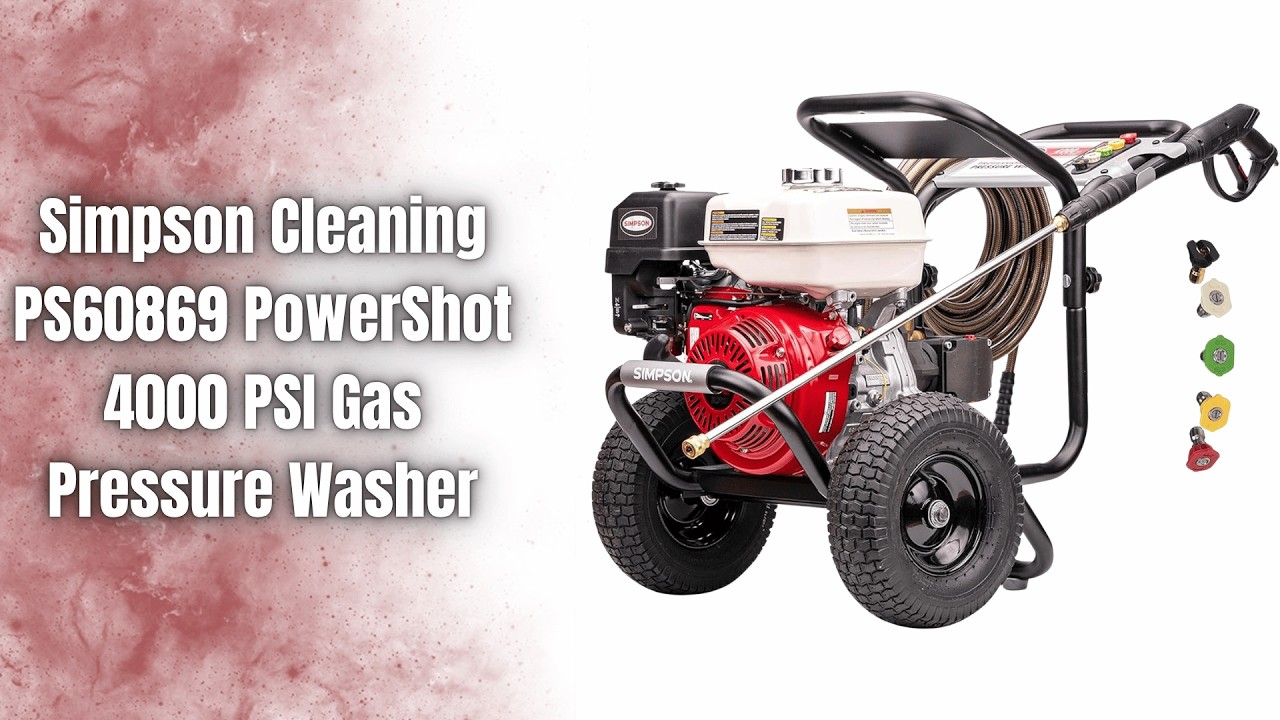
Credit: www.uk-66.co.jp
Common Simpson Cleaning Ps60869 Powershot 4000 Issues And Solutions
The Simpson Cleaning PS60869 PowerShot 4000 is a high-performance pressure washer, and while generally reliable, users may encounter a range of operational hiccups. Addressing these problems promptly and correctly ensures the longevity and efficiency of your equipment. This guide focuses on practical, step-by-step troubleshooting for the most prevalent issues.

Credit: www.uk-66.co.jp
Engine Won’t Start
One of the most frustrating problems is when your pressure washer refuses to start. Several factors can contribute to this, ranging from simple fuel issues to more complex mechanical problems.
Fuel And Ignition System Checks
The first and most crucial step is to ensure the engine has adequate fuel.
- Fuel Level: Verify the fuel tank is not empty. If it is, fill it with fresh, unleaded gasoline. Avoid using old fuel, as it can degrade and cause starting problems. For optimal performance, use gasoline with an octane rating of 87 or higher.
- Fuel Quality: Stale fuel is a common culprit. If the fuel has been sitting for more than 30 days, it’s advisable to drain the tank and refill it with fresh gasoline. You can also use a fuel stabilizer additive to prevent degradation if you don’t use the pressure washer frequently.
- Spark Plug: A dirty or fouled spark plug can prevent ignition. Remove the spark plug using a spark plug wrench. Inspect it for carbon buildup, oil, or damage. If it appears dirty, clean it with a wire brush and ensure the gap is set correctly (refer to your owner’s manual for the specific gap). If the plug is damaged or heavily fouled, replace it with a new one of the correct type.
- Spark Plug Wire: Ensure the spark plug wire is securely attached to the spark plug. A loose connection will prevent the spark from reaching the plug.
Oil Level And Other Basic Checks
The engine’s lubrication system is vital for its operation.
- Oil Level: Most gasoline engines require oil to function. Check the oil level using the dipstick. If the oil is low, add the recommended type and amount of oil as specified in the PS60869’s manual. Never operate the engine with insufficient oil, as this can lead to severe damage.
- Choke Operation: If your engine has a choke, ensure it is functioning correctly. The choke enriches the fuel-air mixture for starting a cold engine. Move the choke lever to the “start” or “choke” position when the engine is cold. Once the engine starts, gradually move the choke to the “run” position as the engine warms up.
- Primer Bulb: Some models feature a primer bulb. Press the primer bulb several times (usually 3-5) until you see fuel circulating in it. This helps draw fuel into the carburetor for easier starting.
- On/Off Switch: Confirm that the engine’s on/off switch is in the “on” position. It might seem obvious, but it’s an easy oversight.
Water Supply And Load Issues
Pressure washer engines are designed to operate under a specific load, which includes the resistance from the pump.
- Water Connected: Ensure the garden hose is securely connected to the water inlet and that the water supply is turned on fully. The pump needs water to operate; running it dry can cause damage.
- Spray Gun Engagement: Before starting the engine, squeeze the trigger on the spray gun. This releases any residual pressure in the system and ensures the unloader valve is in the correct position for starting. Some engines have a safety feature that prevents them from starting if the trigger isn’t engaged.
Air Filter And Carburetor
A clogged air filter can starve the engine of air, making it difficult or impossible to start.
- Air Filter: Locate the air filter housing. Remove the cover and inspect the air filter. If it is dirty or clogged with debris, clean or replace it according to the manufacturer’s instructions. A dirty air filter significantly restricts airflow, leading to poor performance and starting issues.
- Carburetor: If basic checks don’t resolve the starting issue, the carburetor might be the problem. It could be clogged with debris or gummed up from stale fuel. Cleaning a carburetor can be a complex task and may require professional assistance if you’re not familiar with small engine repair.
Low Pressure Or No Pressure
Experiencing reduced cleaning power or no pressure at all can significantly hinder your work. This issue often relates to the water supply, the pump, or the nozzle.
Water Inlet And Hose Restrictions
The volume and pressure of water entering the pump are critical.
- Garden Hose: Use a high-quality garden hose that is at least 50 feet long and 5/8 inch in diameter. Shorter or narrower hoses can restrict water flow, leading to low pressure. Ensure the hose is not kinked or damaged.
- Water Supply: Make sure your outdoor faucet is turned on to its maximum capacity. Low household water pressure will directly translate to low pressure from the washer.
- Water Inlet Filter: Most pressure washers have a filter screen at the water inlet to prevent debris from entering the pump. This filter can become clogged over time. Disconnect the garden hose, remove the filter screen, and clean it thoroughly under running water. Rinse away any debris. A clean inlet filter is essential for optimal water flow.
Nozzle And Spray Gun Issues
The nozzle is responsible for creating the high-pressure spray.
- Clogged Nozzle: The most common cause of low pressure is a clogged spray nozzle. Tiny particles of dirt or mineral deposits can obstruct the orifice. Remove the nozzle from the spray gun and inspect it. Use a thin wire or a toothpick to clear any debris from the nozzle’s opening. Rinse it thoroughly.
- Incorrect Nozzle: Ensure you are using the correct nozzle for the task. Different colored nozzles have different spray patterns and flow rates. A nozzle with a wider spray angle (e.g., 40-degree or 65-degree) will produce less pressure than a 0-degree or 15-degree nozzle. Refer to your manual for recommended nozzles.
- Spray Gun Trigger: Make sure the spray gun trigger is fully engaged. If the trigger mechanism is faulty or not fully depressed, it can restrict flow.
Pump And Unloader Valve Problems
The pump is the heart of the pressure washer, and the unloader valve regulates pressure.
- Pump Air Lock: If the pump has run dry or been disconnected from water, it may develop an air lock. To clear it, ensure the water supply is on, disconnect the high-pressure hose from the pump outlet, and squeeze the spray gun trigger for about 30-60 seconds. This allows air and any trapped water to be expelled. Once a steady stream of water emerges, reconnect the high-pressure hose.
- Unloader Valve: The unloader valve diverts water flow when the trigger is released and regulates pressure. If it’s malfunctioning, it can lead to low pressure. Sometimes, debris can cause it to stick. While cleaning the unloader valve is possible, it’s often a component that may need replacement if faulty.
- Pump Seals: Worn or damaged pump seals can cause internal leaks, resulting in pressure loss. This is a more serious issue that typically requires professional repair or pump replacement.
Thermal Overload Protector (if Applicable)
Some pressure washer engines have a thermal overload protector that can shut down the engine if it overheats. If the engine starts but then immediately loses power or shuts off, this could be a sign of overheating, often exacerbated by low water flow or an excessively hot environment.
Ensure adequate water supply and allow the unit to cool if it has shut down.

Credit: boxesandarrows.com
Engine Starts But Shuts Off Or Stalls
This issue is distinct from an engine that won’t start at all. Here, the engine fires up but then dies, often shortly after.
Fuel System Contamination
Stale fuel or contaminants in the fuel system are frequent causes.
- Old Fuel: As mentioned earlier, fuel degrades over time. If the fuel in the tank is old (more than 30 days), it can cause the engine to run poorly and stall. Drain the tank and refill with fresh gasoline.
- Water in Fuel: Water in the fuel tank or carburetor can cause the engine to sputter and shut off. If you suspect water contamination, drain the fuel tank and carburetor bowl. Refill with fresh fuel.
- Fuel Filter: A clogged fuel filter can restrict fuel flow to the carburetor, leading to stalling. Locate and inspect the inline fuel filter (if equipped). Replace it if it appears dirty or clogged.
Air Intake Issues
An engine needs a precise mixture of fuel and air.
- Clogged Air Filter: A severely clogged air filter can starve the engine of air, causing it to stall, especially under load. Inspect and clean or replace the air filter as needed.
- Blocked Air Intake: Ensure the air intake screen on the engine is not blocked by debris, grass clippings, or dirt.
Overheating
Engines can overheat if they are not properly cooled or are working too hard.
- Low Water Flow: Insufficient water supply to the pump can cause the engine to overheat. Ensure the water inlet is unobstructed and the garden hose is adequate.
- Blocked Cooling Fins: The engine’s cooling fins can become clogged with dirt and debris, preventing proper heat dissipation. Clean the fins with a brush or compressed air.
- Prolonged Use: Running the pressure washer continuously for extended periods, especially in very hot weather, can lead to overheating. Allow the engine to cool down periodically.
Carburetor Problems
A dirty or malfunctioning carburetor is a common cause of stalling.
- Gummed-Up Carburetor: Residue from stale fuel can clog the small jets within the carburetor, disrupting the fuel-air mixture and causing the engine to stall. Cleaning the carburetor may resolve this.
- Incorrect Adjustment: If the carburetor has been adjusted improperly, it can lead to a lean or rich fuel mixture, causing the engine to run erratically and stall.
Water Leaks
Leaks can occur at various points in the pressure washer system, from hose connections to the pump itself.
Hose And Connection Leaks
The most common leaks occur at connection points.
- Garden Hose Connection: Ensure the garden hose is securely tightened to the water inlet. Check the rubber washer inside the hose fitting; if it’s missing, damaged, or worn, it can cause a leak.
- High-Pressure Hose: Inspect the high-pressure hose for any cracks, abrasions, or damage. Check the fittings at both ends. If the fittings are loose, try tightening them. If the hose itself is damaged, it needs to be replaced.
- Spray Gun and Wand Connections: Leaks can also occur where the high-pressure hose connects to the spray gun or where the wand attaches to the spray gun. Ensure these connections are tight and that O-rings or seals are present and in good condition.
Pump And Seal Leaks
Leaks from the pump itself are more serious and often indicate internal issues.
- Pump Seals: The seals within the pump are critical for preventing leaks. If these seals are worn or damaged, water can leak from the pump housing. This usually requires professional repair or pump replacement.
- Weep Holes: Some pumps have “weep holes” designed to allow a small amount of water to escape if the pump seals are starting to fail. A small drip from these holes is normal when the pump is running, but a steady stream indicates a problem.
Other Potential Leak Sources
- Detergent Siphon Tube: Ensure the detergent siphon tube is securely connected and not cracked.
- Thermodynamic Relief Valve: While less common, leaks can occur from this safety valve if it’s faulty or has debris lodged in it.
Excessive Vibrations Or Unusual Noises
Abnormal vibrations or noises can signal mechanical problems within the engine or pump.
Engine-related Issues
- Loose Components: Check for any loose engine mounts, shrouds, or accessories. Vibrations can cause these parts to loosen over time. Tighten any loose bolts or nuts.
- Engine Balance: While less common in consumer-grade engines, an internal imbalance could cause excessive vibration. This usually requires professional diagnosis.
- Exhaust System: Ensure the muffler and exhaust system are securely attached and not damaged.
Pump-related Issues
- Cavitation: If the pump is not receiving adequate water supply, it can cavitate, producing a distinct rattling or grinding noise. Ensure full water flow and that the inlet filter is clean.
- Bearing Failure: Worn or damaged bearings within the pump can cause grinding or squealing noises and increased vibration. This requires pump repair or replacement.
- Loose Pump Mounts: Ensure the pump is securely bolted to the engine or frame. Loose mounting can lead to significant vibration.
General Checks
- Unbalanced Accessories: Ensure no external accessories attached to the unit are causing imbalance.
- Tip Condition: While less likely to cause major vibration, a damaged or clogged nozzle can sometimes cause the spray to be uneven, leading to a feeling of vibration.
Detergent Not Dispensing
Using detergent can significantly enhance cleaning power, but if it’s not being siphoned correctly, your cleaning results will suffer.
Siphon Tube And Filter
The detergent system relies on a siphon tube and a filter.
- Siphon Tube Placement: Ensure the end of the detergent siphon tube is fully submerged in the detergent solution. If it’s not deep enough, it won’t draw the fluid.
- Siphon Filter: The siphon tube usually has a small filter at its end to prevent debris from entering the system. This filter can become clogged. Remove it and clean it thoroughly.
- Detergent Reservoir: Make sure the detergent reservoir is filled with an appropriate pressure washer detergent. Using the wrong type of cleaner can damage the system or cause poor performance.
Blockages In The System
The path from the reservoir to the nozzle needs to be clear.
- Detergent Nozzle: The low-pressure detergent nozzle (often a black nozzle tip) can become clogged with dried detergent residue. Remove and clean this nozzle.
- Internal Passages: Sometimes, the internal passages within the detergent injector or siphon system can become blocked. Flushing the system with clean water or a specialized cleaning solution might be necessary. Refer to your manual for instructions on flushing the detergent system.
Operating Mode
The pressure washer must be set to a low-pressure mode to draw detergent.
- Low-Pressure Setting: Detergent is typically injected only when the pressure washer is operating at low pressure. This usually involves using a specific detergent nozzle (often black) or adjusting a setting on the machine or spray gun. Ensure you are using the correct setting or nozzle for detergent application.
Maintenance For Prevention
Preventative maintenance is key to avoiding many of these troubleshooting scenarios. Regularly performing these tasks can keep your Simpson Cleaning PS60869 PowerShot 4000 running smoothly:
- After Each Use:
- Flush the system with clean water to remove detergent residue and debris.
- Relieve any residual pressure by squeezing the trigger.
- Disconnect hoses and store them properly.
- Wipe down the exterior.
- Regularly (Check Manual for Specific Intervals):
- Check and clean the air filter.
- Inspect and clean the water inlet filter.
- Check the oil level and condition; change oil as recommended.
- Inspect the spark plug.
- Check all hoses and connections for wear or damage.
- Drain fuel if storing for extended periods (more than 30 days).
By understanding these common issues and their solutions, you can maintain your Simpson Cleaning PS60869 PowerShot 4000 effectively and ensure it remains a reliable tool for all your cleaning needs. For complex issues or repairs beyond basic troubleshooting, always consult your owner’s manual or contact a qualified service technician.
Frequently Asked Questions
What Type Of Gasoline Should I Use In My Simpson Ps60869?
The Simpson Cleaning PS60869 PowerShot 4000 is designed to run on fresh, unleaded gasoline with an octane rating of 87 or higher. Always avoid using E15 or E85 gasoline, as these can damage the engine components. If the pressure washer will be stored for more than 30 days, it’s highly recommended to either add a fuel stabilizer to the tank or drain the fuel completely to prevent gumming and carburetor issues.
How Often Should I Change The Oil In My Simpson Ps60869?
Refer to your Simpson Cleaning PS60869 owner’s manual for the precise oil change interval, as it can vary slightly. Generally, for regular use, an oil change is recommended every 50-100 hours of operation, or at least once per year. If the pressure washer is used frequently in dusty conditions or under heavy load, more frequent oil changes may be beneficial. Always use the type and grade of oil specified in the manual, typically SAE 30 or 10W-30 for air-cooled engines.
My Simpson Ps60869 Is Vibrating Excessively. What Could Be Causing This?
Excessive vibration can stem from several sources. First, check for loose engine mounts, pump mounts, or external components like shrouds or guards; tighten any loose fasteners. Ensure the spray nozzle is clean and correctly seated, as an uneven spray pattern can sometimes contribute to perceived vibration. If the vibration is severe and accompanied by unusual noises, it might indicate an issue with the engine’s balance or internal pump components, such as worn bearings or cavitation. In such cases, it’s best to stop using the unit and consult the owner’s manual or a service professional.
Can I Use My Simpson Ps60869 In Freezing Temperatures?
No, you should never operate your Simpson Cleaning PS60869 PowerShot 4000 in freezing temperatures. Water inside the pump, hoses, and spray gun can freeze and expand, causing significant damage to the pump seals, housing, and other components. If the unit has been exposed to freezing temperatures, ensure it is completely thawed and all water is drained before attempting to start it. Proper storage in a climate-controlled environment during winter is crucial.
How Do I Properly Winterize My Simpson Ps60869?
Proper winterization is essential to protect your pressure washer from freeze damage. The process typically involves:
- Running the engine dry: Run the engine out of fuel until it stops.
- Flushing with water: Disconnect the garden hose and spray gun. Run the pump with water until no detergent or debris comes out.
- Adding pump protector/antifreeze: Connect a short piece of hose to the inlet and pour a pressure washer pump protector fluid (specifically designed for this purpose, often containing RV antifreeze) into the inlet. Squeeze the trigger on the spray gun to allow the fluid to circulate through the pump. This displaces any remaining water and provides freeze protection.
- Storing: Store the pressure washer in a clean, dry, and protected area, ideally above freezing temperatures. Disconnect all hoses and store them separately.
Proper storage and maintenance are crucial for the longevity of your Simpson Cleaning PS60869 PowerShot 4000. By following these troubleshooting and maintenance tips, you can ensure your pressure washer performs reliably for years to come.