
Is your Hisense refrigerator not cooling like it used to? You rely on it every day to keep your food fresh and your drinks cold.
When it stops working properly, it can throw your whole routine off balance. You might be wondering what’s causing the problem and how to fix it fast. Don’t worry—this article will help you understand the common reasons behind your fridge’s cooling issues and guide you through simple steps to get it back to normal.
Keep reading, and you’ll soon have your Hisense refrigerator working just like new again.

Credit: www.youtube.com
Common Causes Of Cooling Issues
Hisense refrigerators sometimes stop cooling properly. This can spoil food and cause inconvenience. Understanding common causes helps fix the problem faster. Many issues come from simple faults that you can check yourself.
Power Supply Problems
Check if the refrigerator is plugged in properly. A loose plug or power outage can stop cooling. Faulty wiring or a blown fuse may also cause power issues. Without electricity, the fridge cannot work at all.
Dirty Condenser Coils
Condenser coils release heat from the fridge. Dust and dirt can cover these coils. This makes the fridge work harder and cool less. Cleaning the coils regularly improves cooling and saves energy.
Faulty Thermostat
The thermostat controls the fridge temperature. If it breaks, the fridge may not cool enough. Sometimes the thermostat setting is wrong. Testing and replacing a faulty thermostat restores proper cooling.
Blocked Air Vents
Air vents let cold air flow inside the fridge. Blocked vents cause uneven cooling or no cooling. Food items or ice can block these vents. Clearing the vents allows cold air to circulate freely.
Malfunctioning Compressor
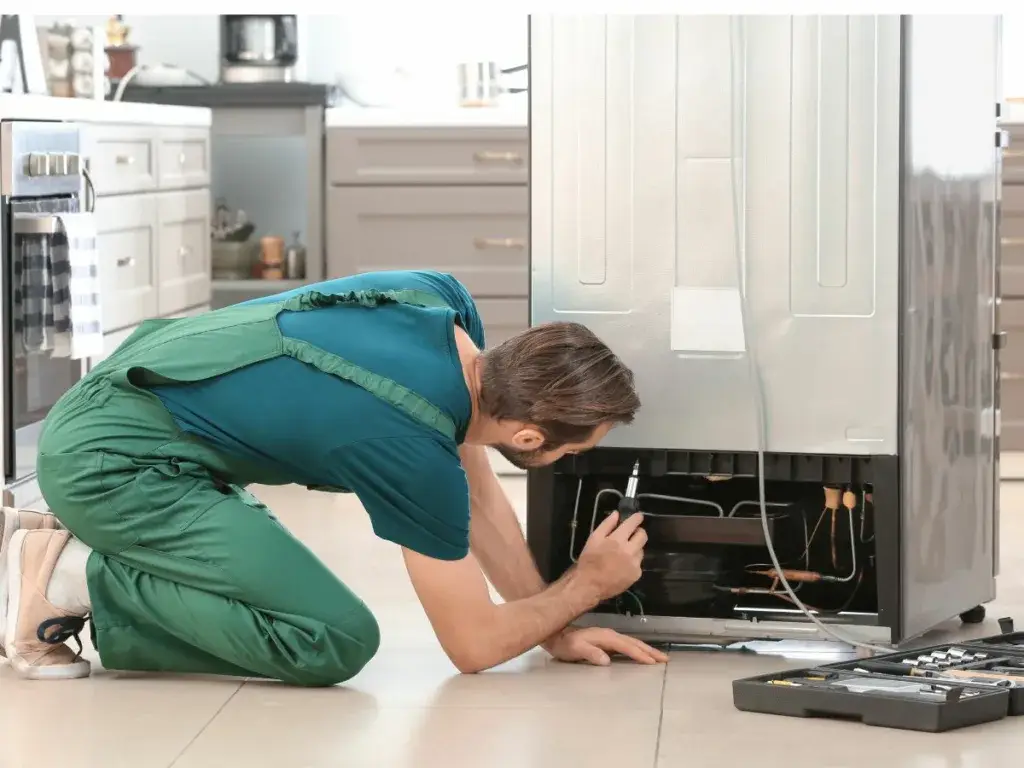
The compressor pumps refrigerant to cool the fridge. A broken compressor stops the cooling cycle. It may make strange noises or not run at all. Repairing or replacing the compressor fixes serious cooling problems.
Credit: www.smartappliance.co.za
Simple Troubleshooting Steps
Simple troubleshooting steps help fix a Hisense refrigerator that is not cooling. Many issues can be solved without calling a technician. Checking basic parts saves time and money.
Follow these easy steps to find the problem and try to fix it quickly.
Check The Power Connection
Make sure the refrigerator is plugged in securely. Check if the power outlet works by testing it with another device. Look for any damaged cords or loose connections. The fridge needs steady power to run properly.
Clean The Condenser Coils
Dust and dirt on the condenser coils reduce cooling. Find the coils at the back or under the fridge. Use a vacuum or brush to clean them gently. Clean coils help the fridge cool efficiently and save energy.
Adjust The Temperature Settings
Check the temperature control inside the fridge. It should be set between 35°F and 38°F for the fridge and 0°F for the freezer. Sometimes the settings change accidentally. Correct settings ensure the fridge cools well.
Clear Air Vents And Interior
Air needs to flow freely inside the fridge. Remove any items blocking the air vents. Arrange food and containers to avoid blocking airflow. Proper air circulation helps keep the fridge cold.
Inspect Door Seals
Door seals keep cold air inside. Check for cracks or dirt on the rubber gaskets. Clean the seals with warm water and soap. Replace seals if they are damaged. Tight seals improve cooling and reduce energy use.
When To Reset Your Refrigerator
Knowing when to reset your Hisense refrigerator can save time and avoid unnecessary repairs. Resetting can fix small glitches that affect cooling. It is useful when the fridge is not cooling properly but shows no other signs of damage. Resetting helps the refrigerator’s system refresh and start fresh.
Try resetting if the fridge is running but feels warm inside. Also, if you notice the temperature display acting strange or error codes appear, a reset might help. Avoid resetting too often as it does not fix all problems. Use it as a first step before calling a technician.
How To Perform A Reset
First, unplug the refrigerator from the power outlet. Leave it unplugged for five minutes to let the system power down. Plug it back in and wait for it to start up completely. Check if the cooling improves over the next few hours. Some models have a reset button or option in the settings. Consult your user manual for exact instructions.
Effects Of Resetting On Cooling
Resetting can clear minor electronic errors that block cooling. It helps the compressor and fans restart their normal function. Cooling may improve quickly after a reset. If the problem persists, resetting alone is not enough. It does not fix mechanical or refrigerant issues. Use resetting as a simple step to try before further troubleshooting.
Replacing Faulty Parts
Replacing faulty parts is a key step to fix a Hisense refrigerator that is not cooling properly. This process helps restore the fridge’s normal function and extends its life. Knowing which parts to replace and how to do it safely is important.
This section explains how to identify defective components, source genuine Hisense parts, and follow a clear replacement guide. Each step is designed to be simple and effective for anyone.
Identifying Defective Components
Start by checking common parts that cause cooling issues. Look at the thermostat, compressor, and condenser fan. Listen for unusual sounds or check if the fridge is running too long. These signs show parts might be broken.
Use a multimeter to test electrical parts for continuity. Inspect wiring for damage or loose connections. A faulty defrost timer or temperature sensor can also stop cooling. Identifying the right part saves time and money.
Sourcing Genuine Hisense Parts
Always choose genuine Hisense parts for replacements. These parts fit perfectly and last longer. Visit official Hisense stores or trusted online dealers. Avoid cheap, generic parts that can cause more damage.
Check the part number on your fridge manual or label. Compare it with the seller’s part number before buying. Genuine parts maintain your fridge’s warranty and performance.
Step-by-step Replacement Guide
Unplug the fridge before starting any repair. Safety first. Remove the back panel to access the faulty part. Use proper tools to avoid damage.
Carefully disconnect wires or screws holding the defective part. Install the new part by reversing the removal steps. Reconnect all wires firmly and replace the panel.
Plug the fridge back in and monitor its cooling. The new part should restore proper function. If problems remain, consider professional help.
Preventive Maintenance Tips
Keeping your Hisense refrigerator running well requires regular care. Small steps help avoid cooling problems. Following simple maintenance tips keeps the fridge efficient and reliable. These tips save money and reduce the need for repairs.
Regular Cleaning Schedule
Clean the fridge coils every three months. Dust and dirt block airflow and reduce cooling. Wipe down shelves and drawers weekly. Remove expired food to stop bad smells and mold. Clean door seals with warm water to keep them tight. A clean fridge cools better and lasts longer.
Proper Food Storage Practices
Store food in sealed containers to keep moisture out. Avoid placing hot food directly inside. Hot items raise the fridge temperature and strain cooling. Organize food to allow air to flow freely. Keep raw meat on lower shelves to prevent drips. Good storage helps maintain steady cooling.
Maintaining Optimal Temperature
Set the fridge temperature between 37°F and 40°F. Freezer should be around 0°F. Temperatures outside this range reduce efficiency and spoil food. Check the temperature with a fridge thermometer. Adjust settings if needed. Proper temperature keeps food fresh and saves energy.
Avoiding Overloading
Do not overload the fridge with too much food. Overcrowding blocks air vents and lowers cooling. Leave space between items for air circulation. A packed fridge works harder and uses more power. Keep the fridge organized to avoid overloading. This helps the fridge cool evenly and last longer.
When To Call A Professional
Knowing when to call a professional for your Hisense refrigerator saves time and money. Some problems are simple to fix. Others need expert skills and tools. Ignoring serious issues can cause more damage. This section explains signs of major problems and how to pick the right repair service.
Signs Of Serious Mechanical Issues
Your refrigerator not cooling might mean a big problem. Loud noises like buzzing or clicking can signal motor trouble. Frost buildup inside the freezer is a warning sign. Warm air inside means the compressor might fail. Water leaking under the fridge is not normal. If the fridge runs constantly without cooling, call a technician.
Choosing The Right Repair Service
Pick a repair service with experience in Hisense refrigerators. Check if they have good reviews from real customers. Make sure the technicians are certified and trained. Ask if they offer a warranty on their work. A reliable service explains the problem clearly and gives a fair price. Avoid services that rush the job or give vague answers.

Credit: www.reddit.com
Frequently Asked Questions
Why Is My Hisense Refrigerator Not Cooling Properly?
A dirty condenser coil or blocked vents can cause poor cooling. Check and clean these parts for better airflow.
How Can I Fix A Hisense Fridge That’s Warm Inside?
Make sure the door seals are tight and the fridge is not overloaded. Adjust the temperature settings if needed.
What Causes A Hisense Refrigerator To Stop Cooling Suddenly?
Power issues, a faulty compressor, or a broken thermostat can stop cooling. Call a technician if basic checks don’t help.
Can A Dirty Condenser Coil Affect Hisense Fridge Cooling?
Yes, dust on coils reduces cooling efficiency. Clean the coils regularly with a soft brush or vacuum.
How Long Does It Take For Hisense Fridge To Cool After Power Loss?
It usually takes 4 to 6 hours to return to proper cooling. Avoid opening the door too often during this time.
Why Is My Hisense Freezer Cold But Fridge Section Not Cooling?
This may indicate a problem with the damper or air circulation between sections. Check for blockages or call for service.
Is A Faulty Thermostat Why My Hisense Fridge Is Not Cooling?
A broken thermostat can stop the fridge from cooling. Testing or replacing it may fix the issue.
Can Overloading Cause Hisense Refrigerator Cooling Problems?
Overloading blocks air flow inside the fridge. Remove some items to allow cold air to circulate freely.
What Temperature Should Hisense Refrigerator Be Set To For Best Cooling?
Set the fridge temperature between 37°F and 40°F (3°C to 4°C) for optimal cooling and food safety.
When To Call A Professional For Hisense Fridge Not Cooling?
Call a technician if cleaning and basic fixes don’t work. Electrical or compressor problems need expert repair.
Conclusion
A Hisense refrigerator not cooling can cause real problems. Checking the power supply and temperature settings helps. Cleaning the condenser coils often improves cooling. Ensuring the door seals are tight stops cold air from escaping. Sometimes, defrosting the freezer solves the issue.
If problems continue, calling a professional is best. Regular maintenance keeps your fridge working well. Small steps can save big repair costs later. Stay calm and follow these simple tips. Your fridge will cool properly again soon.