
Is your flow motion sensor kitchen faucet acting up? Maybe it won’t turn on when you wave your hand, or it keeps dripping even after you move away.
These problems can be frustrating, especially when you rely on your faucet every day. But don’t worry—you don’t have to call a plumber just yet. You’ll discover simple, effective troubleshooting tips that can get your sensor faucet working smoothly again.
Keep reading to save time, avoid costly repairs, and enjoy the convenience your faucet is supposed to bring.
Common Flow Motion Sensor Issues
Flow motion sensor kitchen faucets offer convenience and hygiene. Sometimes, these faucets face common problems. Knowing these issues helps you fix them fast. It also prevents bigger damage and saves water.
Sensor Not Activating
The sensor may not detect your hand. Dirt or water spots on the sensor block signals. Low batteries or power issues can stop the sensor from working. Check the sensor surface for cleanliness. Replace batteries if the faucet uses them.
Water Flow Interruptions
Water flow may start and stop suddenly. This can happen if the sensor loses connection. Clogged filters or low water pressure can cause interruptions. Clean the faucet’s aerator and check water pressure. Ensure all connections are tight and secure.
Delayed Response Time
The faucet may take too long to start water flow. The sensor might be too far from your hand. Dirty sensors or weak batteries can slow response. Adjust your hand position closer to the sensor. Clean the sensor and replace batteries if needed.
Inconsistent Water Temperature
The water temperature may change unexpectedly. This can result from faulty temperature controls inside the faucet. Mixing valves might be dirty or damaged. Check and clean the valve for smooth operation. Replace broken parts to maintain steady temperature.
Basic Troubleshooting Steps
Troubleshooting a flow motion sensor kitchen faucet begins with simple checks. These basic steps can help fix common problems quickly. Follow each step carefully for best results.
Checking Power Supply
First, ensure the faucet has power. Check batteries or the electrical connection. Replace old batteries with new ones. Confirm the power source is working properly. Without power, the sensor won’t respond.
Inspecting The Sensor Lens
Look closely at the sensor lens. It must be clean and free of damage. Dirt or scratches can block the sensor’s view. Wipe the lens gently with a soft cloth. Avoid harsh cleaners that can harm the lens.
Resetting The Faucet
Try resetting the faucet to clear errors. Turn off the water supply. Remove the batteries or unplug the faucet. Wait about one minute. Reinstall power and turn on the water. This step can refresh the sensor system.
Cleaning The Sensor And Aerator
Mineral buildup often causes sensor issues. Clean the sensor area with a soft brush. Remove the aerator and soak it in vinegar. Rinse both parts well before reattaching. Clean parts improve water flow and sensor function.
Advanced Fixes
Advanced fixes for Flow Motion Sensor Kitchen Faucets require careful steps. These solutions help solve deeper problems beyond basic troubleshooting. Follow each step carefully to avoid damage.
Replacing The Batteries
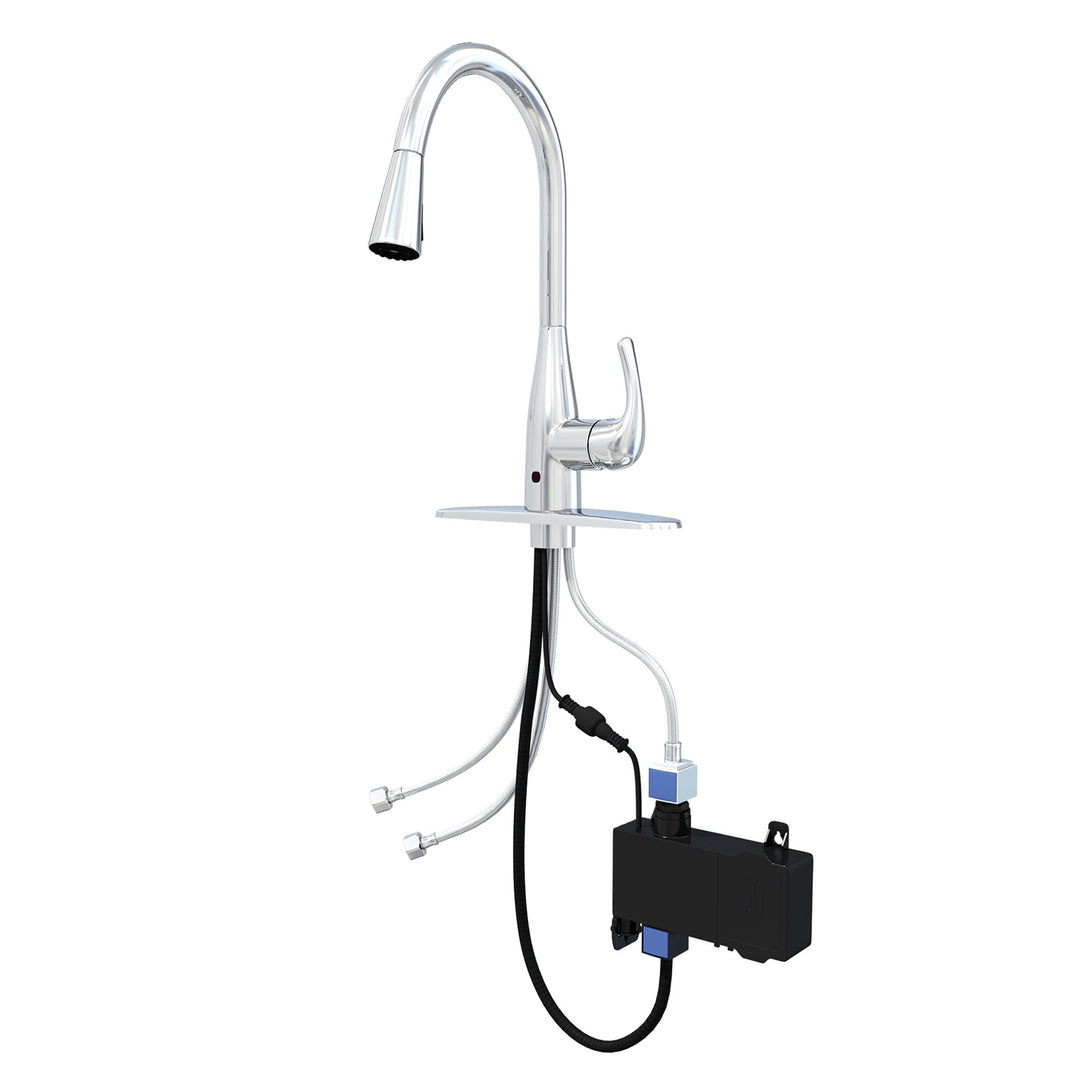
Weak batteries often cause sensor failures. Find the battery compartment under the faucet or inside the control box. Remove old batteries and insert new ones. Use batteries recommended by the manufacturer. Test the faucet after replacement to check if it works properly.
Adjusting Sensor Sensitivity
Sensors may not detect hand movements correctly. Adjust sensitivity settings to fix this. Locate the sensor adjustment knob or button. Turn the knob slowly to increase or decrease sensitivity. Test the sensor after each adjustment. Stop when the sensor responds well to your hand.
Fixing Wiring Issues
Loose or damaged wires cause sensor malfunctions. Turn off water and power before checking wires. Open the faucet’s control panel carefully. Look for loose, disconnected, or broken wires. Secure loose wires and replace damaged ones. Close the panel and test the faucet again.
Replacing Faulty Components
Some parts wear out over time. Common faulty parts include sensors, control modules, and solenoid valves. Order replacement parts from the manufacturer or trusted suppliers. Follow instructions to remove old parts and install new ones. Test the faucet to confirm the problem is fixed.
Credit: biobidet.com
Preventive Maintenance Tips
Preventive maintenance helps your flow motion sensor kitchen faucet work well for years. It stops common problems before they start. Small actions can save big repair costs later. Follow these simple tips to keep your faucet clean, safe, and lasting longer.
Regular Cleaning Schedule
Clean the faucet surface every week with a soft cloth. Use mild soap and water to remove dirt and grease. Avoid harsh chemicals that may damage the sensor or finish. Clean the sensor area gently to keep it responsive. Check for mineral buildup around the spout and aerator. Remove deposits with vinegar to maintain smooth water flow.
Avoiding Water Damage
Check faucet connections for leaks monthly. Tighten loose fittings to prevent water waste. Keep the area under the sink dry to avoid mold growth. Use drip trays if necessary to catch small leaks. Avoid letting water sit on the sensor or electronics. Water damage can cause sensor failure and costly repairs.
Proper Use To Extend Lifespan
Use the faucet sensor with clean hands only. Avoid pressing or hitting the sensor hard. Turn off water gently to protect internal parts. Do not hang heavy items on the faucet. Follow manufacturer instructions for any adjustments or repairs. Proper use helps the faucet last without frequent fixes.
When To Call A Professional
Knowing when to call a professional for your Flow Motion Sensor Kitchen Faucet can save time and avoid damage. Some problems need expert skills and tools. Trying to fix complex issues alone may worsen the situation.
Persistent Sensor Failures
Sensors should work smoothly after basic troubleshooting. If the faucet still fails to activate or shut off properly, it may need professional help. Persistent sensor issues often require detailed inspection and repair. Experts can test and replace faulty sensors safely.
Complex Electrical Problems
Sensor faucets rely on electrical components. Issues like wiring faults or power supply problems are not easy to fix. Professionals have the knowledge to handle electrical parts without risk. They ensure the faucet works properly and safely after repair.
Warranty And Service Support
Many Flow Motion faucets come with a warranty. Attempting repairs yourself may void it. Calling a professional ensures your warranty stays valid. Authorized technicians also offer service support and genuine parts. This protects your investment and keeps the faucet reliable.

Credit: biobidet.com
Credit: www.homedepot.com
Frequently Asked Questions
How Do I Reset A Flow Motion Sensor Kitchen Faucet?
To reset, turn off the water supply and power to the faucet. Wait 10 seconds, then turn both back on. This often clears sensor issues.
Why Is My Motion Sensor Faucet Not Turning On?
The sensor may be dirty or blocked. Clean the sensor lens gently with a soft cloth. Check the battery or power connection next.
How Can I Fix A Dripping Flow Motion Sensor Faucet?
Check for worn or damaged washers or seals inside the faucet. Replace any faulty parts. Also, ensure the faucet is fully closed.
What Causes A Flow Motion Sensor Faucet To Run Continuously?
A stuck sensor or faulty solenoid valve can cause this. Clean the sensor and test the valve. Replace parts if needed.
How Do I Change The Batteries In A Motion Sensor Kitchen Faucet?
Locate the battery compartment, usually under the sink or faucet base. Remove old batteries and insert new ones, matching polarity. Test the faucet after.
Can Water Pressure Affect My Sensor Faucet’s Performance?
Yes, low or high water pressure can cause sensor issues. Check your home’s water pressure and adjust it within the faucet’s recommended range.
Conclusion
Troubleshooting your Flow Motion sensor faucet can save time and money. Start by checking the batteries and sensor area for dirt. Clean the faucet regularly to avoid common issues. Make sure the water supply is turned on and pipes are clear.
Small fixes often solve most problems quickly. Keep this guide handy for easy reference. Your faucet will work smoothly again with simple care. Don’t ignore signs of trouble; act early to prevent bigger problems. Enjoy the convenience of your sensor faucet every day.