
Is your Bosch Dishwasher Silence Plus suddenly sounding louder than usual? You rely on this quiet appliance to keep your kitchen calm while it cleans, so any strange noise or performance issue can be frustrating.
Don’t worry—this guide will help you quickly troubleshoot common problems with your Bosch Silence Plus 44 dBA dishwasher. By understanding what’s causing the noise or malfunction, you can fix it yourself and get back to enjoying a peaceful, spotless kitchen.
Keep reading to discover simple tips and solutions that save you time and stress.
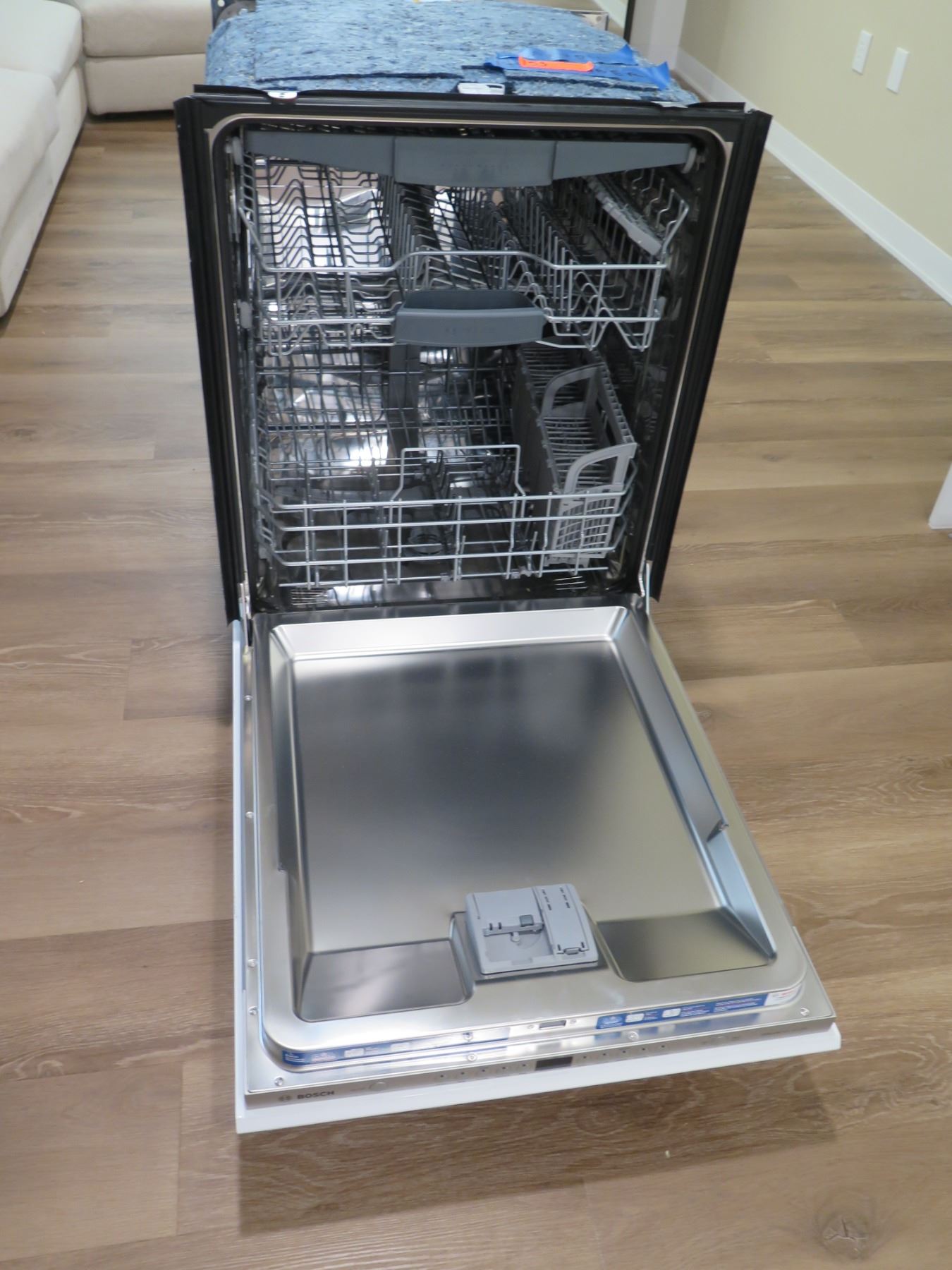
Credit: www.springcanyon.org
Common Noise Issues
Noise is a common concern with dishwashers. The Bosch Dishwasher Silence Plus 44 dBA model is known for quiet operation. Still, some sounds may seem unusual or troubling. Understanding common noise issues helps you decide if the machine works fine or needs fixing.
Noise can come from many parts like the motor, pump, or spray arms. Not every sound means a problem. Some noises are normal and part of the cleaning process. Others might signal a fault that requires attention.
Identifying Unusual Sounds
Unusual sounds are different from the usual hum of the dishwasher. Listen for loud grinding, banging, or screeching noises. These sounds may mean parts are loose or broken. Rattling noises can happen if dishes or utensils hit the spray arms. Sharp noises might indicate a problem with the pump or motor.
Normal Noise Levels Explained
The Bosch Silence Plus runs quietly at 44 dBA. This level is about as loud as a quiet library. You may hear a soft humming or water flowing during cycles. Occasional clicks or splashes are normal as the dishwasher works. These noises should not be sharp or very loud.
When Noise Indicates A Problem
Persistent loud noises often mean trouble. Grinding or scraping sounds could show a worn pump or motor issue. Continuous rattling might suggest loose items inside the dishwasher. Sudden loud bangs may be caused by broken spray arms or parts hitting each other. If noises stay loud, it is best to check the dishwasher soon.
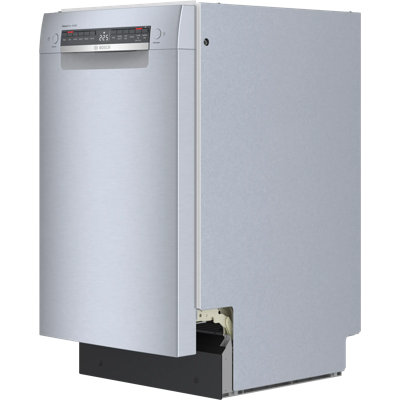
Credit: www.springcanyon.org
Checking Installation
Checking the installation of your Bosch Dishwasher Silence Plus 44 dBA is a key step in troubleshooting. A poorly installed dishwasher may cause noise, leaks, or poor cleaning. Proper installation ensures smooth operation and long life for your appliance.
Ensuring Proper Placement
Place the dishwasher in a spot that fits its size. Make sure it is not too tight or too loose. Avoid placing it near heat sources or water pipes. Proper placement helps reduce noise and vibration.
Leveling The Dishwasher
Check if the dishwasher sits flat on the floor. Use a level tool on the top edge. Adjust the feet to make the dishwasher even. An unlevel dishwasher can cause noise and door problems.
Inspecting Door Seals And Hinges
Look at the door seals for cracks or dirt. Clean or replace them if needed. Check the hinges to see if they move smoothly. Tighten loose screws to secure the door. A tight, sealed door stops water leaks and noise.
Cleaning And Maintenance
Keeping your Bosch Dishwasher Silence Plus 44 dBA clean helps it work better and last longer. Dirt and food bits can block parts. Regular cleaning and maintenance stop problems early. This section explains easy steps for cleaning and care.
Removing Food Debris
Start by removing large food pieces from the dishwasher. Check the bottom and corners where debris collects. Use a soft cloth or paper towel to wipe out scraps. Avoid sharp tools that can damage the surface. Cleaning food bits prevents clogs and bad smells.
Cleaning Filters And Spray Arms
Take out the filters carefully. Rinse them under warm water to clear grease and dirt. Use a soft brush to scrub stubborn particles. Spray arms also need cleaning. Remove them and rinse holes with water. Clear spray holes help water reach all dishes evenly.
Checking For Blockages
Look inside the dishwasher drain and hoses. Blockages can cause leaks or poor washing. Remove any visible debris or buildup. Run water through hoses to check flow. Clear paths ensure the dishwasher drains well and works quietly.

Credit: www.newlifebathrooms.com.au
Inspecting Mechanical Components
Checking the mechanical parts is key to fixing Bosch Dishwasher Silence Plus 44 dBA issues. These parts affect how well the dishwasher runs. Problems here can cause noise, leaks, or poor washing results.
Focus on the main moving parts. Look for damage, clogs, or worn-out pieces. Careful inspection helps spot small problems early. This can save time and avoid costly repairs later.
Examining The Pump And Motor
The pump and motor move water inside the dishwasher. Listen for strange noises while the dishwasher runs. Grinding or humming sounds may mean the motor has a problem.
Remove any debris blocking the pump area. Check for cracks or leaks around the motor. Test if the motor shaft spins freely by hand. Stiffness or resistance means it needs attention.
Testing The Drain Hose
The drain hose carries dirty water out of the dishwasher. Check for kinks or bends that block water flow. Remove the hose and flush it with water to clear clogs.
Ensure the hose connects tightly to the drain and dishwasher. Loose connections cause leaks or poor draining. Replace the hose if it shows cracks or holes.
Lubricating Moving Parts
Dry or stiff parts increase noise and wear. Apply a small amount of dishwasher-safe lubricant to moving parts. Focus on hinges, latches, and the pump shaft.
Do not over-lubricate. Too much oil can attract dirt and cause damage. Regular lubrication keeps parts moving smoothly and reduces noise.
Electrical Troubleshooting
Electrical issues can cause your Bosch Dishwasher Silence Plus 44 dBA to stop working properly. Understanding basic electrical troubleshooting helps fix common problems fast. This section guides you through simple steps to check and solve electrical faults safely.
Resetting The Dishwasher
Resetting can clear minor electrical glitches. To reset, turn off the dishwasher by pressing the power button. Wait for about 1 minute. Turn it back on and start a cycle. This simple step often solves small electrical errors.
Checking For Error Codes
The dishwasher shows error codes on its display. These codes help identify electrical problems. Look up the code in the user manual. Follow the suggested fixes carefully. Error codes save time by pointing out specific issues.
Inspecting Wiring And Connections
Loose or damaged wires cause electrical faults. Unplug the dishwasher before checking. Look behind the appliance for loose connections. Tighten any loose wires and replace damaged ones. Proper wiring ensures the dishwasher runs smoothly without errors.
When To Call A Technician
Knowing when to call a technician for your Bosch Dishwasher Silence Plus 44 dBA is important. Some problems need expert help to avoid damage. Small fixes you can do yourself. But serious issues require a skilled repair person. This saves time and money in the long run.
Signs Of Mechanical Failure
Listen for unusual noises during the wash cycle. Loud grinding or banging sounds mean parts may be broken. The dishwasher not draining water is another red flag. If dishes come out still dirty, the spray arms might be faulty. Leaks under the machine show seals or hoses could be damaged. These signs need professional attention quickly.
Warranty And Service Options
Check if your dishwasher is still under warranty. Repair or replacement might be free or low cost. Bosch often offers service plans for extra coverage. Using authorized service centers keeps your warranty valid. Avoid unauthorized fixes that could void your coverage. Always keep your purchase receipt and warranty papers handy.
Preparing For Professional Repair
Before the technician arrives, clear the area around the dishwasher. Remove any dishes and clean the floor space. Write down the model number and describe the problem clearly. Note when the issue started and any unusual sounds or leaks. This helps the technician diagnose and fix the problem faster. Being ready can reduce repair time and cost.
Frequently Asked Questions
Why Is My Bosch Dishwasher Silence Plus 44 Dba So Loud?
A loud dishwasher often means something is stuck or parts need cleaning. Check spray arms and filters for blockages. Also, make sure dishes aren’t touching the spray arms.
How Do I Reset The Bosch Silence Plus 44 Dba Dishwasher?
Press and hold the Start button for about 3 seconds. The dishwasher will reset and the lights may blink. This often clears minor errors or pauses.
What Causes Bosch Dishwasher Silence Plus 44 Dba Not To Drain?
A clogged drain hose or filter can stop draining. Remove debris from the filter and check the drain hose for bends or blockages. Clear these to restore drainage.
Why Does My Bosch Dishwasher Show Error Codes?
Error codes point to specific problems like water supply or door latch issues. Consult the user manual to match codes with fixes. This helps solve problems fast.
How Do I Fix Bosch Dishwasher Door Not Closing Properly?
Check if dishes or racks block the door from closing. Clean and realign the door latch if needed. A secure door ensures the dishwasher runs correctly.
What Causes Bosch Silence Plus 44 Dba Dishwasher Not To Start?
Power issues, door latch problems, or control board faults can stop start-up. Verify the dishwasher is plugged in and the door is fully closed. If it still won’t start, try a reset.
Conclusion
Troubleshooting the Bosch Dishwasher Silence Plus 44 dBA is simple with these tips. Check common issues like water supply, filters, and spray arms first. Regular cleaning helps keep the dishwasher running quietly and efficiently. Small fixes often save time and money.
Remember, keeping your dishwasher well-maintained prevents many problems. Stay patient and follow steps carefully for best results. Your dishwasher can work smoothly again with just a little effort.