
Is your Whirlpool hot water heater acting up right when you need it most? You’re not alone, and fixing it doesn’t have to be a headache.
Imagine stepping into a warm shower after a long day, only to find the water cold or inconsistent. Frustrating, right? But before you call a technician or consider replacing your unit, there are simple troubleshooting steps you can take yourself.
You’ll discover easy ways to identify and solve common Whirlpool hot water heater problems quickly. Keep reading, and get your hot water flowing smoothly again without the stress.
Common Whirlpool Hot Water Heater Issues
Whirlpool hot water heaters often face common problems. These issues can affect your daily routine. Knowing the typical problems helps you fix them quickly. Understanding these issues saves time and money.
No Hot Water
No hot water is a frequent problem. This can happen due to a broken heating element or thermostat. Sometimes, the power supply is interrupted. Checking the circuit breaker is a good start.
Water Too Hot
Water that is too hot can cause burns. This usually happens because the thermostat is set too high. Adjusting the thermostat to a lower temperature can solve this. It also saves energy.
Strange Noises
Strange noises come from inside the tank. These sounds often mean sediment build-up at the bottom. Flushing the tank can remove the sediment. This makes the heater work quietly again.
Leaking Tank
Leaks from the tank cause water damage and waste. Leaks can come from the drain valve or tank itself. Tightening valves or replacing parts can stop leaks. Sometimes, a leaking tank needs full replacement.
Pilot Light Problems
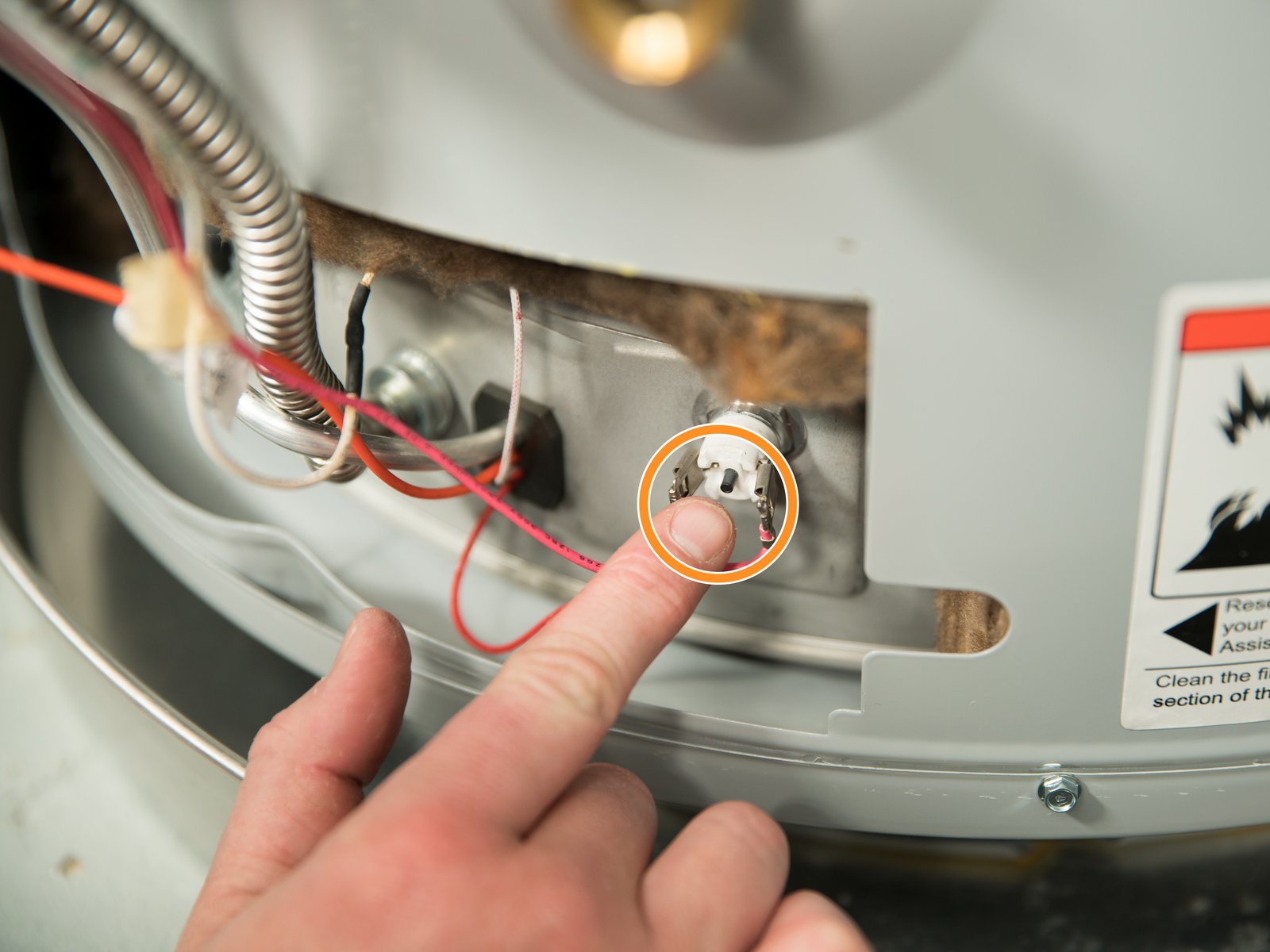
The pilot light may go out or not light properly. This can happen due to a dirty or faulty thermocouple. Cleaning or replacing the thermocouple often fixes this. A steady pilot light is crucial for gas heaters.
Credit: www.fondation-enovos.lu
Basic Safety Checks
Basic safety checks are the first step in troubleshooting your Whirlpool hot water heater. These checks help you find simple problems that can stop your heater from working. Checking safety features also keeps you safe from accidents.
Start by making sure the heater has power or gas supply. Next, test safety parts like the pressure relief valve. These basic steps can save time and money before calling a technician.
Power Supply Verification
Check if the heater is plugged into a working outlet. Look for any tripped circuit breakers or blown fuses. Use a voltage tester to confirm power is reaching the heater. No power means the heater won’t heat water.
Gas Supply Inspection
For gas models, ensure the gas valve is open. Smell around the heater for any gas leaks. Turn off the gas if you detect a strong odor and call a professional. A closed or faulty gas valve stops the heater from heating water.
Pressure Relief Valve Testing
Locate the pressure relief valve on the heater. Lift the valve handle slightly to release some water. Water should flow freely and stop when released. If no water flows or leaks constantly, the valve needs repair or replacement.
Quick Fixes For No Hot Water
No hot water from your Whirlpool heater? Don’t worry. Some simple steps can fix the problem fast. Most issues come from easy-to-solve causes. This section covers quick fixes you can try before calling a professional.
These fixes save time and money. You can do them with basic tools at home. Each step targets a common reason for no hot water.
Resetting The Heater
Start by turning off the power to the heater. Look for the reset button, usually red and near the thermostat. Press the button firmly. Wait a few minutes. Restore power and check if hot water returns.
Resetting can clear simple electrical faults. It’s a quick step that often solves the issue.
Checking The Thermostat
The thermostat controls water temperature. Set it too low, and water won’t get hot. Use a screwdriver to remove the cover. Adjust the dial to around 120°F (49°C). Replace the cover and test the water temperature.
A faulty thermostat may need replacement. But first, try adjusting it to see if that fixes the problem.
Inspecting Heating Elements
Heating elements warm the water inside the tank. Turn off power before checking these parts. Remove the access panel and insulation. Use a multimeter to test each element for continuity. No continuity means the element is broken and needs replacement.
Damaged elements stop the water from heating. Replacing them usually restores hot water quickly.
Adjusting Water Temperature
Adjusting the water temperature on your Whirlpool hot water heater is essential for comfort and safety. Setting the right temperature avoids scalding and saves energy. It also ensures your water heater works efficiently and lasts longer.
Two key steps to control the temperature are calibrating the thermostat and replacing a faulty thermostat. These tasks help fix temperature problems and keep your hot water consistent.
Thermostat Calibration
Thermostat calibration means adjusting the device that controls water temperature. Over time, the thermostat can drift and cause water to be too hot or cold. Use a screwdriver to turn the thermostat dial and set your desired temperature.
Check the water temperature with a thermometer after adjusting. The ideal setting is usually around 120°F (49°C). This temperature is safe and energy-efficient. If the water temperature does not change, the thermostat may need replacement.
Replacing Faulty Thermostat
A faulty thermostat can cause inconsistent water temperature. It may stop heating water or overheat it. Replacing the thermostat can fix these problems and restore normal function.
Turn off the power supply before replacing the thermostat. Remove the old thermostat carefully and install the new one following the manufacturer’s instructions. After installation, test the water temperature to ensure it works well.
Silencing Noisy Heaters
Noisy water heaters can be annoying and signal a problem. Fixing these sounds helps your heater work better. It also saves money on repairs and energy bills. This section covers easy steps to quiet your Whirlpool hot water heater.
Flushing Sediment Build-up
Sediment collects at the bottom of your heater tank. This buildup causes popping or rumbling noises. Flushing the tank removes this sediment. First, turn off the heater and cold water supply. Next, attach a hose to the drain valve. Open the valve and drain the water outside. Close the valve, refill the tank, and turn the heater back on. Regular flushing keeps your heater quiet and efficient.
Inspecting Anode Rod
The anode rod protects the tank from rust. Over time, it wears out and causes noise. Check the rod by turning off power and water. Unscrew the rod from the top of the tank. If it looks corroded or thin, replace it. A good anode rod keeps your heater running quietly and lasts longer.
Stopping Leaks Quickly
Stopping leaks quickly in your Whirlpool hot water heater is important. Leaks can waste water and cause damage. Fixing leaks early saves money and avoids bigger problems. Simple steps can often solve small leaks. Checking connections and parts is a good start.
Tightening Loose Connections
Loose connections often cause leaks. Check all visible pipes and fittings. Use a wrench to tighten any loose nuts. Do not overtighten, as this can cause damage. Tighten gently until the leak stops. Watch for water drips after tightening. Repeat the process if needed. Regular checks prevent leaks from starting again.
Replacing Damaged Parts
Damaged parts cause leaks that tightening cannot fix. Look for cracked pipes or worn washers. Shut off the water supply before replacing parts. Use the right replacement parts for your model. Replace old or broken valves and seals. Check the area after replacement for leaks. Keep parts clean and dry to avoid future problems.
Fixing Pilot Light Issues
Pilot light issues are common in Whirlpool hot water heaters. A pilot light that won’t stay lit can stop your heater from working. Fixing these issues often restores normal function quickly. This section guides you through basic steps to fix pilot light problems safely.
Relighting The Pilot
Turn off the gas valve and wait for five minutes. This clears any gas build-up. Find the pilot light knob and press it down. While holding it, use a lighter or match to light the pilot. Keep holding the knob for 30 seconds. Release it slowly. The pilot should stay lit. If it goes out, repeat the process once more.
Cleaning Pilot Assembly
Dirt or debris can block the pilot assembly. Turn off the gas supply first. Use a small brush or compressed air to clean the pilot area. Remove any dust or spider webs carefully. Check the pilot tube for clogs. Cleaning helps the flame stay steady and strong. After cleaning, try relighting the pilot again.
Checking Thermocouple
The thermocouple senses the pilot flame and controls the gas valve. If faulty, the pilot won’t stay lit. Look for signs of wear or damage on the thermocouple. It should be close to the pilot flame. Gently clean it with sandpaper to remove dirt. Replace the thermocouple if it looks broken or worn out. This often solves pilot light problems.
When To Call A Professional
Knowing when to call a professional for your Whirlpool hot water heater can save you time and money. Some issues need expert care to avoid damage or danger. Trusting a trained technician helps keep your home safe and your heater working well.
Signs Of Major Problems
Look for water leaks around the heater. Strange noises like banging or popping can show serious issues. No hot water or very little hot water means a problem inside. A rusty or dirty smell in the water also signals trouble. These signs need quick attention from a pro.
Safety Concerns
Gas smells near the heater are very dangerous. Turn off the gas and call a professional immediately. Electrical problems like sparks or burning smells also require expert help. Hot water heaters can cause floods or fires if not fixed right. Never try repairs beyond basic checks yourself.
Maintenance Tips To Prevent Issues
Regular maintenance of your Whirlpool hot water heater helps avoid many common issues. Taking small steps can extend the life of your unit. It also keeps the water clean and safe to use. These simple tips protect your heater from damage and costly repairs.
Regular Flushing
Flushing the tank removes sediment build-up. Sediment can reduce heating efficiency and cause damage. Drain a few gallons of water from the tank every six months. This clears out dirt and minerals that settle at the bottom. Use a garden hose to drain the tank safely.
Checking Anode Rod
The anode rod prevents rust inside the tank. It attracts corrosive elements, protecting the metal lining. Inspect the rod once a year. Replace it if it is worn or less than half an inch thick. A healthy anode rod increases your heater’s lifespan.
Inspecting For Corrosion
Look for rust or leaks around the tank and pipes. Corrosion can cause water damage and system failure. Check valves and fittings regularly for signs of wear. Early detection allows quick fixes before serious problems start.
:max_bytes(150000):strip_icc()/reasons-gas-water-heater-not-working-5212987-hero-fe6b82a59053421c88b7d13ea311d3c5.jpg)
Credit: www.premierwellbeing.ie
Credit: www.springcanyon.org
Frequently Asked Questions
Why Is My Whirlpool Water Heater Not Heating Water?
The thermostat might be set too low or the heating element may be faulty. Check the power supply and reset the unit if needed.
How Do I Reset My Whirlpool Hot Water Heater?
Locate the reset button on the thermostat and press it firmly. This can fix minor electrical issues and restore heating.
What Causes A Whirlpool Water Heater To Leak?
Leaks often happen from loose plumbing connections or a damaged tank. Inspect pipes and valves for drips or corrosion.
How To Fix Whirlpool Water Heater Making Noise?
Sediment buildup inside the tank causes popping sounds. Flushing the tank regularly helps remove sediment and reduce noise.
Why Is The Water From My Heater Discolored?
Rust or sediment inside the tank can turn water brown. Flushing the tank or replacing the anode rod usually solves this.
How Often Should I Maintain My Whirlpool Water Heater?
Check and flush the tank every 6 to 12 months. Regular upkeep improves performance and extends the heater’s life.
Conclusion
Troubleshooting your Whirlpool hot water heater can save time and money. Start with simple checks like power supply and thermostat settings. Small problems often cause big issues. Keep safety in mind during every step. Regular maintenance helps avoid future breakdowns.
Don’t ignore warning signs like strange noises or leaks. Knowing basic fixes boosts your confidence. When problems persist, call a professional for help. Your hot water heater will work better and last longer with proper care. Stay patient and follow these tips for smooth repairs.