
Are you having trouble with your American Farmworks electric fence? When your fence isn’t working right, it can be frustrating and even risky for your animals and property.
But don’t worry—you’re not alone, and most problems can be fixed quickly. You’ll discover simple, step-by-step solutions to get your electric fence back up and running. Keep reading to learn how to spot common issues and solve them fast, so your fence stays strong and reliable.

Credit: www.premier1supplies.com
Common Electric Fence Issues
Electric fences are vital for farm safety and animal control. Problems with these fences can stop them from working well. Recognizing common issues helps fix them fast and keep your farm secure.
Many problems come from power supply, wiring, or the fence energizer. Knowing typical faults can save time and money on repairs.
No Power To Fence
No power means the fence does not shock animals. Check if the energizer is plugged in and switched on. Look for blown fuses or tripped circuit breakers. Ensure the battery or power source works well.
Weak Or Intermittent Shock
A weak shock may not keep animals away. Dirt, grass, or debris touching the fence can lower power. Check for vegetation near the wire and clear it. Loose connections also cause weak shocks. Tighten all wire connections and terminals.
Fence Short Circuits
A short circuit happens when the electric current flows to the ground or fence posts. Wet plants or broken insulators often cause shorts. Inspect the fence line for damaged insulators. Remove any wet or fallen branches touching the wire.
Damaged Fence Wire
Wire breaks stop the electric current from flowing. Look for cuts, rust, or broken strands along the fence. Replace damaged wire sections quickly. Use proper tools to fix and tighten the wire.
Faulty Energizer
The energizer powers the fence and controls voltage. A faulty energizer can cause no or low power. Test the energizer with a fence tester. Replace the energizer if it does not deliver enough power.
Tools For Troubleshooting
Having the right tools makes electric fence troubleshooting easier. These tools help find problems fast. They ensure safety and save time. Each tool has a specific role in checking and fixing your fence.
Voltage Tester
A voltage tester checks if electricity flows in the fence wire. It shows if the fence is active or off. Use it to find breaks or weak spots in the fence line. This tool is simple and quick to use.
Wire Cutters And Pliers
Wire cutters and pliers help repair broken wires. Cut damaged sections cleanly. Pliers twist and pull wires tight. They make sure wires connect well for good power flow.
Insulation Tape
Insulation tape protects wire joints from weather and animals. Wrap tape around repaired areas to stop shorts. It keeps the electric current flowing safely along the fence.
Multimeter
A multimeter measures voltage, current, and resistance in the fence. It finds hidden faults that other tools miss. Use it to check battery charge and energizer output. This tool gives detailed information about fence health.
Step-by-step Troubleshooting
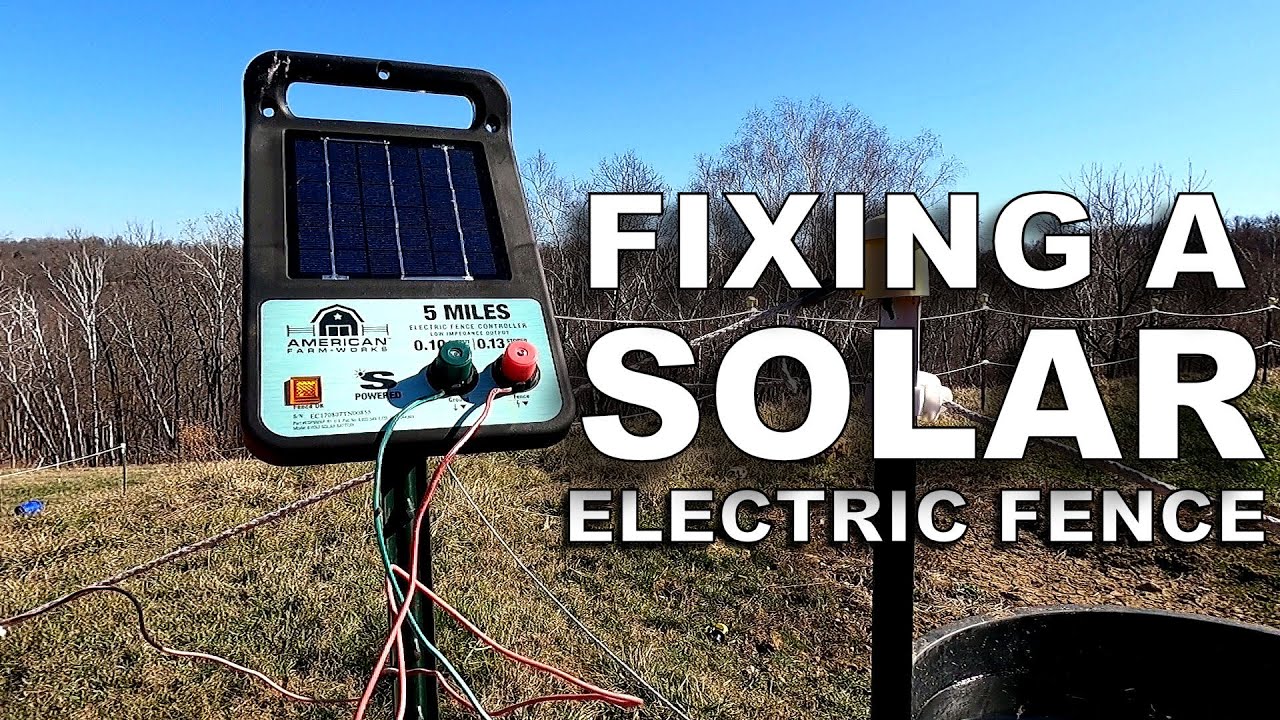
Troubleshooting an American Farmworks electric fence requires a clear and easy approach. Following steps helps find and fix problems fast. This guide covers the basic checks to get your fence working again. Each step focuses on common issues and how to solve them. Use this as a practical guide to keep your fence running smoothly.
Checking Power Source
Start by making sure the power source works. Check if the fence energizer is plugged in. Look for blown fuses or tripped circuit breakers. Confirm the battery, if used, is fully charged. Without power, the fence won’t work at all. Testing the power source first saves time.
Inspecting Fence Wire
Walk along the fence and look at the wire. Check for breaks, rust, or loose connections. Vegetation touching the wire can cause shorts. Clear tall grass, branches, or weeds away from the wire. A clean wire path keeps the current flowing strong. Repair or replace any damaged wire found.
Testing Fence Energizer
Use a fence tester to check the energizer output. The tester shows if the voltage is strong enough. Low or no voltage means the energizer may be faulty. Inspect energizer connections for corrosion or loose wires. Replace the energizer if it does not produce proper voltage.
Locating Short Circuits
Short circuits stop the fence from working. Find where the current leaks to the ground or other objects. Use a voltage tester along the wire to spot weak areas. Check fence posts, insulators, and gates for contact with metal or damp wood. Fix or replace anything causing shorts.
Repairing Broken Wires
Fix broken wires with connectors or by twisting ends together. Use wire strippers to remove insulation before joining wires. Wrap the connection with electrical tape for protection. Tighten loose connections to prevent future breaks. Regular wire maintenance extends fence life and performance.
Credit: www.youtube.com
Preventive Maintenance Tips
Preventive maintenance keeps your American Farmworks electric fence working well. Regular care helps avoid problems and saves time and money. Follow these simple tips to keep the fence strong and reliable.
Regular Fence Inspections
Check the entire fence at least once a week. Look for broken wires, loose connections, or damage. Early spotting stops small issues from growing bigger. Walk the fence line slowly and carefully.
Clearing Vegetation Near Fence
Keep grass, weeds, and branches away from the wires. Plants touching the fence can cause shorts and reduce power. Clear at least 12 inches on both sides of the fence. Use a trimmer or hand tools for best results.
Weatherproofing Connections
Protect all electrical connections from rain and moisture. Use waterproof tape or sealant on joints and terminals. Wet connections cause shorts and rust. Check them after storms or heavy rain.
Replacing Worn Components
Swap out old or damaged parts quickly. Look for cracked insulators, frayed wires, or corroded terminals. Using new components keeps the fence safe and effective. Keep spare parts handy for fast repairs.
When To Call A Professional
Knowing when to call a professional for American Farmworks electric fence issues saves time and frustration. Some problems need expert tools and knowledge. Troubleshooting on your own can risk injury or damage.
Simple fixes you can handle. Complex issues need a trained technician. Watch for signs that show it’s time to get help.
Complex Electrical Problems
Electric fences have many parts. Wiring faults or power supply issues may be hidden deep. Professionals use special tools to find these problems fast. DIY fixes might miss the root cause.
Complex problems can cause safety risks. A pro knows how to fix issues safely. Don’t attempt repairs beyond basic checks.
Repeated Short Circuits
Short circuits happen when wires touch or break. If short circuits occur often, it means a bigger problem. It might be damaged wiring or poor insulation.
Repeated shorts can harm the energizer or drain power. A professional inspects the whole system. They locate all trouble spots and fix them properly.
Energizer Malfunctions
The energizer powers the fence. If it stops working or works weakly, your fence fails. Problems may be inside the energizer unit itself.
Technicians test energizers with expert tools. They repair or replace parts safely. Avoid opening energizers yourself due to electric shock risk.
Credit: www.pubs.ext.vt.edu
Frequently Asked Questions
How Do I Test If My American Farmworks Fence Charger Works?
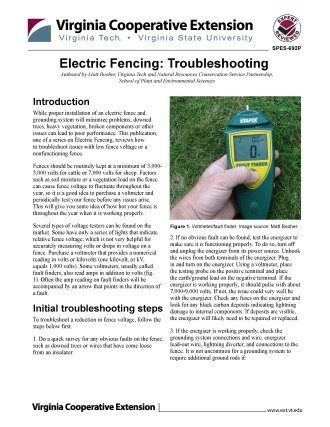
Use a fence tester or voltmeter to check voltage output. Connect the tester to the fence wire and ground. A good charger usually shows 5,000 to 10,000 volts.
Why Is My Electric Fence Not Delivering A Shock?
Check for breaks or shorts in the wire and poor grounding. Vegetation touching the wire can also reduce shock power. Clear plants and fix any damaged sections.
How Do I Improve Grounding For My Electric Fence?
Use at least three ground rods, spaced several feet apart. Drive rods deep into moist soil for best results. Proper grounding ensures strong shocks and reliable fence operation.
What Causes Low Voltage On My Electric Fence?
Common causes include faulty connections, damaged wires, or poor grounding. Moisture and vegetation touching the fence can lower voltage. Inspect the entire fence line regularly to find issues.
Can Weather Affect American Farmworks Electric Fences?
Yes, heavy rain or snow can cause voltage drops by shorting the fence. Dry conditions and strong winds can also affect performance. Regular checks help maintain fence efficiency.
How Often Should I Inspect My Electric Fence System?
Inspect at least once a week, more in bad weather. Look for wire breaks, vegetation contact, and grounding problems. Regular checks keep your fence working well and animals safe.
Conclusion
Electric fences need regular checks to work well. Start by testing the charger and fence wire. Clear any plants or debris touching the fence. Fix broken wires or loose connections quickly. Keep the fence grounded for better electric flow. Simple steps can stop common problems fast.
This keeps your animals safe and your farm secure. Stay patient and follow each step carefully. Troubleshooting becomes easier with practice and care. Your fence will stay strong and reliable. Trust the process, and your farm will benefit.