
Is your Ground Fault Circuit Interrupter (GFCI) not working right? It can be frustrating when these important safety devices trip frequently or won’t reset.
But don’t worry—you’re not alone, and fixing the problem might be easier than you think. This guide will help you understand why your GFCI acts up and show you simple steps to troubleshoot it yourself. Keep reading, and you’ll gain the confidence to protect your home and keep your electrical system running smoothly.
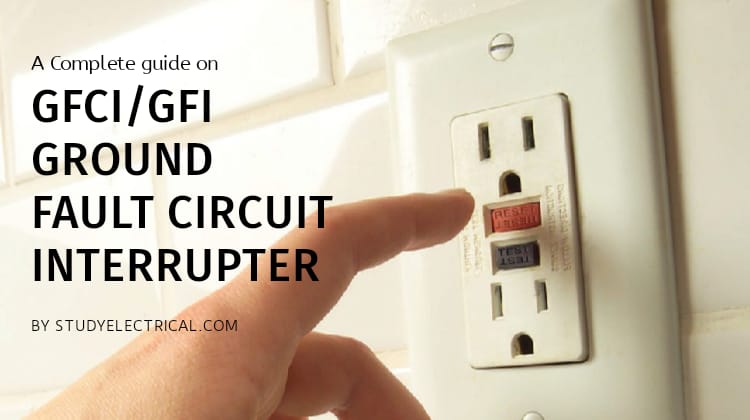
Credit: studyelectrical.com
How Gfcis Work
Ground Fault Circuit Interrupters (GFCIs) play a crucial role in electrical safety. They prevent electric shocks by quickly cutting power when they detect a problem. Understanding how GFCIs work helps in troubleshooting and ensuring safe use.
Basic Function
A GFCI constantly monitors the electric current flowing through a circuit. It compares the current going out to the current coming back. If it senses a difference, even as small as 5 milliamps, it knows electricity is leaking.
This leakage could mean electricity is flowing through an unintended path, like a person. The GFCI then trips and cuts off power in less than a fraction of a second. This rapid action helps prevent serious electric shocks.
Common Applications
GFCIs are required in areas where water and electricity are near each other. Bathrooms, kitchens, and outdoor outlets often have GFCIs installed. They protect people from shocks caused by wet conditions or faulty appliances.
These devices are also found in garages, basements, and near pools. Any place with a risk of electric shock benefits from GFCI protection. They are essential for both homes and workplaces to ensure safety.

Credit: www.eaton.com
Signs Of Gfci Problems
Ground Fault Circuit Interrupters (GFCIs) protect you from electric shocks. They stop power quickly if there is a fault. Sometimes, GFCIs show signs of problems. These signs tell you to check or fix the device. Knowing these signs helps keep your home safe.
Frequent Tripping
A GFCI that trips often may have a problem. It shuts off power too many times. This can happen even without a real fault. Frequent tripping means the GFCI might be worn out or faulty. It can also indicate moisture or wiring issues nearby.
No Power Output
A GFCI outlet that gives no power is a clear sign. Devices plugged into it will not work. This can mean the GFCI is broken or the circuit has a problem. Sometimes, the problem is inside the outlet or wiring connection.
Reset Button Issues
If the reset button won’t stay in or doesn’t work, the GFCI is faulty. The button should click and stay pushed after pressing. Problems with the reset button show the GFCI cannot reset correctly. This stops it from protecting your home.
Safety Precautions
Safety is the top priority when troubleshooting a Ground Fault Circuit Interrupter (GFCI). Taking the right precautions helps prevent electric shock and injury. Always prepare before starting any work on electrical devices.
Power Shutoff
Turn off the main power before handling the GFCI. This stops electricity from flowing to the circuit. Use the circuit breaker or fuse box to switch off power. Double-check by testing the outlet with a voltage tester. Never work on a live circuit.
Proper Tools
Use tools designed for electrical work. Insulated screwdrivers and pliers protect you from shocks. Avoid using damaged or worn-out tools. Keep your tools organized to avoid mistakes. Proper tools make the job safer and easier.
Personal Safety
Wear rubber-soled shoes and avoid wet areas. Keep your hands dry at all times. Use safety glasses to protect your eyes from sparks or debris. Stay alert and focused during the process. Never rush—careful work prevents accidents.

Credit: viox.com
Testing The Gfci
Testing the Ground Fault Circuit Interrupter (GFCI) is key to ensure electrical safety. This device protects people from electric shocks by cutting off power quickly. Regular testing helps find problems early and keeps the GFCI working well. The process is simple and takes only a few minutes.
Using The Test Button
Most GFCI outlets have a test button on the front. Pressing this button simulates a fault. The GFCI should trip and stop power flow immediately. If the power does not cut off, the GFCI may be faulty. Reset the outlet by pressing the reset button after testing. Always test GFCIs monthly to keep them reliable.
Multimeter Checks
A multimeter helps check the GFCI’s electrical function. Set the multimeter to measure voltage. Test the outlet’s terminals to see if power is flowing correctly. You can also check for any current leakage. If readings are off, the GFCI might not protect against faults. Use this tool for a detailed check beyond the test button.
Load Testing
Load testing applies real power to the GFCI to check performance. Plug in a device or appliance that draws current. Then press the test button to trip the GFCI. The power should cut off quickly under load. This test confirms the GFCI works under normal use. It helps ensure safety in daily electrical tasks.
Quick Fixes For Common Issues
Ground Fault Circuit Interrupters (GFCIs) protect you from electrical shocks. Sometimes, these devices stop working correctly. Many common problems have quick fixes. These fixes can restore your GFCI without extra tools or parts.
Resetting The Gfci
Start by pressing the reset button on the GFCI outlet. This action often restores power. The button is usually red or black. If it stays pushed in, the GFCI may need replacement. Always check if the circuit breaker is on before resetting.
Clearing Moisture
Moisture can cause the GFCI to trip. Dry the outlet and surrounding area with a cloth. Use a fan to remove dampness if needed. Keep the outlet dry to avoid future trips. Avoid water contact with the outlet during rain or cleaning.
Tightening Connections
Loose wires cause many GFCI problems. Turn off power before checking connections. Unscrew the outlet cover and inspect wires. Tighten any loose wire screws gently. Secure connections help the GFCI work properly and safely.
When To Replace The Gfci
Knowing when to replace a Ground Fault Circuit Interrupter (GFCI) is important for safety. GFCIs protect against electric shocks by cutting off power quickly. Over time, they can wear out or become damaged. Replacing them at the right time keeps your home safe and your electrical system working well.
Physical Damage
Cracks, burn marks, or broken buttons mean a GFCI needs replacement. Physical damage can stop it from working properly. Water damage is also a serious problem. Never ignore visible damage on a GFCI outlet.
Repeated Failures
A GFCI that trips too often or won’t reset is a sign it may fail. Frequent false trips show internal issues. If testing the GFCI fails multiple times, replacement is safer. Don’t rely on a faulty GFCI to protect you.
Outdated Models
Older GFCIs may not meet today’s safety standards. Technology improves over time, making newer models more reliable. Replacing old units ensures better protection and compliance with codes. Check the date or model number to know if it is outdated.
Preventive Maintenance Tips
Preventive maintenance is key to keep Ground Fault Circuit Interrupters (GFCIs) working well. These devices protect you from electric shocks and fires. Regular care helps avoid faults and extends their life. Simple steps can make a big difference in safety and performance.
Regular Testing
Test your GFCI outlets every month. Press the “Test” button to see if the device cuts power. Then press “Reset” to restore it. This check confirms the GFCI works correctly. If it does not trip or reset, replace the unit immediately.
Avoiding Overloads
Do not plug too many appliances into one GFCI outlet. Overloading causes the device to trip often. This wear can reduce its lifespan. Spread electrical devices across different circuits to balance the load. This habit helps maintain steady power and device health.
Keeping Dry Environments
Keep GFCI outlets dry at all times. Water or moisture can cause false trips or failure. Install GFCIs in areas protected from rain and leaks. Use weatherproof covers outdoors and in damp places. Dry conditions improve reliability and reduce repair needs.
Professional Help Options
Sometimes, troubleshooting a Ground Fault Circuit Interrupter (GFCI) can be tricky. Professional help offers safety and peace of mind. Experts have the tools and knowledge to find the exact problem quickly. They ensure the GFCI works correctly to protect your home and family.
Hiring a professional also saves time and reduces risks. It prevents mistakes that could cause electrical hazards. Here are some key points about getting professional help for GFCI issues.
Hiring Electricians
Choose licensed electricians with experience in electrical safety. They understand GFCI wiring and testing procedures. Ask for references or check online reviews. A good electrician explains the problem clearly and offers solutions. Avoid unqualified workers to prevent electrical dangers.
Cost Estimates
Costs vary depending on the GFCI issue and location. Many electricians provide free or low-cost quotes. Expect to pay for labor and parts. Some repairs may be simple and cheap. Complex problems can cost more. Always get a written estimate before work starts.
Warranty Considerations
Check if the electrician offers warranties on their work. Warranties protect you if the problem returns soon. Also, look for warranties on replacement parts. Quality parts last longer and work better. A good warranty shows the electrician’s confidence in their work.
Frequently Asked Questions
What Causes A Gfci To Trip Frequently?
A GFCI trips when it detects a small electrical leak. Frequent trips may indicate a faulty device or wiring issue. Moisture or damaged cords often cause this problem.
How Do I Test If My Gfci Is Working Properly?
Press the “Test” button on the GFCI outlet. It should cut power immediately. Press “Reset” to restore power, confirming the device works.
Why Won’t My Gfci Reset After Tripping?
A GFCI won’t reset if there is still a ground fault. Check for moisture, damaged wiring, or faulty appliances. Fix issues before trying to reset again.
Can A Gfci Outlet Protect All Home Circuits?
No, GFCI outlets protect only the circuit they are installed on. Other circuits need their own GFCI protection if required. Always follow electrical codes for safety.
How Often Should I Test My Gfci Outlets?
Test GFCI outlets once a month to ensure proper function. Regular testing helps prevent electrical shocks and fire hazards. It only takes a few seconds.
What Are Signs That A Gfci Needs Replacement?
A GFCI that won’t reset or frequently trips may need replacement. Physical damage or discoloration also signals a problem. Replace faulty GFCIs promptly for safety.
Conclusion
Troubleshooting a Ground Fault Circuit Interrupter can save time and money. Check the reset button and wiring first. Test the GFCI regularly to ensure it works right. Replace it if it trips often without cause. Safety matters most when dealing with electricity.
Simple steps can prevent big problems later. Stay cautious and follow instructions carefully. Your home’s electrical safety depends on it. Keep your GFCI devices in good shape for peace of mind.