
Is your Keystone RV furnace acting up when you need it most? You’re not alone.
When the cold sets in, a reliable furnace is essential for your comfort and safety. But before you call for expensive repairs or replacements, there’s a good chance you can fix the problem yourself. This guide will walk you through simple, step-by-step troubleshooting tips using your Keystone RV furnace manual.
By the end, you’ll feel confident tackling common issues and keeping your RV warm without the hassle. Ready to get your furnace back in top shape? Let’s dive in.
Common Furnace Issues
Keystone RV furnace problems can stop your heat flow. Knowing common issues helps you fix them fast. This saves time and keeps you warm on the road.
Many furnace troubles occur often. These include no heat, uneven warmth, odd sounds, and sudden shutdowns. Understanding each issue makes troubleshooting simpler and safer.
No Heat Production
No heat means the furnace runs but no warm air comes out. This might be a dirty filter or a blocked vent. Check these first. A faulty thermostat or a broken igniter can also cause this problem.
Furnace Won’t Turn On
The furnace may not start at all. Check if the power switch is on. Look at the fuse or circuit breaker. A weak battery in the thermostat can stop the furnace from turning on.
Uneven Heating
Some areas may feel cold while others stay warm. This happens due to blocked vents or dirty filters. Airflow problems cause uneven heat. Clean vents and filters to fix this.
Strange Noises
Unusual sounds like banging or rattling can mean loose parts. A squealing noise often shows a worn belt. Listen carefully and check for loose screws or parts that need tightening.
Furnace Shuts Off Unexpectedly
The furnace may turn off without warning. Overheating or a dirty flame sensor often causes this. Dust buildup can make the furnace unsafe and shut down to protect itself.

Credit: www.youtube.com
Basic Safety Checks
Before troubleshooting your Keystone RV furnace, start with basic safety checks. These checks help avoid accidents and protect you from harm. They also ensure the furnace runs correctly. Safety is the first step in any repair process.
Power Supply Inspection
Check if the furnace is getting power. Look at the circuit breaker or fuse panel. Make sure the breaker is not tripped and fuses are intact. Inspect the power cord for cuts or damage. A furnace without power will not work.
Fuel Source Verification
Confirm the furnace has fuel. For propane models, check the tank level. Ensure the valve is open. For electric furnaces, confirm the electrical connection is steady. No fuel means no heat from the furnace.
Ventilation And Exhaust
Look at the vents outside the RV. Remove any debris blocking airflow. Clear snow, leaves, or dirt from the vent openings. Proper ventilation prevents dangerous gas buildup. A blocked vent can cause carbon monoxide risks.
Thermostat Troubleshooting
Troubleshooting the thermostat is a key step in fixing your Keystone RV furnace. The thermostat controls the furnace temperature. If it does not work right, the furnace may not heat properly. This section helps you check the thermostat settings, replace batteries, and inspect wiring.
Thermostat Settings Review
Start by checking the thermostat settings. Make sure the thermostat is set to “Heat” mode. Set the temperature higher than the current room temperature. This tells the furnace to turn on. If the thermostat has a fan option, set it to “Auto” instead of “On.” This helps the furnace run only when needed.
Battery Replacement
Many Keystone RV thermostats use batteries. Old or dead batteries cause the thermostat to stop working. Open the thermostat cover and remove the batteries. Insert new batteries, matching the correct size and type. Test the thermostat by raising the temperature. Replace batteries every year to keep the thermostat reliable.
Wiring Connections
Loose or damaged wires can stop your thermostat from working. Turn off power to the furnace before checking wires. Remove the thermostat cover and look at the wires. Tighten any loose wires carefully. Check for frayed or broken wires and replace them if needed. Secure connections help the thermostat send signals properly.

Credit: www.keystonerv.com
Ignition And Flame Issues
Ignition and flame problems are common in Keystone RV furnaces. These issues stop the heater from working properly. Understanding the cause helps you fix the furnace quickly. This section covers common problems with ignition and flame. Learn how to identify and solve them safely.
Pilot Light Problems
The pilot light must stay lit for the furnace to work. Dirt, wind, or gas flow can put out the pilot light. Check if the pilot flame is steady and blue. A yellow or flickering flame shows a problem. Clean the pilot light area carefully. Make sure the gas valve is open. If the pilot won’t light, it might need adjustment or repair.
Igniter Replacement
The igniter creates the spark to light the pilot. A broken igniter means no spark and no heat. Test the igniter with a multimeter for continuity. If it fails the test, replace it with the correct part. Turn off the power and gas before replacing. Follow safety instructions closely. A new igniter restores proper furnace operation.
Flame Sensor Cleaning
The flame sensor detects the pilot flame. Dirt or soot can cover the sensor. This stops the furnace from knowing the flame is on. Remove the sensor gently. Clean it with fine sandpaper or steel wool. Do not damage the sensor surface. Reinstall it carefully. A clean flame sensor helps keep the furnace running safely and smoothly.
Airflow And Duct Problems
Airflow and duct problems cause many issues in Keystone RV furnaces. Poor airflow reduces heat output and makes the furnace work harder. Dust, dirt, and blockages stop warm air from moving through the ducts. Checking the airflow system helps keep the furnace running well. Small fixes can improve comfort and save energy.
Filter Cleaning And Replacement
Dirty filters block air and reduce airflow. Clean the furnace filter regularly to prevent this. Remove the filter and wash it with water if it is reusable. Replace disposable filters every few months or as needed. Clean filters help the furnace blow warm air efficiently and keep dust out.
Blocked Vents
Vents can get blocked by furniture or debris. Check all vents and make sure nothing covers them. Clear any dirt or dust from vent covers. Blocked vents stop warm air from entering the RV cabin. Open vents allow air to flow freely and heat the space evenly.
Blower Motor Maintenance
The blower motor moves air through the ducts. Dust and dirt can build up on the motor and fan blades. Clean the blower motor carefully using a soft brush or cloth. Check that the motor runs smoothly without noise or vibration. Proper motor care ensures steady airflow and reliable heating.
Electrical Components
Electrical components are key parts of your Keystone RV furnace. They help the furnace start and keep running safely. Problems in these parts often cause the furnace to stop working. Checking these components early can save time and money. It keeps you warm on your trips.
Fuse And Circuit Breaker Checks
Start by checking the fuse and circuit breakers. A blown fuse or tripped breaker cuts power to the furnace. Look for a small glass tube or reset button. Replace the fuse if it is broken. Reset the circuit breaker if it is off. This step often fixes simple electrical issues.
Control Board Reset
The control board controls the furnace’s actions. Sometimes it needs a reset to clear errors. Find the reset button on the board or disconnect power for a few minutes. This can restart the system and fix glitches. Be careful not to touch other parts on the board.
Wiring Inspection
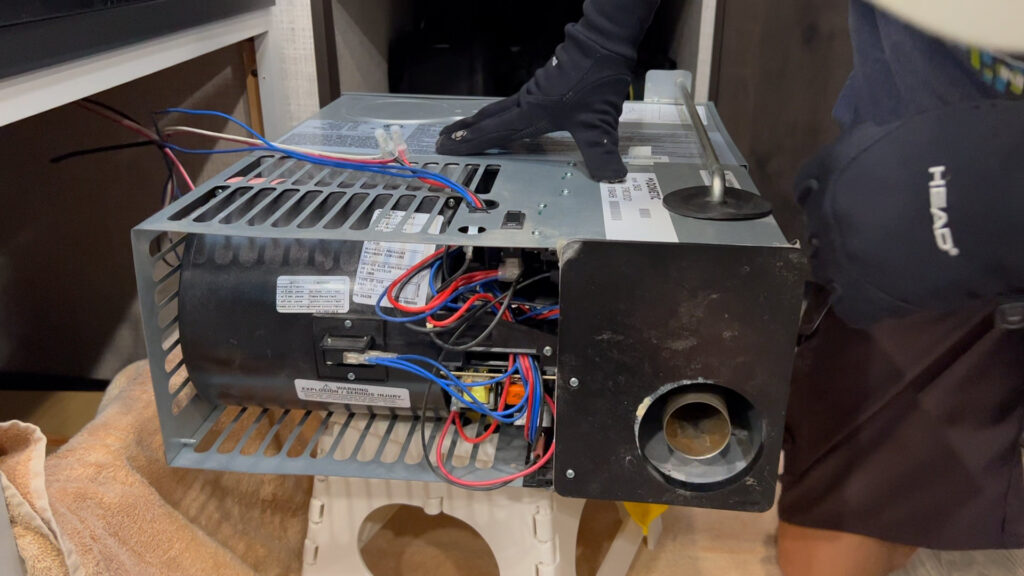
Check all wiring for loose or damaged connections. Wires can come loose from vibrations or wear out over time. Look for frayed wires or burnt spots. Tighten any loose connectors carefully. Damaged wiring may need professional repair to avoid risks.
When To Call A Professional
Knowing when to call a professional for your Keystone RV furnace is important. Some problems need expert help to fix safely and correctly. Trying to fix complex issues yourself can cause more damage or risk your safety.
Recognizing the right time to get professional service keeps your RV warm and safe. It also helps avoid costly repairs later. Here are some key signs you should contact a professional technician.
Complex Repairs
Complex repairs need special tools and skills. If the furnace won’t ignite or keeps shutting off, it may be a wiring or control board issue. These problems are tricky to diagnose without training. Let a professional handle these repairs to avoid mistakes and ensure your furnace works properly.
Gas Leak Concerns
Gas leaks are dangerous and must be addressed immediately. If you smell gas or suspect a leak, turn off the furnace and gas supply right away. Call a professional to inspect and repair the system safely. Do not attempt to fix gas leaks yourself.
Regular Maintenance Scheduling
Regular maintenance extends your furnace’s life and improves performance. Scheduling yearly check-ups with a professional keeps your system clean and efficient. Experts can spot small problems before they turn into big issues. Keep a maintenance schedule to avoid unexpected breakdowns.
Credit: johnmarucci.com
Frequently Asked Questions
How Do I Reset My Keystone Rv Furnace Manually?
Turn off the furnace power switch. Wait five minutes. Turn the switch back on to reset the system.
What Causes A Keystone Rv Furnace Not To Ignite?
Common causes include a dirty flame sensor, blocked vents, or low propane levels.
How Can I Check The Propane Supply For My Furnace?
Look at your propane tank gauge. Make sure it shows enough fuel for operation.
Why Is My Keystone Rv Furnace Blowing Cold Air?
This may happen due to a faulty thermostat or a clogged air filter.
How Do I Clean The Flame Sensor On My Rv Furnace?
Turn off power, remove the sensor, and gently clean it with fine sandpaper.
What Safety Steps Should I Follow When Troubleshooting The Furnace?
Always turn off power and propane. Work in a well-ventilated area. Use protective gloves.
Conclusion
Troubleshooting your Keystone RV furnace can save time and money. Check simple issues like power supply and thermostat settings first. Clean or replace filters to improve performance. Inspect the pilot light or ignition system if it won’t start. Regular maintenance keeps your furnace running smoothly.
Follow the manual’s steps carefully for safety. Small fixes often solve common problems quickly. Stay warm and comfortable on your trips. Keep this guide handy for easy reference anytime. Your RV furnace will thank you with reliable heat.