
Is your GE bottom freezer refrigerator acting up and leaving you frustrated? You rely on it every day to keep your food fresh and your drinks cold.
When something goes wrong, it can disrupt your routine and cause unnecessary stress. But don’t worry—you don’t have to be an expert to fix common problems. In this guide, you’ll discover simple troubleshooting tips that can save you time and money.
Keep reading to learn how to get your fridge back to perfect working order quickly and easily.

Credit: codysappliancerepair.com
Common Bottom Freezer Issues
Bottom freezer refrigerators by GE are popular for their convenience and design. Yet, they can face some common issues that affect performance. Knowing these problems helps in quick fixing and better use.
This section covers frequent problems with GE bottom freezer refrigerators. Each issue explains what happens and hints at what might cause it.
Door Not Closing Properly
A door that won’t close tightly lets cold air escape. This causes the fridge to work harder and use more energy. Dirt or food stuck in the seal can block the door. Bent hinges or a misaligned door also stop proper closing.
Freezer Not Cooling
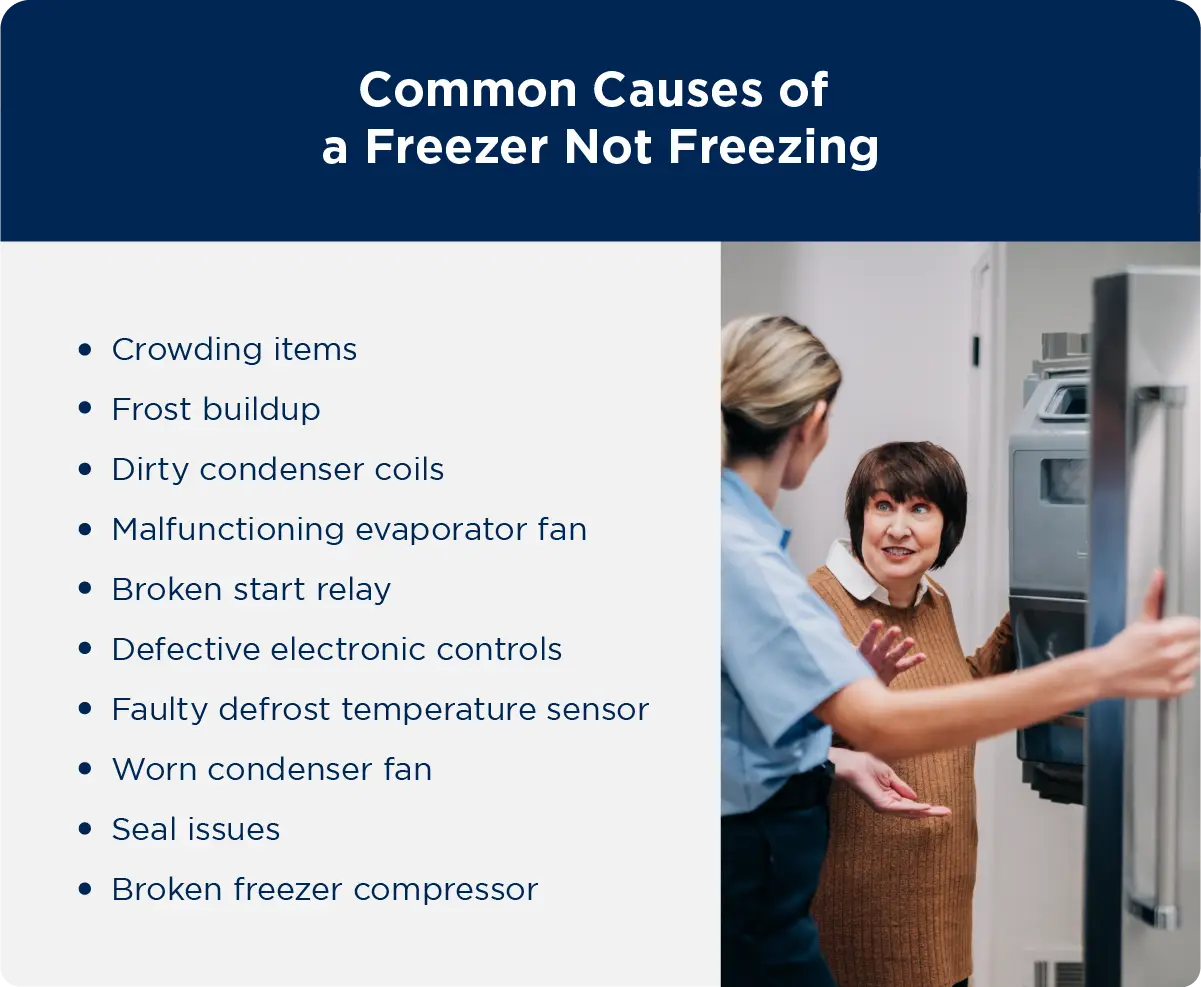
A freezer that stays warm can spoil food quickly. This problem may come from dirty condenser coils or a broken fan. The thermostat or temperature control might fail, causing poor cooling. Sometimes, ice blocks the vents, stopping cold air flow.
Refrigerator Overcooling
When the fridge gets too cold, fresh food may freeze. This happens if the temperature setting is too low. A faulty thermostat or sensor can cause the fridge to cool nonstop. Check the settings and parts to fix this issue.
Excessive Frost Build-up
Frost can form in the freezer or fridge if the door seal leaks air. Moisture enters and freezes on surfaces. Defrost system problems like broken heaters or timers also cause frost. This makes less space and harder door closing.
Water Leakage Problems
Water pooling inside or outside the fridge means a drip or block. A clogged or frozen defrost drain often causes leaks. Check the drain hole and clean it regularly. Damaged or loose water lines can also lead to leaks.
Unusual Noises
Strange sounds may mean a fan motor or compressor problem. Rattling or buzzing noises can come from loose parts or debris. Listen closely to find the noise source. Early repair avoids bigger damage or failure.
Credit: www.youtube.com
Basic Troubleshooting Steps
Basic troubleshooting steps help fix common problems with your GE bottom freezer refrigerator. These steps save time and avoid costly repairs. Most issues can be solved with simple checks and adjustments. Follow these easy steps to keep your fridge running smoothly.
Checking Power Supply
First, confirm the refrigerator is plugged in. Check the outlet by plugging in another device. Make sure the circuit breaker is not tripped. A loose or damaged power cord can cause problems. Replace or repair the cord if needed. Without power, the fridge cannot work.
Inspecting Door Seals
Look at the door seals for cracks or gaps. Dirty or damaged seals let cold air escape. Clean seals with warm, soapy water and a soft cloth. Replace seals if they are torn or worn out. Proper sealing keeps the fridge cold and saves energy.
Cleaning Condenser Coils
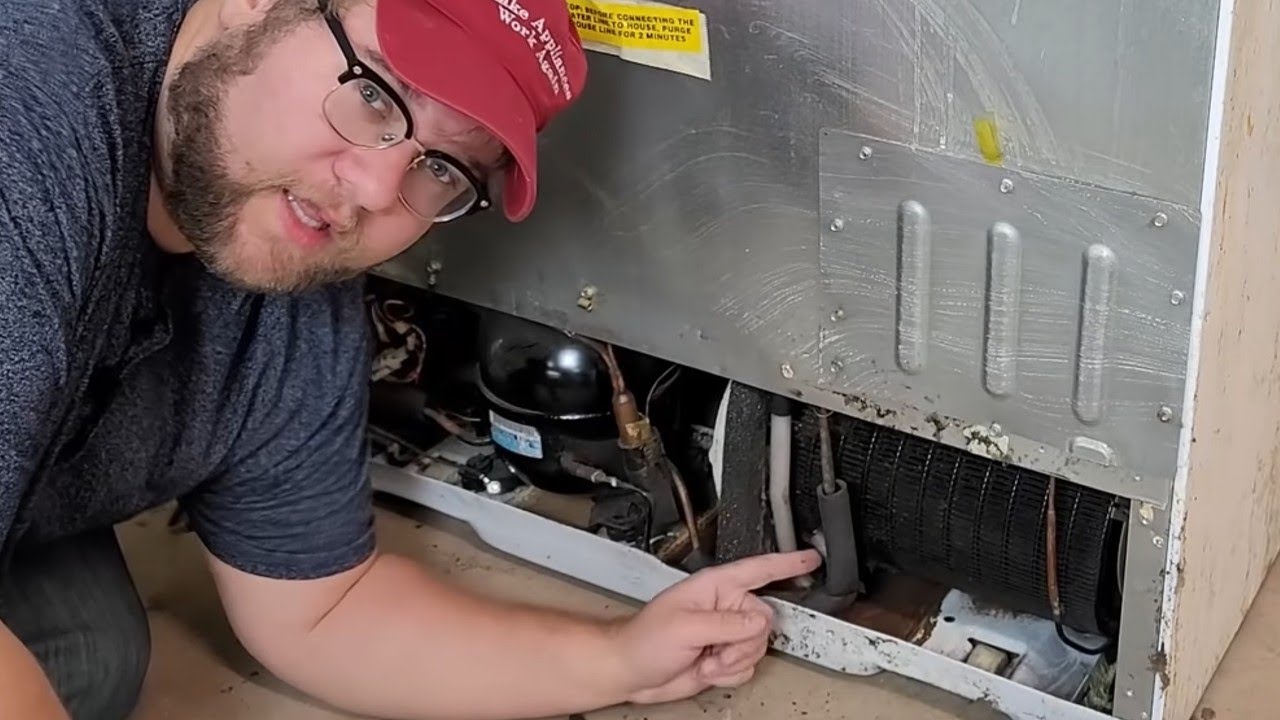
Locate the condenser coils, usually at the back or underneath. Dust and dirt block air flow and reduce cooling. Use a coil brush or vacuum to clean them gently. Clean coils help the fridge run efficiently and prevent overheating.
Resetting The Refrigerator
Unplug the refrigerator for five minutes to reset the system. This can clear minor electronic glitches. After plugging it back in, wait for the fridge to cool down. Resetting often restores normal operation without needing repairs.
Adjusting Temperature Settings
Check the temperature controls inside the fridge and freezer. Set the fridge to 37°F (3°C) and the freezer to 0°F (-18°C). Avoid setting temperatures too low or too high. Proper settings keep food fresh and save energy.
Fixing Cooling Problems
Cooling problems in a GE bottom freezer refrigerator cause food to spoil quickly. Fixing these issues can save money and prevent waste. Simple checks and repairs often restore proper cooling.
Start by inspecting common trouble spots. These steps help identify the cause and guide you through basic fixes.
Clearing Blocked Air Vents
Air vents allow cold air to flow between the freezer and fridge. Blocked vents reduce cooling efficiency. Check for food items or ice blocking these vents. Remove any items or ice buildup gently. Clear vents improve airflow and temperature balance.
Replacing Faulty Fans
Fans move cold air inside the unit. A broken fan stops cold air circulation. Listen for fan noise; silence may mean a fault. Test the fan motor with a multimeter. Replace the fan if it does not spin or has no power. Proper airflow keeps food fresh longer.
Defrosting The Freezer
Ice buildup inside the freezer blocks cold air. Defrost the freezer manually by unplugging the unit. Leave the doors open to melt the ice. Clean excess water to prevent leaks. Regular defrosting avoids cooling problems caused by ice.
Testing The Thermostat
The thermostat controls the temperature inside the fridge. A faulty thermostat causes incorrect cooling. Use a multimeter to test the thermostat’s continuity. Replace the thermostat if it shows no continuity. Proper thermostat function ensures stable and cold temperatures.
Credit: www.mrappliance.com
Resolving Water Leakage
Water leakage in a GE bottom freezer refrigerator can cause damage and inconvenience. Fixing this issue quickly protects your floors and keeps the fridge working well. Many water leaks come from simple problems that you can fix yourself.
Check these common causes to stop leaks and keep your fridge dry. This guide covers easy steps to find and solve water leakage problems.
Unclogging Drain Tubes
Drain tubes carry water from the fridge to a drip pan. If these tubes clog, water may pool inside or leak outside. Look for ice or debris blocking the drain hole. Clear the blockage using warm water or a soft brush. Make sure the tube is free and water flows smoothly.
Checking Water Filter
A damaged or old water filter can cause leaks. Remove the filter and check for cracks or loose parts. Replace the filter if it looks worn out. When installing a new filter, push it in firmly to avoid leaks. Check the filter housing for any water drips.
Inspecting Ice Maker Connections
Loose or damaged water lines to the ice maker cause leaks. Turn off the water supply before checking connections. Tighten any loose fittings by hand. Look for cracks or holes in the water line. Replace damaged parts to stop leaks and keep ice flowing.
Handling Noise Issues
Noise issues in a GE bottom freezer refrigerator can be frustrating. Strange sounds may indicate a small problem or a need for simple repairs. Handling these noise problems early keeps your fridge running smoothly and quietly. Below are some easy steps to find and fix common noise sources.
Identifying Fan Noise
Fans inside the fridge and freezer help keep air moving. Sometimes, these fans make unusual sounds. Listen closely to find where the noise comes from. A buzzing or rattling sound often means the fan blades are dirty or blocked. Turn off the fridge and clean the fan area carefully. Remove any debris or ice buildup that might be causing the noise.
Leveling The Refrigerator
If your fridge is not level, it can cause vibrations and noise. Check the floor under the unit with a level tool. Adjust the front or back legs of the refrigerator to make it even. A stable fridge reduces rattling and humming sounds. Proper leveling also helps the doors close tightly, preventing other noise issues.
Tightening Loose Components
Loose parts inside the fridge can create annoying noises. Check screws, panels, and shelves for any looseness. Use a screwdriver to tighten any loose screws or bolts. Make sure the panels fit snugly against the fridge frame. Tightening these parts stops vibrations and knocks during normal use.
When To Call A Professional
Knowing when to call a professional for your GE bottom freezer refrigerator saves time and prevents damage. Some problems require special tools and skills. Trying to fix these issues alone might make things worse. Recognizing the signs helps you act fast and avoid bigger expenses.
Persistent Cooling Failures
When your refrigerator does not cool properly despite basic fixes, call a technician. Problems like uneven cooling or warm spots can mean a deeper issue. A pro can test the cooling system and find hidden faults. They ensure your food stays fresh and safe.
Electrical Component Issues
Electrical problems can be tricky and dangerous. Flickering lights, frequent tripping of breakers, or a dead display need expert help. Professionals know how to check wiring and replace faulty parts safely. Avoid handling electrical parts yourself to prevent shocks or fires.
Compressor Problems
The compressor is the heart of your refrigerator. Strange noises, constant running, or no cooling often point to compressor troubles. Repairing or replacing a compressor is complex and costly. A trained technician can diagnose and fix the issue correctly.
Frequently Asked Questions
Why Is My Ge Bottom Freezer Refrigerator Not Cooling?
The fridge may not cool due to dirty condenser coils or a faulty fan. Check and clean coils, and ensure fans run smoothly. If problems persist, the thermostat or compressor might need repair.
How Do I Fix A Ge Bottom Freezer That’s Leaking Water?
Water leaks often come from clogged or frozen defrost drain lines. Clear the drain line gently and check the drain pan for cracks. Also, ensure the door seals are tight to prevent condensation.
What Causes Strange Noises In A Ge Bottom Freezer Fridge?
Noises may come from the evaporator fan, condenser fan, or compressor. Loose parts or ice buildup can also cause sounds. Inspect and clean fans, and remove ice if needed.
How Can I Reset My Ge Bottom Freezer Refrigerator?
Unplug the refrigerator for about 5 minutes to reset the control board. Plug it back in and wait for the fridge to restart. This can fix minor control or sensor issues.
Why Is My Ge Bottom Freezer Fridge Freezing Food?
The temperature setting might be too low or the thermostat faulty. Check the temperature controls and adjust if needed. Also, ensure the damper control is not stuck open.
What Do I Do If My Ge Bottom Freezer Light Is Not Working?
The light bulb may be burnt out or the door switch faulty. Replace the bulb first, and if the light still won’t turn on, test the door switch. Electrical issues might need professional help.
Conclusion
Troubleshooting your GE bottom freezer refrigerator can save you time and money. Check common issues like temperature problems and unusual noises first. Simple fixes often solve many problems quickly. Regular cleaning and maintenance keep your fridge working well. Always follow safety steps when you inspect or repair.
Taking care of small issues early prevents bigger damage later. Stay patient and methodical during troubleshooting to find the cause. Your fridge will run smoothly with proper care and attention. Keep this guide handy for future reference.