
Thanksgiving is a special time for many, but did you know that Canadian and American celebrations have some surprising differences? If you’ve ever wondered how these two countries honor this holiday, you’re in the right place.
Understanding these contrasts can make your Thanksgiving experience more meaningful and even inspire new traditions for your own family. Keep reading to discover what sets Canadian and American Thanksgiving apart—and why it matters to you.
Origins Of Canadian Thanksgiving
Canadian Thanksgiving has deep roots that reach back centuries. It is a day set aside to give thanks for the harvest and blessings of the past year. The story behind this holiday is unique and different from the American version.
Understanding its origins helps us appreciate the rich culture and history behind this special day.
Historical Background
The first Canadian Thanksgiving dates back to 1578. Explorer Martin Frobisher held a ceremony to thank God for safe travel across the Atlantic. This event took place in what is now Nunavut.
Later, French settlers in the early 1600s held feasts to celebrate a good harvest. These gatherings mixed with native traditions over time. The official date for Canadian Thanksgiving was set in 1957 as the second Monday in October.
Cultural Influences
Canadian Thanksgiving reflects a blend of traditions. Indigenous peoples gave thanks for the earth’s gifts long before European settlers arrived. French and British settlers brought their own harvest celebrations.
Today, Canadian Thanksgiving shows respect for nature, family, and community. The holiday celebrates unity and gratitude across diverse cultures in Canada.
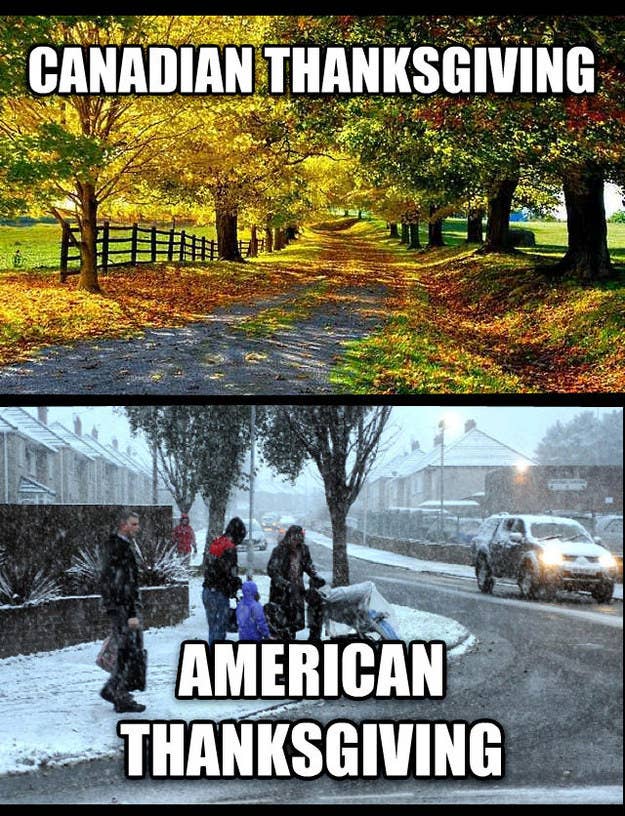
Credit: www.buzzfeed.com
Origins Of American Thanksgiving
American Thanksgiving began long ago as a day to give thanks for a good harvest. It started with early settlers and Native Americans sharing a meal. This day grew from a simple celebration into a national holiday.
Understanding the roots of Thanksgiving helps us see its meaning today. It is a story of gratitude, survival, and community.
Pilgrim Celebrations
The first Thanksgiving is often linked to the Pilgrims in 1621. They landed in Plymouth, Massachusetts, after a hard winter. Many Pilgrims faced hunger and sickness but survived.
To celebrate their first successful harvest, they held a feast. Native Americans joined them, bringing food and helping with farming. This event lasted three days and showed friendship and thanks.
Evolution Over Time
Thanksgiving changed over the years. It was not a fixed holiday at first. Different states celebrated on different days or not at all.
In 1863, President Abraham Lincoln made Thanksgiving a national holiday. He chose the last Thursday in November. Later, the date moved to the fourth Thursday to help businesses.
Today, Thanksgiving includes family meals, parades, and football games. It remains a day to appreciate blessings and share with loved ones.
Dates And Timing Differences
Thanksgiving is a special time in both Canada and the United States. The dates and timing of these celebrations differ. This difference highlights unique traditions and histories in each country. Understanding these dates helps appreciate the cultural context of each Thanksgiving.
Canadian Celebration Date
Canadian Thanksgiving takes place on the second Monday of October. It marks the end of the harvest season. This timing reflects Canada’s earlier harvest due to its colder climate. Families gather to give thanks for the bounty of the land and blessings of the past year.
American Celebration Date
American Thanksgiving is celebrated on the fourth Thursday of November. This later date aligns with the end of the American harvest season. It also sets the stage for the busy holiday season that follows. Many Americans use this day to enjoy time with family and reflect on their gratitude.

Credit: www.canadapharmacyonline.com
Traditional Foods Served
Traditional foods play a big role in both Canadian and American Thanksgiving. These dishes bring families together and celebrate the harvest season. Each country has unique recipes and flavors that reflect their culture and history.
Canadian Thanksgiving Dishes
Canadian Thanksgiving meals often include roasted turkey with stuffing. Mashed potatoes and gravy are common side dishes. Cranberry sauce adds a sweet contrast. Pumpkin pie is the favorite dessert. Some families serve butter tarts, a classic Canadian treat. Squash and root vegetables also appear on many tables. These dishes highlight local ingredients and autumn flavors.
American Thanksgiving Staples
American Thanksgiving centers on turkey as well. Stuffing is often made with bread, herbs, and onions. Sweet potatoes, sometimes topped with marshmallows, are popular. Green bean casserole is a traditional side. Cranberry sauce is served, usually canned or homemade. Pumpkin pie is the classic dessert choice. Many families also enjoy cornbread and gravy. These staples reflect a long history of Thanksgiving celebrations in the U.S.
Unique Customs And Activities
Thanksgiving is a time for gratitude and celebration. Both Canada and the United States have special ways to mark this holiday. Their customs and activities show unique cultural touches. These traditions bring families and communities together. They also reflect each country’s history and values.
Canadian Traditions
Canadian Thanksgiving falls in October. People enjoy outdoor activities like hiking and pumpkin picking. Many families gather for a hearty meal. Turkey, stuffing, and cranberry sauce are common dishes. Parades happen in some cities, but on a smaller scale. Football games are popular, especially at the university level. Some communities hold harvest festivals. These include crafts, music, and local food markets. The holiday feels cozy and close to nature.
American Festivities
American Thanksgiving is celebrated in November. Large parades, especially the Macy’s parade, attract millions. Families watch football games on TV or attend local matches. The traditional meal often includes turkey, mashed potatoes, and pumpkin pie. Many people volunteer at shelters or food banks. Black Friday sales start the day after Thanksgiving. This shopping event is a major part of the holiday season. The American Thanksgiving is lively and filled with big events.
Cultural Significance And Meaning
Thanksgiving holds deep cultural meaning in both Canada and the United States. It celebrates gratitude, family, and the harvest season. Each country has unique traditions that shape how people observe this holiday. The stories and reasons behind Thanksgiving reveal much about each nation’s history and values.
Understanding these cultural differences helps appreciate the holiday’s role beyond food and festivities. It reflects how societies honor their past and express thankfulness for the present.
Canadian Perspective
Canadian Thanksgiving is rooted in giving thanks for a good harvest. It traces back to early European settlers and Indigenous peoples. The holiday is a time to appreciate nature’s gifts and community support. It also reflects Canada’s multicultural identity and peaceful coexistence.
The celebration is quieter and less commercial than in the United States. Family gatherings and outdoor activities are common. Many Canadians use this time to reflect on their blessings and the beauty of their land.
American Perspective
American Thanksgiving centers around historical events from the early 1600s. It honors the Pilgrims’ survival and cooperation with Native Americans. The holiday symbolizes unity, hope, and new beginnings.
It is a major national celebration with parades, football games, and large family meals. Americans often focus on gratitude for freedom and opportunity. The holiday also serves as a reminder of the country’s complex past and cultural diversity.
Impact On Travel And Family Gatherings
Thanksgiving impacts travel plans and family gatherings deeply in Canada and the United States. The timing of each holiday shapes how people move and meet. Both countries see a rise in travel but in different ways. Families plan trips to reconnect and celebrate together. Understanding these trends reveals how culture and timing influence travel behavior and family dynamics.
Travel demand spikes near Thanksgiving dates. Airports, highways, and public transport grow busy. Families aim to spend quality time with loved ones. The travel rush can cause delays and higher costs. People adjust plans to avoid the busiest days. These patterns show how Thanksgiving affects life beyond the dinner table.
Canadian Travel Trends
Canadian Thanksgiving falls in October, earlier than the U.S. Many Canadians travel by car to nearby towns. The holiday is shorter, often just one day off work. People tend to take long weekends for family visits. Air travel is less crowded than in November. Weather can be cooler but still safe for driving. Local tourism increases as families explore closer spots. Planning is simpler due to fewer travelers. The earlier date also means less holiday shopping rush.
American Travel Patterns
American Thanksgiving is in late November, near winter’s start. Travel peaks as families fly across states and country borders. Airports and roads see heavy traffic for several days. Many workers take extra days off to extend trips. Black Friday shopping follows the holiday, adding to crowd levels. Weather often complicates travel with snow or rain. Families face higher costs and busy schedules. Planning ahead is key to managing stress. The long holiday encourages larger family reunions and longer stays.
Modern Twists On Traditions
Thanksgiving traditions have evolved with time. Both Canada and the United States celebrate this holiday with unique customs. Modern twists bring fresh energy to old practices. Families and communities add new flavors and activities. These changes keep the holiday fun and meaningful for everyone.
New ideas mix with classic dishes and rituals. Technology, health trends, and cultural diversity shape how people celebrate. This section explores how Canadians and Americans add modern touches to their Thanksgiving.
Innovations In Canada
Canadian families include more local and seasonal foods. Maple syrup and fresh berries often replace traditional sauces. Some try vegetarian or vegan versions of classic dishes. Outdoor activities like hiking and ice skating are popular after meals. Many use smart devices to connect with distant relatives. Virtual dinners have become a way to share the feast. Charity events and community meals have grown in number. These changes reflect Canadian values of sharing and nature.
Contemporary American Practices
In the United States, some hosts add global dishes to their menus. Fusion recipes combine Thanksgiving staples with international flavors. Pumpkin spice treats are more common beyond dessert plates. Sports and parades remain central, but new events appear. Turkey alternatives like tofurkey or plant-based options are popular. Many families start volunteering or donating before the meal. Digital photo albums and live streaming help capture moments. These trends show America’s mix of tradition and innovation.

Credit: www.youtube.com
Frequently Asked Questions
What Is The Main Date Difference Between Canadian And American Thanksgiving?
Canadian Thanksgiving is celebrated on the second Monday of October. American Thanksgiving falls on the fourth Thursday of November. This date gap reflects different historical and seasonal reasons.
How Do Canadian And American Thanksgiving Traditions Differ?
Both countries enjoy turkey, but side dishes vary. Canadians often include dishes like butter tarts. Americans focus on pumpkin pie and cranberry sauce.
Why Is Canadian Thanksgiving Celebrated Earlier Than American Thanksgiving?
Canada’s harvest season ends earlier due to its colder climate. This timing suits the celebration of gratitude for the harvest. The U. S. harvest is later, so their holiday is in November.
Are Thanksgiving Parades Common In Both Canada And The Usa?
Parades are a big part of American Thanksgiving, like the Macy’s Parade. In Canada, parades are less common but still happen in some cities. The U. S. parades are generally larger and more famous.
Do Canadian And American Thanksgivings Share The Same Historical Origins?
Both holidays celebrate gratitude for harvest and blessings. Canada’s Thanksgiving began with explorer Martin Frobisher in 1578. America’s holiday became official in 1863 during the Civil War.
How Do Shopping Traditions Differ Between Canadian And American Thanksgivings?
American Thanksgiving is closely followed by Black Friday sales, a major shopping event. Canadian Thanksgiving does not have a big shopping day immediately after. Canadians shop more on Boxing Day in late December.
Conclusion
Canadian and American Thanksgivings share many traditions. Both celebrate with family, food, and gratitude. Dates differ, but the spirit stays strong. Each has unique customs and history. Enjoying either holiday brings warmth and joy. Whether in Canada or the U.
S. , thankfulness shines bright. Simple moments create lasting memories. Celebrate what matters most—being together and thankful.