
Have you ever walked into your home and caught a strange, unmistakable smell? If you have cats, you might wonder, “Does my house smell like cat?”
Sometimes, the scent is subtle, but other times it can be strong enough to make you uncomfortable or worry about your guests’ reactions. Knowing how to tell if your house smells like cat is the first step to keeping your space fresh and inviting.
You’ll discover simple signs to look out for and easy ways to fix the problem—so you can enjoy your home without worrying about unwanted odors. Keep reading to find out how to sniff out the truth and take control of your home’s scent.

Credit: ohmydogblog.com
Common Cat Odors
Cats bring joy but also unique smells. Knowing these common cat odors helps keep your home fresh. Some smells come from normal cat habits. Others may signal a cleaning or health issue. Recognizing these scents is the first step to managing them effectively.
Litter Box Smell
The litter box often causes the strongest cat smell. Waste and urine create a sharp, ammonia-like odor. Poor ventilation or infrequent cleaning makes the smell worse. Using clumping litter and scooping daily helps reduce odors. A clean litter box keeps the house smelling better.
Wet Fur Scent
Wet cat fur has a distinct smell. It is musty and slightly sour. This scent appears after baths or rainy days. It fades as the fur dries. Regular brushing removes dirt and reduces wet fur odors. Keep towels handy for quick drying.
Spray Marking Odors
Spray marking is a cat’s way to mark territory. It produces a strong, musky smell. This odor is more intense than normal urine. Unneutered males spray more often. Cleaning spray marks quickly prevents lingering smells. Use enzyme cleaners to break down the scent fully.
Identifying Smelly Areas
Identifying smelly areas in your house is the first step to stop cat odors. Cats leave smells in places they use often. These smells can build up and become hard to ignore. Knowing where to check helps you clean better and keep your home fresh.
Carpets And Rugs
Carpets and rugs catch cat urine and dander easily. The fibers hold smells deep inside. Walk around and sniff close to the floor. Patches with stronger smells show where cats may urinate. Stains or damp spots are signs too. Clean these areas quickly to stop the odor.
Furniture And Upholstery
Cats love to sit or scratch on furniture. Sofas, chairs, and cushions can trap smells. Smell near the arms and seat cushions. Check under pillows and in creases. The fabric can soak up urine and sweat. Spot cleaning helps remove bad odors from these spots.
Curtains And Drapes
Curtains can carry cat smells too. Cats might rub against or climb them. Smell the lower parts and folds. These areas hold odors from fur and urine. Washing or airing curtains often keeps smells away. Check curtains regularly for hidden smells.
Health Signs Linked To Odors
Unpleasant odors in your home, especially those linked to cats, can affect your health. These smells often come from litter boxes, fur, or accidents. They may signal hidden problems that impact your well-being. Recognizing health signs tied to these odors is important. It helps protect your respiratory system and reduce allergy risks.
Respiratory Issues
Breathing in strong cat odors can irritate your lungs. This may cause coughing, wheezing, or shortness of breath. People with asthma or other lung problems often feel worse. The smell usually means there are airborne particles or ammonia from urine. These irritants trigger respiratory discomfort and inflammation. Keeping your home clean lowers these risks and improves air quality.
Allergy Symptoms
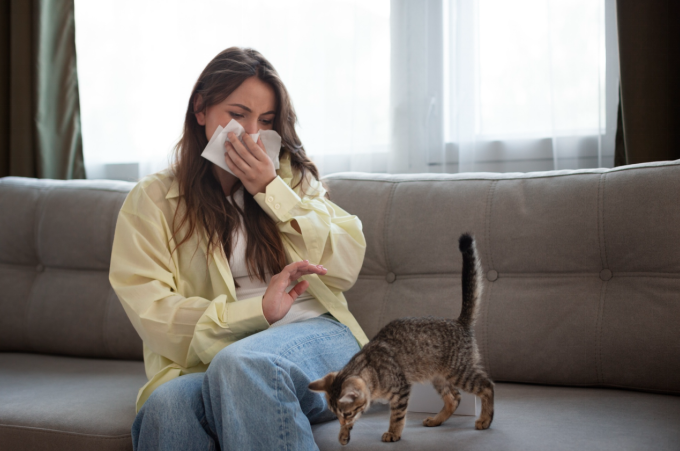
Cat smells often come with allergens like dander and saliva. These tiny particles float in the air and cause sneezing or itchy eyes. Skin rashes and nasal congestion are common too. Allergies may develop or worsen if the odor is strong. Children and sensitive individuals are more prone to reactions. Removing odor sources helps reduce allergy symptoms significantly.
Quick Fixes For Cat Smells
Cat smells can linger in your home and make it less fresh. Quick fixes help reduce these odors fast. Simple steps can improve your home’s scent and comfort.
Cleaning Litter Boxes Regularly
Dirty litter boxes are the main source of cat smells. Scoop waste daily to keep odors low. Change the litter completely at least once a week. Use a mild soap to clean the box before adding fresh litter. This stops smells from building up.
Washing Pet Bedding
Cat beds and blankets hold smells from fur and oils. Wash pet bedding once a week in hot water. Use a pet-safe detergent to remove odors. Dry the bedding completely before use. Clean bedding keeps your home smelling fresh.
Ventilating The Space
Fresh air helps remove cat odors inside your house. Open windows for a few minutes every day. Use fans to improve airflow in rooms where cats spend time. Good ventilation reduces stale air and brings in freshness.
Deep Cleaning Tips
Deep cleaning is key to removing cat smells from your home. Surface cleaning often misses the hidden odors trapped in fabrics and carpets. A thorough cleaning helps refresh your space and keeps it smelling clean. Here are some effective methods to tackle stubborn cat smells deeply.
Steam Cleaning Carpets
Steam cleaning uses hot water and steam to clean deep inside carpet fibers. This process lifts dirt, hair, and odors that regular vacuuming leaves behind. Renting a steam cleaner or hiring a professional can make a big difference. Steam also kills bacteria that cause bad smells.
Using Enzyme Cleaners
Enzyme cleaners break down proteins in cat urine and other stains. These cleaners target the source of the odor instead of just masking it. Apply enzyme cleaner to affected areas and let it sit for the time recommended on the label. This method is safe for most surfaces and pets.
Removing Odors From Furniture
Fabric furniture can trap cat odors easily. Use a vacuum with a brush attachment to remove loose dirt and fur first. Next, apply an odor neutralizer or baking soda to absorb smells. Let it sit for a few hours, then vacuum again. For stubborn odors, consider steam cleaning upholstery.
Preventing Future Odors
Preventing future cat odors helps keep your home fresh and clean. It takes small daily steps and simple changes. These habits stop smells before they start. Your house will feel nicer for you and your guests.
Regular Grooming
Brush your cat often to reduce loose fur and dirt. Clean cats smell less. Check their fur for any spots that might cause odors. Bathing your cat sometimes can also help. Grooming keeps your pet healthy and your home smelling better.
Proper Litter Box Placement
Place the litter box in a well-ventilated area. Avoid small, closed rooms. Clean the box daily to stop bad smells. Use good quality litter that absorbs moisture well. Proper placement and cleaning make a big difference.
Using Air Purifiers
Air purifiers remove dust and odors from the air. Choose one designed to capture pet smells and allergens. Run the purifier regularly in rooms where your cat spends time. Fresh air improves the whole house atmosphere.
When To Call A Professional
Knowing when to call a professional can save your home from lasting cat odors. Some smells are hard to remove with regular cleaning. Professionals use special tools and cleaners to handle tough odors. They can find hidden sources of the smell. This helps keep your home fresh and healthy.
Persistent Odors
Persistent cat odors can stick around for weeks or months. These smells often come from urine in carpets, furniture, or walls. Regular cleaning may not fully remove the odor. A professional can use deep cleaning methods to reach all areas. They also treat the source to stop the smell from returning. Persistent odors need special care to vanish completely.
Severe Allergies
Cat smells can cause strong allergic reactions in some people. Sneezing, coughing, and itchy eyes may happen often. If allergies get worse despite cleaning, a professional can help. They remove allergens and clean deeply to improve air quality. This makes the home safer for people with allergies. Severe allergies need expert attention for relief.

Credit: outerlayer.com
Credit: wopet.com
Frequently Asked Questions
How Can I Detect A Cat Smell In My House?
Cat smell often comes from litter boxes, fur, or uncleaned accidents around the home.
What Are Common Sources Of Cat Odors Indoors?
Litter boxes, cat urine, fur, and dander are the main sources of indoor cat smells.
Why Does My House Smell Like Cat Urine Sometimes?
Cat urine has a strong smell that sticks to carpets, furniture, and fabrics if not cleaned quickly.
How Often Should I Clean To Avoid Cat Odors?
Clean litter boxes daily and wash pet bedding weekly to keep cat smells away.
Can Poor Ventilation Cause Cat Smells To Linger?
Yes, bad airflow traps odors inside, making cat smells last longer in your home.
Conclusion
A house that smells like cat can feel uncomfortable. Spotting the signs early helps keep your home fresh. Clean regularly and air out rooms often. Use safe products to remove odors effectively. Pay attention to hidden spots like carpets and furniture.
Taking small steps makes a big difference. Enjoy a clean, pleasant-smelling home every day. Your comfort matters, and fresh air helps a lot. Keep your space inviting for both you and your pets. Simple actions lead to a happier home environment.