
Is your water heater not getting as hot as it used to? You rely on it every day, and when the water feels lukewarm instead of piping hot, it can be frustrating.
Maybe you’ve tried waiting longer or adjusting the thermostat, but nothing seems to work. If you’re wondering why this is happening and how to fix it, you’re in the right place. Understanding the common reasons behind this problem can save you time, money, and the discomfort of cold showers.
Keep reading to discover what might be causing your water heater to underperform and what you can do about it.
Common Reasons For Low Water Temperature
Low water temperature from your water heater can be frustrating. It means you do not get hot water as expected. Several common issues cause this problem. Knowing these can help you fix it quickly.
These reasons often relate to parts inside the heater or how it is set up. Let’s explore the main causes of low water temperature in your water heater.
Thermostat Issues
The thermostat controls the water temperature. If it breaks or malfunctions, the water stays cool. Sometimes the thermostat is set too low. Other times, it just stops working. Checking or replacing it can restore hot water.
Sediment Buildup
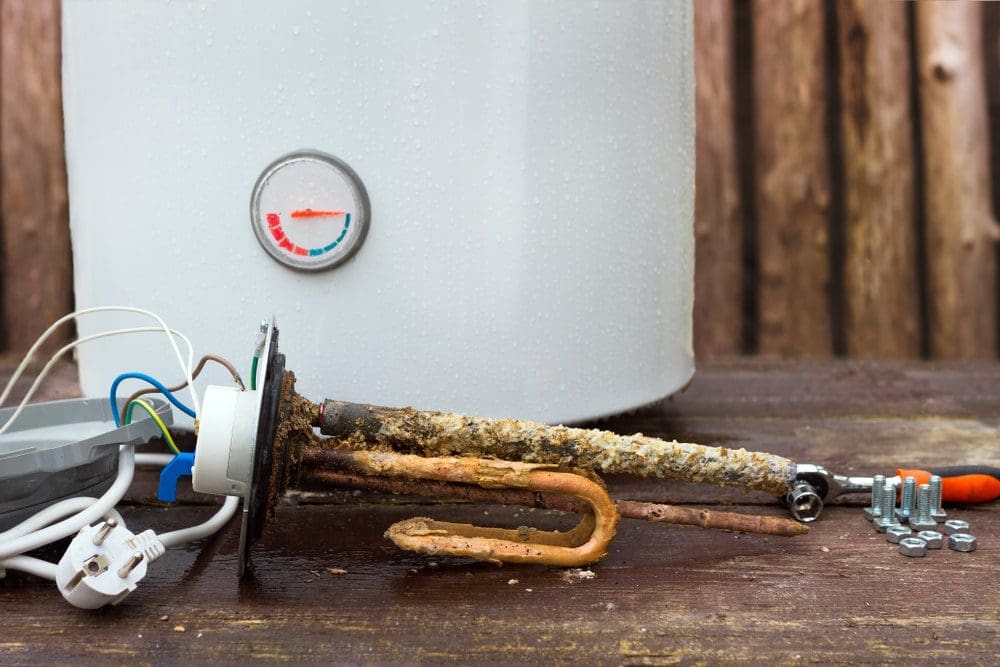
Minerals in water create sediment inside the tank. This layer covers the heating parts. It stops heat from reaching the water properly. Sediment buildup lowers water temperature. Flushing the tank can remove this problem.
Heating Element Problems
The heating element warms the water directly. If it burns out or wears down, it cannot heat well. A faulty heating element causes cold or lukewarm water. Testing and replacing the element solves this issue.
Insufficient Power Supply
Electric water heaters need enough power to work. A weak or disrupted power supply reduces heating. Circuit breakers may trip or wiring can fail. Checking the power source ensures the heater runs correctly.
Incorrect Temperature Setting
Sometimes the water heater is set too low. This setting limits how hot the water gets. Adjusting the temperature to a higher level can fix the problem. Always follow safety guidelines when changing settings.

Credit: suhulnjid.com
Signs Of A Malfunctioning Water Heater
Recognizing signs of a malfunctioning water heater helps prevent bigger problems. Early detection saves money and avoids cold showers. Watch closely for changes in how your water heater works. These signs hint that something is wrong inside the unit.
Fluctuating Water Temperature
One sign is water temperature that goes up and down. Sometimes hot, sometimes cold without reason. This means the heater struggles to keep a steady heat. It may point to a faulty thermostat or heating element. Consistent temperature is key for comfort and safety.
Unusual Noises
Strange sounds like banging, popping, or rumbling are warnings. These noises come from sediment buildup inside the tank. Sediment hardens and traps heat, causing noises. Ignoring these sounds can lead to tank damage or failure.
Water Takes Too Long To Heat
If hot water takes longer than usual, there is a problem. The heating element might be weak or broken. Sediment can also slow heating by covering the element. Slow heating wastes energy and causes frustration every day.
Leaks Or Rust
Leaks around the water heater or rust on the tank surface are serious signs. Water leaks damage floors and walls. Rust means the tank is corroding inside. Both issues signal the need for repair or replacement soon.
Troubleshooting Thermostat Problems
Troubleshooting thermostat problems is key when a water heater is not heating properly. The thermostat controls the water temperature. Faulty settings or a broken thermostat can cause low heat. Checking these issues helps restore hot water fast.
Checking And Adjusting Settings
First, turn off the power to the water heater. Remove the thermostat cover to see the dial or digital display. Check the temperature setting. It should be between 120°F and 140°F for safe, hot water.
Adjust the dial if it is too low. Make small changes and test the water temperature after a few hours. Too low settings cause lukewarm water. Too high settings waste energy and risk burns.
Replacing A Faulty Thermostat
A thermostat that does not respond to adjustments may be broken. Signs include no heat change or water too hot. Test the thermostat with a multimeter for electrical continuity. No reading means it is defective.
Turn off power and drain some water before replacing. Remove the old thermostat and install a new one. Match the model to your water heater. After replacement, restore power and check water temperature again.
Dealing With Sediment Buildup
Sediment buildup inside a water heater tank can reduce its heat efficiency. Over time, minerals from hard water settle at the bottom of the tank. This layer blocks heat transfer and lowers water temperature. Sediment also causes strange noises and shortens the heater’s life. Regular care helps keep the heater working well and water hot.
Flushing The Tank
Flushing the tank removes sediment and improves heating. First, turn off the power or gas supply. Next, attach a hose to the drain valve at the tank bottom. Drain water into a safe place until it runs clear. This clears out sediment and debris. Flushing once a year keeps the heater clean and efficient.
Using Water Softeners
Water softeners reduce minerals that cause sediment buildup. They remove calcium and magnesium from water before it enters the heater. Soft water helps prevent scale inside the tank. Installing a water softener extends the heater’s life. It also keeps water heating evenly and saves energy.
Repairing Or Replacing Heating Elements
Heating elements in a water heater are key to warming your water. Over time, these parts can wear out or break. Fixing or changing them can restore your water heater’s heat. This process is often simple and saves money compared to replacing the whole unit.
Testing Heating Elements
Start by turning off the power to your water heater. Use a multimeter to check the heating element’s resistance. A good element usually shows a reading between 10 and 30 ohms. If the meter reads zero or infinity, the element is faulty. Also, inspect for visible signs like burns or breaks. Testing helps find the exact problem fast.
Installation Tips
Always ensure the power is off before starting any work. Drain the tank to avoid water spills. Use the right size and type of heating element for your model. Tighten the element carefully to avoid leaks but do not over-tighten. Refill the tank slowly and check for leaks. Restore power only after the tank is full. Proper installation improves heater life and performance.
Credit: www.cahy.com.br
Ensuring Proper Power Supply
Ensuring a proper power supply is key to a water heater working well. Without enough electricity, the heater cannot reach the right temperature. Checking the power source helps find simple issues causing low heat.
Many water heater problems come from poor electrical connections or tripped circuit breakers. Fixing these can restore full heating power fast. Here are two important steps to check the power supply.
Checking Electrical Connections
Start by examining the wiring to your water heater. Loose or damaged wires stop electricity from flowing properly. Turn off the power before touching any wires to stay safe. Look for signs of wear, corrosion, or loose nuts on connections. Tighten or replace any bad wires to improve power delivery.
Circuit Breaker Inspection
Next, check your home’s circuit breaker panel. A tripped breaker cuts power to the water heater. Find the breaker labeled for the heater and see if it is in the “off” position. Flip it back to “on” to restore power. If the breaker trips again, it may indicate a bigger electrical issue needing professional help.
Adjusting Temperature Settings Safely
Adjusting the temperature settings on your water heater can solve issues with water not getting hot enough. It requires care to prevent damage or safety risks. Follow simple steps to adjust the temperature safely and keep your home comfortable.
Recommended Temperature Range
Set your water heater temperature between 120°F and 140°F. This range heats water effectively without wasting energy. Most homes find 120°F enough for daily use. This setting saves money on energy bills. Avoid setting the temperature above 140°F to reduce wear on the heater.
Avoiding Scalding Risks
High water temperatures can cause burns. Keep temperatures low to protect children and elderly family members. Use anti-scald devices on faucets if needed. Test water temperature before use. Adjust settings slowly and check changes carefully. Safety is the priority when controlling water heat.
When To Call A Professional
Knowing when to call a professional for your water heater is important. Some problems are easy to fix. Others need expert help. Calling a pro can save time and avoid bigger issues.
Complex Repairs
Water heaters have many parts. Some repairs need special tools and skills. Fixing a broken thermostat or heating element can be tricky. Professionals know how to handle these complex repairs safely and correctly.
Safety Concerns
Water heaters use electricity or gas. This can be dangerous without proper knowledge. Gas leaks or electrical faults can cause fires or explosions. A professional ensures repairs meet safety standards and protect your home.

Credit: www.youtube.com
Frequently Asked Questions
Why Is My Water Heater Not Heating Water Properly?
A faulty thermostat or heating element often causes insufficient water heating.
Can Sediment Buildup Cause A Water Heater To Stay Cold?
Yes, sediment can block heat transfer, making water heater less effective.
How Does A Broken Thermostat Affect Water Heater Temperature?
A broken thermostat may fail to signal heating, keeping water too cool.
Does Low Water Pressure Impact Water Heater Performance?
Low water pressure can reduce hot water flow and lower temperature.
When Should I Call A Professional For Water Heater Issues?
Call a professional if troubleshooting doesn’t fix heating or if leaks appear.
Conclusion
A water heater not getting hot can cause real trouble. Check the thermostat and heating elements first. Sometimes, sediment buildup reduces heat efficiency. Regular maintenance helps your heater work better. Small fixes often save you from big costs. Stay alert to unusual noises or smells.
Getting hot water back means comfort and ease. Act early to keep your system running well. Don’t ignore signs of trouble—it saves time and money. Keep your home warm with a well-working water heater.