
Are you worried about mold lurking in your home and affecting your health? You’ve probably heard that air purifiers can help—but do they really work against mold?
Understanding how air purifiers tackle mold spores can make a big difference in keeping your space clean and safe. You’ll discover what air purifiers can and can’t do when it comes to mold, so you can make the best choice for your home and your health.
Keep reading to find out if an air purifier is the solution you’ve been searching for.
:max_bytes(150000):strip_icc()/hlt-detail-germguardian-airsafe-intelligent-air-purifier-ac3000w-dburreson-17-c12767050e8145ef940b6a52c983e6ba.jpeg)
Credit: www.health.com
How Mold Affects Indoor Air
Mold grows in damp places inside homes. It releases tiny spores into the air. These spores travel easily and can spread throughout rooms. Breathing in these spores lowers indoor air quality. This can create an unhealthy environment for people living inside.
Many people do not see mold spores. They float silently and cause problems over time. Mold spores can trigger allergies and breathing troubles. Understanding how mold affects indoor air helps to keep homes safer.
Health Risks Linked To Mold
Mold spores cause allergic reactions in many people. Common symptoms include sneezing, coughing, and itchy eyes. Some individuals suffer from asthma attacks triggered by mold. Long exposure may lead to chronic breathing problems. Children and elderly people are more vulnerable to mold effects.
Common Mold Sources Indoors
Mold grows best in wet, warm, and dark spots. Bathrooms, kitchens, and basements often have mold problems. Leaky pipes and roofs create perfect mold conditions. Poor ventilation and high humidity also encourage mold growth. Regular cleaning and drying help reduce mold indoors.
Air Purifiers And Mold Spores
Mold spores float in the air and cause health problems. Air purifiers help reduce these spores indoors. They capture and trap tiny mold particles. This lowers the amount of mold in the air. Using the right air purifier can improve air quality and comfort.
Types Of Air Purifiers
There are several types of air purifiers available. HEPA purifiers are common and very effective. They trap particles as small as mold spores. Activated carbon purifiers absorb odors and gases. Some purifiers use UV light to kill mold spores. Others combine these methods for better results. Choosing the right type depends on your needs and space.
Filtration Technologies Explained
HEPA filters work by trapping particles in a dense mesh. This stops mold spores from circulating. Activated carbon filters use a special material to absorb smells. They help remove musty odors caused by mold. UV light purifiers destroy spores using ultraviolet rays. This prevents spores from growing and spreading. Some purifiers have pre-filters to catch larger dust and hair. Good filtration improves air quality and reduces mold risks.
Effectiveness Of Air Purifiers Against Mold
Air purifiers can help reduce mold spores in the air. They use filters to trap tiny particles, including mold spores. This can improve air quality and lower allergy symptoms. Yet, air purifiers have limits in fighting mold problems.
Removing Mold Spores From Air
Air purifiers with HEPA filters capture most mold spores. These filters trap particles as small as 0.3 microns. This reduces the number of spores floating in the air. Clean air helps people with mold allergies breathe easier.
Some purifiers use UV light to kill spores. UV light can damage mold DNA, stopping growth. This adds extra protection beyond filtering. Regular use keeps indoor air cleaner and safer.
Limitations Of Air Purifiers
Air purifiers only clean the air, not surfaces. Mold growing on walls or furniture stays untouched. Spores released from these surfaces keep returning to the air. Without fixing moisture and mold sources, spores will persist.
Air purifiers must run continuously for best results. They work well in small or medium rooms. Large areas or high mold levels reduce their effectiveness. Filters need regular replacement to maintain performance.

Credit: www.airpurifierfirst.com
Choosing The Right Air Purifier
Choosing the right air purifier matters a lot for mold control. Not all air purifiers work the same way against mold spores. Some remove particles, others kill mold or neutralize odors. Understanding the main types helps pick the best one for your space. The right purifier keeps air cleaner and reduces mold problems effectively.
Hepa Filters And Mold
HEPA filters trap tiny particles, including mold spores. They remove up to 99.97% of particles as small as 0.3 microns. Mold spores often fall into this size range. HEPA air purifiers stop spores from circulating in the air. This helps prevent mold from spreading and growing inside your home.
Uv-c Light And Mold Control
UV-C light kills mold spores by breaking down their DNA. Air purifiers with UV-C light reduce live mold spores. This lowers the chance of mold growing on surfaces. UV-C light works best combined with filters for full protection. It does not remove spores but stops them from multiplying.
Activated Carbon Filters
Activated carbon filters absorb mold odors and harmful gases. They do not catch mold spores directly. These filters improve air smell and reduce allergens from mold. Using carbon filters with HEPA or UV-C gives better mold control. Carbon filters keep indoor air fresh and less irritating.
Additional Mold Control Strategies
Air purifiers help reduce mold spores in the air, but they are not enough alone. You need other steps to control mold fully. These steps stop mold growth and keep your home safe and clean. Here are some key strategies to add to your mold control plan.
Humidity Control
Mold grows well in wet, humid places. Keep indoor humidity below 50 percent. Use a dehumidifier or air conditioner in damp areas. Fix leaks and dry wet spots quickly. Good ventilation in bathrooms and kitchens helps too.
Regular Cleaning And Maintenance
Clean often to stop mold growth. Use mold-killing cleaners on surfaces prone to mold. Check places like basements, bathrooms, and behind furniture. Remove dust and dirt that mold spores can grow on. Keep gutters and drains clear to prevent water buildup.
Professional Mold Remediation
Big mold problems need experts. Professionals find hidden mold and remove it safely. They fix moisture problems to stop mold from coming back. Call a professional if mold covers more than 10 square feet or causes health issues.
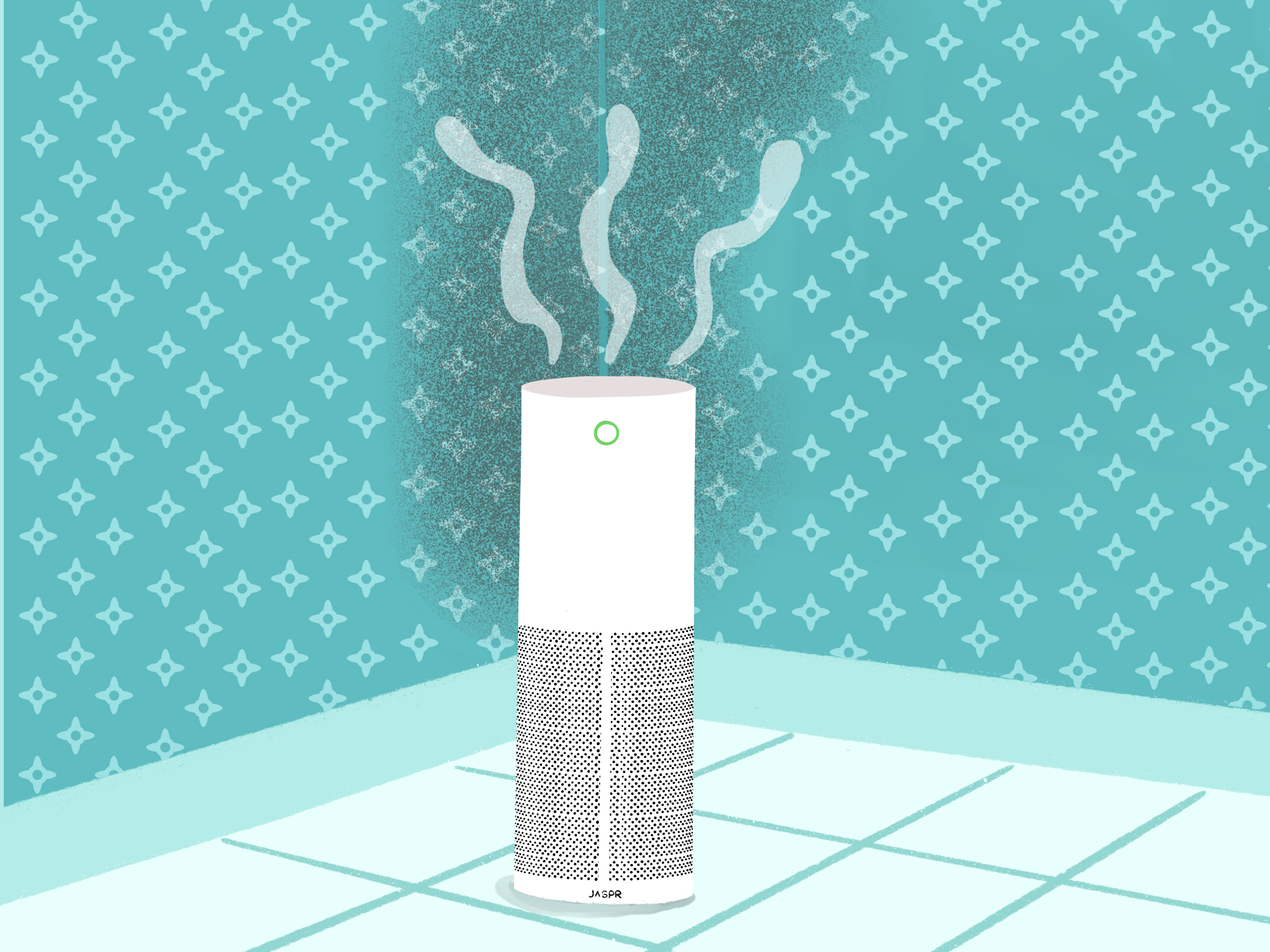
Credit: jaspr.co
Real User Experiences
Many people have tried air purifiers to reduce mold in their homes. Their experiences show both good results and some difficulties. Reading real user stories helps to understand how air purifiers work for mold in daily life.
Success Stories
Several users report cleaner air after using air purifiers. They notice less mold smell and fewer allergy symptoms. Some say their air quality improved within days. These users often choose purifiers with HEPA filters. The filters catch mold spores and stop them from spreading. Regular filter changes keep the purifier effective. Many find air purifiers helpful in small rooms or areas with mold problems.
Common Challenges
Not all experiences are positive. Some users find air purifiers less effective against heavy mold growth. Large mold patches need cleaning, not just air filtering. Others mention noise as a problem, making it hard to use purifiers all day. Some purifiers require high maintenance and filter replacements. Without these, mold spores can return quickly. Also, air purifiers do not fix moisture issues that cause mold. Users must control humidity for best results.
Frequently Asked Questions
Can Air Purifiers Remove Mold Spores From The Air?
Yes, air purifiers with HEPA filters can capture mold spores. They reduce airborne mold and improve indoor air quality.
Do Air Purifiers Kill Mold Or Just Trap Spores?
Air purifiers trap mold spores but do not kill mold. Removing mold growth requires cleaning and moisture control.
Which Type Of Air Purifier Is Best For Mold?
HEPA air purifiers are best for mold spores. Some models also have activated carbon filters for odors.
How Often Should Air Purifier Filters Be Changed For Mold?
Filters should be changed every 3 to 6 months. Frequent changes keep the purifier effective against mold spores.
Can Air Purifiers Prevent Mold Growth In Homes?
Air purifiers reduce airborne spores but don’t stop mold growth. Fixing leaks and controlling humidity is essential to prevent mold.
Conclusion
Air purifiers can help reduce mold spores in the air. They work best alongside cleaning and moisture control. Mold grows in damp places, so fixing leaks matters most. Purifiers improve air quality but do not remove mold from surfaces. Choose a purifier with a HEPA filter for better results.
Regular maintenance keeps your device working well. Clean your home often to prevent mold growth. Using an air purifier is one step toward a healthier home. Remember, controlling moisture is key to stopping mold problems.