
Have you ever wondered what’s really floating in the air you breathe every day? Dust, pollen, pet dander, and even invisible germs can quietly affect your health and comfort.
That’s where an air purifier comes in. But what exactly is an air purifier, and how can it make a difference in your home or office? Keep reading to discover how this simple device can transform your air quality, protect your well-being, and create a fresher, cleaner space for you and your loved ones.

Credit: housefresh.com
How Air Purifiers Work
An air purifier cleans the air in your home or office. It removes dust, pollen, smoke, and other tiny particles. This helps improve air quality and reduce allergies or breathing problems.
Air purifiers use different parts and methods to clean the air effectively. Understanding how they work helps you choose the right one for your needs.
Filtration Technologies
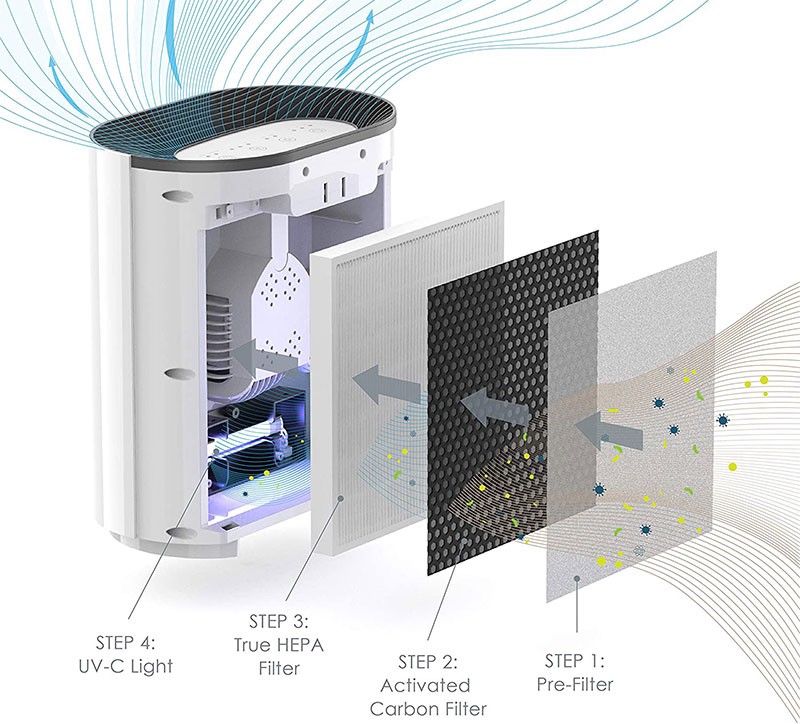
Air purifiers use filters to trap harmful particles. Some use simple mesh filters to catch large dust and hair. Others use advanced filters like HEPA, which catch very small particles.
Some models include carbon filters to remove bad smells and gases. Other purifiers use UV light to kill germs and bacteria.
Air Intake And Circulation
Air purifiers pull air inside using a fan. The air passes through the filters that trap pollutants. Clean air then flows out to the room.
This process repeats to keep the air fresh. Good circulation helps the purifier clean larger spaces quickly.
Types Of Filters
HEPA filters capture 99.97% of tiny particles. These include dust, pollen, and pet dander. Carbon filters absorb odors and harmful gases.
Pre-filters catch larger particles to protect the main filter. Some purifiers use ionizers that charge particles to make them stick to surfaces.
Benefits Of Using Air Purifiers
Air purifiers bring many benefits to indoor spaces. They clean the air by removing dust, pollen, and other tiny particles. This makes the environment healthier and more comfortable. Using an air purifier helps protect your family from harmful pollutants.
Reducing Allergens And Asthma Triggers
Air purifiers capture allergens like dust, pet dander, and pollen. These particles can cause sneezing, coughing, and itchy eyes. For people with asthma, allergens can trigger attacks. Removing these irritants lowers the chances of allergic reactions and asthma problems.
Eliminating Odors And Pollutants
Air purifiers remove unpleasant smells from cooking, pets, and smoke. They also reduce harmful chemicals and pollutants in the air. This creates a fresher, cleaner indoor space. Breathing clean air feels better and supports overall health.
Improving Sleep Quality
Clean air helps you breathe easier at night. Air purifiers reduce airborne irritants that disturb sleep. This leads to deeper, more restful sleep. Better sleep improves mood, energy, and daily focus.
Common Air Pollutants Indoors
Indoor air often contains many invisible pollutants. These pollutants can affect health and comfort. Knowing common indoor pollutants helps you understand the need for air purifiers. Some pollutants come from everyday activities. Others enter from outside or build up over time.
Dust And Pet Dander
Dust includes tiny particles from skin, fabric, and dirt. Pet dander is made of small skin flakes from animals. Both can cause allergies and breathing problems. They often float in the air or settle on surfaces. Regular cleaning helps, but these particles stay in the air long.
Mold Spores And Bacteria
Mold grows in damp places like bathrooms and basements. Mold releases spores that float in the air. Bacteria can spread through air from surfaces or people. Both may cause allergies, infections, or worsen asthma. Controlling moisture and using an air purifier reduces these risks.
Volatile Organic Compounds
Volatile Organic Compounds (VOCs) come from paints, cleaners, and furniture. These chemicals evaporate into the air easily. VOCs can cause headaches, dizziness, and irritation. Some VOCs may harm long-term health. Ventilation and air purifiers with carbon filters help remove VOCs.
:strip_icc()/bhg-air-purifiers-test-alen-breathesmart-75i-melanie-fincher-08-d48b2473f8ca469f99d2258fb344c36e.jpeg)
Credit: www.bhg.com
Choosing The Right Air Purifier
Choosing the right air purifier is important for clean and healthy air. Different models suit different needs. Consider key factors before buying. This helps you get the best air purifier for your space and health.
Room Size Considerations
Match the air purifier to your room size. A small unit cannot clean large rooms well. Check the purifier’s coverage area. It shows how much space it can clean. Measure your room to pick the right size. A good fit ensures fresh air everywhere.
Filter Types And Maintenance
Air purifiers use different filters to trap particles. HEPA filters catch tiny dust, pollen, and smoke. Carbon filters remove odors and gases. Some models combine both for better cleaning. Check how often filters need changing. Easy maintenance keeps the purifier working well.
Noise Levels And Energy Use
Noise can bother you, especially at night. Look for quiet models if noise is a concern. Many purifiers show decibel levels in their specs. Energy use matters for electricity bills. Choose energy-efficient purifiers to save power. Quiet and efficient models offer comfort and savings.
Placement And Usage Tips
Placing and using an air purifier correctly makes a big difference. It helps clean the air faster and works better. Simple tips can improve how your air purifier works in any room.
Optimal Room Positioning
Place the air purifier in an open space. Avoid corners or behind furniture. Keep it at least a few feet from walls. This allows air to flow freely. Position it near where you spend most time. Bedrooms and living rooms are good spots. Do not block the air intake or outlet.
Running Time Recommendations
Run the air purifier for several hours a day. Start with 8 to 12 hours in the room you use most. Use longer times in places with high pollution. Turn it on before you enter the room. Keep it running while you stay inside. Turn it off when the room is empty for hours.
Complementary Air Quality Practices
Keep windows and doors closed while using the purifier. Clean or replace filters regularly. Vacuum and dust your room often. Avoid smoking or burning candles indoors. Use exhaust fans in kitchens and bathrooms. These habits help your purifier work better and keep air fresh longer.
Credit: aeno.com
Myths And Facts About Air Purifiers
Air purifiers have many myths surrounding their use and benefits. It is important to clear up these myths with facts. Knowing what air purifiers can and cannot do helps in making better choices for cleaner air.
Effectiveness Against Viruses
Some believe air purifiers can kill all viruses instantly. This is not true. Most air purifiers trap particles, including some viruses. They reduce virus spread but do not eliminate all viruses. Using a purifier along with other safety steps works best.
Ozone Emission Concerns
There is a fear that air purifiers release harmful ozone. Only certain types, like ozone generators, produce ozone. Most modern purifiers do not emit dangerous ozone levels. Choosing purifiers certified for low ozone keeps air safe.
Maintenance Importance
Many ignore purifier maintenance. Dirty filters reduce purifier performance. Regular cleaning and filter changes keep purifiers working well. Following the manufacturer’s guide ensures fresh and clean air.
Frequently Asked Questions
What Is An Air Purifier And How Does It Work?
An air purifier cleans the air by removing dust, pollen, and pollutants. It uses filters or technology to trap harmful particles. This helps improve indoor air quality and breathing comfort.
Why Should I Use An Air Purifier At Home?
Air purifiers reduce allergens and harmful particles in your home. They help people with allergies, asthma, or breathing issues. Clean air creates a healthier and fresher living space.
Which Types Of Pollutants Can Air Purifiers Remove?
Air purifiers remove dust, smoke, pet dander, pollen, and mold spores. Some models also capture bacteria and viruses. This reduces airborne germs and irritants indoors.
How Often Should I Replace Air Purifier Filters?
Filter replacement depends on the model and usage but usually every 3-6 months. Check the manufacturer’s instructions for specific guidance. Clean filters keep the purifier working well.
Can Air Purifiers Help With Covid-19 Or Viruses?
Air purifiers with HEPA filters can trap particles carrying viruses. They lower virus spread in indoor air but do not replace masks or cleaning. Using purifiers adds extra protection indoors.
Conclusion
An air purifier helps clean the air you breathe every day. It removes dust, pollen, and harmful particles. This makes your home healthier and fresher. Using one can reduce allergies and improve sleep quality. Choosing the right purifier depends on your room size and needs.
Clean air supports better health for you and your family. Consider an air purifier as a simple step to improve indoor air. Breathe easier, feel better, and enjoy a cleaner space.