
Are you worried about your electricity bill rising because of your air purifier? You’re not alone.
Many people wonder how much power these devices actually use and if they’re costing more than they should. Understanding the electricity consumption of your air purifier can help you save money and make smarter choices for your home. Keep reading, and you’ll discover the facts that will help you use your air purifier efficiently without surprises on your energy bill.
Air Purifier Power Basics
Understanding how much electricity air purifiers use starts with knowing their power basics. Air purifiers run on electricity to clean the air in your home or office. Knowing their power use helps you manage your energy bills better. It also helps in choosing the right model for your needs.
Let’s break down the basic power details of air purifiers. This will show you what affects their electricity use and what typical power ranges look like.
Typical Wattage Range
Most air purifiers use between 20 and 100 watts of power. Small or portable units usually use around 20 to 40 watts. Larger, more powerful models can use up to 100 watts or more. The exact wattage depends on the purifier’s size and features. Running at low fan speeds uses less power. High speeds or extra functions increase electricity use.
Factors Affecting Power Use
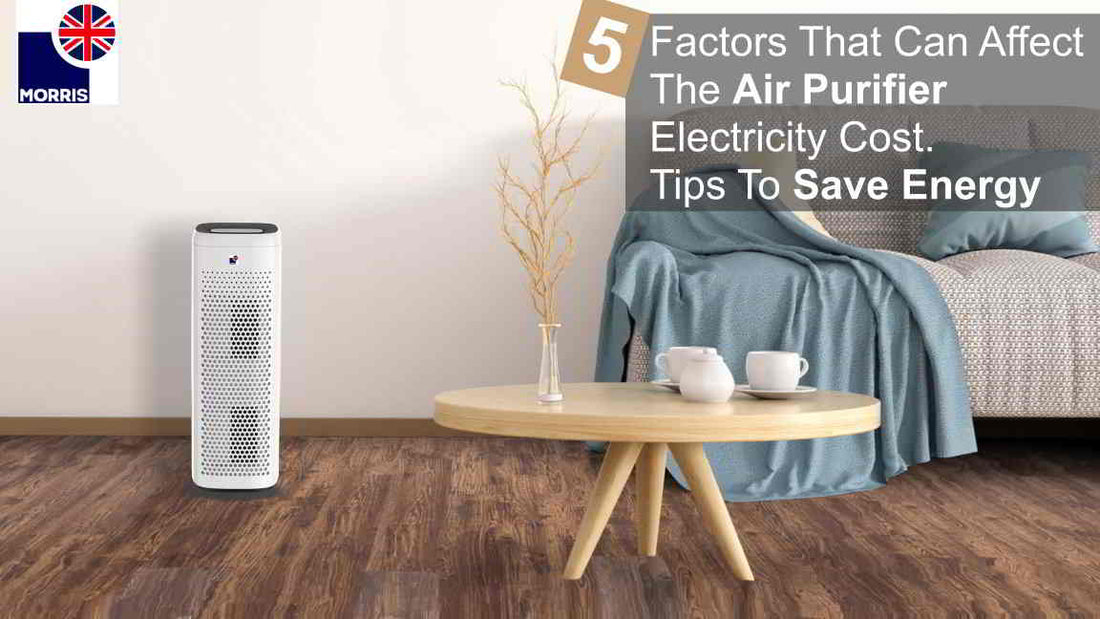
Several factors change how much power an air purifier uses. Fan speed is a major one. Higher speeds push more air but use more electricity. The type of filter also matters. Some filters need more power to work well. The size of the room affects power needs too. Bigger rooms require stronger purifiers that use more electricity. Features like UV lights or ionizers add to power consumption. How long you run the purifier each day also affects total energy use.
Credit: www.morrisdirect.co.uk
Energy Consumption By Type
Air purifiers use different amounts of electricity depending on their type. Knowing how much power each type consumes helps you choose the right one for your home. Some models use more energy because of their technology and parts.
Hepa Filters
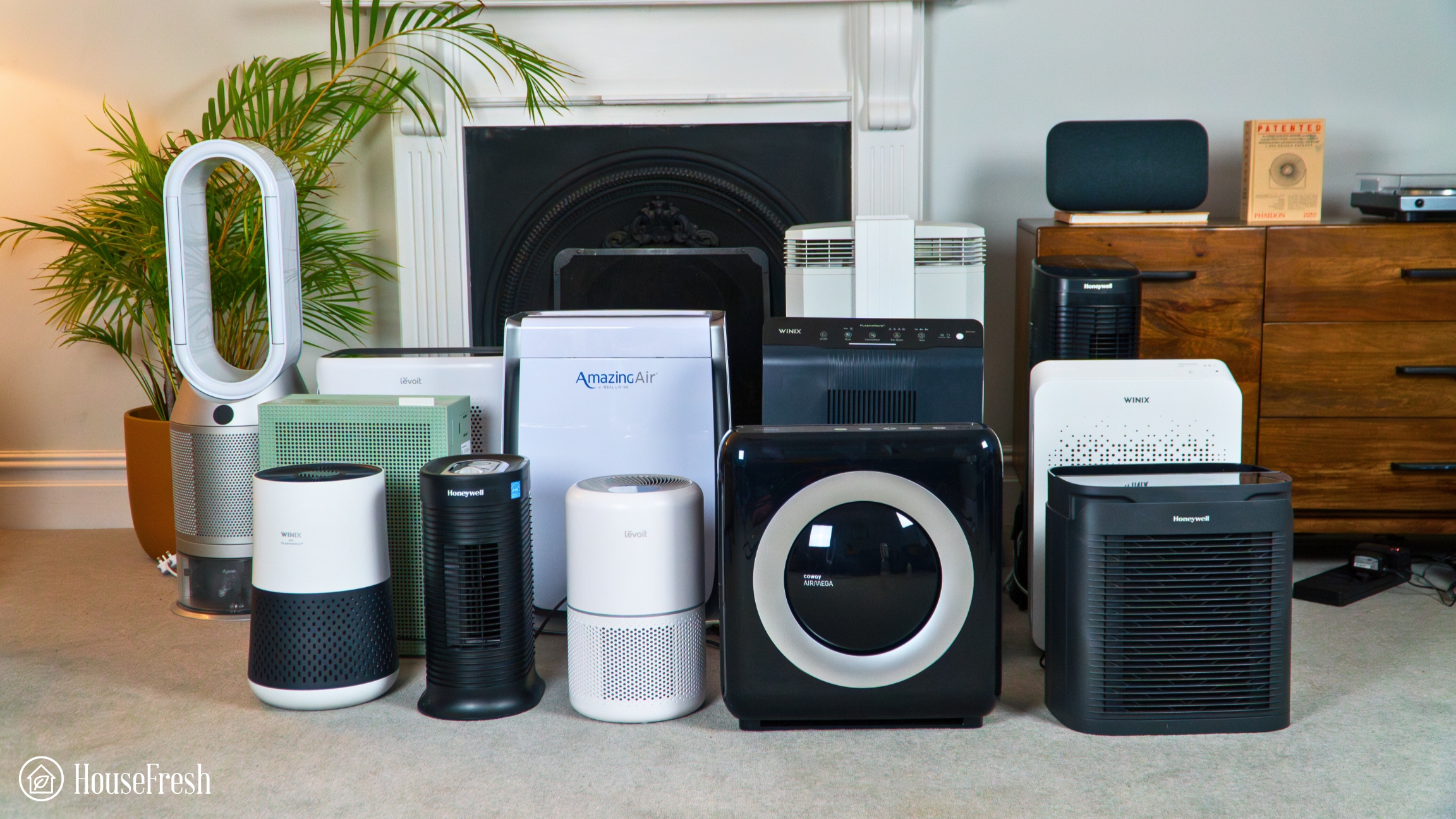
HEPA filter air purifiers use a fan to pull air through a dense filter. The fan speed affects how much electricity they use. Most HEPA models consume between 50 and 100 watts. Running them all day can increase your electric bill. Newer HEPA purifiers often have energy-saving modes.
Ionizers
Ionizer air purifiers create charged particles to clean the air. They use less power than HEPA models, often below 20 watts. Ionizers do not need fans, so they are more energy-efficient. They work quietly and cost less to run daily.
Uv Light Models
UV light purifiers use ultraviolet light to kill germs. They combine UV bulbs with fans or filters. UV bulbs can use around 10 to 40 watts. The fan adds to the total energy use, usually about 20 to 50 watts. These models use moderate electricity but offer strong air cleaning.
Calculating Electricity Costs
Calculating electricity costs for air purifiers helps you understand their impact on your energy bill. It depends on the power consumption and the time the purifier runs each day. Knowing these numbers lets you plan your budget better. Let’s break down how to estimate daily, monthly, and yearly expenses.
Estimating Daily Usage
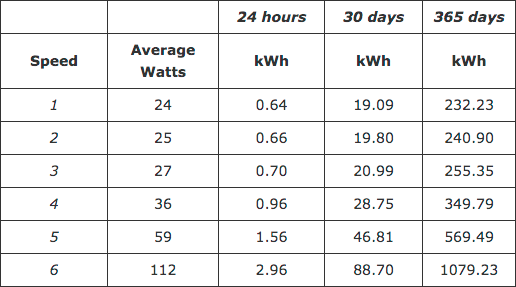
Check the air purifier’s wattage on the label or manual. Most models use between 30 to 100 watts. Multiply the wattage by the hours you run the purifier each day. For example, a 50-watt purifier running 8 hours uses 400 watt-hours daily. Convert this to kilowatt-hours (kWh) by dividing by 1,000. So, 400 watt-hours equals 0.4 kWh per day.
Monthly And Yearly Expenses
Find your local electricity rate, usually in cents per kWh. Multiply your daily kWh by this rate to get the daily cost. Then multiply by 30 for a monthly estimate. Multiply by 365 for a yearly total. For instance, if your rate is 12 cents per kWh, 0.4 kWh per day costs about 5 cents daily. That adds up to $1.50 monthly and $18 yearly.
Credit: housefresh.com
Energy-saving Tips
Saving energy with air purifiers helps reduce electricity bills. It also lowers your environmental impact. Small changes can make a big difference. Follow these tips to use less power without losing air quality.
Choosing Energy-efficient Models
Pick air purifiers with Energy Star labels. These models use less electricity. Look for devices with low wattage but strong airflow. Check product reviews for real-life energy use. Smaller units often consume less power.
Optimal Usage Practices
Run the purifier only when needed. Use timers or smart settings to control operation. Place the purifier in rooms you use most. Avoid running it in empty spaces. Lower fan speeds save energy and still clean air well.
Maintenance For Efficiency
Clean or replace filters regularly. Dirty filters make the purifier work harder. Check the user manual for maintenance tips. Keep the device free of dust and blockages. Proper care helps save electricity and extends device life.
Smart Technology Benefits
Smart technology in air purifiers helps save electricity and improve air quality. These devices adjust their power based on the room’s air condition. This smart use of energy means less electricity waste and lower bills. It also makes your home more comfortable and healthier.
Auto Modes And Sensors
Auto modes use sensors to check air quality. The purifier changes speed based on pollution levels. When the air is clean, it runs slowly, using less power. If air quality drops, it speeds up to clean faster. This smart adjustment saves energy and keeps air fresh.
Programmable Timers
Programmable timers let you set when the purifier turns on or off. You can schedule it to run only during certain hours. This stops the machine from running all day and wasting electricity. Timers help match purifier use to your daily routine. This way, you get clean air without extra power use.
Credit: help.molekule.com
Comparing Air Purifiers To Other Appliances
Air purifiers are common in many homes. They help clean the air but also use electricity. Comparing their energy use to other household appliances helps understand their impact. This comparison shows how much power air purifiers need versus devices like refrigerators, TVs, or heaters. It also highlights the costs involved and the benefits of running an air purifier daily.
Relative Energy Impact
Air purifiers use less electricity than many home appliances. For example, a typical air purifier consumes about 30 to 60 watts. This is much lower than a refrigerator, which uses around 100 to 800 watts. Televisions often use 50 to 400 watts, depending on size and type. Heaters, on the other hand, can use up to 1,500 watts or more.
Because air purifiers run continuously, their energy use adds up over time. Still, their daily power consumption is small compared to big appliances. This means the energy impact of an air purifier is relatively low in most households.
Cost-benefit Analysis
Running an air purifier adds a small amount to your electricity bill. On average, it costs just a few cents per day. This cost varies based on the purifier’s power and how long it runs. The benefit is cleaner air, which can improve health and comfort.
Compared to the cost of heating or cooling a home, the expense is minimal. The health benefits may reduce medical costs and improve quality of life. Choosing an energy-efficient model can lower electricity use even more. This makes air purifiers a cost-effective option for many families.
Frequently Asked Questions
How Much Electricity Does A Typical Air Purifier Use?
A typical air purifier uses between 30 to 60 watts per hour. This is similar to a small light bulb’s energy use. Running it all day costs only a few cents.
Does Air Purifier Size Affect Electricity Consumption?
Yes, larger air purifiers usually use more electricity. Bigger units clean more air but need more power. Small rooms need smaller, energy-saving models.
Can I Reduce Electricity Use While Running An Air Purifier?
Running the air purifier on a lower setting saves energy. Use it only when needed or during high pollution times. Turning it off in clean air helps too.
How Does Air Purifier Efficiency Relate To Power Use?
More efficient air purifiers clean air faster with less power. Look for Energy Star-rated models for better savings. Efficiency means better air quality and lower bills.
Is It Expensive To Run An Air Purifier Daily?
No, daily use costs are generally low, around $0. 05 to $0. 10 per day. This depends on your electricity rates and device settings. Energy-saving units keep costs minimal.
Conclusion
Air purifiers use different amounts of electricity. Small models use less power than big ones. Running them all day may increase your bill. Choosing energy-efficient devices saves money and energy. Turning off the purifier when not needed helps too. Knowing the power use helps you decide wisely.
Clean air and low electricity use can go together. Simple steps make your home healthy and cost-effective.