
Are you worried about invisible chemicals lingering in your home’s air? You might wonder if an air purifier can really help clear out these harmful substances.
Understanding how air purifiers work and what they can actually remove is key to protecting your health and breathing easier. Keep reading to discover the truth about air purifiers and chemicals—and find out what steps you can take to make your indoor air safer for you and your family.
Credit: airhealth.com
How Air Purifiers Work
Air purifiers clean the air by removing dust, allergens, and harmful chemicals. They pull air through filters or other materials to trap pollutants. Some air purifiers target specific types of chemicals better than others. Understanding how they work helps choose the right one for your needs.
Types Of Air Purifiers
There are several common types of air purifiers. HEPA purifiers use dense filters to catch tiny particles like dust and pollen. Activated carbon purifiers absorb gases and odors using charcoal. Ionizers release charged ions that attach to particles, making them easier to trap or fall out of the air.
Filtration Technologies
HEPA filters capture particles as small as 0.3 microns. They do not remove gases or chemicals well. Carbon filters trap chemical vapors and smells by adsorption. Some purifiers combine HEPA and carbon filters to clean both particles and chemicals. UV light purifiers kill bacteria but do not remove chemicals.
Chemical Removal Mechanisms
Activated carbon removes chemicals by trapping gas molecules on its surface. This process is called adsorption. Some purifiers use special materials like zeolite to absorb specific chemicals. The effectiveness depends on the filter size, quality, and how often it is changed. Not all air purifiers remove all chemical pollutants.
Common Indoor Chemicals
Indoor air often contains various chemicals that affect health and comfort. These chemicals come from many common household items and activities. Knowing about these chemicals helps in keeping your home safe and fresh.
Sources Of Indoor Chemicals
Many everyday products release chemicals into indoor air. Cleaning supplies, paints, and solvents are common sources. Furniture and building materials can also emit harmful gases. Cooking and heating appliances produce chemical pollutants too. Even personal care products add to indoor chemical levels.
Health Effects Of Chemical Pollutants
Chemical pollutants can cause headaches, dizziness, and irritation. They may lead to allergies, asthma, and breathing problems. Long-term exposure can increase risks of serious diseases. Children, elderly, and those with weak immune systems suffer more. Reducing indoor chemical pollution improves overall health and well-being.
Effectiveness Against Chemicals
Air purifiers help clean indoor air by removing dust, pollen, and smoke. But their power over chemicals is different. Chemicals in the air come from paints, cleaners, and plastics. They are called volatile organic compounds (VOCs). Not all air purifiers catch these tiny chemical particles well. Knowing how different filters work helps choose the right purifier for chemical removal.
Activated Carbon Filters
Activated carbon filters are best for capturing chemicals. They use tiny pores to trap gas molecules. These filters absorb smells, fumes, and VOCs effectively. The more carbon in the filter, the better it works. Over time, the filter loses its ability to trap chemicals. It needs regular replacement to stay effective. Activated carbon filters do not remove particles like dust or pollen well.
Hepa Filters And Chemicals
HEPA filters capture particles as small as 0.3 microns. They work well for dust, pollen, and pet dander. But HEPA filters do not remove gases or chemical vapors. Chemicals are too small for HEPA fibers to catch. Using HEPA with activated carbon filters gives better air cleaning. This combination handles both particles and chemical gases.
Other Filter Materials
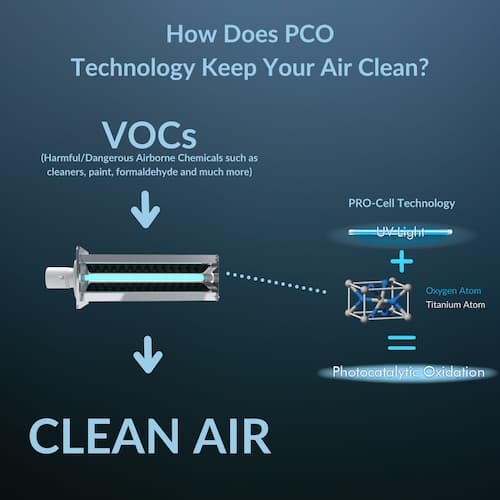
Some air purifiers use special materials to target chemicals. Zeolite and potassium permanganate can absorb certain gases. These materials are less common but useful in industrial settings. Photocatalytic filters break down chemicals using light. Their effectiveness varies and depends on conditions. Choosing filters with these materials depends on specific chemical concerns.

Credit: resiners.com
Choosing The Right Air Purifier
Choosing the right air purifier is key to removing chemicals from indoor air. Not all air purifiers are the same. Some work better for chemicals, while others focus on dust or allergens. Understanding the important features helps you pick the best one for your home. This section explains what to check before buying an air purifier.
Filter Types To Look For
Some filters capture particles, but not chemicals. Look for air purifiers with activated carbon filters. These filters absorb gases and chemical vapors effectively. HEPA filters remove tiny particles but do not trap gases well. A combination of HEPA and activated carbon works best for chemical removal. Check product details to see what filters are inside.
Room Size And Coverage
Air purifiers have limits on the room size they can clean. Choose one that fits your room’s square footage. Too small a purifier will not clean the air well. Check the Clean Air Delivery Rate (CADR) for chemicals or gases. It shows how fast the purifier cleans the air. Match the purifier’s coverage with your room size for best results.
Maintenance And Filter Replacement
Filters need regular cleaning or replacement. A dirty filter loses its ability to remove chemicals. Some purifiers have indicator lights to show when to change filters. Follow the manufacturer’s instructions for maintenance. Replace filters on time to keep the air purifier working well. This keeps your indoor air fresh and safe.
Supplementary Indoor Air Solutions
Air purifiers help reduce chemicals indoors but may not remove all types. Supplementary indoor air solutions improve air quality further. They work alongside purifiers to create a healthier space. Simple steps can reduce indoor pollution and make breathing easier.
Ventilation Improvements
Fresh air lowers chemical buildup indoors. Open windows and doors when possible. Use exhaust fans in kitchens and bathrooms. Mechanical ventilation systems bring outside air inside. Proper airflow moves stale air out. This reduces harmful chemical concentration. Ventilation works well with air purifiers.
Source Control Techniques
Stopping chemicals before they enter is best. Choose low-VOC paints and cleaning products. Store chemicals tightly sealed and away from living areas. Avoid smoking indoors or burning candles often. Regularly clean surfaces to remove dust and residues. Source control reduces pollutants at their origin.
Use Of Plants And Natural Methods
Certain houseplants absorb some indoor chemicals. Spider plants, peace lilies, and snake plants help. Plants also add moisture to dry air. Activated charcoal bags can trap odors and gases. Natural methods support air purifiers but do not replace them. They add a gentle, green touch to air care.

Credit: inovaairpurifiers.com.au
Frequently Asked Questions
Can Air Purifiers Remove Chemical Pollutants From The Air?
Yes, some air purifiers can reduce certain chemicals in the air. Models with activated carbon filters are best at trapping gases and odors. They help improve indoor air quality by absorbing harmful chemicals.
What Types Of Chemicals Can Air Purifiers Remove?
Air purifiers with carbon filters remove volatile organic compounds (VOCs), smoke, and odors. They are less effective against heavy chemicals or gases without proper filtration. Always check filter type for specific chemical removal.
How Effective Are Hepa Filters Against Chemical Pollutants?
HEPA filters mainly capture dust, pollen, and small particles, not gases or chemicals. They do not remove most chemical pollutants. Combining HEPA with carbon filters is better for chemical removal.
Can Air Purifiers Eliminate Indoor Fumes From Cleaning Products?
Activated carbon filters can reduce fumes and odors from cleaning products. They absorb many harmful chemicals released indoors. Still, ventilation is important for fully clearing strong fumes.
Should I Use Air Purifiers To Reduce Chemical Risks At Home?
Air purifiers help lower chemical levels but cannot remove all toxins. Using them with good ventilation and safe product choices is best. They add extra protection for cleaner indoor air.
Conclusion
Air purifiers can help reduce some chemicals in the air. They work best with certain filters like activated carbon. Not all chemicals get fully removed. Ventilation and cleaning also play a big role. Choose a purifier that fits your needs carefully.
Use it along with other ways to keep air fresh. Clean air supports better health and comfort. Small steps can make a big difference indoors. Stay informed and pick tools wisely for cleaner air.