
Are you worried that your air purifier might harm your furry friends? You want to keep your home fresh and clean, but the safety of your pets is your top priority.
It’s natural to wonder if these devices could affect your cats, dogs, or other animals in any way. You’ll discover the truth about air purifiers and pets. By the end, you’ll know exactly how to choose and use an air purifier that keeps everyone in your home safe and healthy.
Keep reading to protect your pets while enjoying cleaner air.
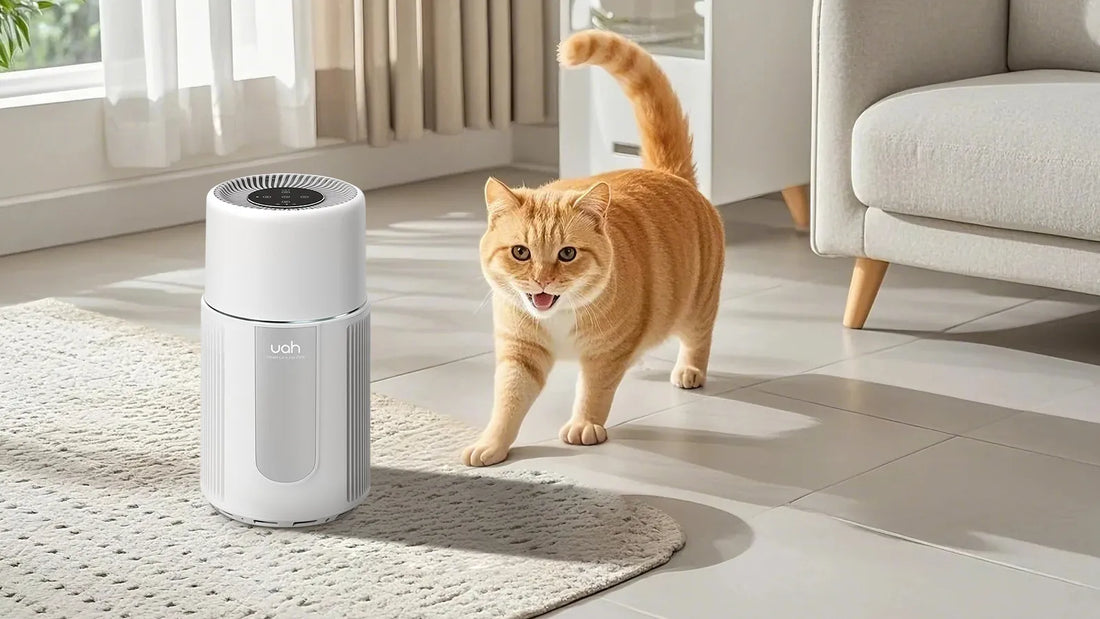
Credit: www.uahpet.com
How Air Purifiers Work
Air purifiers clean the air inside your home. They remove dust, allergens, and pet dander. This process helps improve air quality for both you and your pets. Understanding how air purifiers work can help you choose the right one for your home.
Types Of Air Purifiers
There are several types of air purifiers available. The most common are HEPA purifiers, activated carbon purifiers, and ionizers. HEPA purifiers capture tiny particles like dust and pollen. Activated carbon purifiers absorb odors and harmful gases. Ionizers release charged particles to make contaminants stick to surfaces or fall out of the air. Each type works differently but aims to create cleaner air.
Common Filtration Methods
Most air purifiers use filters to trap pollutants. HEPA filters are very effective at catching small particles. They can remove up to 99.97% of particles as small as 0.3 microns. Carbon filters capture smells and chemicals by absorbing them. Some purifiers combine these filters for better results. Filters need regular cleaning or replacement to work well. This keeps your air fresh and safe for pets and humans alike.
Potential Risks For Pets
Air purifiers help clean indoor air but may pose risks to pets. Pets have sensitive respiratory systems. Some air purifiers release substances that can harm animals. Knowing these risks helps keep pets safe and healthy.
Ozone Emission Concerns
Some air purifiers produce ozone as a byproduct. Ozone can irritate a pet’s lungs and throat. High ozone levels can cause coughing and breathing problems. Pets with asthma or allergies are especially vulnerable. Choose purifiers that do not emit ozone to avoid risks.
Chemical Byproducts
Air purifiers with filters may release small chemicals. These byproducts come from the breakdown of pollutants. Pets may inhale these chemicals, causing discomfort or illness. Some chemicals can trigger allergic reactions in pets. Regular filter changes reduce the chance of chemical buildup.
Noise Impact On Pets
Air purifiers produce a constant humming sound. Pets have sensitive hearing and may find this noise stressful. Stress can lead to behavioral changes or anxiety in pets. Quiet models are better for homes with pets. Place purifiers in areas where pets rest to minimize noise impact.
Safe Air Purifiers For Pets
Choosing the right air purifier protects pets and keeps your home clean. Some air purifiers are safer and better for pets than others. Understanding the types of filters and what to avoid helps you pick a safe option. This section covers safe air purifiers for pets and how they work.
Hepa Filters Benefits
HEPA filters trap tiny particles like dust, pollen, and pet dander. They do not release harmful gases or chemicals. These filters improve air quality without causing harm to pets. HEPA filters are quiet and energy-efficient. Pets breathe easier with less allergens around.
Activated Carbon Filters
Activated carbon filters remove odors and harmful gases. They absorb pet smells and smoke effectively. These filters keep the air fresh without using chemicals. Carbon filters work well with HEPA filters for cleaner air. Pets stay comfortable with fewer bad smells in the home.
Avoiding Ozone Generators
Avoid air purifiers that produce ozone. Ozone can irritate pet lungs and worsen breathing problems. Many ozone generators claim to clean air but are unsafe for animals. Choose purifiers that do not emit ozone or other harmful byproducts. Safe air purifiers protect pets’ health and keep the air pure.
Health Benefits For Pets
Pets share our homes and breathe the same air. Clean air supports their health and comfort. Air purifiers help create a safer space for pets. They reduce harmful particles and improve air quality. This section explains how air purifiers benefit pet health.
Reducing Allergens And Irritants
Air purifiers capture dust, pollen, and pet dander. These particles often cause allergies in pets. Removing them lowers the risk of skin irritation and itching. Cleaner air means fewer sneezes and watery eyes for pets. It also helps pets with sensitive skin feel better. The purifier acts like a filter for the air pets breathe.
Improving Respiratory Health
Pets can suffer from breathing problems due to poor air quality. Air purifiers remove smoke, mold spores, and other pollutants. This helps pets with asthma or bronchitis breathe easier. Cleaner air reduces coughing and wheezing in pets. Fresh air supports stronger lungs and better overall health. Using an air purifier creates a healthier breathing space for all pets.
Placement And Usage Tips
Using an air purifier around pets needs careful placement and proper use. This helps keep pets safe and improves air quality well.
Knowing where to place the purifier and how to maintain it makes a big difference. Follow these tips to create a healthier space for your furry friends.
Ideal Locations In The Home
Place air purifiers in rooms where pets spend most time. Living rooms, bedrooms, or play areas work best. Avoid spots near pet food or litter boxes. Keep purifiers away from water sources and direct sunlight. Make sure the purifier’s air intake and outlet are not blocked. This allows the device to clean air effectively.
Maintenance And Filter Replacement
Regular cleaning keeps air purifiers working well for pets. Check filters every month for dust and pet hair buildup. Replace filters as the manufacturer suggests. Dirty filters reduce air quality and can harm pets. Wipe the purifier’s surface often to prevent dust. Proper maintenance ensures fresh air for your home and pets.
Credit: www.rabbitair.com
Signs Of Air Purifier Issues In Pets
Pets rely on clean air to stay healthy. Air purifiers help remove dust, pollen, and smoke from the air. Yet, some air purifiers can cause problems for pets. It is important to know the signs that show your pet may be affected by the purifier. Early detection helps keep your pet safe and comfortable.
Behavioral Changes To Watch
Pets may act differently if the air purifier causes issues. They might hide more than usual or avoid certain rooms. You could notice restlessness or unusual tiredness. Some pets may stop playing or lose interest in food. Watching for these behavior changes helps catch problems early.
Physical Symptoms To Monitor
Physical signs also show if the air purifier harms your pet. Pets might cough or sneeze often. Their eyes could look red or watery. Some pets may have dry or irritated skin. Breathing may sound noisy or difficult. Keep an eye on these symptoms for your pet’s safety.
Credit: www.livescience.com
Frequently Asked Questions
Are Air Purifiers Safe For All Types Of Pets?
Most air purifiers are safe for common pets like cats and dogs. Avoid purifiers that release ozone, as ozone can harm pets’ lungs. Always check product details before use.
Can Air Purifiers Remove Pet Dander And Odors?
Yes, many air purifiers can trap pet dander and reduce odors. HEPA filters are especially good at catching tiny particles from pets. This helps improve air quality indoors.
Do Air Purifiers Affect Pet Breathing Or Health?
Proper air purifiers do not harm pet breathing or health. Avoid models that emit ozone or strong chemicals. Clean filters regularly to keep air fresh and safe.
Should I Use A Special Air Purifier For Pets?
Special pet air purifiers exist but are not always necessary. A good HEPA filter purifier works well for most pet homes. Choose one based on room size and filter quality.
How Often Should I Clean Or Replace Air Purifier Filters?
Filters should be cleaned or replaced every 3 to 6 months. Pets produce more dander, so check filters more often. Keeping filters clean ensures the purifier works well.
Conclusion
Air purifiers can help keep your home clean and fresh. Many models are safe for pets when used right. Choose purifiers without harmful chemicals or ozone. Keep the device out of your pet’s reach. Regularly check and clean filters for best results.
Watch your pet for any signs of discomfort. Clean air means healthier pets and happier homes. Simple steps make air purifiers a safe choice. Pets and clean air can go hand in hand.