
Have you ever wondered how air purifiers really clean the air you breathe? One powerful tool they use is UV-C light, but what exactly is it?
Understanding UV-C light in air purifiers can change the way you think about keeping your home safe and fresh. If you want to know how this invisible technology fights germs and improves your air quality, keep reading. This simple yet effective method might be the key to healthier living for you and your family.
How Uv-c Light Works
Understanding how UV-C light works helps explain its role in air purifiers. UV-C light uses a specific type of ultraviolet radiation. This radiation can destroy harmful germs in the air. It makes air purifiers more effective at cleaning indoor air.
Mechanism Of Uv-c Radiation
UV-C light is a type of ultraviolet light with short wavelengths. These wavelengths range from 200 to 280 nanometers. This energy is strong enough to penetrate the cells of microorganisms. It disrupts their DNA and RNA structures. This stops the cells from reproducing and functioning. Without reproduction, microorganisms cannot survive or spread.
Effect On Microorganisms
UV-C light kills bacteria, viruses, and mold spores in the air. When these germs are exposed to UV-C radiation, their DNA breaks down. This damage prevents the germs from multiplying. Over time, the germs die and lose their ability to infect. UV-C light reduces airborne diseases and allergens. This makes indoor air healthier and safer to breathe.

Credit: www.simpurelife.com
Benefits Of Uv-c In Air Purifiers
UV-C light in air purifiers offers clear health benefits. It helps clean the air by removing harmful germs and particles. This technology improves the air you breathe every day. Understanding the main benefits shows why many people choose UV-C air purifiers.
Eliminating Bacteria And Viruses
UV-C light kills bacteria and viruses by breaking their DNA. This stops germs from growing and spreading. It makes the air safer, especially during cold and flu seasons. UV-C can reduce illnesses in homes and offices.
Reducing Allergens And Mold
UV-C light also targets mold spores and allergens. These particles cause sneezing, coughing, and other allergic reactions. UV-C helps lower these triggers in the air. It creates a cleaner, more comfortable space for allergy sufferers.
Improving Indoor Air Quality
By removing germs, mold, and allergens, UV-C light boosts indoor air quality. Cleaner air means better breathing and fewer health problems. UV-C air purifiers support a fresh, healthy environment in any room.
Types Of Uv-c Air Purifiers
UV-C air purifiers use ultraviolet light to kill germs and viruses in the air. They come in different types to fit various needs and spaces. Understanding the types helps you choose the right one for your home or office.
Some devices use only UV-C light, while others combine it with filters. Both types have their own strengths and work to improve air quality.
Standalone Uv-c Devices
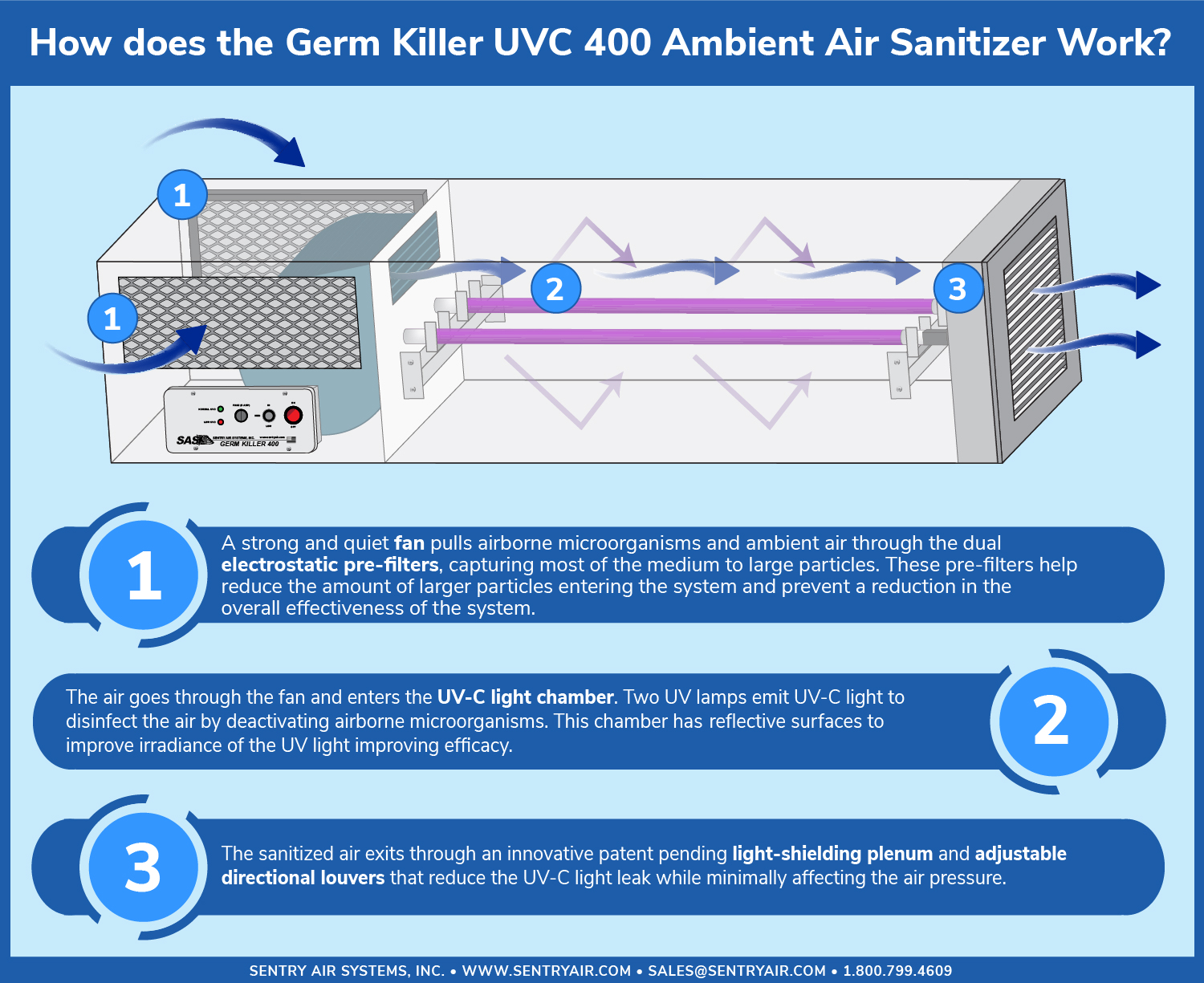
Standalone UV-C air purifiers use ultraviolet light alone to disinfect air. Air passes close to a UV-C bulb inside the device. The UV-C light destroys bacteria, viruses, and mold spores. These units do not use filters. They are often small and easy to move. Perfect for small rooms or specific spots.
Combined Filtration Systems
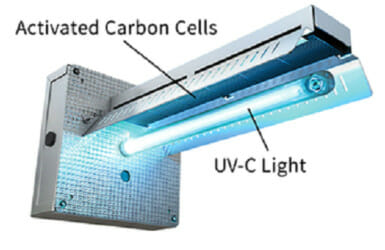
Combined systems use UV-C light with filters like HEPA or carbon filters. First, air passes through filters that trap dust and particles. Then, the air moves near a UV-C light to kill germs. This method cleans air more deeply. It removes dust and harmful microbes at once. These purifiers are good for larger rooms and allergy sufferers.
Credit: aaaeinc.com
Safety Considerations
UV C light in air purifiers kills germs and bacteria in the air. This technology helps improve indoor air quality. Safety is very important when using UV C light. It can harm skin and eyes if not handled properly. Understanding the risks and correct use is key to staying safe.
Exposure Risks
UV C light can damage skin and eyes. Direct exposure may cause burns or eye pain. It can also lead to long-term skin problems. The light is invisible, so you may not notice exposure. Keep UV C light away from your body. Avoid looking directly at the light source.
Proper Usage Guidelines
Use air purifiers with UV C light as instructed. Do not open the purifier while it is on. Place the device in a safe spot, away from children and pets. Always turn off the purifier before cleaning it. Follow the manufacturer’s instructions carefully. Regularly check for damage to the UV lamp. Replace bulbs as recommended to ensure safety and effectiveness.
Factors To Consider When Choosing
Choosing the right UV-C light air purifier needs careful thought. Several factors affect how well the device cleans the air. Understanding these points helps you pick a purifier that fits your needs.
Uv-c Lamp Quality
The strength and quality of the UV-C lamp matter most. A strong lamp kills more germs and viruses. Check the lamp’s wavelength; 254 nm is best for disinfection. Long-lasting lamps save money and reduce replacements.
Airflow And Coverage
Good airflow moves air through the purifier fast. It helps the UV-C light reach all germs in the air. Choose a purifier that covers your room size. Too small a unit will not clean the whole area well.
Maintenance Requirements
Regular cleaning and lamp changes keep the purifier working well. Find out how often you must replace the UV-C lamp. Easy-to-clean filters and parts make maintenance simple. A low-maintenance purifier saves time and effort.
Credit: www.sentryair.com
Common Myths About Uv-c Light
UV-C light in air purifiers often faces many misunderstandings. Some myths can confuse people about how it works and what it can do. Clearing up these myths helps you know the real benefits and limits of UV-C technology. This section breaks down common myths about UV-C light in simple words.
Effectiveness Against All Pathogens
Some believe UV-C light kills every germ and virus instantly. This is not true. UV-C light works well on many pathogens but not all. Some bacteria and spores may resist UV-C exposure. The effectiveness depends on the strength and exposure time of the light. It cannot guarantee 100% sterilization of all air particles.
Instant Air Sterilization
Many expect UV-C light to clean the air immediately. The process takes time. UV-C light needs several minutes to reduce germs in a room. Air purifiers with UV-C work best with continuous use. Instant sterilization is a myth that can cause false security. Real results come with proper usage and time.
Future Trends In Uv-c Air Purification
The future of UV-C air purification looks bright and full of promise. New technologies are pushing the limits of what UV-C light can do. These advances will make air purifiers more effective and easier to use. People will enjoy cleaner air with less effort and more control.
UV-C technology is evolving fast. It will become smarter and work better with other devices in your home. This means better protection from germs and allergens. The next generation of air purifiers will be more efficient and user-friendly.
Advances In Uv Technology
UV-C lamps are becoming more powerful and energy-efficient. New materials help produce stronger UV light without using extra power. Smaller UV-C LEDs are being developed to fit into compact air purifiers. These LEDs last longer and work faster to kill germs. Scientists are also exploring safe UV wavelengths that do not harm humans. This makes UV-C air purifiers safer for daily use.
Integration With Smart Home Systems
UV-C air purifiers will connect with smart home devices more easily. You can control them using your phone or voice commands. These purifiers will work with other air quality sensors in your home. They can turn on or adjust settings automatically based on air quality. This integration helps maintain clean air without any manual effort. It also saves energy by running only when needed.
Frequently Asked Questions
What Is Uv C Light In Air Purifiers?
UV C light is a type of ultraviolet light that kills germs and bacteria. It helps clean the air by destroying harmful microbes. This light is used inside air purifiers to improve air quality.
How Does Uv C Light Kill Germs In Air Purifiers?
UV C light breaks the DNA of germs and stops them from growing. This makes bacteria and viruses inactive and safe. It is a powerful way to reduce airborne illnesses.
Is Uv C Light Safe For Home Use In Air Purifiers?
UV C light is safe when used inside air purifiers with proper shielding. It does not shine directly on people or pets. This design keeps your home safe while cleaning the air.
Can Uv C Light Remove Dust And Allergens?
UV C light mainly kills germs but does not remove dust or allergens. Air purifiers use filters for dust and pollen. UV C light works together with filters for better air cleaning.
How Often Should Uv C Light Be Replaced In Air Purifiers?
UV C bulbs usually last about 9 to 12 months. Replacing them on time keeps the purifier working well. Check the manufacturer’s guide for the best replacement schedule.
Conclusion
UV C light in air purifiers helps kill germs in the air. It works by breaking down harmful bacteria and viruses. This makes the air cleaner and safer to breathe. Not all air purifiers have UV C light, so check before you buy.
Using one can support your health, especially in dusty or crowded places. Remember, clean air feels better and helps you stay well. UV C light adds a useful layer of protection for your home or office. Simple and effective.