
If you or someone you love struggles with asthma, you know how important clean air is. But can an air purifier really make a difference?
You might wonder if it’s worth investing in one or if it’s just a gadget with no real benefits. This article will help you understand how air purifiers work and whether they can ease your asthma symptoms. By the end, you’ll have clear answers to help you breathe easier every day.
Keep reading to find out if an air purifier could be the solution you’ve been searching for.
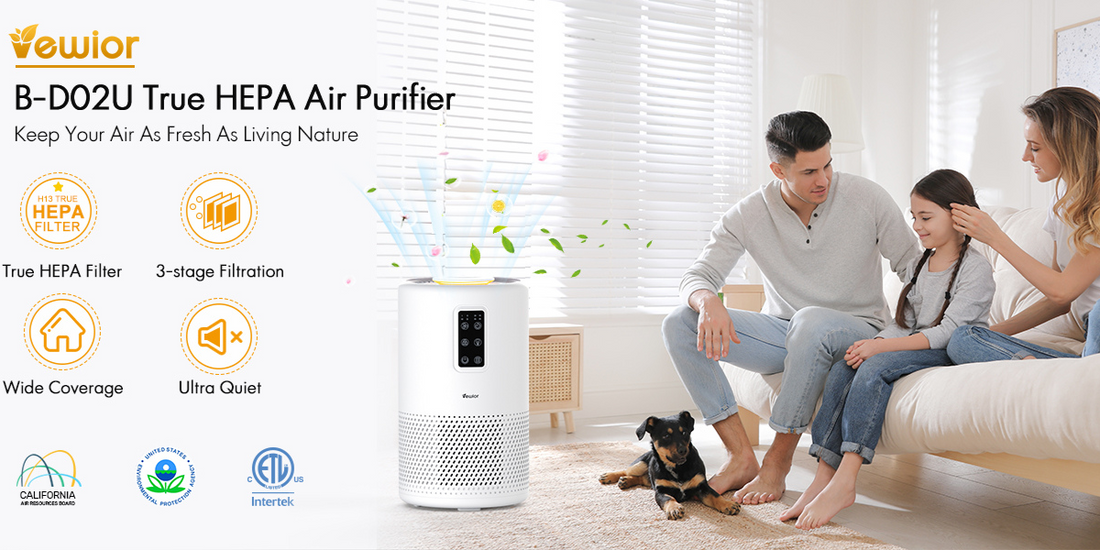
Credit: vewiorlife.com
Air Purifiers And Asthma
Asthma causes breathing problems due to sensitive airways. Dust, pollen, and smoke can trigger attacks. Air purifiers help by cleaning the air indoors. They reduce many asthma triggers to improve breathing.
Using an air purifier can make the home safer for asthma patients. It removes tiny particles that are hard to see but harmful to lungs.
How Air Purifiers Work
Air purifiers pull air into a machine. Inside, filters catch dust, pollen, and pet dander. Clean air then flows back into the room. Some purifiers use extra technology to kill germs and viruses. This process lowers the amount of harmful particles in the air.
Types Of Air Purifiers
HEPA filters are the most common and effective. They trap very small particles. Carbon filters remove bad smells and smoke. Ionizers charge particles so they stick to surfaces. UV purifiers kill bacteria and viruses. Many models combine these features for better cleaning.
Key Features For Asthma Relief
Look for a HEPA filter to catch tiny allergens. A quiet machine helps maintain calm and rest. Easy filter replacement keeps the purifier working well. A size that fits your room ensures good airflow. Some have sensors to adjust cleaning automatically. These features support a cleaner, safer space for asthma sufferers.

Credit: medifyair.com
Asthma Triggers In Indoor Air
Indoor air can hold many things that trigger asthma symptoms. These triggers often hide in dust, pet hair, and damp places. Knowing what causes asthma attacks indoors helps manage the condition better. It also shows how air purifiers might help.
Common Allergens And Pollutants
Many allergens stay in the air inside homes. Pollen, dust mites, and smoke can make breathing hard. Chemical fumes from cleaning products also cause problems. These tiny particles irritate the lungs and worsen asthma symptoms.
Impact Of Dust And Pet Dander
Dust contains many tiny particles that trigger asthma. It often includes skin flakes from humans and pets. Pet dander is a common cause of asthma attacks. It sticks to furniture and carpets, staying in the air for a long time.
Role Of Mold And Mildew
Mold grows in damp places like bathrooms and basements. It releases spores that irritate the airways. Mildew is a type of mold that spreads on surfaces. Both can cause coughing, wheezing, and tight chest for asthma sufferers.
Effectiveness Of Air Purifiers
Air purifiers are often suggested to help people with asthma breathe easier. They work by cleaning the air of dust, pollen, and other tiny particles that can trigger asthma attacks. Understanding how effective air purifiers are can help you decide if they are right for your home.
Scientific Studies And Evidence
Many scientific studies have tested air purifiers on asthma symptoms. Some research shows that using a purifier can reduce indoor allergens. This may lower asthma flare-ups and improve breathing. Other studies find only small benefits or no clear change. Results depend on the type of purifier and the environment. More research is needed to prove strong benefits for all asthma patients.
Limitations To Consider
Air purifiers do not remove all asthma triggers. They mainly capture airborne particles but not gases or smells. Some purifiers create ozone, which can harm lungs. Not all purifiers fit every room size or type of pollutant. Regular cleaning and filter changes are important for good performance. Air purifiers should be part of a bigger asthma care plan, not the only step.
Choosing The Right Purifier
Select a purifier with a true HEPA filter for best particle removal. Check the purifier’s clean air delivery rate (CADR) for your room size. Avoid purifiers that produce ozone or use harmful chemicals. Look for models that are easy to maintain and have clear instructions. Matching the purifier to your specific asthma triggers is key to success.
Additional Tips For Asthma Relief
Managing asthma involves more than just using an air purifier. Small changes and habits can greatly ease symptoms and improve breathing. The following tips help create a safer environment and support lung health.
Maintaining Clean Indoor Air
Keep your home free from dust and allergens. Regularly vacuum carpets and mop floors. Wash bedding in hot water weekly. Avoid smoking indoors and reduce pet dander by cleaning pets often. Use an air purifier with a HEPA filter to remove tiny particles. Open windows for fresh air when outdoor pollution is low.
Lifestyle Changes To Reduce Symptoms
Exercise regularly to strengthen your lungs. Choose low-impact activities like walking or swimming. Eat a balanced diet rich in fruits and vegetables. Avoid strong smells, like perfumes or cleaning sprays. Dress warmly in cold weather to prevent asthma attacks. Manage stress through relaxation or meditation techniques.
When To Seek Medical Advice
Consult a doctor if symptoms worsen or happen often. Seek help if you wake up coughing or wheezing. Visit a healthcare provider if medicine does not relieve symptoms. Get immediate care if you have trouble breathing or chest tightness. Regular checkups help adjust treatment plans and control asthma better.
Setting Up Your Air Purifier
Setting up your air purifier correctly is key to improving air quality for asthma relief. Proper setup helps the device work at its best. This section guides you through essential steps for setup.
Optimal Placement In The Home
Place the air purifier in the room where you spend most time. Bedrooms and living rooms are good choices. Keep it away from walls and furniture to allow airflow. Avoid corners or behind curtains. The purifier should be on a flat surface, not on the floor. This helps capture dust and allergens effectively.
Maintenance And Filter Replacement
Clean or change filters regularly. Dirty filters reduce the purifier’s power. Check the manufacturer’s instructions for timing. Some filters need replacement every 3 to 6 months. Clean the outer parts with a dry cloth. Regular maintenance keeps the device running smoothly and air fresh.
Combining With Other Air Quality Measures
Use the air purifier along with other methods. Keep windows closed during high pollen times. Vacuum your home often to reduce dust. Use dust-proof covers on pillows and mattresses. Avoid smoking indoors and reduce use of strong chemicals. These steps boost the purifier’s effect and help asthma symptoms.

Credit: www.airoasis.com
Frequently Asked Questions
Do Air Purifiers Reduce Asthma Symptoms?
Air purifiers can lower airborne allergens like dust and pollen. This helps reduce asthma triggers and ease breathing.
What Type Of Air Purifier Is Best For Asthma?
HEPA filters work best as they trap tiny particles. Choose one with a true HEPA filter for effective cleaning.
Can Air Purifiers Remove Pet Dander That Triggers Asthma?
Yes, air purifiers with HEPA filters capture pet dander. This reduces asthma attacks caused by pet allergens.
How Often Should I Use An Air Purifier For Asthma?
Use it daily in rooms you spend most time in. Continuous use keeps the air cleaner and safer.
Do Air Purifiers Help With Asthma Caused By Mold?
Air purifiers reduce mold spores in the air, lowering asthma risks. They help but removing mold sources is also important.
Conclusion
Air purifiers can reduce dust, pollen, and other irritants. This helps many people with asthma breathe easier at home. Clean air lowers the chance of asthma attacks. Still, air purifiers work best with other treatments and good habits. Keep your space clean and avoid smoke or strong smells.
Choose a purifier with a HEPA filter for better results. Small steps can make a big difference in asthma care. Stay aware of your symptoms and talk to your doctor regularly. Breathe well, live well.