
Do you struggle with sneezing, itchy eyes, or breathing problems when your furry friend is around? Pet dander—the tiny flakes of skin your pets shed—can be a hidden culprit making your home less comfortable.
You might wonder if an air purifier can really help you breathe easier and keep your space clean. You’ll discover how air purifiers work against pet dander and whether they’re the right solution for you and your loved ones. Keep reading to find out what can make a real difference in your home’s air quality.

Credit: www.amazon.com
Pet Dander And Its Impact
Pet dander is tiny skin flakes from animals like cats and dogs. These particles spread easily in the air and stick to furniture, clothes, and floors. Many people do not see pet dander, but it can affect indoor air quality and health.
Understanding pet dander helps in managing allergies and keeping homes clean. Knowing its sources and effects is the first step to reduce its impact.
Sources Of Pet Dander
Pet dander comes from animals with fur or feathers. Cats, dogs, birds, and rodents all shed skin flakes daily. These flakes mix with saliva and urine, making the dander sticky. When pets groom themselves, they spread dander even more. Dander settles on carpets, furniture, and bedding. It can stay in the air for hours, causing constant exposure.
Health Effects Of Pet Dander
Pet dander can irritate the eyes, nose, and throat. It often causes sneezing and coughing. Some people feel itchy skin or develop rashes. Breathing problems may occur for those with asthma. Dander particles are small and easy to inhale deeply. This can lead to lung inflammation and discomfort. Long exposure may worsen chronic respiratory issues.
Common Allergies Linked To Pet Dander
Many allergies stem from pet dander exposure. Sneezing, runny nose, and watery eyes are common signs. Some people develop asthma triggered by dander. Skin reactions like eczema also relate to pet allergens. Children and older adults often face stronger symptoms. Allergies can reduce quality of life and cause frequent doctor visits.
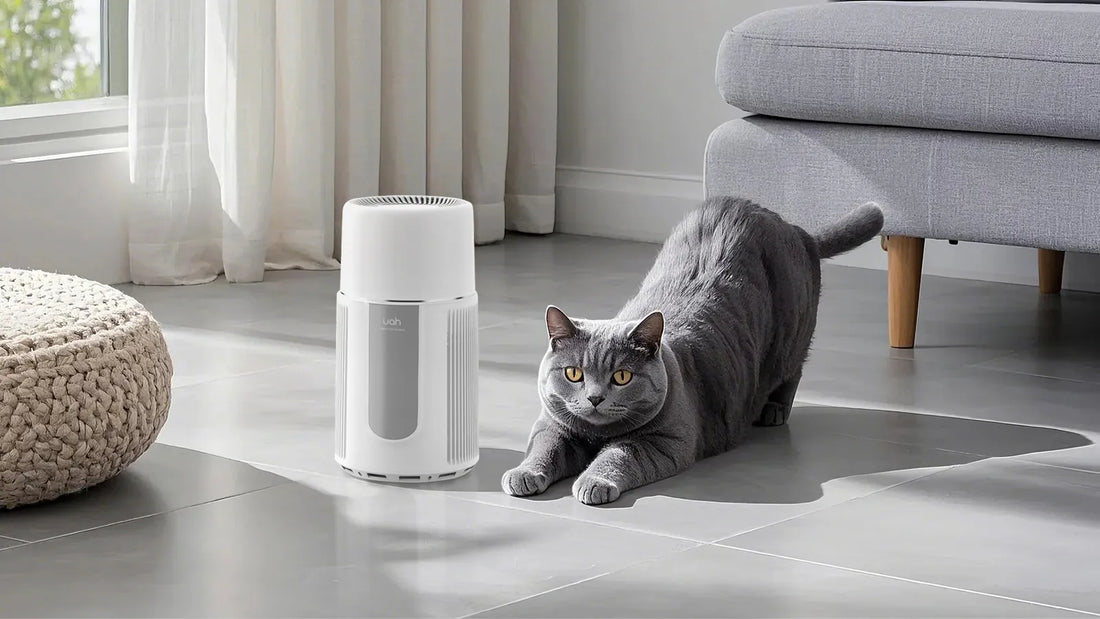
Credit: www.uahpet.com
How Air Purifiers Work
Air purifiers clean the air by removing tiny particles. These particles include dust, pollen, smoke, and pet dander. Pet dander is made of small skin flakes from animals. Air purifiers capture these particles to improve air quality. The way they work depends on the type and filter used.
Types Of Air Purifiers
There are several types of air purifiers. The most common are HEPA, activated carbon, and ionizers. HEPA purifiers use a dense filter to trap particles. Activated carbon filters remove odors and gases. Ionizers release charged ions that stick to particles, making them fall out of the air. Some purifiers combine these methods for better cleaning.
Filtration Technologies
HEPA filters capture 99.97% of particles as small as 0.3 microns. This size covers most allergens, including pet dander. Activated carbon filters absorb smells and chemicals. Ionizers help by making particles heavier so they drop from the air. Some purifiers also use UV light to kill bacteria and viruses. The filter type affects how well the purifier works.
Effectiveness Against Allergens
Air purifiers with HEPA filters are very effective against pet dander. They trap tiny skin flakes that cause allergies. Activated carbon filters reduce pet odors but do not remove dander. Ionizers can help but may create ozone, which is harmful. Regular filter changes keep purifiers working well. Using an air purifier lowers allergens and improves breathing comfort.
Air Purifiers And Pet Dander Removal
Pet dander is tiny skin flakes from cats, dogs, and other animals. These particles can cause allergies and breathing problems. Air purifiers help reduce pet dander in indoor spaces. They trap these small particles before they spread around your home. Choosing the right air purifier is key to better air quality.
Not all air purifiers work the same. Some filters are better at capturing pet dander. Understanding filter types helps you pick the best one for your needs.
Hepa Filters And Pet Dander
HEPA filters are very effective at capturing small particles. They trap at least 99.97% of particles as small as 0.3 microns. Pet dander usually ranges from 1 to 10 microns, making HEPA filters perfect for this job. Many air purifiers use HEPA filters to clean the air from pet allergens.
HEPA filters work by forcing air through a fine mesh. This mesh traps dust, pollen, and pet dander. The air that comes out is much cleaner and safer to breathe.
Activated Carbon Filters
Activated carbon filters help remove odors from pets. They absorb gases and smells that HEPA filters cannot catch. This makes the room smell fresher and less like pets. These filters work well alongside HEPA filters.
Carbon filters do not trap pet dander. Their main job is to reduce smells caused by pets. Using both types of filters can improve air quality more than using one alone.
Limitations To Consider
Air purifiers do not remove pet dander from surfaces. Dander settles on floors, furniture, and bedding. Regular cleaning is needed to remove these particles. Vacuuming and washing pet items help reduce dander in your home.
Air purifiers work best in closed rooms. Open doors and windows can let new dander inside. Also, filter replacement is important. Dirty filters lose their ability to clean the air effectively.
Choosing The Right Air Purifier
Choosing the right air purifier helps reduce pet dander effectively. Not every purifier works the same way. Some models capture more tiny particles than others. Picking a purifier that suits your space and needs matters most.
Key Features To Look For
HEPA filters are the best for trapping pet dander. They catch up to 99.97% of tiny particles. A purifier with a carbon filter helps remove pet odors. Quiet operation is important for comfort. Look for energy-efficient models to save power. Some purifiers have smart sensors that adjust cleaning automatically.
Room Size And Coverage
Check the purifier’s coverage area before buying. It should match or exceed your room size. Using a small purifier in a large room lowers its effectiveness. Measure your room and find a purifier with the right capacity. Coverage is usually listed in square feet or square meters.
Maintenance And Filter Replacement
Filters need regular cleaning or replacement to work well. Some purifiers have washable filters, others use disposable ones. Replacement filters can cost more over time. Choose a model with easy-to-find and affordable filters. Follow the manufacturer’s instructions to keep your purifier running strong.
Additional Ways To Control Pet Dander
Controlling pet dander requires more than just using an air purifier. Combining multiple methods helps reduce allergens effectively. Simple habits and home adjustments can make a big difference. Below are some practical ways to keep pet dander under control.
Regular Cleaning Tips
Clean your home often to remove pet dander from surfaces. Vacuum carpets and rugs with a HEPA filter vacuum cleaner. Mop hard floors to pick up dust and dander. Wash pet bedding weekly in hot water. Dust shelves and furniture with a damp cloth to trap allergens.
Pet Grooming Practices
Brush your pet daily to reduce loose hair and dander. Use a pet-friendly shampoo during regular baths. Wipe your pet’s fur with a damp cloth after outdoor walks. Keep your pet’s nails trimmed to avoid scratching and spreading dander. Grooming outside helps stop dander from spreading indoors.
Ventilation Improvements
Open windows to let fresh air circulate and reduce indoor allergens. Use exhaust fans in kitchens and bathrooms to remove moisture and dander. Consider adding air vents or upgrading your HVAC system. Clean or replace air filters regularly. Good airflow helps keep pet dander levels low.
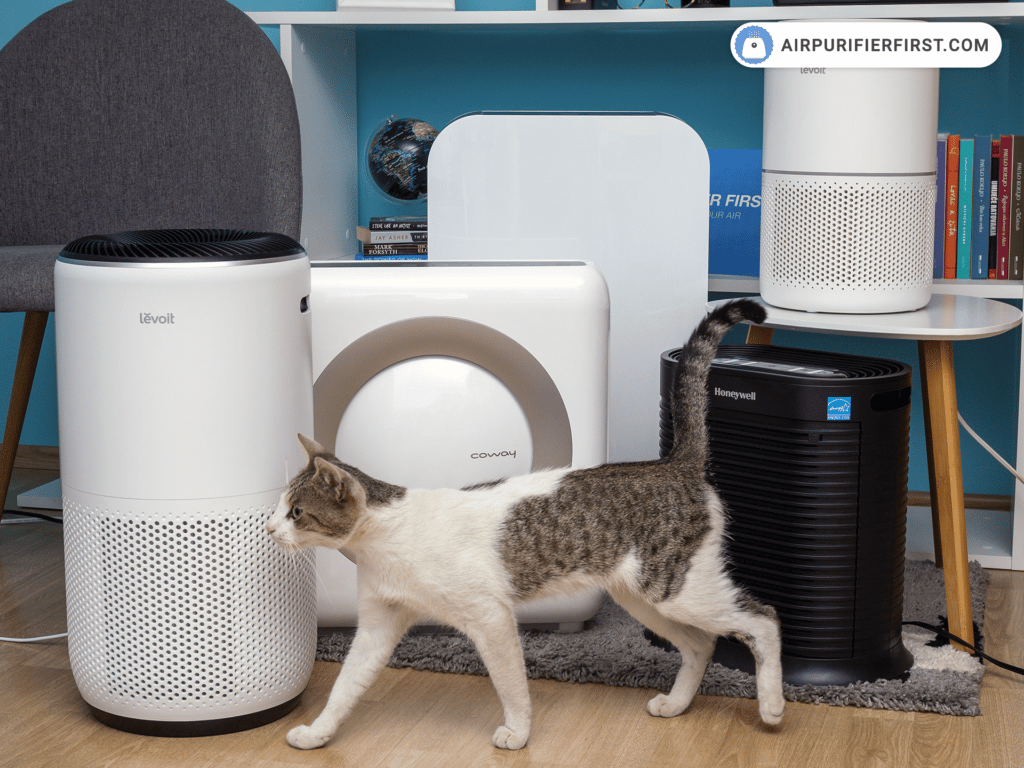
Credit: www.servicecore.com
Frequently Asked Questions
Can Air Purifiers Reduce Pet Dander In The Home?
Air purifiers can trap pet dander particles from the air. They help lower allergens, making the air cleaner and easier to breathe. Using a purifier regularly improves air quality around pets.
What Type Of Filter Removes Pet Dander Best?
HEPA filters are the best for removing pet dander. They capture tiny particles that cause allergies. Look for air purifiers with true HEPA filters for best results.
How Often Should Air Purifier Filters Be Changed?
Filters should be changed every 6 to 12 months. Check the manufacturer’s instructions for exact timing. Clean filters keep the purifier working well and remove dander effectively.
Can Air Purifiers Help With Pet Allergy Symptoms?
Yes, air purifiers can reduce allergy symptoms by cleaning the air. They lower dander levels that trigger sneezing and itching. This helps people feel better around pets.
Do Air Purifiers Remove Pet Hair As Well?
Air purifiers mainly remove tiny particles, not large pet hair. Vacuuming and cleaning are better for removing hair. Purifiers work best for dust, dander, and allergens in the air.
Conclusion
Air purifiers can help reduce pet dander in your home. They trap tiny particles that cause allergies and irritation. Still, cleaning regularly and grooming pets also matter. Choose an air purifier with a HEPA filter for best results. Remember, no device removes all pet dander instantly.
Combining air purifiers with good habits keeps your home fresher. Breathe easier and enjoy time with your pets. Simple steps make a big difference in air quality.