
Have you ever wondered if your generator can keep your air conditioner running without a hitch? When the power goes out, staying cool becomes more than just a comfort—it’s a necessity.
But not all generators are built the same, and using the wrong one could leave you sweating or even damage your equipment. You’ll discover exactly what it takes for a generator to run your air conditioner reliably. By the end, you’ll know how to choose the right generator and avoid common pitfalls, so you can stay cool no matter what.
Keep reading to find out how to protect your comfort and peace of mind.
Credit: www.pughheating.com
Generator Types For Air Conditioners
Choosing the right generator for your air conditioner is important for reliable power. Different types of generators offer various benefits and features. Understanding these types helps you pick the best one for your cooling needs. Below are three common generator types used with air conditioners.
Portable Generators
Portable generators are easy to move and use. They run on gasoline and provide enough power for small to medium air conditioners. These generators are good for short power outages or outdoor activities. They are usually less expensive but can be noisy. Portable generators need manual setup and fuel refills.
Inverter Generators
Inverter generators deliver clean and stable power. This makes them safe for sensitive electronics like air conditioners. They are quiet and fuel-efficient, using less gas than traditional models. Inverter generators are lighter and easier to carry. They are ideal for smaller air conditioners and long-term use.
Standby Generators
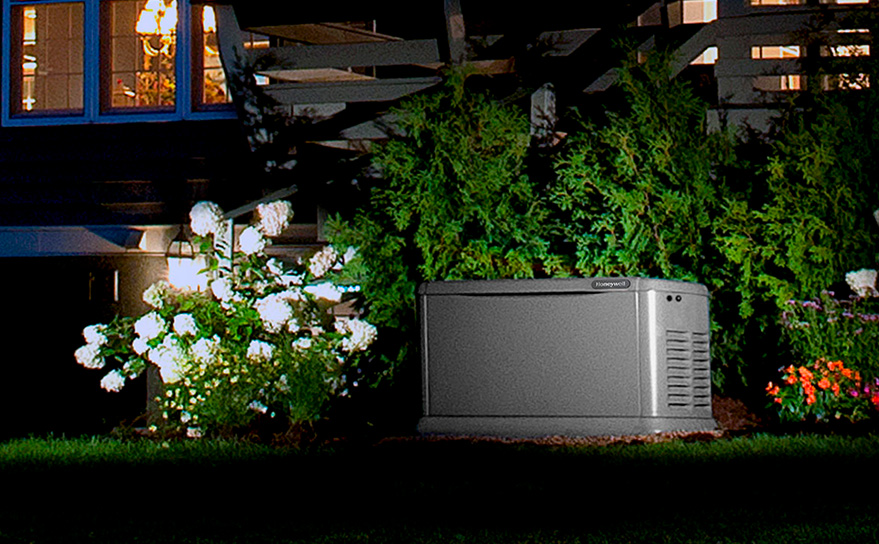
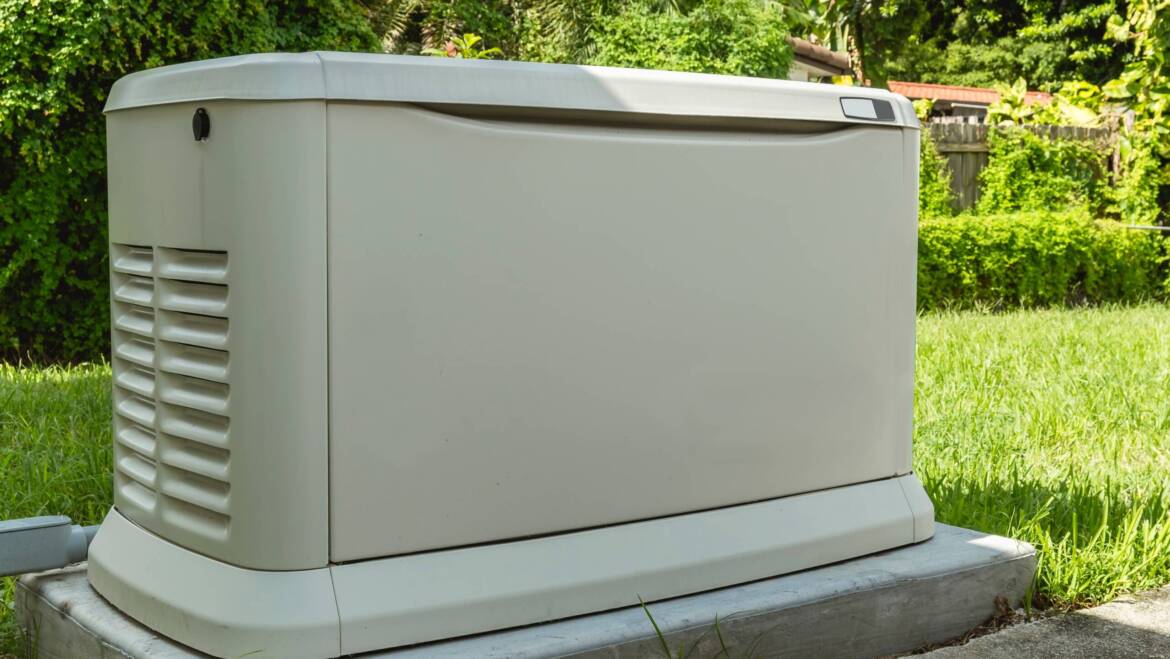
Standby generators are permanently installed outside your home. They turn on automatically during power outages. These generators run on natural gas or propane and provide enough power for whole-house air conditioning. Standby generators are more expensive but very reliable. They need professional installation and regular maintenance.

Credit: mtruhl.com
Power Requirements Of Air Conditioners
Air conditioners need a certain amount of power to work properly. This power is measured in watts. Knowing the power needs helps you decide if a generator can run your AC without problems.
Air conditioners have two power needs: one to start and one to keep running. These can be very different. Understanding both is key to choosing the right generator size.
Starting Vs Running Wattage
Starting wattage is the extra power the AC needs to turn on. It is usually much higher than running wattage. This spike lasts only a few seconds but is very important.
Running wattage is the constant power the AC uses after it starts. This is lower and stays stable while the AC runs. Your generator must handle both wattages smoothly.
Calculating Your Ac Power Needs
Check the AC’s label or manual for wattage information. Note both starting and running wattages. If you cannot find them, use a watt meter for accurate numbers.
Add the starting wattage of your AC to the running wattage of other appliances. This total tells you the minimum generator size needed. Always pick a generator with some extra power.
Matching Generator Capacity To Ac Load
Matching a generator’s capacity to your air conditioner’s load is key to reliable power. An air conditioner needs a certain amount of energy to run smoothly. Choosing the right generator means understanding the power your AC requires. This avoids problems like power failure or damage to your equipment.
Choosing The Right Generator Size
Start by checking the wattage of your air conditioner. This number shows how much power the AC uses while running. Generators have a rated wattage, which must be higher than your AC’s running wattage. A good rule is to pick a generator with at least 20-25% more capacity than your AC’s needs. This extra power helps keep the generator from working too hard.
Handling Surge Power Demands
Air conditioners need more power when they start. This is called surge power or starting wattage. It can be two to three times the running wattage. Your generator must handle this surge. Look for a generator with a high starting watt rating. Without enough surge capacity, the generator may shut down or fail to start the AC.
Fuel Efficiency And Runtime
Fuel efficiency and runtime play a big role in running an air conditioner with a generator. You need enough fuel to keep the generator running without interruption. The type of fuel and how much the generator uses affect how long it will work. Understanding these factors helps you plan better for power outages or outdoor use.
Fuel Types And Consumption
Generators run on different fuel types like gasoline, propane, or diesel. Each fuel type burns at a different rate. Gasoline is common but can use more fuel quickly. Propane lasts longer and burns cleaner. Diesel engines are often more fuel-efficient and last longer too.
Air conditioners need a lot of power, so the generator uses fuel fast. A small generator may run out of fuel quickly. Larger generators use more fuel but can run longer with a bigger tank. Check the fuel consumption rate before choosing a generator.
Maximizing Generator Runtime
To run an air conditioner longer, keep the generator well-maintained. Clean filters and regular oil changes help the engine run smoothly. Use fuel stabilizers to keep fuel fresh during storage. Also, run the generator at a steady speed. Avoid overload to save fuel and prevent damage.
Consider using a generator with a larger fuel tank. This reduces how often you need to refill. Position the generator in a cool, ventilated area to avoid overheating. Turn off other appliances to save power for the air conditioner. These steps help extend runtime and keep your space cool.
Safety Tips For Generator Use
Using a generator to power an air conditioner can be helpful during outages. Safety must always come first. Generators produce power but can also cause risks. Knowing safety tips helps prevent accidents and keeps everyone safe.
Proper Ventilation
Generators release carbon monoxide, a deadly gas. Always use generators outside, far from doors and windows. Keep them in open areas with good airflow. Never run a generator inside a garage or basement. Proper ventilation stops dangerous gas from building up.
Avoiding Electrical Hazards
Keep the generator dry and on a stable surface. Use heavy-duty, outdoor-rated extension cords. Avoid overloading the generator beyond its limit. Turn off the generator before plugging or unplugging devices. Regularly inspect cords for damage to prevent shocks or fires.
Maintaining Your Generator
Maintaining your generator is key to running an air conditioner reliably. A well-kept generator performs better and lasts longer. Regular care helps avoid unexpected breakdowns and keeps your AC cool and comfortable.
Routine Checks And Servicing
Check the oil level often. Low oil can damage the engine quickly. Clean or replace the air filter to keep air flowing smoothly. Inspect spark plugs for dirt or wear. Replace them if needed. Test the battery and fuel system regularly. Schedule professional servicing at least once a year. This keeps all parts working well and prevents future problems.
Storing Your Generator
Store your generator in a dry, cool place. Avoid damp areas that cause rust. Drain the fuel if you will not use it for a long time. Fuel left inside can go bad and clog the system. Cover the generator to protect it from dust. Keep it away from direct sunlight and moisture. Proper storage ensures your generator is ready to run when needed.
Common Challenges And Solutions
Running an air conditioner with a generator presents some challenges. These challenges can affect the performance and safety of your equipment. Knowing common issues and their solutions helps keep your air conditioner running smoothly. It also protects your generator and home.
Dealing With Power Fluctuations
Generators sometimes cause power fluctuations. These changes can harm your air conditioner’s motor. The motor may overheat or fail to start properly. Use a generator with a stable voltage output. An inverter generator is a good choice. It provides clean and steady power. Adding a surge protector can also help. This protects your air conditioner from sudden spikes.
Noise And Environmental Concerns
Generators can be noisy and disturbing. Loud noise may bother neighbors or family members. Placing the generator far from living areas reduces noise. Use soundproof enclosures or barriers for extra quiet. Generators also emit fumes that are harmful. Always run the generator outdoors in a well-ventilated area. Never use it inside or near windows. This ensures safety and reduces pollution risks.
Credit: danley911.com
Frequently Asked Questions
Can A Generator Handle The Power Needs Of An Air Conditioner?
Generators can run most air conditioners if they have enough wattage. Check your AC’s starting and running watts before buying a generator. A generator with higher capacity than your AC’s needs works best.
What Size Generator Is Best For Running An Air Conditioner?
A generator with at least 5,000 to 7,500 watts is usually needed. This size covers the high startup power of most home air conditioners. Always check your AC unit’s power requirements for accuracy.
How Long Can A Generator Run An Air Conditioner Continuously?
Generators can run an AC as long as they have fuel and are properly maintained. Most portable generators run for 8 to 12 hours on a full tank. Larger standby generators can run much longer with a steady fuel supply.
Can A Small Portable Generator Run A Central Air Conditioner?
Small portable generators often lack enough power for central AC units. These units need more starting watts than small generators provide. A larger generator or a dedicated standby unit is better.
What Safety Tips Should I Follow Using A Generator With An Ac?
Always run generators outside to avoid carbon monoxide poisoning. Use proper extension cords rated for your generator’s power. Never overload the generator beyond its capacity to prevent damage.
Conclusion
A generator can run an air conditioner reliably with the right size. Choose a generator that matches the AC’s power needs. Regular maintenance keeps both devices working well. Be aware of fuel limits and noise levels. Safety matters—always follow instructions and use proper connections.
This way, you stay cool during outages without trouble. Planning ahead makes a big difference. Simple steps ensure comfort and peace of mind.