
Snoring can disrupt your sleep and leave you feeling tired and frustrated. You might wonder if there’s a simple way to reduce those noisy nights.
Could an air purifier be the secret to quieter, more restful sleep? If you’ve tried everything else, this idea might surprise you. Keep reading to discover how improving the air you breathe could help ease your snoring and bring peace back to your bedroom.
How Air Quality Affects Snoring
Air quality plays a big role in how well you breathe at night. Poor air can make your nose and throat swell. This swelling can block your airway and cause snoring. Clean air helps keep your airways clear and reduces snoring risks.
Many people do not realize that allergens and dry air worsen snoring. Improving the air around you can make breathing easier and quieter during sleep.
Role Of Allergens And Irritants
Allergens like dust, pollen, and pet dander irritate your nose and throat. This irritation causes swelling and congestion. Congested airways narrow the space for airflow. Less space means more vibration and louder snoring. Avoiding allergens or removing them from the air can reduce these problems. Air purifiers help by trapping allergens and cleaning the air you breathe.
Impact Of Dry Air On Airways
Dry air can dry out your nose and throat lining. This dryness causes irritation and inflammation. Inflamed airways swell and become narrower. Narrower airways make it harder to breathe smoothly. Using a humidifier or an air purifier with a moisture feature can add moisture. Moist air soothes your airways and reduces snoring caused by dryness.
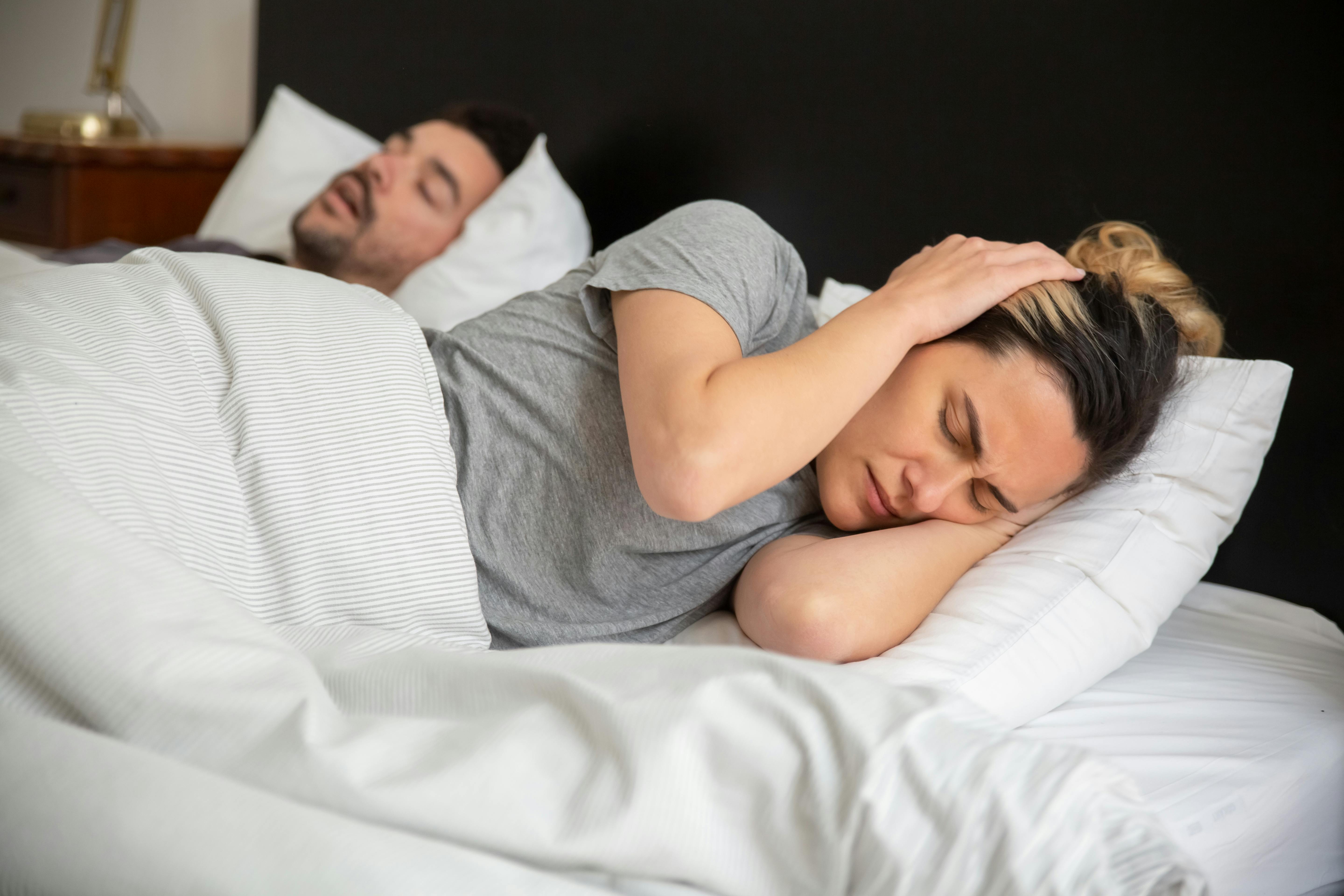
Credit: airdogusa.com
Benefits Of Using Air Purifiers For Snoring
Using an air purifier can help reduce snoring by improving air quality. Clean air supports better breathing and less irritation in the throat and nose. Many people find their snoring reduces after they start using an air purifier in their bedroom.
Air purifiers remove dust, pollen, and other particles that cause nasal congestion. Clearer airways mean easier breathing during sleep, which lowers the chance of snoring. The benefits go beyond just cleaner air; they help create a more restful sleep environment.
Reducing Allergens That Trigger Snoring
Allergens like dust mites, pet dander, and pollen often cause nasal blockage. Blocked nasal passages increase snoring by making breathing harder. Air purifiers filter out these allergens from the air. This helps keep the nose and throat clear. Fewer allergens mean less irritation and less snoring.
Improving Breathing Comfort During Sleep
Air purifiers keep the air fresh and moist. Dry or polluted air can irritate the throat and nose. This irritation can cause loud snoring or breathing pauses. Clean air helps the airway stay open and relaxed. Better air quality leads to smoother, quieter breathing.
Types Of Air Purifiers Suitable For Snorers
Air purifiers can improve bedroom air quality for snorers. Different types of purifiers target various pollutants. Choosing the right type helps reduce snoring triggers. Understanding these types guides you to better sleep.
Hepa Filters And Their Effectiveness
HEPA filters trap tiny particles from the air. Dust, pollen, and pet dander get caught easily. These particles often irritate the nose and throat. Cleaner air helps open airways and reduce snoring. HEPA filters work quietly and last long. They suit most snorers with allergies or dust sensitivity.
Activated Carbon Filters For Odor Control
Activated carbon filters absorb bad smells and gases. Smoke, cooking odors, and pet smells disappear fast. Removing odors creates a fresher sleep environment. Less irritation in the nose means less snoring. These filters work best alongside HEPA filters. They keep the air clean and smell-free.
Ultraviolet Light Purifiers
Ultraviolet (UV) light purifiers kill bacteria and viruses. These germs can cause infections that worsen snoring. UV light breaks down harmful microbes in the air. It helps keep the respiratory system healthy. UV purifiers often combine with other filter types. Safe, chemical-free air cleaning supports better breathing at night.
Additional Tips To Complement Air Purifier Use
Using an air purifier can reduce allergens and dust that trigger snoring. To get better results, try these simple tips. They help create a better sleep space and support your purifier’s work.
Maintaining Proper Humidity Levels
Dry air can make snoring worse by irritating your throat. Keep the humidity in your room between 40% and 60%. Use a humidifier if the air feels dry. It helps keep your airways moist and reduces snoring.
Creating A Sleep-friendly Environment
Make your bedroom quiet and dark. Noise and light can disturb your sleep and increase snoring. Use blackout curtains and earplugs if needed. Keep your bed and pillows clean to avoid dust build-up.
Lifestyle Changes To Reduce Snoring
Try to sleep on your side instead of your back. This can prevent your tongue from blocking your throat. Avoid heavy meals and alcohol before bed. They relax muscles and make snoring louder. Regular exercise can also improve breathing during sleep.
When To Seek Medical Advice For Snoring
Snoring can be a minor annoyance or a sign of a serious health problem. Knowing when to see a doctor is important. Some snoring issues need medical care to avoid risks. This section explains signs that require attention and available treatments.
Signs Of Sleep Apnea
Sleep apnea causes breathing to stop briefly during sleep. Loud snoring with pauses or gasping is a common sign. Feeling very tired during the day also hints at sleep apnea. Morning headaches and dry mouth can occur too. Notice if snoring disturbs your partner’s sleep often. These signs mean you should get a medical checkup.
Professional Treatment Options
Doctors use tests to diagnose snoring causes. Sleep studies help find sleep apnea or other problems. Treatments include special devices to keep airways open. Continuous positive airway pressure (CPAP) machines are common. Surgery may help in some cases. Lifestyle changes like weight loss also improve snoring. Professional help can improve sleep quality and health.
Credit: www.sleepbetterny.com
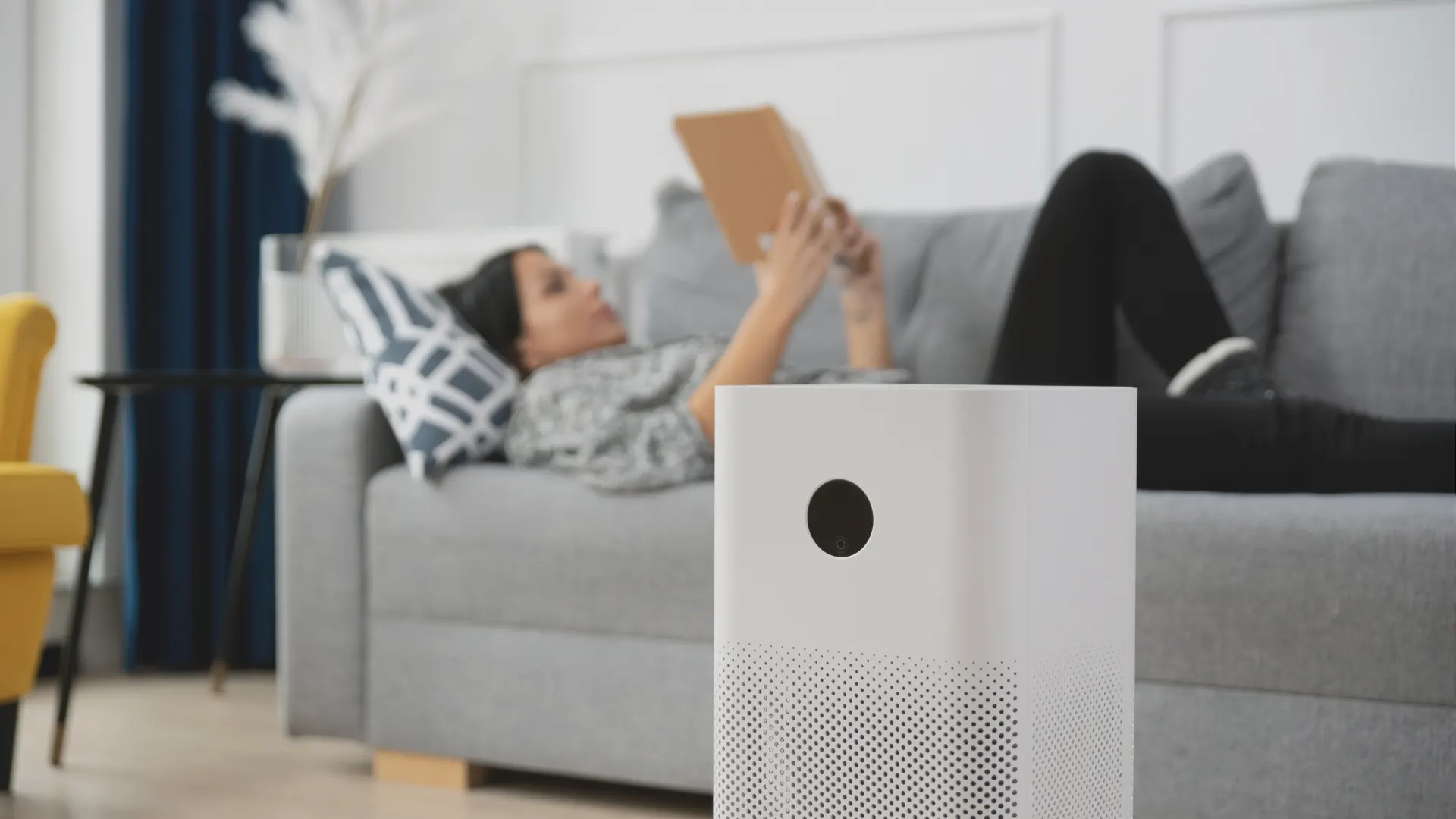
Credit: www.sleepbetterny.com
Frequently Asked Questions
Can Air Purifiers Reduce Snoring Caused By Allergies?
Air purifiers remove dust, pollen, and pet dander from the air. This can lessen allergy symptoms that often cause snoring. Cleaner air helps you breathe better at night.
Do Air Purifiers Improve Sleep Quality For Snorers?
Yes, cleaner air can ease breathing and reduce nasal congestion. This helps many people sleep more soundly and snore less. A good air purifier can make nights calmer.
Which Air Purifier Features Help With Snoring Most?
Look for HEPA filters to capture tiny particles and allergens. A quiet machine is best, so it doesn’t disturb sleep. Some models also remove odors and bacteria.
Can Air Purifiers Replace Other Snoring Treatments?
Air purifiers support better breathing but don’t fix all snoring causes. They work best with other methods like sleeping positions or medical advice. Use them as part of a snoring solution.
How Long Should I Run An Air Purifier To Help Snoring?
Run the purifier all night for steady clean air. Starting it before bedtime helps clear the room quickly. Consistent use gives the best results for snoring relief.
Conclusion
Air purifiers can reduce dust and allergens in the air. Cleaner air may help ease snoring for some people. They do not stop snoring completely but can support better breathing. Using an air purifier along with good sleep habits works best.
Keep your bedroom fresh and free from irritants. Small changes can improve sleep quality and comfort. Try an air purifier to see if it helps you snore less. Breathe easier, sleep better, and feel more rested.