
Are you wondering if an air fryer could replace your microwave in the kitchen? You’re not alone.
Many people ask whether air fryers are better than microwaves for cooking fast and tasty meals. The truth is, both have their strengths, but understanding the key differences can change the way you cook—and eat. If you want to know which appliance suits your lifestyle and delivers the best results for your meals, keep reading.
This guide will help you make a smart choice that fits your needs perfectly.
Air Fryer Basics
Air fryers have become popular kitchen tools. They offer a new way to cook food quickly and with less oil. Understanding the basics helps to see how they compare to microwaves. Let’s explore how air fryers work, their common features, and what they are used for.
How Air Fryers Work
Air fryers cook food by circulating hot air around it. A fan pushes the hot air at high speed. This air crisps the food’s surface, like frying but without much oil. The heat cooks the inside evenly. This method makes food crispy and less greasy.
Common Features
Most air fryers have a basket to hold food. They come with temperature controls to adjust heat. A timer helps to set cooking duration. Some models include preset cooking modes. Many air fryers have removable parts for easy cleaning.
Popular Uses
People use air fryers for fries, chicken, and vegetables. They cook frozen foods quickly and healthily. Air fryers are good for reheating leftovers too. They help make snacks crispy without deep frying. Many use them to bake small cakes or snacks.
Microwave Essentials
Microwaves are common in many kitchens. They heat food quickly. Understanding how they work helps to use them better.
This section explains microwave cooking, key features, and typical uses.
Microwave Cooking Mechanism
Microwaves use electromagnetic waves to heat food. These waves make water molecules move fast. This movement creates heat inside the food. The heat cooks food from inside out. This method is faster than regular ovens.
Key Features
Microwaves have simple controls. Most have timer and power settings. Some models include pre-set cooking modes. They are compact and easy to clean. They also save energy compared to ovens.
Typical Applications
Microwaves are best for reheating leftovers. They cook frozen meals quickly. They also defrost food safely. Some people use them to steam vegetables. They suit fast and simple cooking tasks well.
Cooking Performance
Cooking performance is a key factor when choosing between an air fryer and a microwave. Both appliances offer unique benefits that affect how food cooks. Understanding their differences helps you pick the right tool for your kitchen needs.
Speed And Efficiency
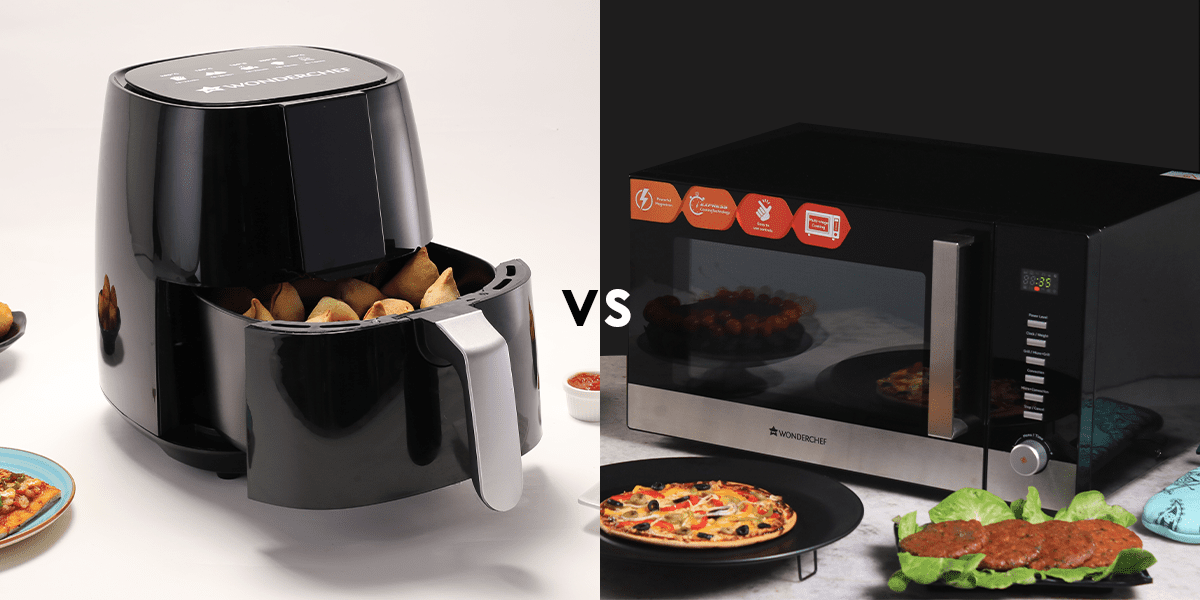
Microwaves cook food very fast by using electromagnetic waves. They heat food quickly from the inside out. Air fryers take longer because they cook food with hot air circulation. This method needs more time to make food crisp and browned. Microwaves save time for reheating and simple meals. Air fryers work better for cooking foods that need a crispy texture.
Texture And Taste
Air fryers create a crispy outer layer on fried foods. They give a texture similar to deep frying but use less oil. Microwaves often make food soft or soggy because they use moisture to heat. Air fryers keep food crunchy and fresh-tasting. Microwaves are better for steaming or softening food but lack crispiness.
Food Variety Compatibility
Microwaves suit many food types like leftovers, vegetables, and soups. They handle soft foods well but struggle with fried or baked items. Air fryers cook a wide range of foods that need crispness. They are great for fries, chicken, and baked snacks. Each appliance fits different cooking styles and food choices.
Credit: blog.wonderchef.com
Health And Nutrition
Health and nutrition matter a lot when choosing kitchen appliances. Both air fryers and microwaves cook food fast. But they affect food differently. Understanding their impact on oil use, nutrients, and calories helps you choose better for your diet.
Oil Usage And Fat Content
Air fryers need little oil to make food crispy. This cuts fat compared to deep frying. Microwaves do not need oil at all. They cook food by heating water inside. Less oil means less fat in your meals.
Nutrient Retention
Microwaves cook food quickly, which keeps more vitamins. Air fryers use hot air, which can cause some nutrient loss. Both methods keep more nutrients than boiling or frying. Fast cooking helps protect vitamins and minerals.
Calorie Considerations
Air-fried foods can have fewer calories than fried foods. Microwaving does not add calories but does not reduce them either. How you prepare food affects calories most. Using less oil and cooking quickly can lower calorie intake.
Convenience And Usability
Convenience and usability are key factors when choosing kitchen appliances. Both air fryers and microwaves offer quick cooking, but they differ in how easy they are to use and maintain. Understanding these differences helps pick the right tool for daily meals.
Ease Of Use
Microwaves operate with simple buttons and preset times. Most models allow quick heating or defrosting with minimal effort. Air fryers need more setup, like selecting temperature and cooking time. Some have digital controls, while others use dials. Both appliances suit beginners, but microwaves often feel more straightforward.
Cleaning And Maintenance
Microwaves usually have flat interiors that wipe clean easily. Spills can be removed with a damp cloth. Air fryers have baskets and trays that need washing after use. These parts are often dishwasher safe. Cleaning an air fryer takes more time but prevents food buildup. Both require regular care to stay in good condition.
Size And Portability
Microwaves are larger and heavier, often staying in one place. They need a dedicated counter spot. Air fryers are generally smaller and lighter. They fit well in limited spaces and move easily. For small kitchens or frequent relocation, air fryers offer more flexibility.
Energy Consumption
Energy consumption is an important factor when choosing between air fryers and microwaves. Both appliances use electricity but in different ways. Understanding how much power they use helps save money and protect the environment. Let’s explore their energy use in detail.
Power Usage Comparison
Microwaves usually use between 600 and 1200 watts. They cook food quickly by using microwaves to heat water molecules. This fast cooking means they use electricity for a short time.
Air fryers use about 1400 to 1800 watts. They cook food by circulating hot air around it. This process takes longer than microwaving, so they use power for more time.
Overall, microwaves use less electricity because they cook faster. Air fryers consume more power due to longer cooking times.
Environmental Impact
Lower energy use means less harm to the environment. Microwaves, with their shorter cooking time, usually have a smaller carbon footprint.
Air fryers use more energy, increasing environmental impact. Using them for long periods adds to electricity demand.
Choosing an appliance with lower energy use helps reduce pollution and conserve resources. Small changes in daily cooking can make a big difference for the planet.
Cost And Value
Cost and value play a big role in choosing kitchen appliances. Both air fryers and microwaves save time and effort. But their prices and expenses differ. Understanding these differences helps you pick the best option for your budget.
Initial Investment
Microwaves often cost less to buy. Basic models start at a low price. Air fryers usually come with a higher price tag. They have more parts and features. This makes the first cost higher for air fryers.
Long-term Expenses
Microwaves use electricity but for a short time. This keeps energy bills lower. Air fryers use electricity longer to cook food. This may increase electricity costs. Both need occasional repairs or replacements. These costs add up over time.
Durability And Warranty
Microwaves tend to last many years with proper care. Air fryers are newer and vary in durability. Warranties differ by brand and model. Check warranty length and what it covers. A good warranty adds value to your purchase.

Credit: shutterandmint.com
Best Use Cases
Understanding the best use cases for air fryers and microwaves helps make smart kitchen choices. Each appliance has unique strengths that suit different cooking needs. Knowing when to use each one saves time and improves meal quality.
Both air fryers and microwaves offer convenience but serve different purposes. The air fryer excels at creating crispy textures, while the microwave shines in quick reheating and simple cooking tasks.
When To Choose An Air Fryer
Choose an air fryer for crispy, golden food without extra oil. It works well for fries, chicken wings, and vegetables. The air fryer cooks food evenly and adds a crunchy texture. Use it for baking small items like muffins or reheating leftovers that need crispiness. It is perfect for meals that benefit from a roasted or fried finish.
When To Opt For A Microwave
Opt for a microwave to heat food quickly and efficiently. It is ideal for defrosting frozen meals and cooking simple dishes like oatmeal or soup. Microwaves suit busy schedules where fast meal prep is a priority. They also work well for reheating drinks and leftovers that do not need crisping. Use a microwave for tasks requiring speed over texture.
User Experiences
User experiences reveal many insights about air fryers and microwaves. People share their real thoughts on these kitchen gadgets. Their feedback helps others choose the right appliance.
Users talk about what they like and dislike. Their opinions cover ease of use, cooking quality, and time savings. Let’s explore some common complaints and favorite features.
Common Complaints
Many users say microwaves sometimes cook food unevenly. Some meals come out soggy or dry. Air fryers can take longer than expected to cook food. A few find air fryer baskets hard to clean. Both devices need space on the countertop. Noise levels can also bother some people.
Favorite Features
Users love microwaves for quick reheating and simple use. They appreciate the timer and preset buttons. Air fryer fans enjoy crispy, fried-like textures without oil. They value healthier cooking and easy food crisping. Many like that air fryers can bake, roast, and grill. Both devices save time compared to traditional ovens.
Expert Opinions
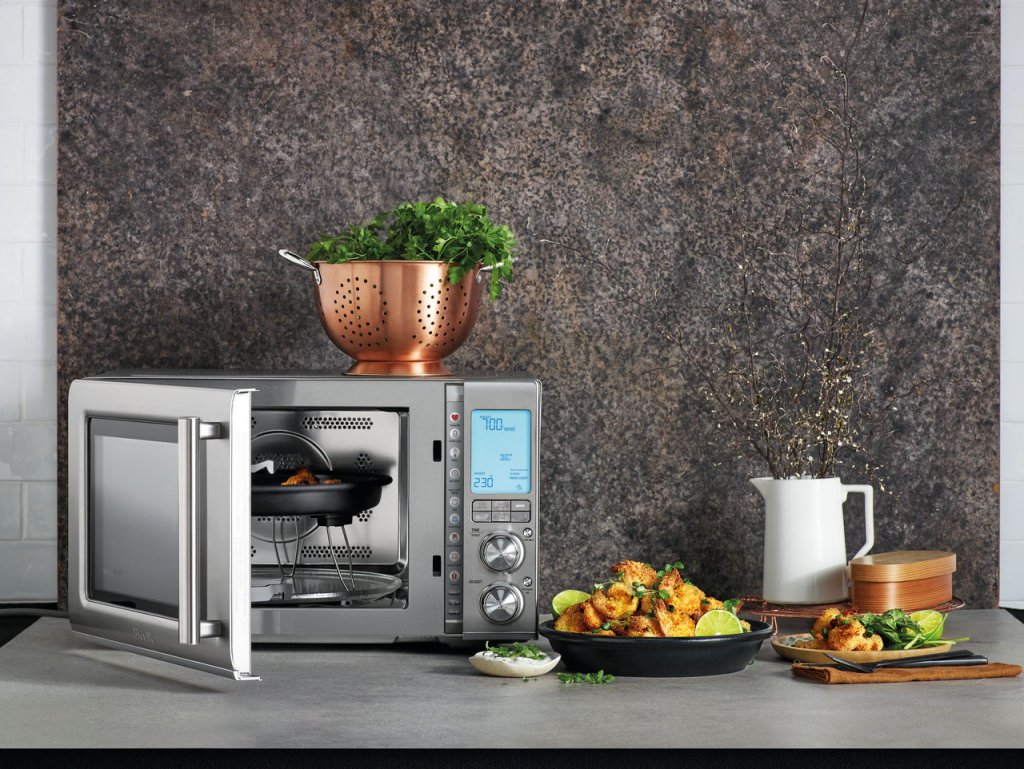
Experts say microwaves are great for fast reheating. They recommend air fryers for cooking fresh or frozen foods. Air fryers help reduce oil but need more cooking time. Microwaves keep food moist but lack crispiness. Professionals suggest choosing based on cooking style and needs. Both appliances have places in modern kitchens.
Credit: www.breville.com
Frequently Asked Questions
What Is The Main Difference Between Air Fryers And Microwaves?
Air fryers cook food by circulating hot air, creating a crispy texture. Microwaves heat food using electromagnetic waves, which warms food quickly but doesn’t crisp it.
Which Appliance Cooks Food Faster, Air Fryer Or Microwave?
Microwaves cook food faster, usually within minutes. Air fryers take longer but produce a crispier, fried-like result.
Can Air Fryers Replace Microwaves In Every Kitchen?
Air fryers work great for frying and baking but don’t heat liquids or reheat food as fast as microwaves. Both have unique uses.
Are Air Fryers Healthier Than Microwaves For Cooking?
Air fryers use less oil, making food lower in fat and calories. Microwaves don’t add fat but don’t create crispy textures.
Which Appliance Is Easier To Clean, Air Fryer Or Microwave?
Microwaves are generally easier to clean since they have flat interiors. Air fryers have baskets and trays that need washing after use.
Conclusion
Air fryers and microwaves serve different kitchen needs. Air fryers cook food with crispiness and less oil. Microwaves heat food quickly and save time. Choosing depends on your cooking habits and food preferences. Both have unique benefits that suit various tasks.
Think about what you cook most often. A mix of both devices can also work well. Balance between speed and taste matters. Your kitchen deserves tools that fit your lifestyle.