
Have you ever wondered if your air purifier is really doing its job? The truth is, even the best air purifiers can’t work well with dirty filters.
Changing your air purifier filter at the right time is key to breathing clean, fresh air every day. But how often should you actually change those filters? If you’re unsure or worried about wasting money, this guide will clear things up for you.
Keep reading to discover simple tips that can save your health and your wallet.
Why Filter Changes Matter
Changing air purifier filters is very important. Clean filters keep the air fresh and healthy. Dirty filters can cause many problems. Understanding why filter changes matter helps you keep your home safe.
Impact On Air Quality
Filters trap dust, pollen, and other tiny particles. Over time, filters fill up and stop working well. Dirty filters let particles float back into the air. This lowers the air quality in your room. Clean filters keep the air clear and fresh.
Effect On Purifier Performance
A clogged filter makes the purifier work harder. This can cause the machine to slow down or break. Changing filters regularly helps the purifier run smoothly. It also saves energy and extends the purifier’s life.
Health Implications
Dirty filters can cause breathing problems. Allergies and asthma may get worse. Clean filters remove harmful particles that affect your health. Changing filters on time helps protect your family’s lungs and overall health.
Credit: www.mspurelife.com
Types Of Air Purifier Filters
Air purifiers use different types of filters to clean the air. Each filter type targets specific pollutants. Knowing these filters helps decide how often to change them. Here are the main types of air purifier filters.
Hepa Filters
HEPA filters capture tiny particles like dust, pollen, and pet dander. They remove 99.97% of particles as small as 0.3 microns. These filters need replacement every 6 to 12 months. Using a HEPA filter keeps air fresh and healthy.
Carbon Filters
Carbon filters absorb odors, smoke, and chemical fumes. They use activated charcoal to trap gases and smells. These filters usually last 3 to 6 months. Changing them on time prevents bad smells from returning.
Pre-filters
Pre-filters catch large dust and hair before the main filter. They help extend the life of HEPA and carbon filters. Pre-filters are washable or need replacing every 1 to 3 months. Cleaning them regularly keeps the purifier efficient.
Uv Filters
UV filters use ultraviolet light to kill germs and bacteria. They do not trap particles but neutralize harmful microbes. UV lamps need replacement about once a year. This keeps the purifier fighting germs effectively.
Recommended Change Intervals
Knowing how often to change air purifier filters helps keep your air clean and fresh. Changing filters on time keeps the purifier working well. It also stops dust and allergens from building up inside the device. Many factors affect the best time to swap out a filter. The following sections explain the main points to consider.
Manufacturer Guidelines
Every air purifier brand gives advice on filter changes. These instructions tell you the best time to replace filters. Following them keeps the purifier effective and safe. Usually, the guide suggests changing filters every 3 to 6 months. Some models have indicators that alert when to change filters. Always check the user manual for exact details.
Filter Type Variations
Different filters last for different times. HEPA filters need changing less often than carbon filters. Carbon filters absorb smells and gases but wear out faster. Washable filters can be cleaned and reused. Check what type of filter your purifier uses. This helps decide how often to replace or clean it.
Usage Frequency Influence
The more you use the air purifier, the faster the filter fills up. Running it all day means changing filters more often. Using it only at night or a few hours daily can extend filter life. Also, homes with pets or smokers may need quicker filter changes. Check the filter regularly for dust or dirt buildup.
Signs You Need To Replace Filters
Knowing the signs that your air purifier filter needs replacement helps keep your air fresh and clean. Filters lose their ability to trap dust and allergens over time. This makes the air purifier less effective. Watch for these clear signs that indicate it’s time to change your filter.
Reduced Airflow
When airflow slows down, the filter may be clogged. Dust and particles block the air from passing freely. You might notice less air coming from the purifier. This means the filter cannot work properly. Changing it will restore good airflow and better air cleaning.
Unpleasant Odors
Bad smells coming from the air purifier are a warning. Filters trap odors but lose this power after use. A dirty filter can cause musty or stale smells. This indicates trapped pollutants are building up. Replace the filter to remove odors and refresh your space.
Increased Allergies
More sneezing, coughing, or irritation can mean the filter is failing. Allergens like pollen and dust stay in the air longer. The purifier cannot remove particles well if the filter is old. Changing the filter helps reduce allergy symptoms and improve breathing.
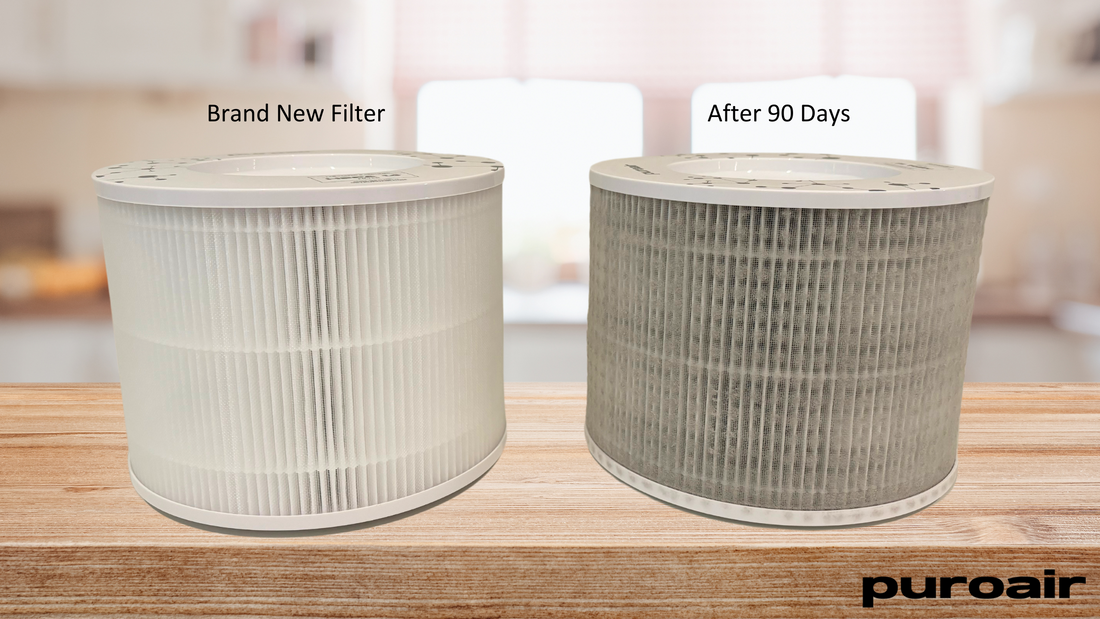
Filter Discoloration
Look at the filter’s color as a simple check. A clean filter is usually white or light-colored. Dark or gray filters show dirt and dust buildup. This visual clue signals it’s time for a new filter. Regular replacement keeps your air purifier working well.
Factors Affecting Filter Lifespan
Understanding the factors that affect filter lifespan helps maintain clean air. Several conditions change how fast filters wear out. Knowing these helps you plan timely replacements.
Air Quality Conditions
Filters in areas with high pollution get dirty faster. Dust, smoke, and pollen reduce filter life. Cleaner air means filters last longer. Urban areas often need more frequent changes.
Room Size And Usage
Bigger rooms or spaces with more use fill filters quickly. Air purifiers working nonstop wear out filters faster. Smaller rooms with less use allow longer filter life.
Pet Presence
Pets shed hair and dander that clog filters fast. Homes with multiple pets need filter changes often. Pet owners should check filters more regularly.
Smoking Environment
Smoke particles coat filters quickly and reduce their function. Filters in smoking areas get dirty very fast. Changing filters often keeps air purifier effective.
Tips To Extend Filter Life
Extending the life of your air purifier filter saves money and keeps air clean longer. Simple steps help your filter work better and last more time. Follow these tips to make your filter last and keep your air purifier efficient.
Regular Cleaning
Remove dust and dirt from the filter often. Use a soft brush or vacuum to clean the surface gently. Cleaning stops buildup that blocks airflow. Clean filters catch more particles and last longer.
Proper Storage
Keep extra filters in a dry, cool place. Avoid humid or hot areas that can damage the filter. Store filters in sealed bags to protect from dust and moisture. Proper storage keeps filters fresh until use.
Optimal Usage Settings
Use the air purifier on the right setting for your space. High settings use the filter faster. Medium or low speeds can extend filter life. Run the purifier only when needed to reduce wear.
How To Replace Filters Correctly
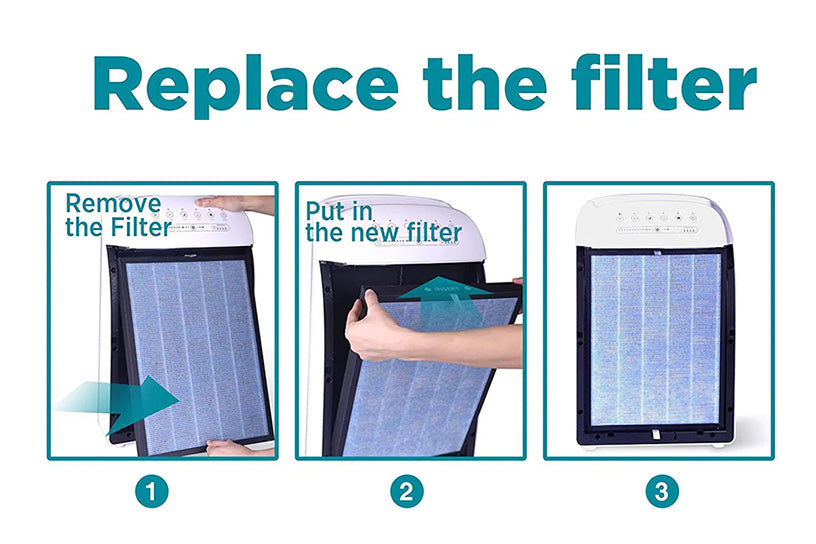
Replacing air purifier filters correctly is key to keeping your air clean. Proper replacement helps your device work well and last longer. Follow clear steps to change filters safely and easily. Handle old filters properly to avoid dust and allergens. Some purifiers have filter indicators that need resetting after a change. This ensures accurate tracking of filter life.
Step-by-step Process
First, unplug the air purifier. Open the filter compartment carefully. Remove the old filter gently to avoid spreading dust. Dispose of the old filter as recommended. Unwrap the new filter from its packaging. Insert the new filter in the correct position. Close the filter compartment securely. Plug the purifier back in and turn it on.
Disposal Recommendations
Used filters contain dust and pollutants. Place the old filter in a plastic bag to trap particles. Seal the bag tightly before throwing it away. Check local rules for disposing of air filters. Some areas require special recycling or disposal. Avoid shaking or banging the filter to reduce dust release.
Resetting Filter Indicators
Many air purifiers have lights or alerts for filter changes. After installing a new filter, reset the indicator. Find the reset button or follow the manual instructions. Usually, press and hold the reset button for a few seconds. The indicator light should turn off or change color. This helps the purifier track the new filter’s lifespan.
Credit: getpuroair.com
Cost Considerations For Filter Replacement
Replacing air purifier filters is necessary for clean air. But it can add up in cost. Knowing the cost helps plan filter changes well. It keeps air quality high without breaking the bank.
Filter Pricing
Filter prices vary by type and brand. Basic filters cost less but may last shorter. HEPA filters usually cost more but clean better. Some filters come in packs, which can save money. Always check the price before buying a new filter.
Budgeting Tips
Set a monthly or yearly budget for filter replacement. Buy filters in bulk to get discounts. Track filter life and replace only when needed. Some brands offer subscription plans for regular delivery. These plans can help spread costs evenly over time.
Balancing Cost And Air Quality
Cheaper filters might save money but reduce air quality. Expensive filters clean better but cost more to replace. Find a balance that fits your health needs and budget. Prioritize filter quality if you have allergies or asthma. Regular changes keep the air fresh and safe.

Credit: www.reddit.com
Frequently Asked Questions
How Often Should I Replace Air Purifier Filters?
Most air purifier filters need changing every 3 to 6 months. This depends on usage and air quality in your home.
What Happens If I Don’t Change Filters Regularly?
Dirty filters reduce air purifier efficiency and may cause bad smells. It can also worsen indoor air quality.
Can I Clean Air Purifier Filters Instead Of Replacing Them?
Some filters like pre-filters can be cleaned, but HEPA and carbon filters usually must be replaced. Check your model’s instructions.
How Do I Know When My Air Purifier Filter Needs Changing?
Look for reduced airflow, strange smells, or a filter change indicator light. These signs mean it’s time to replace the filter.
Does Filter Replacement Frequency Vary By Air Purifier Type?
Yes, different types like HEPA, carbon, or washable filters have different lifespans. Always follow the manufacturer’s guide for your purifier.
Conclusion
Changing air purifier filters regularly keeps your air clean and fresh. Dirty filters reduce the machine’s efficiency and harm air quality. Check the filter every month and replace it as needed. Follow the manufacturer’s guide for the best timing. Clean air helps your health and comfort at home.
Don’t wait until the filter looks dirty. Small steps like this make a big difference. Keep your air purifier working well for a healthier living space. Simple care protects your family’s breathing environment.