
Are you tired of the lingering smell of smoke in your home? You might wonder if an air purifier can really clear the air and make your space fresh again.
Smoke particles are tiny and stubborn, and they can affect your health and comfort. Understanding how air purifiers work with smoke can help you make the right choice for your home and breathe easier every day. Keep reading to discover the truth about air purifiers and smoke removal—your lungs will thank you.

Credit: www.nuwavenow.com
How Smoke Affects Indoor Air
Smoke inside the home changes the air we breathe. It brings tiny particles and strong smells. These affect our health and comfort. Understanding how smoke affects indoor air helps us keep our space clean and safe.
Sources Of Indoor Smoke
Smoke inside can come from many sources. Cigarettes and cigars are common causes. Cooking, especially frying or grilling, also produces smoke. Candles and fireplaces add to indoor smoke. Even burning incense creates small smoke particles.
Health Risks From Smoke Exposure
Breathing smoke indoors can harm your health. It can cause coughing and breathing problems. Smoke raises the risk of asthma and lung infections. Children and older adults are more sensitive. Long-term exposure may lead to serious diseases.
Smoke Particles And Odors
Smoke contains tiny particles that float in the air. These particles can enter your lungs easily. Smoke also leaves strong odors that stick to fabrics and walls. These smells make the room uncomfortable and harder to breathe. Removing these particles and odors is important for clean air.

Credit: www.simpurelife.com
Air Purifier Technologies For Smoke
Air purifiers use different technologies to clean smoke from the air. Smoke contains tiny particles and harmful gases. Not all air purifier types remove smoke well. Understanding the main technologies helps choose the right purifier.
Some purifiers trap particles, while others absorb gases or change particles’ charge. Each technology works in a unique way to fight smoke pollution indoors.
Hepa Filters And Smoke Removal
HEPA filters capture very small particles. Smoke particles are tiny, but HEPA filters catch most of them. These filters trap dust, ash, and other smoke bits. HEPA filters do not remove gases or odors from smoke. They work best in removing solid particles.
Activated Carbon Filters
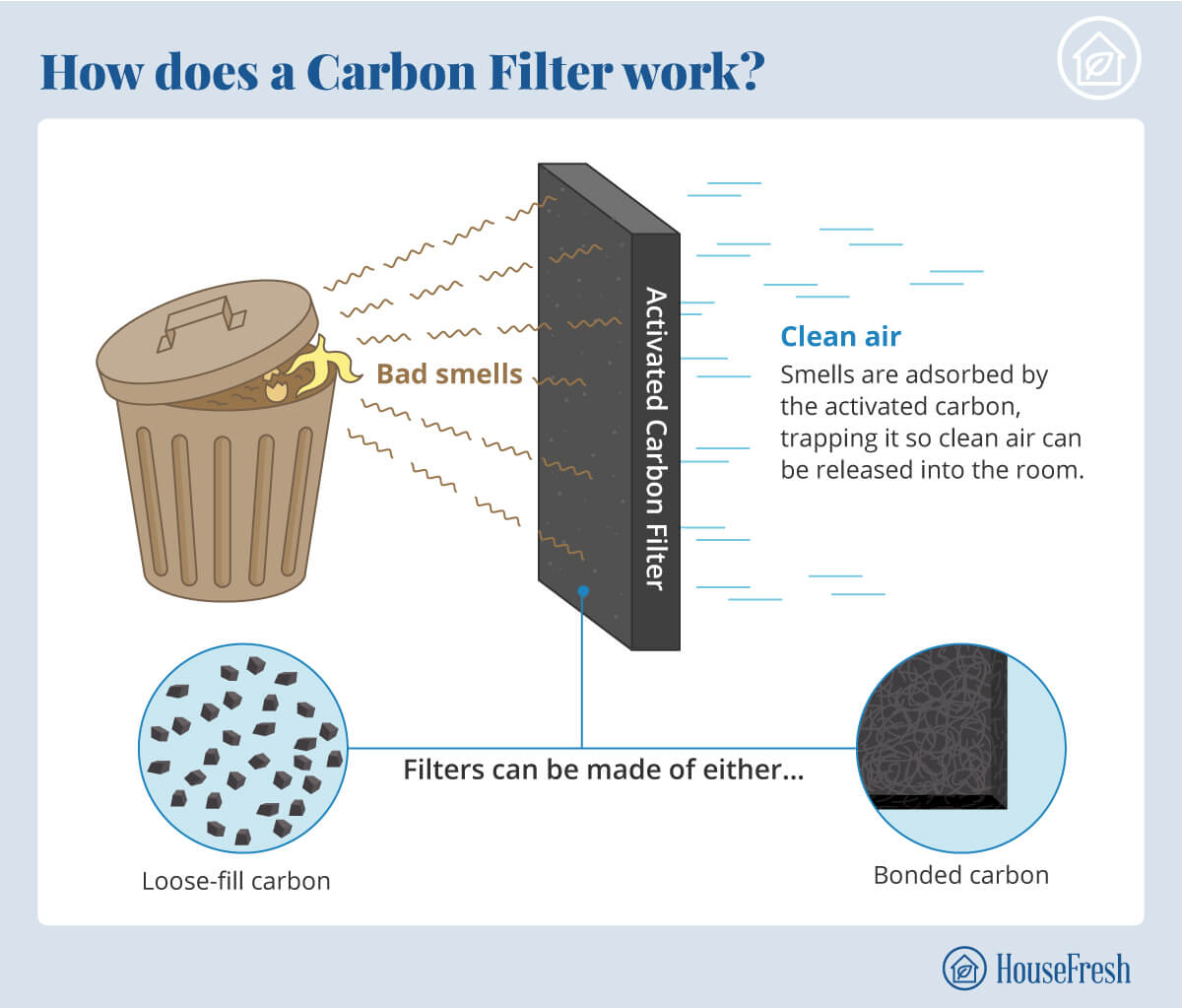
Activated carbon filters absorb smoke gases and smells. Smoke contains harmful gases like carbon monoxide and volatile organic compounds. Carbon filters trap these gases in their pores. This technology reduces smoke odor and harmful chemicals. It works well with HEPA filters for full smoke removal.
Ionizers And Ozone Generators
Ionizers release charged ions to attract smoke particles. These particles clump and fall from the air or stick to surfaces. Ionizers reduce airborne smoke but can cause dust buildup on walls. Ozone generators produce ozone gas that breaks down smoke particles. Ozone can be harmful to health in high amounts. Use these devices carefully and follow safety rules.
Effectiveness Of Air Purifiers Against Smoke
Air purifiers can help reduce smoke in your home, but their success depends on several factors. Smoke is made of tiny particles and strong odors that are hard to remove. Understanding how air purifiers work against smoke helps you choose the right device and use it properly.
Capturing Fine Smoke Particles
Smoke particles are very small, often less than 2.5 microns in size. Air purifiers with HEPA filters can trap these fine particles effectively. The filter catches particles as air passes through, reducing smoke in the air. This helps improve air quality and makes breathing easier.
Eliminating Smoke Odors
Smoke odors come from gases and chemicals that float in the air. Standard filters do not remove odors well. Activated carbon filters absorb many smoke smells by trapping gases on their surface. Air purifiers with carbon filters work better at reducing odors than those with only HEPA filters.
Limitations And Challenges
Air purifiers do not remove smoke from walls or furniture. Smoke particles can settle and stay on surfaces. Also, very strong smoke may need multiple purifiers or ventilation to clear quickly. Purifiers work best in closed rooms with little outside air flow. Regular filter changes are essential for good performance.
Choosing The Right Air Purifier
Choosing the right air purifier matters for removing smoke effectively. Different purifiers work well in different spaces. Knowing what to check helps you pick the best one for your needs. Three key factors affect how well an air purifier handles smoke: room size, filter care, and energy use.
Room Size And Air Purifier Capacity
Match the purifier’s capacity to your room size. A small purifier won’t clean a large room properly. Check the Clean Air Delivery Rate (CADR). It shows how much air the purifier cleans per minute. Choose a CADR rating that suits your room. This keeps smoke and particles under control.
Filter Maintenance And Replacement
Filters catch smoke particles and need regular care. Clean or change filters as the manual says. A dirty filter lowers purifier efficiency. HEPA filters are great for smoke but need timely replacement. Keep track of filter life to maintain good air quality.
Energy Efficiency And Noise Levels
Energy use affects your bills and environment. Pick an energy-efficient model to save power. Noise level matters if you use it in bedrooms or offices. Look for quiet purifiers to avoid disturbance. Balance energy savings with comfort for daily use.
Tips To Improve Indoor Air Quality
Improving indoor air quality is essential for a healthy home. Smoke and other pollutants can make the air unhealthy. Simple steps can help reduce smoke and clean the air. These tips work well with air purifiers to make your space fresher and safer.
Ventilation And Air Circulation
Open windows to let fresh air in and push smoke out. Use fans to move air around the room. Good air flow stops smoke from staying in one place. Ventilation lowers the amount of harmful particles indoors. Even a small breeze helps clear the air faster.
Reducing Smoke Sources
Avoid smoking inside the house. Use kitchen vents while cooking to remove smoke and odors. Keep candles and incense away from living spaces. Check if heating devices burn fuel cleanly. Less smoke means cleaner air and less work for purifiers.
Regular Cleaning And Maintenance
Dust and vacuum often to remove particles on surfaces. Clean air purifier filters as the manufacturer suggests. Dirty filters block airflow and reduce purifier performance. Wash curtains and bedding to cut down on dust. Clean homes hold fewer allergens and smoke particles.
Common Myths About Air Purifiers And Smoke
Many people believe air purifiers can remove smoke completely. This is not always true. There are several myths about air purifiers and smoke. Understanding these myths helps to set the right expectations. Let’s explore some common misunderstandings about air purifiers and how they handle smoke.
Air Purifiers And Complete Smoke Removal
Air purifiers clean the air but cannot remove all smoke. Smoke is made of tiny particles and gases. Most purifiers trap particles but not all gases. Some smoke parts stay in the air. This means air purifiers reduce smoke but do not erase it fully.
Ozone Generators Safety
Ozone generators claim to clean smoke using ozone gas. Ozone can be harmful to lungs and eyes. Many health experts advise against using them inside homes. Ozone can cause breathing problems. Choose air purifiers with HEPA filters instead of ozone generators.
Instant Smoke Clearance Expectations
Smoke does not disappear instantly with air purifiers. It takes time for purifiers to clean the air. The size of the room and smoke amount affect cleaning speed. Running the purifier for several hours is often necessary. Patience is key to seeing clear air results.
Credit: housefresh.com
Frequently Asked Questions
Do Air Purifiers Effectively Remove Smoke Particles?
Air purifiers with HEPA filters can capture many smoke particles. They reduce smoke smell and fine dust in the air. This helps improve indoor air quality.
Can Air Purifiers Eliminate Cigarette Smoke Odors?
Some air purifiers use activated carbon to absorb smoke smells. This reduces cigarette odor but might not remove it completely. Regular filter changes keep effectiveness high.
How Often Should Air Purifier Filters Be Replaced For Smoke?
Filters should be changed every 3 to 6 months for smoke. Smoke particles clog filters faster than normal dust. Check your purifier’s guide for exact timing.
Are All Air Purifiers Good For Smoke Removal?
Not all air purifiers remove smoke well. Models with HEPA and carbon filters work best. Cheaper purifiers may not filter smoke particles effectively.
Can Air Purifiers Protect From Wildfire Smoke Indoors?
Air purifiers help reduce wildfire smoke indoors by trapping particles. Use a purifier with a HEPA filter for best results. Keep windows closed to limit smoke entry.
Conclusion
Air purifiers can help reduce smoke in your home. They trap many harmful particles and improve air quality. Not all purifiers work the same, so choose one with a HEPA filter. Remember, air purifiers do not remove smoke smell completely.
Ventilate your room often by opening windows or using fans. Combining methods works best to keep air fresh and clean. Clean air supports better health and comfort for everyone inside. Stay aware and pick the right purifier for your needs.