
Are you tired of constantly dusting your home, only to see more dust settle again? You might be wondering if an air purifier can actually help with this never-ending battle.
Dust isn’t just annoying—it can affect your health and make your living space less comfortable. But can air purifiers really remove dust from the air you breathe? Keep reading to discover how these devices work and whether they are the solution you’ve been looking for to keep your home cleaner and your air fresher.

Credit: medifyair.com
How Air Purifiers Work
Air purifiers help clean the air by removing dust and other particles. They work by pulling air through filters that trap dirt, dust, and allergens. The cleaned air then flows back into the room. This process repeats to keep indoor air fresh and less dusty.
Different air purifiers use different methods to clean the air. Some use filters, while others use electronic charges or UV light. Understanding how these devices work helps in choosing the right one for your needs.
Types Of Air Purifiers
There are several types of air purifiers. The most common are mechanical filter purifiers, which trap dust and particles in a physical filter. Another type uses electronic air cleaners that charge particles and collect them on plates. Some use UV light to kill germs but do not remove dust effectively.
Filtration Technologies
Filtration technology varies by purifier type. Mechanical filters capture particles by size. Electrostatic filters charge particles, attracting them to collector plates. Activated carbon filters absorb odors and gases but do not capture dust well. The filter type affects how well an air purifier removes dust.
Role Of Hepa Filters
HEPA filters are highly effective at removing dust from air. They trap 99.97% of particles as small as 0.3 microns. This includes common dust, pollen, and pet dander. HEPA filters improve air quality by capturing tiny particles that other filters miss. They are the best choice for dust removal in air purifiers.
:strip_icc()/GettyImages-1433073197-4eef22c5b0be4a528d87e5f6091ad5dc.jpg)
Credit: www.bhg.com
Effectiveness Against Dust
Air purifiers can reduce dust in indoor spaces. Their ability depends on many factors. Understanding these can help you choose the right purifier for dust control.
Dust Particle Sizes
Dust particles vary in size from large to very small. Some particles are visible, others are microscopic. Air purifiers work best on smaller particles that float in the air. Larger dust pieces may settle quickly and escape the filter. Knowing particle size helps predict purifier effectiveness.
Capture Rates
Capture rate shows how well a purifier traps dust. High-quality filters catch more particles. HEPA filters can capture 99.97% of particles as small as 0.3 microns. Some purifiers use pre-filters to trap bigger dust pieces. Capture rates vary by filter type and purifier design.
Real-world Performance
Actual dust removal depends on room size and air flow. Purifiers need time to clean the air fully. Placement matters; near dust sources works best. Regular filter changes keep performance steady. Real use shows purifiers reduce airborne dust but not all dust in a room.
Additional Benefits Beyond Dust Removal
Air purifiers do more than just remove dust from the air. They help create a cleaner and healthier home environment. Many people breathe easier and feel better thanks to these devices. Let’s explore some benefits beyond dust removal.
Reducing Allergens
Air purifiers trap tiny particles that cause allergies. Pollen, mold spores, and dust mites get caught in the filters. This lowers the chances of sneezing and itchy eyes. People with asthma also find relief because allergens irritate their lungs less.
Eliminating Odors
Bad smells from cooking, smoke, or pets can linger indoors. Air purifiers help remove these odors by filtering the air. This keeps your home smelling fresh and clean. No need to cover smells with sprays or candles.
Trapping Pet Dander
Pet hair and dander can cause allergy symptoms too. Air purifiers catch these tiny particles before they spread. This helps reduce sneezing and watery eyes for pet owners. It also keeps the air cleaner around your furry friends.
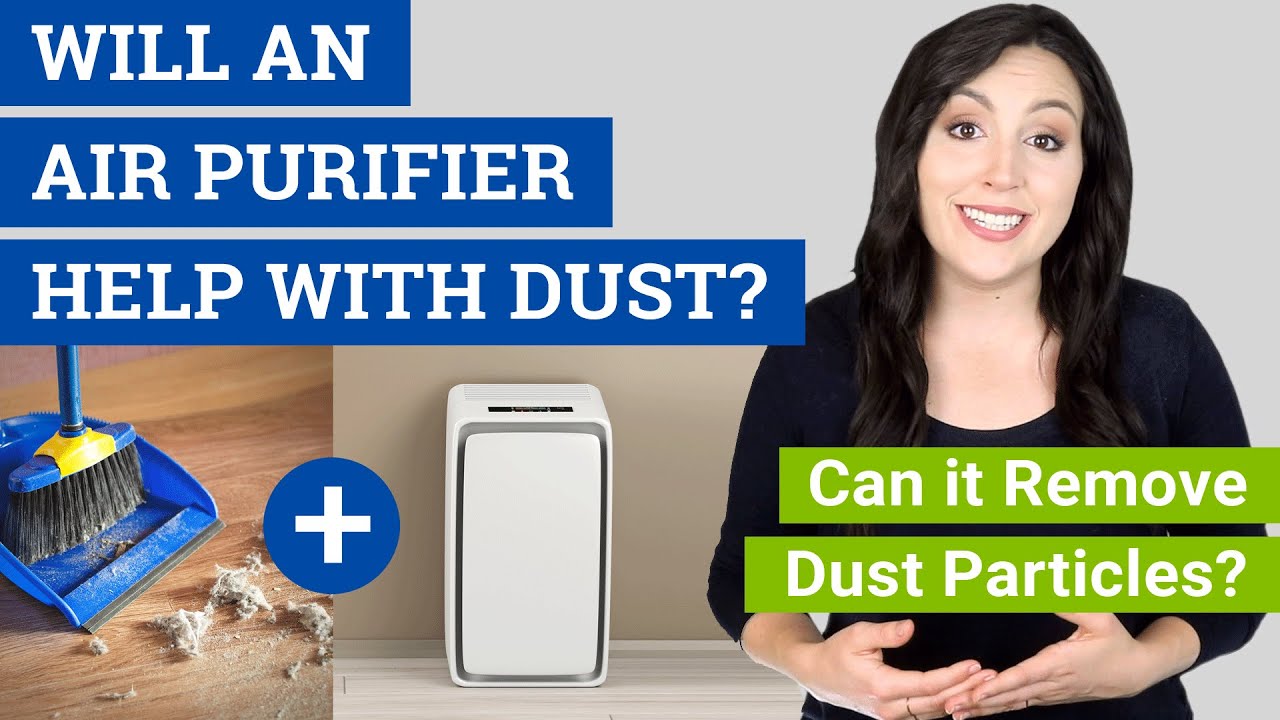
Credit: www.youtube.com
Choosing The Right Air Purifier
Choosing the right air purifier is important to keep your home free from dust. The right device cleans the air effectively and fits your needs. Understanding key factors helps you pick the best purifier for your space. Consider the size of the room, how to maintain the filter, and energy use. These points guide you to the best choice.
Room Size Considerations
Air purifiers work best when matched to room size. Small units struggle in large spaces. Large purifiers may waste energy in small rooms. Check the product’s recommended room size. Measure your room before buying. This ensures the purifier cleans all the air efficiently. A good fit means better dust removal.
Filter Replacement And Maintenance
Filters trap dust and dirt inside the purifier. Over time, filters get full and need changing. Some models have easy-to-change filters. Others require more effort. Check how often the filter needs replacement. Regular cleaning keeps the purifier working well. Neglecting maintenance lowers air cleaning power. Choose a purifier with simple upkeep.
Energy Efficiency
Air purifiers run for many hours daily. Energy use affects your electricity bill. Look for energy-efficient models to save money. Energy Star certified purifiers use less power. They run quietly and use less electricity. An efficient purifier cleans air without high costs. This helps keep your home dust-free without extra expenses.
Tips For Maximizing Dust Removal
Maximizing dust removal with an air purifier needs smart steps. These tips help your purifier work better and keep your room cleaner. Follow simple methods to reduce dust and improve air quality.
Placement Strategies
Place the air purifier in the room’s center or where dust gathers most. Avoid corners or behind furniture. Keep it away from walls for better airflow. Position near doors or windows to catch incoming dust.
Regular Cleaning Routines
Clean the air purifier’s filter on time. Check the filter every few weeks. Replace filters as the manufacturer suggests. Wipe down the purifier’s surface to stop dust buildup. Regular cleaning keeps the purifier efficient.
Combining With Ventilation
Open windows for fresh air and to lower indoor dust. Use fans to improve air movement. Ventilation helps the air purifier work faster. Balance fresh air with purifier use to keep dust low.
Frequently Asked Questions
Do Air Purifiers Reduce Dust In The Air?
Air purifiers capture dust particles using filters. This lowers dust levels and improves air quality indoors.
What Type Of Filter Removes The Most Dust?
HEPA filters trap tiny dust particles effectively. They are the best choice for dust removal.
Can Air Purifiers Prevent Dust Allergies?
Yes, by reducing dust, air purifiers help ease allergy symptoms. Cleaner air means fewer irritants.
How Often Should I Clean Or Replace Filters?
Check filters every 1-3 months. Clean or replace them to keep dust removal effective.
Do Air Purifiers Remove Dust From Surfaces?
No, air purifiers only clean air, not surfaces. Regular cleaning is needed for dust on furniture.
Conclusion
Air purifiers help reduce dust in your home. They trap dust particles from the air. This leads to cleaner, fresher indoor air. Still, regular cleaning is important too. Dust can settle on surfaces quickly. Using an air purifier supports a healthier space.
Choose one with a good filter for best results. Remember, no device removes dust completely. Combine air purifiers with good habits for a cleaner home. Breathe easier and enjoy less dust around you.