
Are you worried about the tiny particles in the air you breathe every day? PM2.5, those tiny pollutants that are invisible but harmful, can affect your health more than you think.
You might be wondering if an air purifier can really help remove these dangerous particles from your home. Understanding how air purifiers work against PM2. 5 could be the key to cleaner, healthier air for you and your loved ones.
Keep reading to find out how effective air purifiers are and what you need to look for to protect your space.

Credit: aaqr.org
What Is Pm2.5
PM2.5 refers to tiny particles in the air. These particles are less than 2.5 micrometers wide. They are so small that they can enter your lungs and even your bloodstream. Understanding PM2.5 helps you see why air quality matters. It also shows why air purifiers are important in some places.
Sources Of Pm2.5
PM2.5 comes from many sources. Burning fuel in cars and trucks creates these particles. Factories and power plants also release PM2.5 into the air. Wildfires and wood burning add to the problem. Dust from roads and construction sites can contain PM2.5 too. Even cooking smoke inside homes may have these fine particles.
Health Impacts Of Pm2.5
Breathing PM2.5 can harm your health. These tiny particles reach deep into your lungs. They can cause coughing, wheezing, and shortness of breath. Long-term exposure may lead to heart and lung diseases. Children, elderly, and those with asthma are most at risk. Reducing PM2.5 in the air helps protect your health.
How Air Purifiers Work
Air purifiers clean the air by removing tiny particles like PM2.5. These particles are very small and can harm health. Air purifiers use different filters and technologies to trap or destroy these particles. Understanding how air purifiers work helps choose the right one for cleaner air.
Air moves through the purifier, passing through special filters. These filters catch dust, smoke, pollen, and PM2.5 particles. Some purifiers also use electric charges or UV light to remove or kill harmful particles and germs.
Types Of Air Purifier Filters
HEPA filters are the most common and effective for PM2.5 removal. They trap 99.97% of particles as small as 0.3 microns. Activated carbon filters absorb odors and gases but do not catch tiny particles well. Some purifiers combine HEPA and carbon filters for better cleaning. Other filters include washable pre-filters that catch large dust and hair.
Mechanisms Targeting Pm2.5
HEPA filters physically trap PM2.5 particles in a dense mesh. Electrostatic filters charge particles, making them stick to plates inside the purifier. UV light breaks down some harmful germs but does not remove particles. Ionizers release charged ions that attach to particles, causing them to fall from the air. The best purifiers use a mix of these methods to reduce PM2.5 effectively.
Effectiveness Of Air Purifiers Against Pm2.5
Air purifiers play a key role in improving indoor air quality. They target many pollutants, including PM2.5 particles. These tiny particles are harmful because they can enter the lungs and blood. Understanding how well air purifiers remove PM2.5 helps in choosing the right device for clean air.
Studies And Research Findings
Research shows air purifiers can reduce PM2.5 levels significantly. Many studies tested devices with HEPA filters. These filters capture particles as small as 0.3 microns. PM2.5 particles are about 2.5 microns or smaller. Tests found that HEPA air purifiers can remove over 90% of PM2.5 particles in rooms. Some studies also measured health improvements, like easier breathing and fewer allergy symptoms.
Factors Influencing Performance
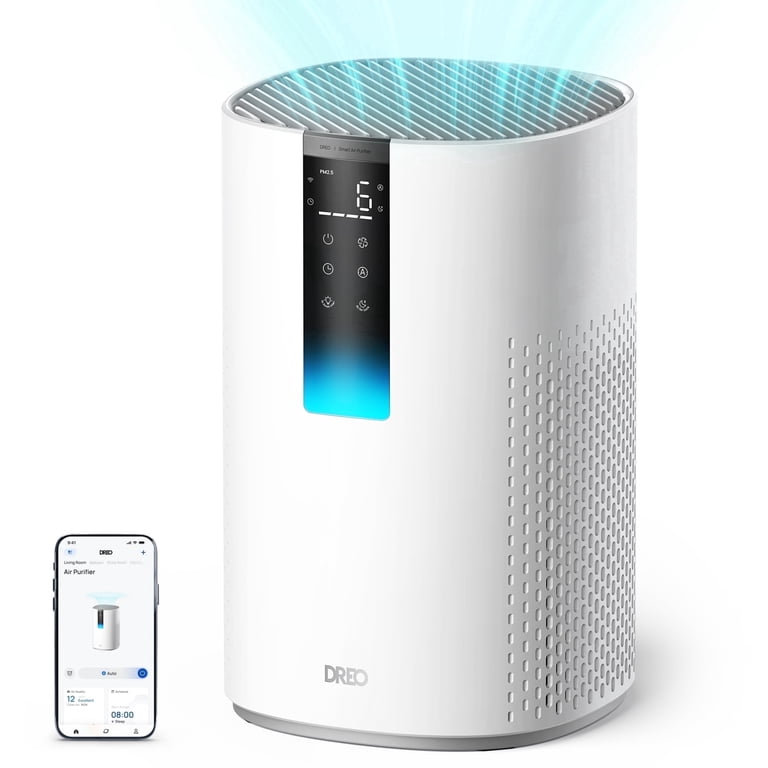
Several factors affect how well air purifiers remove PM2.5. Room size matters. A purifier that works well in a small room may struggle in a large one. The filter type and quality are important. True HEPA filters work best for PM2.5. Airflow rate also impacts performance. Higher airflow means more air cleansed per hour. Placement affects efficiency too. Air purifiers work best when placed away from walls and obstructions. Regular filter replacement keeps the purifier effective over time.
Credit: www.walmart.com
Choosing The Right Air Purifier
Choosing the right air purifier helps remove PM2.5 particles effectively. PM2.5 refers to tiny particles in the air that can harm your health. Not all air purifiers work the same way. Picking one that suits your needs makes a big difference. Consider the purifier’s filter type and room size for the best results.
Filter Types To Consider
HEPA filters are best for capturing PM2.5 particles. They trap at least 99.97% of particles this small. Carbon filters help reduce odors and gases but do not remove PM2.5 well. Some purifiers combine HEPA and carbon filters for better air cleaning. Avoid purifiers that rely only on ionizers or ozone, as they may not remove PM2.5 efficiently.
Room Size And Purifier Capacity
Check the room size where you plan to use the purifier. Each purifier has a recommended room size or coverage area. Using a purifier too small for the room lowers its effectiveness. A purifier with the right capacity circulates air enough times per hour. This helps reduce PM2.5 particles quickly and keeps the air fresh.
Additional Methods To Reduce Pm2.5 Indoors
Reducing PM2.5 indoors requires more than just air purifiers. Other practical methods help lower these tiny particles. These methods improve air quality and create a healthier home environment.
Ventilation And Air Exchange
Proper ventilation helps remove indoor air pollution. Open windows when outdoor air quality is good. Use exhaust fans in kitchens and bathrooms. These fans pull out polluted air quickly. Fresh air dilutes indoor pollutants, lowering PM2.5 levels. Mechanical ventilation systems can also improve air exchange. They bring in fresh air and remove stale air continuously.
Household Habits To Minimize Pollution
Certain habits reduce indoor PM2.5 pollution effectively. Avoid smoking indoors to stop smoke particles. Use a vacuum cleaner with a HEPA filter. This traps tiny dust particles better than regular vacuums. Clean floors and surfaces regularly to remove dust buildup. Limit burning candles or incense, which produce smoke. Choose non-toxic cleaning products to reduce chemical pollutants. These small changes make a big difference in air quality.
Maintenance Tips For Optimal Air Purifier Use
Maintaining an air purifier is key to removing PM2.5 particles effectively. Clean and well-kept devices work better and last longer. Small actions can keep the air fresh and safe.
Filter Replacement Schedules
Follow the filter replacement schedule given by the manufacturer. Filters lose efficiency over time and trap fewer particles. Check the filter every month for dust and dirt. Replace it when it looks clogged or after the suggested time. Fresh filters improve air quality and protect your health.
Cleaning And Upkeep Practices
Clean the outside and inside parts regularly. Dust and dirt can block air flow and reduce purifier power. Use a soft cloth to wipe the surface. Avoid water inside the device to prevent damage. Keep the area around the purifier clean too. This helps the device work at its best.

Credit: smartairfilters.com
Frequently Asked Questions
Can Air Purifiers Remove Pm2.5 Particles Effectively?
Yes, many air purifiers use HEPA filters that capture PM2. 5 particles. These filters trap tiny dust, smoke, and pollen, improving air quality.
What Types Of Filters Remove Pm2.5 In Air Purifiers?
HEPA filters are best for removing PM2. 5 particles. Activated carbon filters also help by absorbing gases and odors.
How Fast Do Air Purifiers Clean Pm2.5 From A Room?
Speed depends on the purifier’s size and room volume. Most can clean a small room within 30 to 60 minutes.
Can Air Purifiers Remove Pm2.5 From Outdoor Air?
Air purifiers work best indoors where air is enclosed. They cannot clean outdoor air but improve indoor air quality.
Do All Air Purifiers Work Against Pm2.5 Particles?
No, only air purifiers with HEPA or similar fine filters remove PM2. 5. Basic models may not capture such small particles.
Conclusion
Air purifiers can help reduce PM2. 5 particles in the air. They trap tiny dust, smoke, and pollen that cause pollution. Choosing a purifier with a HEPA filter works best for this. Keep in mind, no device removes all pollutants completely.
Regular maintenance keeps purifiers working well. Clean air improves health and comfort at home. Using an air purifier is a smart step to breathe easier every day. Simple actions can make a big difference in indoor air quality.