
Have you ever wondered how long your air purifier will keep your home fresh and clean? Knowing the lifespan of an air purifier is key to making sure you breathe healthy air every day.
If you don’t replace or maintain it on time, your device might stop working when you need it most. You’ll discover exactly how long air purifiers last, what affects their lifespan, and simple tips to get the most out of yours.
Keep reading to protect your indoor air quality and make the best choice for your home.
Credit: vewiorlife.com
Factors Affecting Air Purifier Lifespan
The lifespan of an air purifier depends on several key factors. These elements influence how long the device works well and keeps your air clean. Understanding these factors helps you choose the right purifier and maintain it properly. Each factor plays a role in the overall durability and performance of the air purifier.
Build Quality And Brand
Strong build quality means the air purifier lasts longer. Brands that focus on quality often use better parts. These purifiers handle wear and tear well. Cheaper models may break down sooner. Trusted brands also provide better customer support and parts.
Usage Frequency
How often you use the air purifier affects its lifespan. Running it all day shortens its life. Using it only when needed helps it last longer. Constant use causes more wear on the motor and filters. Moderate use keeps the device in good shape.
Filter Types And Replacement
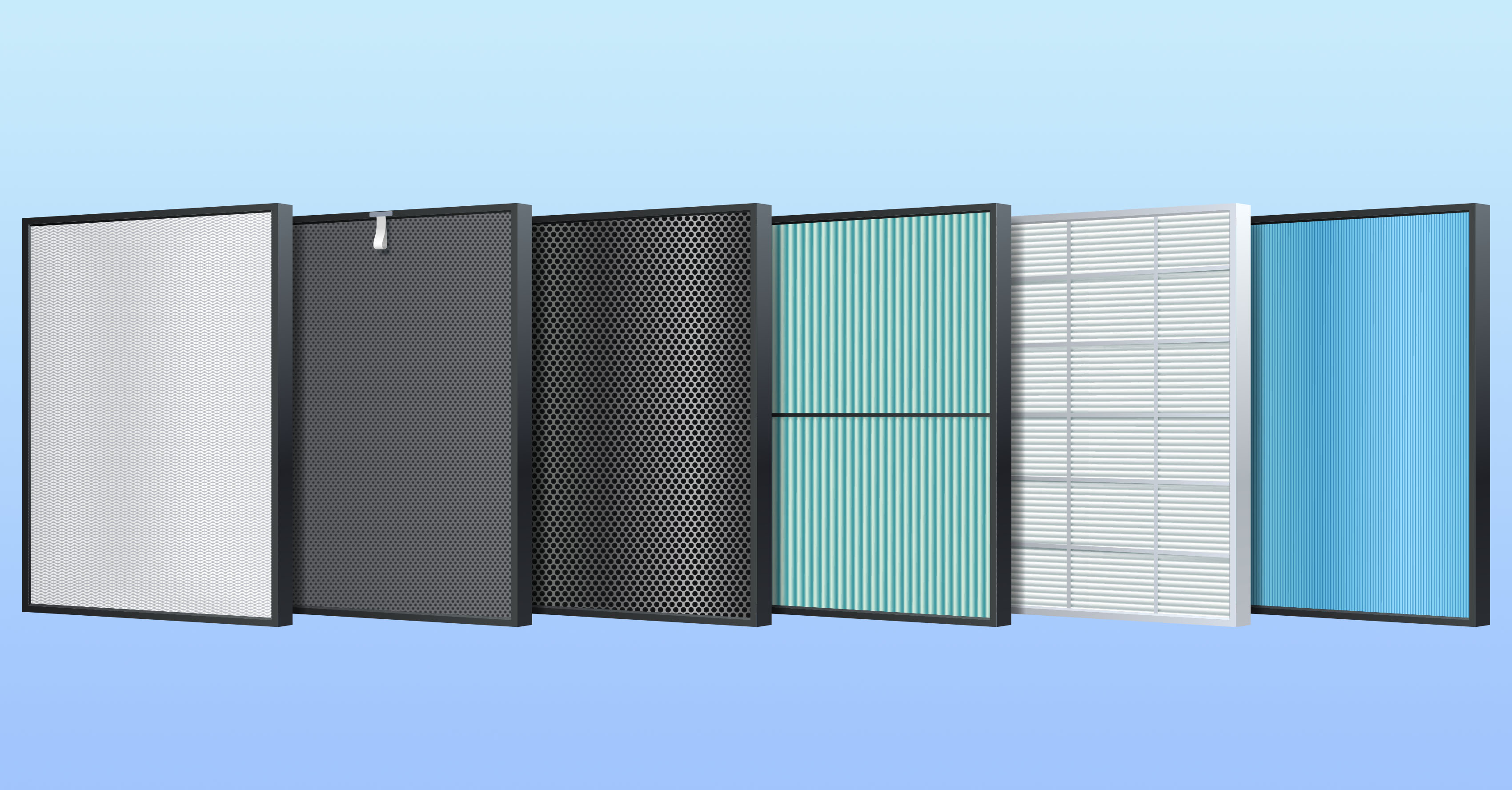
Different filters have different lifespans. HEPA filters last longer than carbon filters. Changing filters on time is important. Dirty filters reduce purifier efficiency and strain the motor. Regular replacement keeps the purifier working well and extends its life.
Environmental Conditions
The air quality around the purifier affects its durability. Dusty or smoky environments clog filters faster. High humidity can damage electronic parts. Clean, dry places help the purifier last longer. Protecting the device from harsh conditions improves its lifespan.
Credit: www.medicalkingfa.com
Average Lifespan Of Different Air Purifier Types
Air purifiers come in different types, each with its own lifespan. Knowing the average lifespan helps you plan for replacement or maintenance. Lifespan depends on the technology and how often you use the purifier.
Hepa Air Purifiers
HEPA air purifiers use dense filters to trap tiny particles. These filters usually last between 6 months and 2 years. The purifier itself can last 5 to 10 years with proper care. Regular filter changes keep it working well.
Activated Carbon Air Purifiers
Activated carbon purifiers remove odors and gases. Their carbon filters often last 3 to 6 months. The device can last 4 to 8 years if maintained. Changing filters on time is important for good air quality.
Ionic Air Purifiers
Ionic purifiers use charged ions to clean the air. They have fewer parts to replace. Most ionic purifiers last about 3 to 7 years. Cleaning the collector plates regularly helps extend their life.
Uv Air Purifiers
UV purifiers use ultraviolet light to kill germs. The UV bulbs usually need replacement every 1 to 2 years. The unit itself can last 5 to 8 years. Keeping bulbs fresh ensures effective air purification.
Signs Your Air Purifier Needs Replacement
Knowing when to replace your air purifier helps keep your indoor air clean. Air purifiers don’t last forever. Some signs show your device may need replacement soon. Watch for changes in how it works and sounds. These signs help you decide if it is time for a new purifier.
Decreased Airflow
Airflow that slows down can mean problems. The purifier may struggle to pull air through. This reduces its ability to clean the air. Dust and dirt can clog the filters and parts. When airflow drops, the purifier cannot work well. It may be time to replace the unit.
Unusual Noises
Strange sounds coming from the purifier are warning signs. A humming, buzzing, or rattling noise is not normal. These sounds can mean worn-out motors or loose parts. Continuous noise shows the device is under stress. Replacing the purifier can prevent bigger issues.
Persistent Odors
Bad smells that don’t go away suggest trouble. The purifier may fail to trap odors properly. Filters might be old or damaged. Lingering smells show the air is not clean. If odors stay even after cleaning, consider a new purifier.
Frequent Filter Changes
Changing filters too often is a red flag. Filters should last as long as the manual says. If they need replacement too quickly, the purifier may be worn out. This can increase costs and reduce cleaning power. A new air purifier can save money in the long run.

Credit: smartairfilters.com
Tips To Extend Air Purifier Longevity
Extending the life of an air purifier helps save money and keeps indoor air clean. Taking simple steps can make your device work longer and better. Proper care ensures it runs efficiently without problems.
Regular Maintenance
Clean the air purifier often to prevent dust buildup. Wipe the outer surface with a dry cloth. Check vents and fans for dirt or blockages. Keeping parts clean stops damage and maintains airflow.
Proper Placement
Place the purifier in a spot with good air circulation. Avoid tight corners or crowded areas. Keep it away from walls and furniture to allow free airflow. Proper placement helps the device work well and last longer.
Timely Filter Replacement
Change filters according to the manufacturer’s instructions. Dirty filters reduce efficiency and strain the motor. Use the right filter type for your model. Timely replacements keep air fresh and protect the machine.
Avoiding Overuse
Run the purifier only when needed to save energy. Continuous use can wear out parts faster. Use timers or smart settings to control run time. Balancing use helps the device last longer and saves power.
Cost Considerations Over The Lifespan
Understanding the costs linked to an air purifier helps plan your budget better. These costs span the product’s life, not just the buying price. Thinking about all expenses gives a clearer picture of the true cost.
Initial Investment
The first cost is buying the air purifier. Prices vary based on size and features. Higher-end models cost more but may last longer. Choose one that fits your room and budget.
Maintenance Expenses
Regular cleaning keeps the purifier working well. Some models need more care than others. Simple upkeep can extend the purifier’s life. Skipping maintenance may lead to extra repair costs.
Filter Replacement Costs
Filters need changing often, depending on use and type. Replacement filters add to the overall cost. Some filters last longer but cost more upfront. Check how often you must replace filters before buying.
Energy Consumption
Air purifiers use electricity to run. Models with high power use increase your energy bill. Energy-efficient purifiers save money over time. Look for units with low wattage and good performance.
Frequently Asked Questions
How Long Does An Air Purifier Typically Last?
Most air purifiers last between 3 to 5 years with regular use. Proper maintenance can help extend their lifespan.
What Affects The Lifespan Of An Air Purifier?
Filter quality, usage frequency, and maintenance affect how long an air purifier lasts. Dirty filters shorten its life.
How Often Should Air Purifier Filters Be Replaced?
Filters usually need replacement every 6 to 12 months depending on use and air quality. Check the manufacturer’s guide.
Can Proper Cleaning Extend An Air Purifier’s Life?
Yes, regular cleaning prevents dust buildup and keeps the device working well longer. Clean filters and surfaces monthly.
When Should I Consider Buying A New Air Purifier?
Replace your purifier if it stops working efficiently or parts become too costly to fix. Aging devices lose effectiveness.
Conclusion
Air purifiers usually last between 3 to 5 years. Proper care can help them work longer. Changing filters regularly keeps the air clean. Quality and usage affect how long they last. Watch for signs like strange noises or weak airflow.
Replacing old units improves air quality and health. Choose a purifier that fits your needs and budget. Clean air matters for a happy home. Simple steps keep your purifier effective and reliable.