
You want the best for your baby, especially when it comes to their health and safety. If you’ve been thinking about using an air purifier to keep the air clean in your home, you might be wondering—are air purifiers really safe for babies?
It’s a big question, and the answer can affect your peace of mind every day. You’ll discover what you need to know about air purifiers and how they can impact your little one’s well-being. Keep reading to make an informed choice that protects your baby’s health and gives you confidence in the air they breathe.

Credit: getcanopy.co
How Air Purifiers Work
Air purifiers help clean the air in your home. They remove dust, pollen, and other tiny particles. This makes the air safer and fresher, especially for babies who breathe more quickly. Understanding how air purifiers work can help you choose the right one for your baby’s room.
Types Of Air Purifiers
There are several types of air purifiers. Some use filters to trap particles. Others use technology like ionizers or UV light. Filter-based purifiers are common and easy to use. Ionizers release charged ions that stick to dust. UV purifiers kill germs with ultraviolet light. Each type works differently but aims to clean the air.
Common Filtration Technologies
HEPA filters are the most popular. They trap very small particles, including allergens and dust. Carbon filters remove odors and gases. Some purifiers combine HEPA and carbon filters for better cleaning. Other filters capture larger particles like pet hair. Choosing the right filtration technology helps protect your baby from harmful pollutants.
:max_bytes(150000):strip_icc()/prt-levoit-core-300s-air-purifier-9-5fa39b678516416797bfe177955839c5.jpeg)
Credit: www.parents.com
Air Quality And Baby Health
Air quality plays a big role in a baby’s health. Babies breathe faster and take in more air than adults. This means they can absorb more harmful particles from the air. Clean air helps protect their developing lungs and immune system. Parents should know how air pollution affects infants and why clean air matters.
Effects Of Pollutants On Infants
Pollutants like dust, smoke, and chemicals can harm babies. These particles can cause breathing problems and allergies. Infants exposed to poor air quality may have more coughs and colds. Long-term exposure can lead to asthma or other lung diseases. Their bodies are still growing, so damage may last a lifetime.
Benefits Of Clean Air For Babies
Clean air supports healthy lung growth and brain development. Babies in fresh air environments usually sleep better and feel calmer. Fewer airborne germs mean less chance of infections. Clean air also lowers the risk of sudden infant death syndrome (SIDS). Keeping indoor air pure helps babies grow strong and healthy.
Safety Concerns For Babies
Babies have delicate lungs and sensitive skin. Safety is a top priority when using air purifiers around them. Some air purifiers may produce byproducts or noise that affect babies. Understanding these concerns helps parents choose the safest option.
Ozone Emission Risks
Some air purifiers release ozone, a gas harmful to babies’ lungs. Ozone can cause coughing, chest pain, and breathing problems. Avoid air purifiers that produce ozone to keep your baby safe. Look for models labeled “ozone-free” or “HEPA filters.”
Noise Levels And Sleep
Babies need quiet for deep, restful sleep. Loud or buzzing purifiers can disturb their rest. Choose air purifiers with low noise levels, ideally under 50 decibels. Some models offer a “sleep mode” to lower sound at night.
Chemical Byproducts
Certain purifiers release chemicals during operation. These byproducts may irritate a baby’s skin and eyes. Avoid purifiers using ionizers or chemical treatments. Stick to simple filters that trap dust and allergens safely.
Choosing The Right Air Purifier
Choosing the right air purifier for a baby’s room requires care. The device must be safe and effective. Babies have sensitive lungs that need clean air. Some air purifiers are better suited for nurseries. Knowing what to check can help you make a good choice.
Features To Look For
Pick an air purifier with a true HEPA filter. It removes tiny particles like dust and pollen. A quiet machine helps babies sleep without noise disturbance. Adjustable fan speeds allow control of air flow. Avoid purifiers that produce ozone, as it harms baby’s lungs. Look for a compact size that fits well in small rooms. Easy-to-clean filters keep the machine working well.
Certifications And Standards
Choose purifiers with safety certifications. Look for UL or ETL marks that show electrical safety. Check for CARB approval, which means no ozone is produced. ENERGY STAR certified purifiers save electricity. These marks ensure the purifier meets high standards. A certified purifier offers peace of mind for parents. Always read labels before buying.
Proper Usage And Maintenance
Using an air purifier for a baby’s room is helpful only with proper care. Correct usage and maintenance keep the air clean and the device safe. Neglecting these steps can reduce the purifier’s effectiveness and affect your baby’s health.
Placement Tips
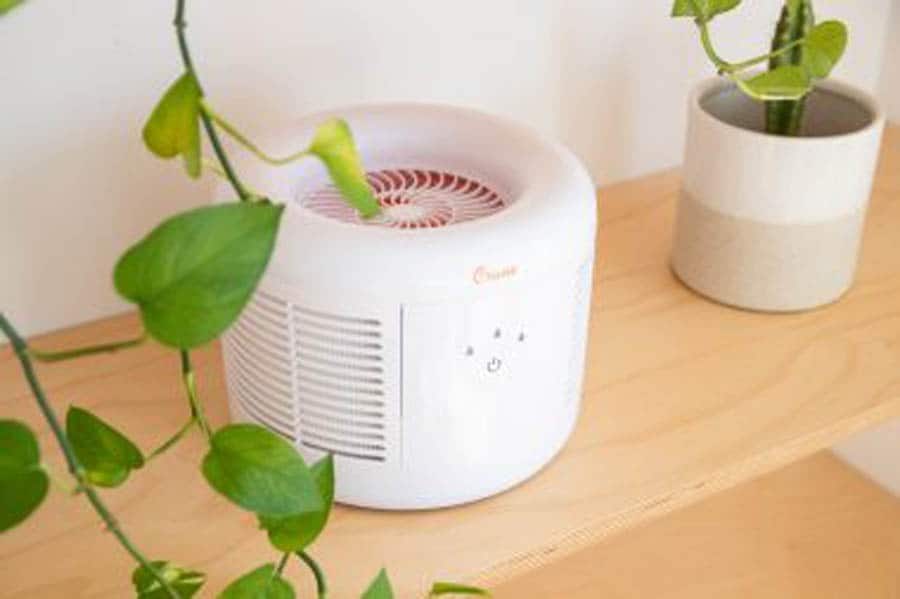
Place the air purifier where air flows freely. Avoid corners or behind furniture. Keep it at least two feet away from walls. Do not block the air intake or outlet. Position it near the baby’s crib but out of reach. This placement helps clean the air around your baby better.
Filter Replacement Schedule
Change filters on time for best performance. Check the manual for the recommended schedule. Some filters need changing every 3 to 6 months. Dirty filters can release dust and allergens back into the air. Mark your calendar to remind yourself about filter changes. Clean filters keep the air fresh and safe for babies.
Avoiding Common Mistakes
Do not run the purifier with windows open. This lowers its efficiency. Avoid using strong cleaning sprays near the purifier. They can damage the filter. Never place toys or objects on top of the purifier. Always unplug it before cleaning or moving. These simple steps protect your baby and the device.
Credit: crane-baby.com
Expert Recommendations
Experts give clear advice about air purifiers and babies. They focus on safety, air quality, and health benefits. Understanding their views helps parents make smart choices.
Pediatrician Advice
Doctors say air purifiers can help reduce allergens and dust. They recommend using models with HEPA filters. These filters clean the air well without releasing harmful gases.
Keep the purifier away from the baby’s reach. Choose quiet devices to avoid disturbing sleep. Regular cleaning of the filter is important to keep the air fresh and safe.
Parent Experiences
Many parents report better sleep and less coughing in babies. They notice fewer allergy symptoms after using air purifiers. Some parents say the room feels fresher and cleaner.
Parents advise choosing purifiers with low noise and safe materials. They warn against models that produce ozone, which can harm babies. Sharing real stories helps others pick safe options for their children.
Frequently Asked Questions
Are Air Purifiers Safe For Newborn Babies?
Air purifiers with HEPA filters are generally safe for newborns. They remove dust and allergens without harmful chemicals. Choose models without ozone or strong scents.
Can Air Purifiers Improve Baby’s Breathing?
Yes, air purifiers reduce airborne particles that irritate baby’s lungs. Cleaner air helps babies breathe easier and may reduce allergy symptoms.
What Type Of Air Purifier Is Best For Babies?
HEPA filter air purifiers are best for babies. Avoid ionizers or ozone generators, as these can harm sensitive lungs.
How Often Should I Run An Air Purifier For My Baby?
Run the air purifier continuously in your baby’s room for the best air quality. Regular filter changes keep it effective and safe.
Can Air Purifiers Help With Baby’s Allergies Or Asthma?
Air purifiers can reduce allergens and dust, easing baby’s allergy or asthma symptoms. They are a helpful part of managing indoor air quality.
Conclusion
Air purifiers can help keep your baby’s air clean. Choose models with safe filters and no harmful emissions. Keep the room well-ventilated and clean the purifier regularly. Always check for noise levels to avoid disturbing your baby’s sleep. Using an air purifier is one step to protect your baby’s health.
Pair it with good habits like cleaning and fresh air. Safety matters most when caring for little ones. Simple choices make a big difference for your baby’s comfort.