
Are you wondering how much a good air purifier costs? You want clean, fresh air in your home, but you also want to make sure you’re getting the best value for your money.
Choosing the right air purifier can feel confusing, especially with so many options and price ranges out there. You’ll discover what factors affect the price and how to find an air purifier that fits your budget without sacrificing quality. Keep reading to make a smart choice that protects your health and your wallet.
Factors Affecting Air Purifier Price
Several key factors influence the price of an air purifier. Understanding these helps you choose the right model within your budget. Prices vary based on the type of filters, coverage area, extra features, and brand reputation. Each factor affects the purifier’s performance and cost.
Filter Types And Costs
Air purifiers use different filters like HEPA, carbon, or UV light. HEPA filters remove tiny particles and cost more. Carbon filters reduce odors but are usually cheaper. UV light technology adds to the price because it kills germs. Filter quality and replacement frequency also affect overall costs.
Coverage Area
The size of the room an air purifier can handle matters. Larger coverage means higher price. Small purifiers fit bedrooms or offices and cost less. Bigger units cover living rooms or open spaces but need more power and better filters. Choose a purifier that matches your room size for the best value.
Additional Features
Extra features raise the price of air purifiers. These include smart controls, air quality sensors, and quiet modes. Some models have timers and remote controls for convenience. Features improve user experience but add to the cost. Decide which extras are useful for your needs.
Brand Reputation
Trusted brands often charge more for their air purifiers. They invest in quality, testing, and customer support. Lesser-known brands might offer lower prices but with less reliability. Well-known brands provide warranties and better service. This can be worth the extra money for peace of mind.

Credit: airdogusa.com
Price Ranges For Air Purifiers
Air purifiers come in many price ranges to fit different needs and budgets. Knowing these ranges helps you choose the right one. Prices vary based on size, features, and brand. This section breaks down the costs into three main groups.
Budget Models
Budget air purifiers usually cost between $30 and $100. They work well in small rooms or offices. These models often have basic filters and fewer features. They may not remove all types of pollutants. Still, they offer decent air cleaning for a low price.
Mid-range Options
Mid-range purifiers fall between $100 and $300. They cover larger areas and have better filters. Many include HEPA filters that trap tiny particles. Some models also reduce odors and allergens. These purifiers balance cost and performance well.
High-end Purifiers
High-end air purifiers cost $300 and above. They offer advanced features like smart sensors and multiple filters. These models clean air in large rooms effectively. Some also connect to apps for easy control. High-end purifiers provide the best air quality but at a higher cost.
Choosing The Right Air Purifier For Your Needs
Choosing the right air purifier matters more than the price alone. It ensures clean air that fits your needs. Different homes and lifestyles require different features. Focus on what works best for your space and health.
Consider the size of the room, the type of pollutants you want to remove, and how much energy the device uses. These factors guide your choice and help you get the best value.
Room Size Considerations
Air purifiers work best when matched to room size. A small purifier may not clean large rooms well. Check the square footage the purifier covers. Bigger rooms need purifiers with higher Clean Air Delivery Rates (CADR). This number shows how fast it cleans the air.
Choosing the right size saves energy and improves air quality. Avoid buying too small or too large units for your space.
Specific Allergens And Pollutants
Different purifiers target different pollutants. Some remove dust and pet dander. Others focus on smoke, pollen, or mold spores. HEPA filters work well for many allergens. Activated carbon filters absorb odors and chemicals.
Identify the main air problems in your home. This helps pick a purifier that fits your needs. A good match improves your health and comfort.
Energy Efficiency
Air purifiers run for many hours daily. Energy use affects your electricity bill. Choose energy-efficient models to save money. Look for ENERGY STAR certified devices. They use less power without losing performance.
Lower energy use means less heat and noise too. This makes the purifier more pleasant to keep on all day.

Credit: www.blueair.com
Maintenance And Operating Costs
Maintaining an air purifier requires some ongoing costs beyond the initial price. These costs affect the total amount you spend over time. Understanding these helps you plan your budget better. Three main factors impact maintenance and operating expenses.
Filter Replacement Frequency
Filters need regular replacement to keep the purifier effective. Some models require new filters every three months. Others may last up to a year. HEPA filters usually cost more but last longer. Check the manufacturer’s guide for exact timing. Frequent replacements add to the running costs.
Electricity Consumption
Air purifiers run continuously or for long hours daily. This increases electricity use and affects your bill. Most air purifiers use between 20 to 60 watts. Smaller units consume less power. Energy-efficient models reduce electricity costs. Always check the energy rating before buying.
Warranty And Service
Warranty covers repairs and defects for a set period. Most air purifiers have warranties from one to five years. Longer warranties provide more security and save repair costs. Some brands offer paid service plans. These plans cover maintenance and filter changes. Consider warranty terms carefully before purchase.
Where To Buy Air Purifiers
Finding the right place to buy an air purifier is important. It affects the price, choices, and service you get. Many options exist for buying air purifiers. Each has its own benefits and drawbacks.
Online Retailers
Online stores offer a wide range of air purifiers. You can compare brands and prices easily. Many sites provide customer reviews to help decide. Shopping online saves time and effort. Shipping is usually fast and often free.
Physical Stores
Buying from a physical store lets you see the product. You can check size and weight before buying. Store staff can answer questions and give advice. Immediate purchase means no waiting for delivery. Sometimes stores offer special discounts or bundles.
Authorized Dealers
Authorized dealers sell brand-approved air purifiers. They ensure product authenticity and warranty support. Dealers often provide installation and maintenance services. Buying here reduces risks of fake or damaged items. They also offer expert advice about the products.
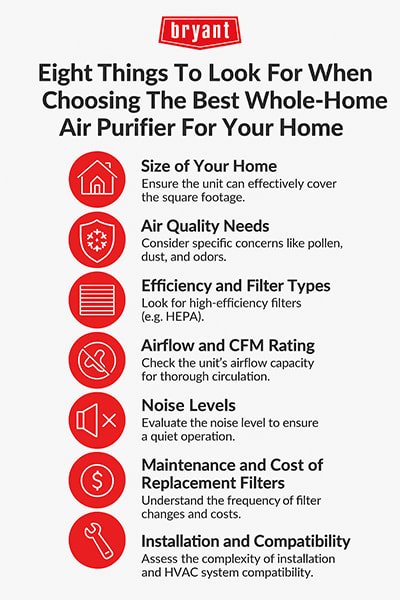
Credit: www.bryant.com
Tips For Getting The Best Value
Finding a good air purifier at the right price takes some care. Knowing how to get the best value saves money and ensures quality. Simple steps help make smart choices without stress. Here are key tips to guide your purchase.
Timing Your Purchase
Buy during sales or special events for better deals. Prices often drop on holidays and seasonal sales. Avoid buying at peak demand times. Early planning helps catch discounts and avoid rush costs.
Reading Reviews And Ratings
Check user reviews for real opinions on performance. Ratings show how well air purifiers work over time. Focus on trusted sites with many reviews. Learn about noise levels, filter life, and ease of use.
Comparing Features And Prices
List important features like filter type and coverage area. Compare brands and models within your budget. Look for energy efficiency to save long-term costs. Don’t choose based on price alone. Match features to your specific needs.
Frequently Asked Questions
What Is The Average Price Of A Good Air Purifier?
A good air purifier usually costs between $100 and $300. Price depends on brand, size, and features.
Does A Higher Price Mean Better Air Purifier Quality?
Not always. Higher price can mean more features but not always better cleaning power.
How Much Should I Spend On An Air Purifier For A Large Room?
For large rooms, expect to spend $200 to $400. Bigger units cost more but cover more space.
Are Expensive Air Purifiers Worth The Extra Cost?
Expensive models often have advanced filters and smart features. But basic models work well for daily use.
Can I Find A Quality Air Purifier Under $100?
Yes, some good purifiers are under $100. They work well in small rooms but may lack extra features.
Conclusion
A good air purifier usually costs between $100 and $500. The price depends on size, features, and brand. Cheaper models work for small rooms. Bigger, advanced purifiers clean air better but cost more. Think about your needs and budget first.
Clean air helps your health and comfort. Choose a purifier that fits your space well. Spending a bit more can bring long-term benefits. Remember, a good purifier is an investment in your well-being.