
Have you ever wondered how an air purifier really cleans the air you breathe? If you’re looking for fresher, healthier air at home or work, understanding the role of an ionizer could change everything.
This tiny but powerful feature can make a big difference in removing harmful particles from your space. Keep reading to discover what an ionizer is, how it works, and why it might be the key to improving your indoor air quality.
Your lungs will thank you.
How Ionizers Work
Ionizers clean the air by using charged particles. These particles attach to dust, pollen, and other pollutants. This process helps remove harmful substances from the air you breathe. Understanding how ionizers work helps you see their role in air purifiers.
Ion Generation Process
Ionizers create ions by using electricity. They release negative ions into the air. These ions carry an extra electron. The device generates ions through a small electrical charge. This charge splits oxygen molecules into ions.
The ions spread through the room with the airflow. This process happens quietly and continuously. The number of ions produced depends on the device power.
Interaction With Airborne Particles
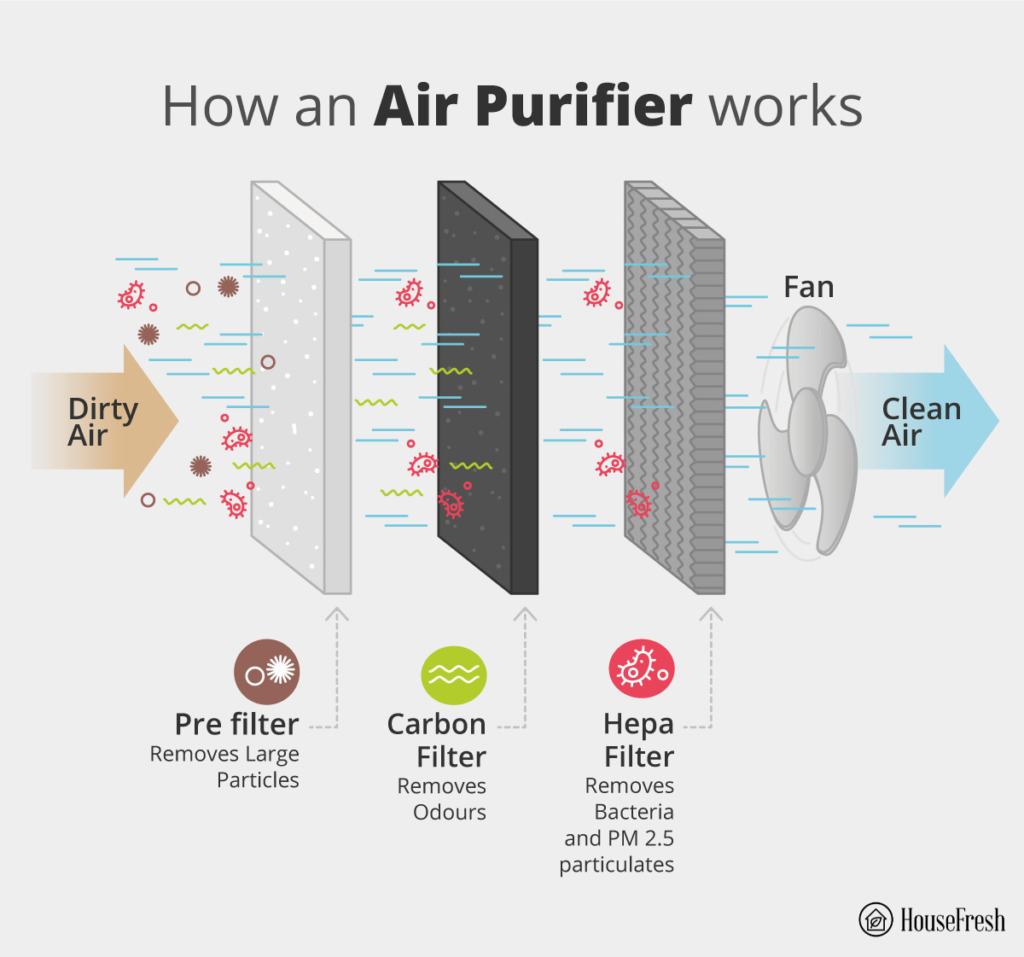
Negative ions attach to airborne particles like dust and smoke. These particles gain extra electrons and become charged. Charged particles stick to surfaces or clump together. This makes them heavier and easier to remove from the air.
Some ionizers use a collector plate to gather charged particles. Others rely on particles settling on walls and floors. This reduces particles floating in the air. The result is cleaner air around you.
Credit: housefresh.com
Types Of Ionizers In Air Purifiers
Air purifiers use different types of ionizers to clean the air. Each type works by releasing ions that attach to dust, pollen, and other particles. These ions help remove pollutants and improve air quality. Understanding the types of ionizers can help you choose the right purifier for your needs.
Negative Ionizers
Negative ionizers release negatively charged ions into the air. These ions stick to airborne particles, making them heavier. The particles then fall to the ground or get trapped in filters. Negative ionizers are good at removing dust and smoke. They can make the air feel fresher and cleaner.
Positive Ionizers
Positive ionizers work by releasing positively charged ions. These ions help neutralize harmful particles in the air. Positive ions can attach to bacteria and viruses, reducing their presence. This type of ionizer can improve overall air hygiene. It is less common but useful in some air purifiers.
Dual Ionizers
Dual ionizers combine both negative and positive ions. This balance helps remove a wide range of pollutants. Dual ionizers can target dust, allergens, and germs effectively. They improve air purification by working on multiple particles. Many modern air purifiers use dual ionizers for better results.
Benefits Of Ionizers For Clean Air
Ionizers in air purifiers offer several benefits for cleaner indoor air. They work by releasing negative ions that attach to particles in the air. This process helps to reduce harmful substances and improve air quality. Understanding these benefits shows why ionizers are popular in many homes and offices.
Removing Allergens And Dust
Negative ions from ionizers attract dust and allergens. These particles become heavy and fall to the floor. This action lowers the amount of airborne allergens. It helps people with allergies breathe easier. Ionizers reduce dust buildup on furniture and floors too.
Reducing Odors
Ionizers break down odor-causing molecules in the air. This reduces smells from cooking, pets, and smoke. Clean air feels fresher and more pleasant. Ionizers help keep rooms smelling clean without using chemicals.
Improving Respiratory Health
Cleaner air means less irritation in the lungs and throat. Ionizers lower dust, pollen, and other irritants. This can reduce coughing, sneezing, and breathing problems. People with asthma or allergies may find relief with ionizers.
Potential Drawbacks And Safety
Ionizers in air purifiers offer benefits but also have some drawbacks and safety concerns. It is important to understand these to use them wisely. Being aware helps you decide if an ionizer fits your needs and environment.
Ozone Emission Concerns
Ionizers produce ozone as a byproduct of their operation. Ozone in small amounts can irritate the lungs and throat. High ozone levels are harmful, especially for children and those with asthma. Some ionizers emit ozone above safe limits. Look for models certified to limit ozone emissions. Proper room ventilation reduces ozone buildup. Avoid using ionizers in small, closed rooms.
Maintenance Requirements
Ionizers need regular cleaning to work well. Dust and particles stick to the charged plates inside. Dirty plates reduce effectiveness and may cause more ozone. Cleaning usually means wiping the plates with a damp cloth. Some models have removable parts for easy cleaning. Neglecting maintenance lowers air quality benefits. Check the user manual for cleaning frequency and instructions.
Ionizers Vs. Other Air Purification Methods
Air purifiers use different methods to clean the air. Ionizers work by releasing charged ions. These ions attach to particles and make them heavy. The heavy particles then fall to the ground or stick to surfaces. Other air purification methods trap or kill particles in different ways.
Hepa Filters Comparison
HEPA filters capture particles by trapping them in a fine mesh. They remove dust, pollen, and pet dander very well. HEPA filters do not produce ions or ozone. They need regular replacement to stay effective. Ionizers do not trap particles but make them settle. HEPA filters clean the air more thoroughly.
Uv Light Purifiers
UV light purifiers use ultraviolet rays to kill germs. They target bacteria, viruses, and mold spores. UV purifiers do not remove dust or allergens. Ionizers focus on particles, not germs. UV light works best with other filters. Ionizers do not destroy germs but reduce airborne particles.
Activated Carbon Filters
Activated carbon filters absorb odors and gases. They trap smoke, chemicals, and volatile organic compounds (VOCs). Carbon filters do not catch dust or pollen well. Ionizers handle small particles but not odors. Carbon filters improve air smell, while ionizers reduce particle float.
Credit: www.cleanairoptima.com
Choosing The Right Ionizer Air Purifier
Choosing the right ionizer air purifier is important for clean air and comfort. Different models suit different needs. Consider key factors to pick the best one for your space and lifestyle.
Room Size And Coverage
Measure your room before buying an ionizer air purifier. Each device covers a specific area size. Using a purifier too small won’t clean the air well. A larger purifier in a small room may waste energy. Check the product details for coverage in square feet or meters.
Energy Efficiency
Energy use affects electricity bills and the environment. Choose an air purifier with low power consumption. Look for Energy Star ratings or similar certifications. Efficient models run longer without high costs. This saves money and keeps your home green.
Noise Levels
Noise can disturb sleep and work. Ionizer air purifiers should be quiet enough for your needs. Check decibel levels in product descriptions. Some models have silent or sleep modes. Pick one that won’t interrupt your daily life.
Tips For Maximizing Ionizer Effectiveness
Maximizing the effectiveness of an ionizer in an air purifier helps improve air quality significantly. Simple steps can boost its performance and keep your room fresher. Small changes in how you use the device make a big difference.
Placement In The Room
Place the air purifier where air flows freely. Avoid corners or behind furniture. Keep it at least a few feet away from walls. This allows ions to spread better and clean more air. Position near common pollution sources like doors or windows.
Regular Cleaning
Clean the ionizer and purifier parts often. Dust and particles block ion flow and reduce power. Wipe the device with a soft, dry cloth weekly. Check and replace filters as the manufacturer suggests. Clean devices work longer and stay effective.
Combining With Other Purification Technologies
Use the ionizer with HEPA or carbon filters. Filters catch particles while ions neutralize tiny pollutants. This combination captures more harmful substances. It helps remove dust, smoke, and odors better. Multi-layer cleaning creates a healthier indoor space.
Credit: www.cleanairoptima.com
Frequently Asked Questions
What Is An Ionizer In An Air Purifier?
An ionizer is a device that releases charged ions into the air. These ions attach to dust, pollen, and smoke, making them fall out of the air. This helps to clean the air in your room.
How Does An Ionizer Improve Indoor Air Quality?
Ionizers create negative ions that stick to airborne particles. This causes particles to clump and drop from the air. It reduces allergens and pollutants, making air fresher.
Are Ionizers Safe To Use In Homes?
Most ionizers are safe when used correctly. Some may produce small amounts of ozone, which can irritate lungs in high amounts. Choose ionizers certified for low ozone emission.
Can An Ionizer Remove Smoke And Odors Effectively?
Yes, ionizers help reduce smoke particles and some odors. The ions make smoke particles heavier, causing them to settle. They are useful but might not remove strong smells fully.
What Maintenance Does An Ionizer In An Air Purifier Need?
Ionizers need little maintenance but should be cleaned regularly. Dust can build up on ionizing plates and reduce effectiveness. Follow the manufacturer’s instructions to keep it working well.
Conclusion
An ionizer helps clean air by sending out charged particles. These particles attach to dust and allergens, making them easier to remove. Using an ionizer can improve indoor air quality and reduce some pollutants. It works quietly and without many filters to change.
Still, it’s important to check if it produces any ozone. Overall, ionizers offer a simple way to freshen the air inside your home. They can be a useful part of your air purifier. Keep your space cleaner and breathe easier every day.