
Are ionizing air purifiers safe for you and your family? If you’ve been thinking about improving the air quality in your home, this question is probably on your mind.
You want cleaner air, but you also want to make sure the device won’t harm your health. You’ll discover how ionizing air purifiers work, what risks might come with using them, and simple facts that will help you make the best choice for your home.
Keep reading to find out what you need to know before bringing one into your space.
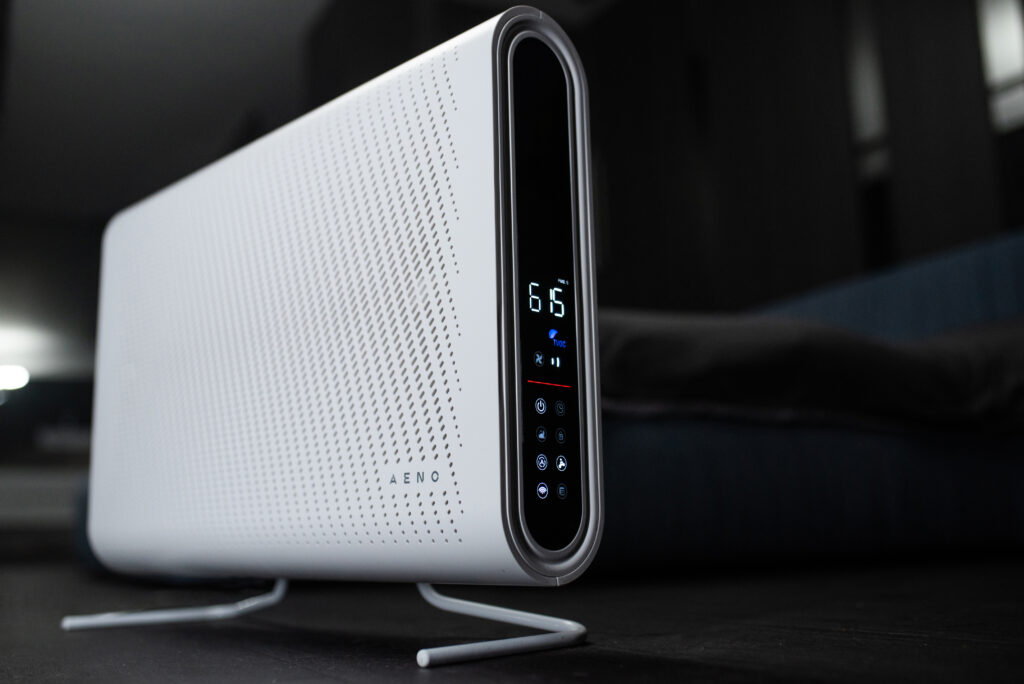
Credit: aeno.com
How Ionizing Air Purifiers Work
Ionizing air purifiers clean the air using charged particles. These devices release ions that attach to airborne pollutants. This process helps remove dust, smoke, and allergens from the air. Understanding how they work can help you decide if they are safe for your home.
Basic Mechanism
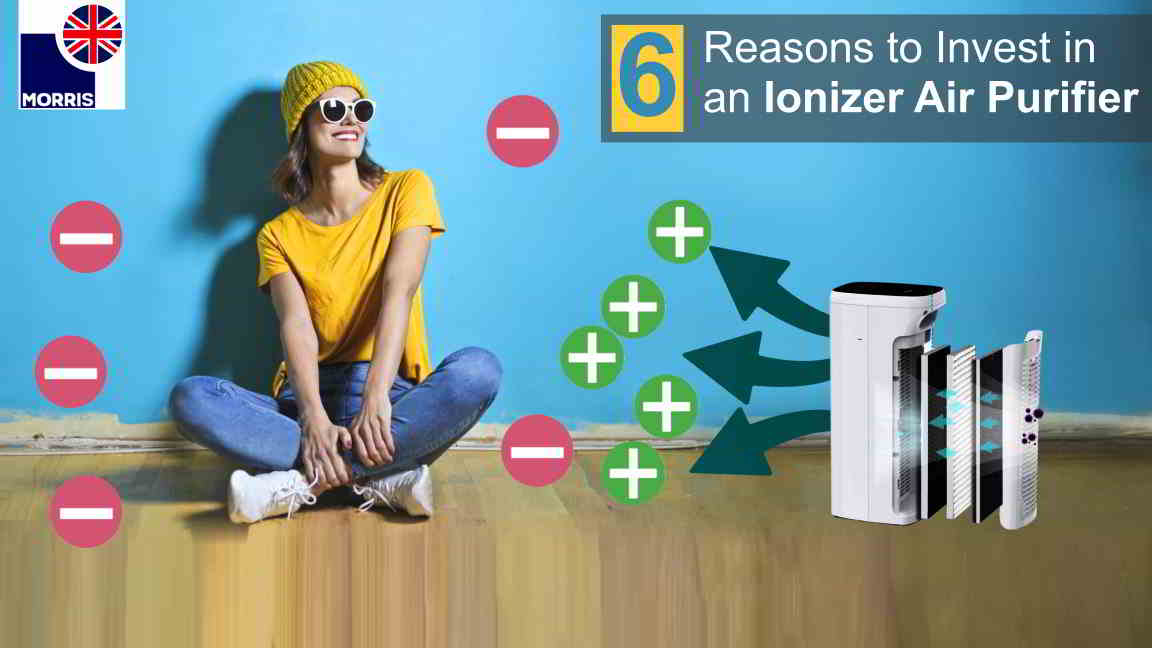
Ionizers produce negative ions by using an electrical charge. These ions cling to particles in the air, giving them a charge. Charged particles stick to nearby surfaces or clump together. Heavier particles fall out of the air or get trapped on purifier plates. This reduces airborne pollutants and improves air quality.
Types Of Ionizers
There are two main types of ionizing air purifiers. The first type releases ions directly into the room. The second type uses collector plates to capture particles. Some devices combine both methods for better cleaning. Each type works to reduce airborne particles but in slightly different ways.
Health Concerns Linked To Ionizers
Ionizing air purifiers clean the air by charging particles and making them stick to surfaces. Many people wonder if these devices are safe to use. Some health concerns arise from the way ionizers work. Understanding these concerns helps you make a better choice for your indoor air quality.
Ozone Emission Risks
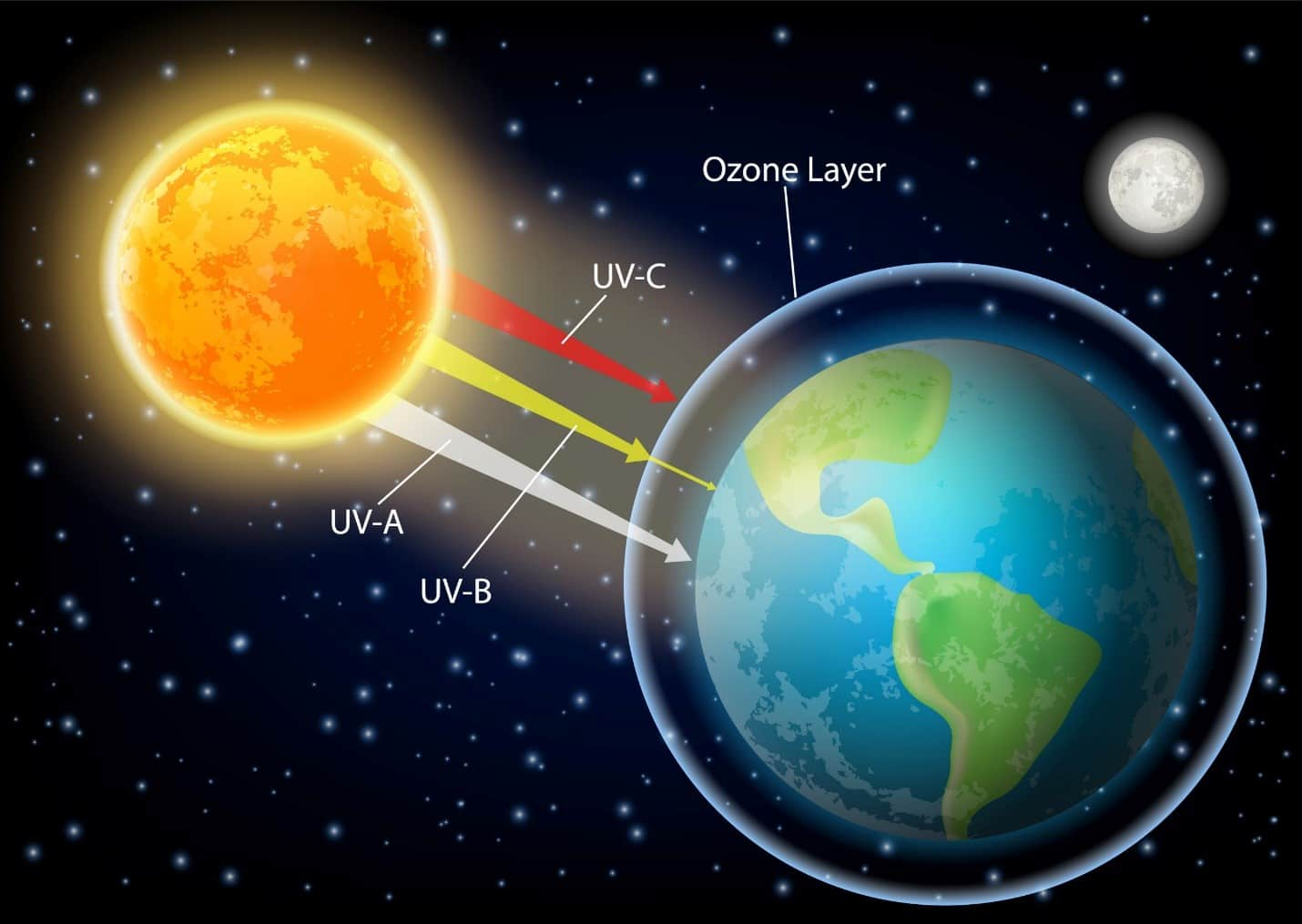
Ionizers produce ozone as a byproduct. Ozone in small amounts can irritate the lungs. High ozone levels harm the respiratory system. Some ionizers emit ozone beyond safe limits. This pollution can cause coughing and chest pain. Ozone can also worsen asthma and allergies. Checking the ozone emissions of your purifier is important.
Impact On Respiratory Health
Breathing clean air is vital for health. Ionizers may release particles that harm the lungs. Ozone and other byproducts can cause breathing problems. People with asthma or lung disease feel these effects more. Symptoms include wheezing, shortness of breath, and throat irritation. Long-term exposure may increase the risk of lung infections. Choosing a purifier with low or no ozone is safer.
Effectiveness In Air Cleaning
Ionizing air purifiers clean the air by charging particles. These charged particles stick to surfaces or clump together. This process helps remove dust, pollen, and smoke from the air. The effectiveness varies based on the model and room size. Understanding how well these purifiers work is important for safe use.
Particle Removal Efficiency
Ionizing purifiers attract tiny particles in the air. They work best with small dust and allergens. Larger particles like pet hair may not be fully caught. Some models release ions that make particles fall onto walls or floors. This can clean the air but may cause dust to settle elsewhere. Efficiency depends on ion output and air circulation.
Comparison With Other Purifiers
HEPA filters trap particles physically in a filter. They catch 99.97% of particles down to 0.3 microns. Ionizers do not trap particles but move them. This means ionizers may not reduce particles as much. UV purifiers kill germs but do not remove dust. Ionizers work quietly and use less power. Each type has strengths depending on your needs.
Regulations And Safety Standards
Ionizing air purifiers have raised questions about safety. Regulations and safety standards guide their design and use. These rules help protect consumers from potential risks. They ensure products meet minimum safety requirements. Understanding these regulations helps users choose safe devices.
Government Guidelines
Governments set rules for air purifier safety. Agencies like the EPA in the United States monitor these devices. They limit ozone emissions to safe levels. Ozone can irritate lungs and cause health problems. Rules require manufacturers to test and report ozone output. This keeps ionizing air purifiers within safe limits.
Certification And Testing
Certified air purifiers undergo strict testing. Independent labs check for harmful emissions and performance. Certifications such as UL or ETL confirm safety standards. These marks show the product passed safety checks. Testing ensures devices do not produce dangerous ozone levels. Certified products offer peace of mind to users.
User Experiences And Expert Opinions
Many people wonder about the safety of ionizing air purifiers. Understanding user experiences and expert opinions helps clear doubts. Real feedback and scientific facts give a full picture. They show how these devices work in daily life and what experts say.
Consumer Feedback
Some users report cleaner air and fewer allergy symptoms. They feel their rooms smell fresher and notice less dust. Others mention a slight ozone smell after use, which concerns them. A few users say the devices did not work well in large spaces. Many suggest regular maintenance for best results. Overall, experiences vary based on room size and purifier quality.
Scientific Studies
Research shows ionizing purifiers reduce airborne particles effectively. Studies confirm they remove dust and some bacteria. Experts warn about ozone production, which can harm lungs. Safe models produce very low ozone levels. Scientists recommend proper ventilation during use. Research advises against using these devices in small, sealed rooms. Careful use and following instructions improve safety.
Credit: www.morrisdirect.co.uk
Alternatives To Ionizing Purifiers
Ionizing air purifiers are popular but raise safety questions. Many people seek safer options for cleaner air. Several alternatives offer effective air cleaning without risks linked to ionizers. These options use physical filters to trap particles. They do not produce ozone or harmful byproducts. Understanding these alternatives helps choose the best purifier for your home or office.
Hepa Filters
HEPA filters capture tiny particles from the air. They trap dust, pollen, pet dander, and smoke. HEPA filters work by forcing air through a fine mesh. This mesh catches harmful particles and allergens. These filters do not release ozone or other gases. HEPA purifiers need regular filter changes to stay effective. They are quiet and safe for all rooms. Many hospitals and labs use HEPA filters for clean air.
Activated Carbon Filters
Activated carbon filters absorb odors and chemicals from the air. They remove smoke, cooking smells, and volatile organic compounds (VOCs). Carbon filters use porous charcoal to trap gases. These filters work well with HEPA filters for better air quality. They do not produce harmful byproducts. Activated carbon filters need replacement after use. They improve indoor air without risks to health. These filters help create a fresher and safer space.
Tips For Safe Use
Using ionizing air purifiers safely is important for your health. These devices can help clean the air but need careful handling. Follow these simple tips to get the best results without risks. Proper use can keep your home fresh and safe.
Placement And Maintenance
Place your air purifier in an open space. Avoid corners or near walls. This helps air flow freely. Clean the device often to stop dust build-up. Change filters as the manual suggests. Regular care keeps it working well and safe.
Choosing The Right Model
Pick a purifier that fits your room size. Check the ozone emission level. Lower ozone is safer for breathing. Read reviews about the model’s safety. Choose brands with good customer feedback and clear instructions.
Credit: airhealth.com
Frequently Asked Questions
Are Ionizing Air Purifiers Safe For Home Use?
Ionizing air purifiers are generally safe when used as directed. They produce small amounts of ozone, which can irritate lungs if levels get too high. Proper ventilation helps keep your indoor air safe.
Do Ionizing Air Purifiers Produce Harmful Ozone?
Yes, ionizing purifiers create some ozone as a byproduct. Low levels usually do not harm healthy people. But high ozone can cause breathing issues, especially for children and asthma sufferers.
Can Ionizing Air Purifiers Improve Indoor Air Quality?
Ionizing purifiers remove particles by charging them so they stick to surfaces. They help reduce dust, smoke, and pollen in the air. Yet, they may not remove all allergens or germs effectively.
How Often Should Ionizing Air Purifiers Be Cleaned?
Cleaning is important to keep ionizing purifiers working well. Wipe charged plates and surfaces every 1-2 weeks to remove dust build-up. This keeps air flowing and stops germs from growing.
Are Ionizing Air Purifiers Better Than Hepa Filters?
Ionizing purifiers remove particles differently than HEPA filters. HEPA filters trap particles physically and remove more allergens. Ionizers may produce ozone, while HEPA filters do not, making HEPA safer for sensitive people.
Conclusion
Ionizing air purifiers can help clean indoor air. They remove some particles and allergens. But they may produce small amounts of ozone. Ozone can irritate the lungs and throat. Use these purifiers carefully and follow instructions. Choose models with low ozone emission.
Consider other air purifier types too. Clean air matters for health and comfort. Stay informed and make smart choices. Your safety is the top priority.