
Are you ready to make the leap into full-time RV living but unsure where to start? Living on the road full time is exciting but also comes with challenges that you need to prepare for.
This guide breaks down 25 clear, simple steps to help you get ready. By following these tips, you’ll avoid common mistakes, save money, and enjoy a smoother transition to your new lifestyle. Keep reading, and you’ll discover exactly what you need to do to turn your dream of living in an RV into reality.
Choosing The Right Rv
Choosing the right RV is a key step before full-time RV living. This decision affects your comfort, budget, and travel freedom. Each RV type offers different features and benefits. Size and layout impact daily life inside your home on wheels. Deciding between new and used RVs affects cost and maintenance. Understanding these factors helps you pick the best RV for your lifestyle.
Types Of Rvs
There are several types of RVs to consider. Class A motorhomes are large and offer many amenities. Class B camper vans are small and easy to drive. Class C motorhomes have a mid-size and extra sleeping space. Travel trailers are towed by a separate vehicle. Fifth wheels connect to a truck and provide spacious interiors. Each type suits different travel needs and budgets.
Size And Layout Considerations
Size matters for parking and driving ease. Smaller RVs fit better in tight spaces and city areas. Larger RVs offer more living space and storage. The layout affects comfort and functionality. Look for enough sleeping areas and a kitchen setup that works. Consider bathroom size and storage options. Choose a layout that fits your daily habits.
New Vs Used Rvs
New RVs come with the latest features and warranties. They cost more but need less immediate repair. Used RVs are cheaper but may need maintenance. Check the condition carefully before buying used. Look for signs of wear or water damage. Used RVs offer value if inspected well. Decide based on budget and how much work you want to do.
Budget Planning
Budget planning is a key part of preparing for full-time RV living. It helps you avoid money problems on the road. Knowing your costs lets you enjoy life without stress. Careful budgeting keeps your journey smooth and fun.
Initial Costs
Start by listing the one-time expenses. The RV purchase price is the biggest cost. Add insurance and registration fees. Include costs for necessary repairs or upgrades. Think about buying essential gear and supplies. These upfront costs set the foundation for your budget.
Monthly Expenses
Track your regular spending every month. Fuel costs depend on how much you drive. Campground fees vary by location and season. Plan for utilities like propane, water, and electricity. Food and groceries are part of daily life. Keep some money for internet and phone bills. Small expenses add up fast. Budgeting monthly helps you stay on track.
Emergency Funds
Set aside money for unexpected problems. RV repairs can be costly and sudden. Health issues may require medical visits or medicine. Weather can cause delays or damage. Having an emergency fund gives peace of mind. Aim to save enough to cover three to six months of expenses. This cushion protects you from surprises.
Downsizing Your Belongings
Preparing for full-time RV living means making space for a new lifestyle. Downsizing your belongings is one of the most important steps. It helps create a comfortable, organized, and efficient living area in your RV. Letting go of extra items reduces clutter and stress. It also makes traveling easier and safer.
Decluttering Tips
Start by sorting items into categories: keep, sell, donate, or toss. Focus on essentials and things you use often. Avoid holding onto items for “just in case.” Use a timer to stay focused and work in short bursts. Decluttering little by little prevents feeling overwhelmed.
Storage Solutions
Use containers that fit your RV’s small spaces. Stackable bins and vacuum bags save room. Label each container for quick access. Think vertical—use hooks and shelves on walls. Multi-purpose furniture with storage helps keep things tidy.
Selling And Donating Items
Selling items online or at garage sales can add extra funds. Donate usable items to local charities. Both options reduce waste and help others. Plan pickup or drop-off times ahead to avoid last-minute rushes. Clearing out possessions fast prepares you better for the move.
Setting Up Utilities
Setting up utilities is a key step for full-time RV living. Utilities like water, electricity, and internet keep your life comfortable on the road. Proper planning helps avoid surprises and keeps your RV running smoothly. Each utility has unique needs. Understanding these needs makes your transition easier and your travels more enjoyable.
Water And Sewage Systems
Water and sewage systems keep your RV clean and safe. Connect fresh water to your RV’s intake. Use a water pressure regulator to avoid damage. Check for leaks regularly. Empty your grey and black water tanks at designated dump stations. Use biodegradable soaps to protect the environment. Keep hoses and fittings in good condition. Proper waste disposal keeps campgrounds clean and healthy.
Electricity Options
Electricity powers your RV’s appliances and lights. Use shore power at campgrounds to plug in directly. Consider a generator for off-grid power. Solar panels offer quiet, renewable energy. Battery banks store electricity for nighttime use. Monitor your power consumption to avoid outages. Use LED lights to save energy. Proper wiring and safety checks prevent electrical hazards.
Internet Connectivity
Internet keeps you connected for work and fun. Use mobile hotspots for flexible internet access. Choose a reliable cellular provider with good coverage. Wi-Fi boosters improve weak signals at campgrounds. Satellite internet works in remote areas but can be costly. Plan for backup options to stay online. Secure your connection to protect personal data. Reliable internet enhances your RV living experience.
Safety And Security
Safety and security are key for full-time RV living. Your home moves with you. It needs to stay safe on the road and at rest. Knowing how to protect yourself and your RV brings peace of mind.
Proper preparation helps avoid accidents and theft. It ensures quick response to emergencies. Keep your RV strong and secure to enjoy your travels with confidence.
Rv Maintenance Checks
Regular maintenance keeps your RV in top shape. Check tires for wear and proper inflation. Inspect brakes and lights before every trip. Test smoke and carbon monoxide detectors monthly. Look for leaks in plumbing and roof seals. Keep engine fluids at correct levels. Clean and service air filters often. These steps reduce breakdown risks and enhance safety.
Emergency Preparedness
Prepare for emergencies with a plan and supplies. Store a first aid kit in an easy spot. Carry extra water and non-perishable food. Have a flashlight with fresh batteries ready. Know emergency contact numbers by heart. Learn basic first aid skills for quick help. Keep important documents safe and accessible. This readiness helps you stay calm during crises.
Security Measures
Secure your RV with strong locks on doors and windows. Use wheel locks or chocks to prevent theft. Install a security alarm or camera system. Park in well-lit, populated areas at night. Avoid sharing your exact location on social media. Trust your instincts if a place feels unsafe. These actions protect your belongings and personal safety.
Route Planning
Route planning is a key step before full-time RV living. It helps you save time and avoid stress during your travels. A good plan lets you enjoy your journey and explore more places. It also helps keep your budget in check and ensures safe driving routes.
Choosing Destinations
Pick destinations that match your interests and budget. Consider places with RV-friendly facilities. Balance popular spots with quiet, less crowded areas. Think about how long you want to stay in each location. Check for nearby services like grocery stores and gas stations.
Seasonal Considerations
Check the weather for each destination before you go. Some places close during certain seasons. Avoid areas with extreme weather conditions. Plan routes to stay in warmer places during winter months. Adjust your travel schedule to fit seasonal events or festivals.
Booking Campgrounds
Reserve campgrounds early, especially in busy seasons. Look for campgrounds with good reviews and essential amenities. Confirm pet policies if you travel with animals. Choose sites with easy access and enough space for your RV. Keep a list of backup campgrounds in case of changes.
Legal And Documentation
Preparing for full-time RV living requires careful attention to legal matters and important documents. These steps ensure smooth travel and avoid unexpected problems. Organizing your paperwork early brings peace of mind and helps you focus on the adventure ahead.
Licensing And Registration
Check your driver’s license to confirm it allows RV driving. Some states need special licenses for large RVs. Register your RV in your home state. Keep registration papers inside the vehicle at all times. Renew licenses and registrations before they expire to avoid fines.
Insurance Needs
Get proper insurance for your RV and personal belongings. Choose coverage that fits your travel style and vehicle type. Consider roadside assistance and liability insurance. Compare policies from different providers. Carry proof of insurance with you on every trip.
Mail And Residency
Decide on a permanent residence for legal and tax purposes. Many full-time RVers use mail forwarding services. This keeps your mail safe and accessible anywhere. Update your address with banks, government agencies, and subscriptions. Maintain residency to keep voting rights and driver’s license valid.
Health And Wellness
Health and wellness are key for full-time RV living. Staying healthy keeps your energy up and makes travel more fun. Taking care of your body and mind helps you enjoy every stop on the road.
Planning health routines before hitting the road saves trouble later. Small habits add up to big benefits. Focus on access to healthcare, exercise, and mental health to stay strong and happy.
Access To Healthcare
Find local clinics and hospitals along your route. Carry a list of nearby medical centers for emergencies. Use telehealth services for routine check-ups. Keep a medical kit stocked with basic supplies. Know your health insurance coverage on the road.
Exercise On The Road
Move daily to keep muscles strong and joints flexible. Walk or bike around campgrounds for fresh air. Use simple bodyweight exercises inside your RV. Stretch often to prevent stiffness from sitting. Choose activities that fit your space and schedule.
Mental Health Tips
Stay connected with family and friends by phone or video. Practice mindfulness or meditation to reduce stress. Keep a journal to track your feelings and experiences. Take breaks from driving to relax and recharge. Find hobbies that bring joy and calm your mind.
Finances On The Move
Managing money on the road is a key part of full-time RV living. You need clear plans for handling your finances while moving from place to place. Staying organized helps avoid stress and keeps your lifestyle smooth. Here are important tips for handling your money on the go.
Managing Finances Remotely
Track your expenses every day. Use apps to monitor spending and budget easily. Keep digital copies of bills and receipts. Set up alerts for bill payments to avoid late fees. Regularly review your bank and credit card statements online. Plan for unexpected costs by keeping an emergency fund. Staying on top of your money helps keep your RV life stable.
Banking Options
Choose a bank with strong online services and no fees. Mobile banking apps let you deposit checks and transfer money. Use banks with many ATM locations for easy cash access. Consider credit unions with good rates and low fees. Notify your bank about your travel plans to avoid account blocks. Online banking makes managing money simple and fast on the road.
Income Sources
Find flexible income options that fit your RV lifestyle. Remote jobs like freelancing, writing, or customer support work well. Use online platforms to offer services or sell products. Some RVers teach, consult, or run small businesses online. Diversify income to stay secure during slow times. Reliable income streams keep your travels funded and worry-free.
Community And Social Life
Living full time in an RV brings new ways to connect with people. Community and social life play a big role in making this lifestyle enjoyable. Meeting others who share your interests creates a strong support system. It also helps fight loneliness on the road. Being part of a community adds fun and comfort to your travels.
Finding Rv Communities
Many RV parks have groups for full-time travelers. These groups meet often for events and outings. Online forums and social media also help find local RV communities. Some communities focus on hobbies like hiking or fishing. Joining these groups makes it easy to meet new friends. It also provides useful tips for your travels.
Staying Connected
Staying in touch with family and friends is important. Use apps for video calls and messaging to keep close. Many RVers use mobile internet and Wi-Fi hotspots. This keeps them connected even in remote areas. Staying connected helps share your journey and feel supported. It makes full-time RV life less lonely.
Social Activities
Participate in social activities at RV parks. Games, potlucks, and group hikes bring people together. Some parks offer classes or workshops for skill-building. Volunteering in the community can also create bonds. These activities help build friendships and make life fun. Socializing keeps your mind active and happy.
Daily Living Adjustments
Adjusting to daily life in an RV takes planning and simple changes. Space is smaller, so every action needs thought. Daily tasks like cooking, laundry, and waste handling become different. Learning new habits helps keep life smooth and enjoyable on the road.
Cooking In An Rv
Kitchen space in an RV is limited. Use compact appliances that save counter room. Prepare meals with fewer ingredients and simple steps. Cook in batches to save time and energy. Clean as you go to avoid clutter. Store food in airtight containers to keep it fresh longer.
Laundry Solutions
Washing clothes is not like at home. Find laundromats near your camping spots. Use a portable washer for small loads. Dry clothes outside on a line or use a compact dryer. Choose quick-dry fabrics to make laundry easier. Keep detergent and other supplies organized in small containers.
Waste Management
Waste disposal must be done carefully in an RV. Use separate bins for trash and recyclables. Empty black and grey water tanks regularly at designated dump stations. Carry biodegradable soaps to protect the environment. Minimize waste by using reusable containers and bags. Keep your RV clean to avoid odors and pests.
Packing Essentials
Packing is a key step before starting full-time RV living. Choosing the right items saves space and adds comfort. Every item should serve a clear purpose. Less clutter means more room and less stress.
Think about daily needs and unexpected situations. Pack smart to handle both. Essentials cover gear, clothes, and tools. These help maintain your RV and keep you prepared.
Must-have Gear
Start with basic kitchen tools like pots, pans, and utensils. Bring a compact coffee maker or kettle. A good flashlight and extra batteries are crucial. Include a first aid kit for emergencies. Add reusable water bottles and storage containers. Don’t forget a portable grill for outdoor meals. Small folding chairs and a table make relaxing outside easy.
Clothing Tips
Choose clothes for different weather and activities. Pack layers to stay warm or cool. Bring waterproof jackets and sturdy shoes. Limit heavy items to save space. Use packing cubes to organize clothes. Include a hat and sunglasses for sun protection. Quick-dry fabrics work best for travel.
Tool Kit
A basic tool kit fixes many RV issues. Include screwdrivers, pliers, and a wrench. Pack duct tape and zip ties for quick fixes. A multi-tool is handy for many tasks. Add a tire pressure gauge and portable air pump. Keep extra fuses and bulbs ready. Store everything in a small, portable box.
Learning Rv Skills
Learning essential RV skills is key before starting full-time RV living. It helps handle daily challenges and keeps you safe on the road. These skills make life easier and more enjoyable during your travels.
Driving Techniques
Driving an RV differs from driving a car. Practice turns, braking, and parking in open spaces. Know the height and width of your vehicle. Use mirrors often to avoid blind spots. Drive slower on curves and rough roads. Always check the weather before a long drive.
Basic Repairs
Basic repairs save money and reduce stress. Learn to change a tire quickly and safely. Keep essential tools and spare parts onboard. Know how to fix small leaks and loose connections. Understand how to replace fuses and bulbs. These skills help avoid long waits for help.
System Troubleshooting
RV systems include water, electricity, and propane. Learn to check for leaks in water lines. Know how to reset circuit breakers and test batteries. Identify common propane issues and how to fix them. Regular system checks prevent bigger problems. Practice simple troubleshooting before hitting the road.
Pet Considerations
Living full time in an RV means your pets travel with you. Their needs change on the road. Planning for pets keeps them happy and safe. It makes your journey smoother. Focus on traveling, safety, and supplies for your pets.
Traveling With Pets
Pets need time to adjust to RV life. Keep their routine as normal as possible. Plan stops for walks and bathroom breaks. Avoid leaving pets alone in the RV for long. Use a leash or carrier during travel. This prevents accidents and stress.
Pet Safety
Safety is key on the road. Secure pets during driving with harnesses or crates. Never let pets roam free inside the moving RV. Check for pet-friendly campgrounds. Keep ID tags and microchips updated. Watch for signs of heat or cold stress.
Pet Supplies
Stock enough food and water for your pets. Bring bowls that don’t spill easily. Carry basic pet first aid items. Have toys and bedding for comfort. Store waste bags for clean-up. Organize supplies for easy access during travel.
Technology And Gadgets
Technology and gadgets play a big role in full-time RV living. They make travel easier and life on the road more comfortable. Choosing the right tech can help with navigation, power use, and entertainment.
Smart planning about technology saves time and reduces stress. Knowing which tools to carry can improve your RV experience. Focus on devices that are reliable and fit your lifestyle.
Navigation Tools
Good navigation tools are a must for RV travel. GPS devices designed for RVs show routes that fit your vehicle size. Apps on smartphones can update maps and traffic conditions. Paper maps remain useful as a backup. Combining digital and paper navigation keeps you on track.
Power Management
Managing power is crucial in an RV. Solar panels help create clean energy on the go. Battery monitors show how much power you have left. Inverters convert battery power for household devices. Using energy-efficient gadgets saves battery life. A power plan helps avoid running out of electricity.
Entertainment Options
Entertainment makes long drives and evenings enjoyable. Portable Wi-Fi hotspots keep you connected to the internet. Streaming devices provide movies and shows without cables. E-readers save space and hold many books. Bring simple games and music players for fun. Choose entertainment that fits your space and power limits.
Sustainability Practices
Living full time in an RV offers freedom and adventure. It also means living closer to nature. Sustainability practices help protect the environment and save money. Simple steps can make your RV life greener and easier. Small changes create big impacts over time.
Reducing Waste
Carry reusable containers and bags to cut plastic use. Sort trash and recycle as much as possible. Use cloth towels instead of paper for cleaning. Compost food scraps if your RV setup allows. Buying only what you need avoids extra waste.
Energy Efficiency
Use LED lights to reduce power consumption. Solar panels are a great way to generate clean energy. Turn off appliances when not in use to save battery life. Choose energy-efficient devices designed for low power use. Monitor your energy use to avoid wasting resources.
Eco-friendly Products
Pick biodegradable soaps and detergents for washing. Use natural cleaners instead of harsh chemicals. Choose products with minimal packaging to reduce trash. Look for eco-friendly brands made from sustainable materials. These choices help keep your RV and nature clean.
Weather Preparedness
Preparing for full-time RV living means facing all kinds of weather. Weather changes can be sudden and severe. Being ready helps keep you safe and comfortable. Knowing how to handle weather challenges is key to enjoying the journey.
Handling Extreme Weather
Extreme weather can include storms, heat waves, and cold snaps. Always have a plan for severe weather events. Secure your RV against strong winds and heavy rain. Keep emergency supplies like water, food, and blankets ready. Know safe places to park during bad weather. Staying calm and prepared reduces risk and stress.
Seasonal Gear
Different seasons need different gear. Winter calls for insulated covers and heaters. Summer needs fans and sunshades. Pack clothes for cold and hot weather. Bring tools to clear snow or fix leaks. Seasonal gear keeps your RV livable all year. Changing your gear with the seasons is smart and necessary.
Weather Monitoring
Check the weather daily before travel or parking. Use apps or radios for real-time weather updates. Alerts help you avoid storms and dangerous conditions. Monitor temperature, wind, and precipitation closely. Being informed lets you make safe decisions fast. Good weather monitoring protects you on the road.
Work And Productivity
Work and productivity are key to successful full-time RV living. Keeping up with tasks while on the road can be a challenge. Setting a good routine helps maintain focus and get things done.
Remote Work Setup
Choose a quiet and comfortable spot inside your RV for work. Invest in a strong Wi-Fi booster or mobile hotspot. This keeps your internet fast and stable. Use a laptop or tablet that fits your space. Keep chargers and cables organized and within reach. A good headset can improve calls and reduce noise.
Time Management
Create a daily schedule with clear work hours. Stick to this plan to build consistency. Break tasks into small, easy steps. Use timers to stay on track and avoid distractions. Set reminders for important meetings or deadlines. Balance work with breaks to refresh your mind.
Staying Motivated
Set small goals and celebrate when you finish them. Find a quiet place to focus and avoid interruptions. Connect with other remote workers for support and ideas. Change your work location inside or outside the RV. Keep your workspace tidy to help clear your mind.
Family And Relationships
Living full time in an RV changes family life and relationships deeply. Space shrinks, routines shift, and daily life feels different. Family members need to adapt together. Strong bonds help everyone enjoy the journey more. Respect and understanding grow in close quarters.
Clear communication becomes very important. Everyone must share feelings and needs openly. This helps avoid misunderstandings and stress. Family time can become special and fun with the right mindset. Preparing for these changes makes the RV lifestyle smoother and happier for all.
Traveling With Kids
Traveling with kids in an RV needs planning. Keep their routines as normal as possible. Pack favorite toys, books, and games to keep them busy. Plan stops for play and fresh air often. Let kids help with small tasks to feel involved. Prepare for schoolwork if needed, using simple tools. Patience and flexibility help handle unexpected challenges with children.
Maintaining Relationships
Relationships need effort in a small space. Spend quality time talking and listening daily. Celebrate small moments and achievements together. Share chores to keep things fair and peaceful. Respect each person’s space and feelings. Use technology to stay connected with friends and family outside. Support each other through tough days and enjoy good ones.
Balancing Privacy
Privacy in an RV is limited but important. Create small personal zones with curtains or screens. Use headphones for music or calls to avoid disturbances. Set quiet times for rest and reflection. Respect each other’s need for alone time. Clear rules help avoid conflicts over shared space. Small steps protect mental health and family harmony.
Backup Plans
Backup plans are essential for full-time RV living. They help you stay safe and comfortable during unexpected events. Having a clear plan can reduce stress and keep your journey smooth. Prepare for common problems and know your options.
Dealing With Breakdowns
Breakdowns can happen anytime on the road. Keep a list of reliable RV repair shops along your route. Carry basic tools and spare parts for quick fixes. Know how to call roadside assistance. Stay calm and patient during repairs.
Alternate Accommodation
Sometimes, your RV may not be livable due to repairs or weather. Identify nearby motels or campgrounds as backup places to stay. Book in advance when possible. Have a small travel bag packed with essentials for quick moves.
Emergency Contacts
Create a list of emergency contacts before your trip. Include family, friends, and local emergency services. Share your travel plans with someone you trust. Keep contacts saved on your phone and written down. This helps in any urgent situation.
Learning From Others
Learning from others is a smart way to prepare for full-time RV living. Real stories and tips from experienced RVers can save time and money. They reveal challenges and joys you might not expect. This knowledge helps you plan better and feel more confident.
Following Experienced Rvers
Watch videos and read blogs from full-time RVers. They share daily routines and practical advice. Notice how they manage space, stay organized, and handle repairs. Learning from their real experiences helps avoid common mistakes. Their stories can inspire and guide your own journey.
Joining Forums
Online forums connect you with a large RV community. Ask questions and get answers from people who live on the road. Forums cover topics like vehicle maintenance, campgrounds, and lifestyle tips. This support network is valuable for new RVers. Stay active and share your experiences too.
Attending Workshops
Workshops offer hands-on learning about RV living skills. Find local or online classes on driving, solar power, or repairs. These sessions provide practical knowledge you can trust. Meeting others in workshops builds friendships and support. Learning together makes the transition easier and safer.

Credit: www.nationalacademies.org
Customizing Your Rv
Customizing your RV makes your full-time living experience more enjoyable. It allows you to create a space that feels like home. Personal touches improve both comfort and functionality. Small changes can make a big difference on the road.
Interior Design Ideas
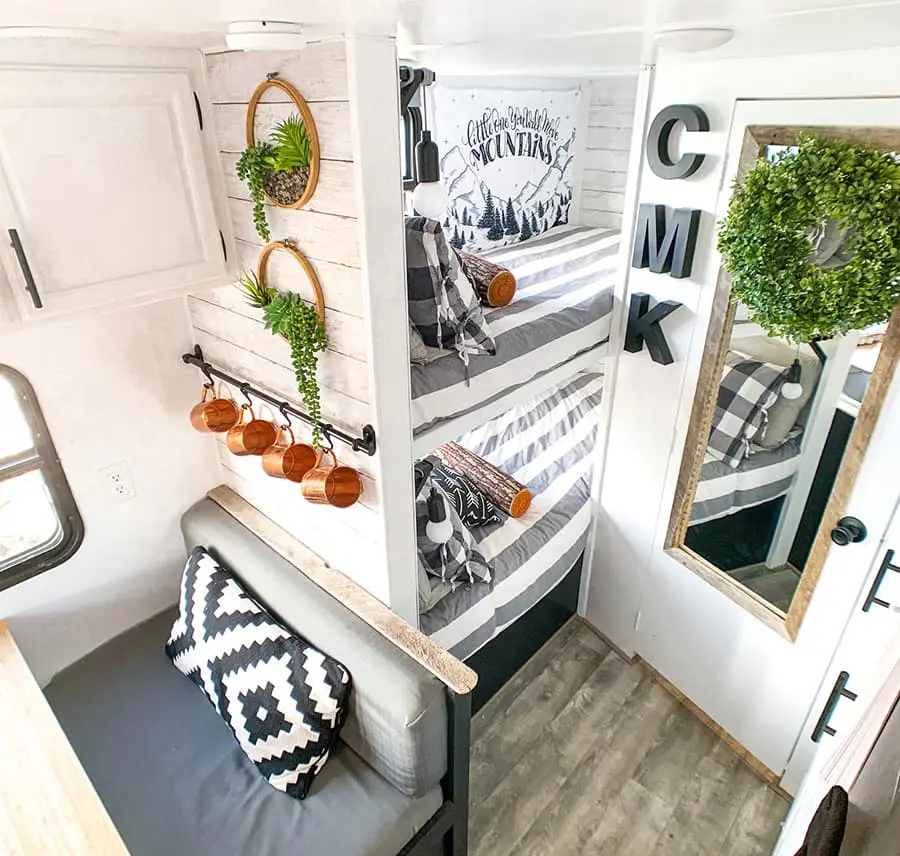
Choose colors that make you feel calm and happy. Soft, light tones can open up small spaces. Add curtains or cushions to bring warmth. Use removable wallpaper for easy updates. Pick furniture that fits well and does not crowd the space. Multi-purpose pieces save room and add style.
Storage Enhancements
Maximize every inch for storing essentials. Use under-bed storage boxes for clothes and tools. Install hooks on walls for hanging items. Consider magnetic strips for kitchen knives and small tools. Stackable containers help keep things neat. Label boxes to find things quickly.
Comfort Upgrades
Invest in a quality mattress for better sleep. Add blackout curtains to block outside light. Use rugs to soften the floor and add warmth. Install fans or portable air conditioners for hot days. Consider noise-canceling window inserts for quiet nights. Small pillows and throws increase coziness.
Managing Paperwork Digitally
Managing paperwork digitally is key to smooth full-time RV living. Paper documents can be bulky and easy to lose. Digital copies save space and keep important files safe. It helps you find documents quickly and stay organized on the road.
Scanning Documents
Start by scanning all your important papers. Use a mobile scanner app or a small portable scanner. Scan IDs, insurance papers, vehicle documents, and medical records. Save them as PDF files for easy access. This step reduces clutter and protects your paperwork from damage.
Cloud Storage
Store scanned documents in cloud services like Google Drive or Dropbox. Cloud storage keeps files safe even if your device breaks. Access your documents anytime, anywhere, using any device. Organize files into folders for quick searching. This method helps avoid losing important papers during travel.
Organizational Apps
Use apps designed for managing documents and notes. Apps like Evernote or OneNote help store text, photos, and PDFs together. You can tag and search files easily. Set reminders for renewing licenses or insurance. These apps keep your digital paperwork neat and easy to manage.
Health And Safety Supplies
Health and safety supplies are essential for full-time RV living. They keep you ready for small injuries and common health issues on the road. Having the right items helps you stay healthy and safe, no matter where you park your RV.
Preparing these supplies takes some planning. You need a mix of first aid, medications, and sanitation products. These items help you handle emergencies and keep your living space clean and comfortable.
First Aid Kit
A well-stocked first aid kit is a must. Include bandages, antiseptic wipes, and gauze pads. Add adhesive tape, scissors, and tweezers. Pain relievers like ibuprofen or acetaminophen come in handy. Don’t forget allergy medicine and burn cream. Check your kit regularly and replace used or expired items.
Medications
Bring enough prescription medicines for your trip length. Keep a list of your medications and dosages. Store them in a cool, dry place inside your RV. Carry extra copies of your prescriptions. Include over-the-counter drugs for cold, allergies, and upset stomach. This helps you manage health issues without delay.
Sanitation Products
Sanitation is key in a small living space. Stock up on hand sanitizer and antibacterial soap. Use disinfectant wipes for surfaces and bathroom areas. Carry toilet paper, biodegradable waste bags, and cleaning sprays. Keep your RV fresh and germ-free with regular cleaning. These products protect your health and comfort on the road.
Practice Runs
Practice runs are a crucial step before living full time in an RV. They help you get used to the lifestyle and solve problems early. Taking short trips allows you to test your RV’s systems and adjust your habits. These trial trips build confidence and make full-time living smoother.
Short Trips
Start with short trips near your home. Drive for a few hours and stay overnight in an RV park. This helps you learn how to handle your vehicle and space. You can check if you packed enough supplies. Short trips reduce stress and prepare you for longer journeys.
Testing Systems
Use practice runs to test all your RV systems. Check the water, electricity, and propane setups. Make sure the heater and air conditioner work well. Test your kitchen appliances and bathroom functions. Fixing issues early prevents big problems later.
Adjusting To Lifestyle
Living in an RV means a smaller space and fewer things. Practice runs help you adjust to this change. You will learn how to organize your belongings better. Discover new routines for cooking and cleaning. These trips show what habits need changing for comfort.
Credit: barefootdetour.com
Final Checklist
The final checklist is the last step before full-time RV living begins. It helps ensure nothing is missed and that all plans are ready. This checklist covers important tasks, confirms arrangements, and prepares your mind for the journey ahead.
Essential Tasks
Check your RV’s mechanical and safety features. Pack all necessary supplies and tools. Make copies of important documents like IDs and insurance. Set up a mail forwarding service or a digital mailbox. Cancel or transfer utilities at your home. Arrange for pet care or travel supplies if needed.
Confirming Arrangements
Double-check your RV maintenance appointments. Confirm campsite reservations and memberships. Notify your bank and credit card companies about travel plans. Make sure your phone and internet services work on the road. Inform family and friends about your route and emergency contacts.
Mental Preparation
Accept that challenges will come, but you can handle them. Stay flexible and open to new experiences. Practice patience and problem-solving skills. Visualize the freedom and joy RV life offers. Prepare to adapt your daily routines for a smaller space.
Credit: www.travelswithted.com
Frequently Asked Questions
What Are The First Steps To Prepare For Full-time Rv Living?
Start by researching RV types, budgeting, and planning your route and lifestyle needs.
How Do I Choose The Right Rv For Full-time Living?
Consider size, budget, fuel efficiency, and storage based on your daily living needs.
What Essential Items Should I Pack For Full-time Rv Living?
Pack basics like kitchen tools, clothes, bedding, safety gear, and tools for repairs.
How Can I Manage Finances While Living Full-time In An Rv?
Track expenses, plan for emergencies, find remote work, and save on utilities.
What Safety Tips Are Important For Full-time Rv Living?
Check RV systems regularly, have emergency contacts, use secure locks, and stay aware.
How Do I Maintain My Rv During Full-time Living?
Clean regularly, inspect tires, check fluids, and schedule routine mechanical maintenance.
Conclusion
Preparing for full-time RV living takes time and careful planning. Each step helps you live comfortably on the road. Stay organized and keep your goals clear. Embrace the adventure and expect challenges along the way. Small actions add up to big changes in your lifestyle.
Enjoy the freedom that comes with this choice. Your journey to RV living starts with these 25 steps. Take them one at a time. Soon, you will feel ready to hit the road and explore.