
Nothing disrupts your RV adventure faster than a clogged toilet. When your RV toilet stops working, it can quickly turn your trip from fun to frustrating.
But don’t worry—you don’t have to be a plumbing expert to fix it. In this guide, you’ll discover simple, effective steps to unclog your RV toilet fast. Keep reading, and you’ll be back to enjoying your road trip in no time.

Credit: uniquecampingmarine.com
Common Causes Of Rv Toilet Clogs
RV toilets are different from regular home toilets. They use less water and smaller pipes. This makes them easy to clog. Understanding common causes helps you avoid problems on the road. It also helps you fix clogs faster.
Too Much Toilet Paper
Using a lot of toilet paper is the main cause of clogs. RV toilets need less paper than home toilets. Large amounts of paper do not break down easily. They can block pipes and slow down flushing. Use only the amount of paper needed. Use RV-friendly toilet paper for best results.
Non-flushable Items
Some items should never go into an RV toilet. Wet wipes, feminine products, and paper towels are common culprits. These items do not dissolve in water. They get stuck in pipes and tanks. Only flush human waste and approved toilet paper. This keeps the system working well.
Low Water Levels
RV toilets need enough water to flush waste fully. Low water levels cause weak flushing. Waste and paper may not move through pipes. Check the water tank before using the toilet. Keep it at a good level to avoid clogs. Proper flushing clears the bowl and pipes.
Tank Vent Blockages
RV tanks have vents to release air pressure. Blocked vents cause slow draining and clogs. Dirt, debris, or insects can block the vents. This stops waste from moving smoothly. Check vents regularly for blockages. Clean them to keep air flowing freely.
Credit: uniquecampingmarine.com
Tools You’ll Need
Unclogging an RV toilet needs the right tools. These tools make the job faster and cleaner. Having them ready helps avoid frustration and mess. Below are the essential tools you will need to clear your RV toilet blockage safely and effectively.
Plunger Types
A plunger is a must-have for unclogging. Choose a flange plunger designed for toilets. It creates a better seal to push the clog out. Avoid flat plungers made for sinks. They don’t work well with toilet shapes.
Toilet Auger
A toilet auger is a long, flexible tool. It reaches deep into pipes to break up clogs. It works better than a plunger for tough blockages. Use it carefully to avoid damaging your RV toilet.
Rubber Gloves
Wear rubber gloves to keep your hands clean. They protect you from germs and dirty water. Gloves also make it easier to handle tools and clean up afterward.
Bucket And Towels
Keep a bucket handy to catch any water spills. Towels help soak up leaks and dry the area. Both tools keep your RV bathroom clean during the unclogging process.
Step-by-step Unclogging Process
Unclogging an RV toilet can seem tricky. Follow these clear steps to fix the problem quickly. The process is simple and uses common tools. Each step helps avoid damage and keeps your RV bathroom working well.
Initial Inspection
First, check the toilet bowl for visible blockages. Look inside the bowl and the drain opening. Remove any large debris by hand with gloves. Avoid flushing again to prevent overflow. Check the water level in the bowl. Low water might mean a blockage farther down the pipe.
Using A Plunger Effectively
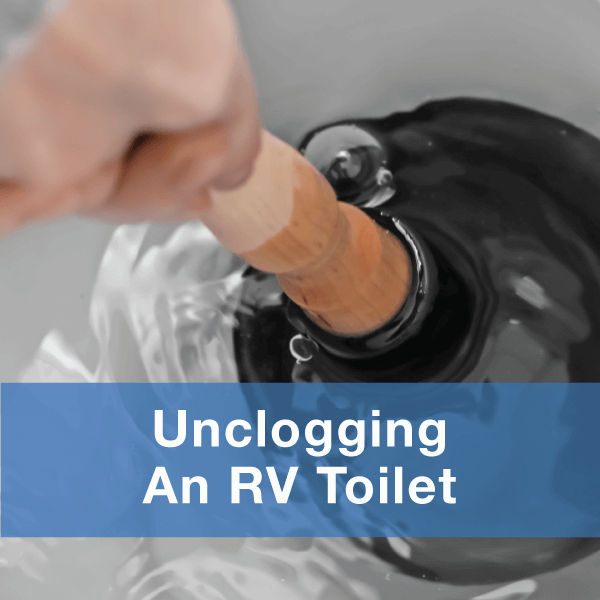
Choose a plunger with a flange designed for toilets. Place it firmly over the drain hole. Push down slowly to remove air, then pull up sharply. Repeat this motion 10 to 15 times. Keep a tight seal to build pressure. This action can loosen clogs near the bowl.
Employing A Toilet Auger
If the plunger fails, try a toilet auger. Insert the flexible cable gently into the drain. Turn the handle clockwise to move the cable forward. Feel for resistance, then push and twist to break the clog. Slowly pull the cable out while turning. Clean the auger after use to avoid spreading germs.
Flushing And Testing
After clearing the clog, flush the toilet slowly. Watch the water flow and listen for any gurgling sounds. If water drains quickly, the clog is cleared. If not, repeat the plunger or auger steps. Check the holding tank level to avoid overflows. Proper flushing confirms your work was successful.
Alternative Quick Fixes
Clogged RV toilets can cause big problems on the road. Sometimes, a quick fix saves time and hassle. These alternative methods help clear the blockage fast. They use things you likely have nearby. Try these easy steps before calling for help.
Hot Water Method
Pour a bucket of hot water into the toilet bowl. The heat helps soften waste and paper. Wait a few minutes to let it work. Then, try flushing gently. Repeat if needed, but avoid boiling water. Hot water can break down clogs safely.
Dish Soap Lubrication
Add a generous amount of dish soap to the bowl. Soap works as a lubricant and helps break the clog. Let it sit for 10 to 15 minutes. Follow with hot water to push the blockage. This method is simple and uses common kitchen items.
Enzyme-based Cleaners
Use enzyme-based cleaners designed for RV toilets. These cleaners break down waste naturally. Pour the recommended amount into the bowl. Allow several hours or overnight for best results. Enzymes help maintain your plumbing system too. They keep pipes clear without harsh chemicals.
Preventing Future Clogs
Preventing clogs in your RV toilet saves time and hassle. Small steps help keep the system clear and working well. Follow simple habits to avoid blockages and bad smells. Consistent care keeps your RV toilet running smoothly.
Proper Usage Tips
Flush only waste and toilet paper. Avoid flushing anything else. Use the right amount of water for each flush. Do not overfill the tank. Teach everyone in your RV how to use the toilet properly.
Regular Maintenance
Check the toilet seals and valves often. Fix leaks or cracks quickly. Inspect the toilet for any slow draining signs. Tighten loose parts to prevent leaks. Regular checks help catch problems early.
Choosing The Right Toilet Paper
Use toilet paper made for RV toilets. It breaks down faster than regular paper. Avoid thick or quilted toilet paper. These types can cause clogs. Choose brands labeled safe for RV systems.
Tank Cleaning Schedule
Empty and clean the black water tank regularly. Use tank treatments to break down waste. Flush the tank with clean water after emptying. Set a schedule based on your RV use. A clean tank reduces odors and blockages.
When To Call A Professional
Knowing when to call a professional can save time and prevent bigger problems. Some issues need expert help beyond basic DIY fixes. Recognizing these signs helps keep your RV toilet working well and avoids costly repairs.
Persistent Blockages
Blockages that do not clear after several attempts need a professional. Stubborn clogs can cause damage if forced. Experts have tools to remove tough blockages safely and quickly.
Damage To Toilet Components
Cracks, leaks, or broken parts require professional attention. Attempting repairs without skills may worsen damage. A technician can properly fix or replace damaged parts.
Severe Odor Issues
Strong, bad smells that linger signal hidden problems. These odors might come from leaks or waste buildup. Professionals can find the source and solve the issue completely.

Credit: www.wikihow.life
Frequently Asked Questions
How Do I Know If My Rv Toilet Is Clogged?
Signs include slow drainage, water backing up, or foul odors from the toilet.
What Tools Help Unclog An Rv Toilet Quickly?
A rubber plunger, toilet auger, and gloves are essential for unclogging.
Can Household Chemicals Damage My Rv Toilet?
Yes, harsh chemicals can harm seals and pipes; use RV-safe cleaners only.
How Do I Prevent My Rv Toilet From Clogging?
Use proper toilet paper and avoid flushing non-flushable items.
Is It Safe To Use A Plunger On An Rv Toilet?
Yes, but use a smaller plunger designed for RV toilets to avoid damage.
When Should I Call A Professional For An Rv Toilet Clog?
Call a pro if clog persists after DIY attempts or if you fear damage.
Conclusion
Clogged RV toilets cause stress and delay travel plans. Use the right tools and gentle methods first. Avoid harsh chemicals to protect your plumbing system. Regular maintenance helps prevent future blockages. Stay calm and tackle the issue step by step.
Clear toilets keep your RV experience smooth and pleasant. Keep these tips handy for quick fixes anytime. Safe travels and happy camping!