
Imagine waking up to the sound of birds, surrounded by nature, with no noisy neighbors or crowded campgrounds in sight. That’s the magic of RV boondocking.
If you love the idea of camping off the grid, saving money, and experiencing true freedom on the road, this is for you. You’ll discover everything you need to know to start boondocking confidently and enjoy your RV adventures like never before.
Ready to unlock the secrets to stress-free, budget-friendly camping? Keep reading.
Credit: www.winnebago.com
What Is Rv Boondocking
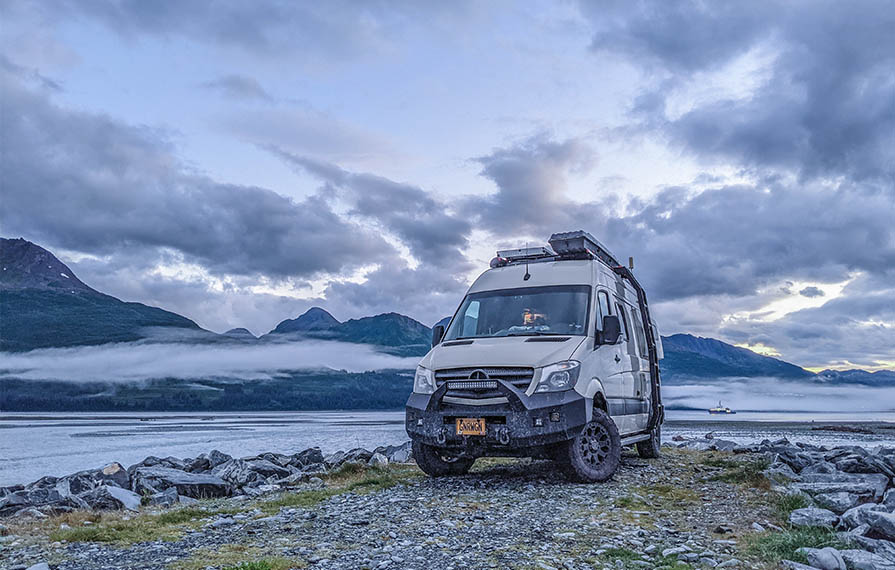
RV boondocking means camping without hookups or services. It is also called dry camping or off-grid camping. This style lets you stay in remote places, away from crowded campgrounds.
Boondocking offers freedom and quiet. It allows travelers to enjoy nature fully. You rely on your RV’s water, power, and waste systems. Planning and self-sufficiency are important for a good experience.
What Does Rv Boondocking Involve?
Boondocking means camping without electricity, water, or sewer hookups. You use your RV’s batteries, tanks, and propane. Solar panels often help keep power running. Water is limited, so you must conserve it.
Where Can You Boondock?
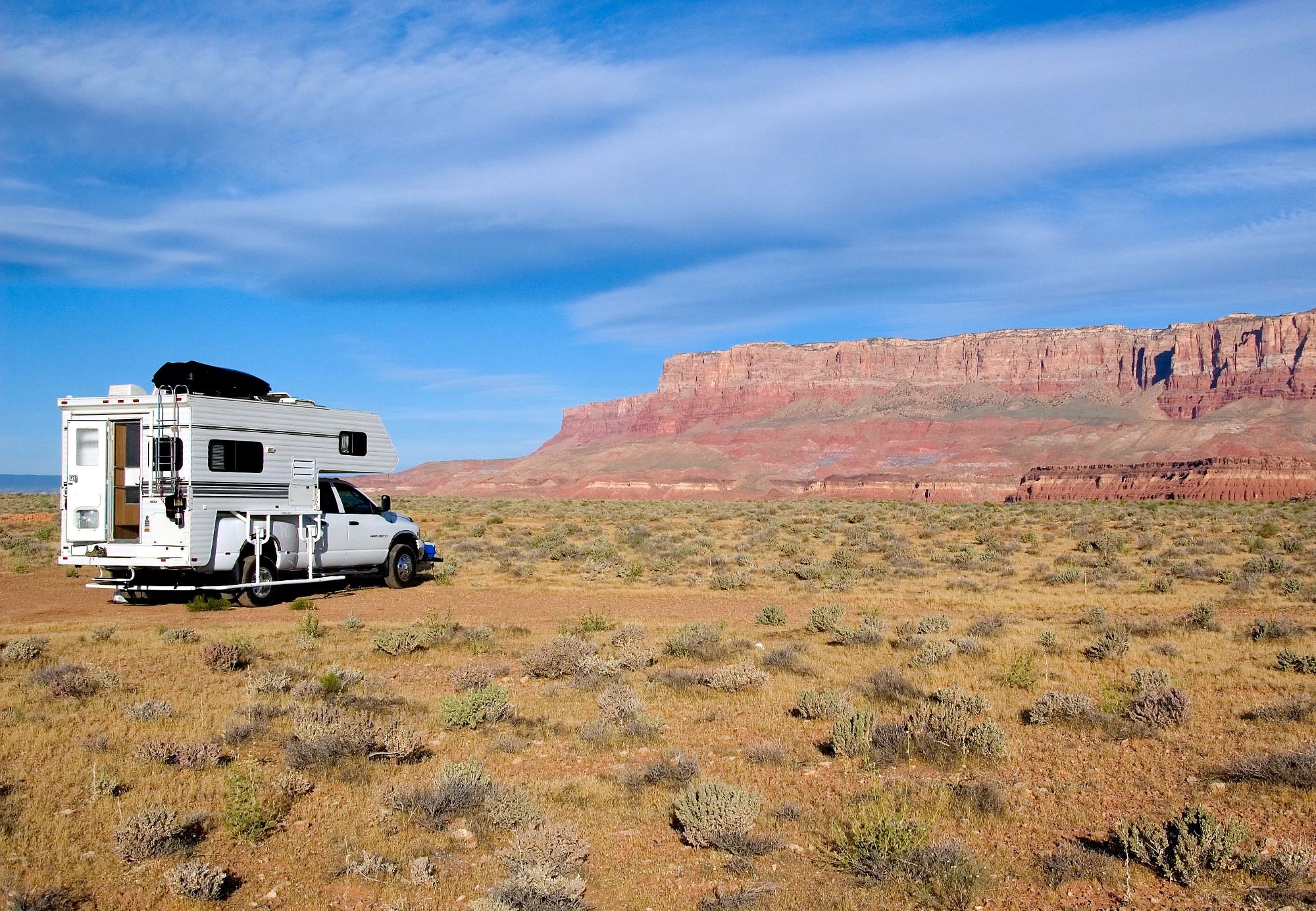
Many public lands allow boondocking. National forests, Bureau of Land Management areas, and some state lands are popular. Private land can also be an option with permission. These spots often have no fees and few rules.
Why Choose Boondocking?
Boondocking gives peace and privacy. It lets you camp in beautiful, natural places. It saves money by avoiding campground fees. It also builds skills in managing resources and planning ahead.
Benefits Of Off-grid Camping
Off-grid camping with an RV offers a unique way to enjoy nature. It lets you stay away from crowded campgrounds and noisy cities. You can relax in peaceful, natural settings. This type of camping helps you feel free and independent.
Living off the grid means relying on your own resources. It encourages you to be creative and resourceful. You get a chance to learn new skills and connect with the environment. This style of camping has many benefits for your mind and body.
Complete Privacy And Quiet
Off-grid camping gives you peace and quiet. There are no neighbors or busy roads nearby. You can enjoy the sounds of nature only. This privacy helps you relax and reduce stress. It is perfect for people who want to escape city noise.
Cost Savings
Boondocking saves money on campsite fees. You do not pay for electricity or water hookups. You use your own solar panels and water tanks. This lowers your travel expenses. It also allows longer trips with a smaller budget.
Closer Connection To Nature
Being off the grid lets you see wildlife easily. You wake up to fresh air and beautiful views. You can hike, fish, or simply enjoy the outdoors. This connection improves your mood and health. It helps you feel calm and happy.
Self-reliance And Skill Building
Off-grid camping teaches you to depend on yourself. You learn to manage power, water, and waste. These skills make you more confident and prepared. It also makes future trips easier and safer.
Essential Gear For Boondocking
Boondocking means camping without hookups like electricity or water. It needs special gear to stay comfortable and safe. Choosing the right gear keeps you independent and self-sufficient. This section covers the essential gear you need for boondocking.
Power Sources And Batteries
Power is key for boondocking. Solar panels are popular for clean, quiet energy. Portable generators provide backup power but can be noisy. Lithium batteries store power efficiently and last longer. A good battery monitor helps track your energy use. Keep power gear simple and reliable for peace of mind.
Water Storage And Filtration
Water is vital when camping off-grid. Carry large water containers to store enough water. Use a portable water filter to clean natural water sources. A water pump makes it easier to use stored water. Always have extra water for drinking, cooking, and cleaning. Clean water keeps you healthy and comfortable.
Waste Management Solutions
Proper waste disposal is important in boondocking. Portable toilets offer convenience and hygiene. Use biodegradable waste bags to reduce environmental impact. Carry a grey water tank to hold used water from sinks and showers. Pack out all trash and waste to protect nature. Respecting the environment ensures great boondocking spots stay open.

Credit: roadslesstraveled.us
Choosing The Right Boondocking Spot
Choosing the right boondocking spot is key to a great RV adventure. The perfect place offers peace, beautiful views, and safety. It also fits your RV size and needs. Some spots have water or firewood, others are just empty land. Knowing your options helps you pick the best place. This guide covers three main types of boondocking spots: public lands, dispersed camping areas, and private land.
Public Lands And National Forests
Public lands and national forests offer many free boondocking spots. These areas are managed by the government. They often have clear rules for camping. You can stay for a limited number of days. These lands provide wide-open spaces and nature all around. They are usually quiet and less crowded. Check maps and local websites for exact camping areas. Always follow Leave No Trace principles to protect nature.
Dispersed Camping Areas
Dispersed camping means camping outside developed campgrounds. You find these spots on public lands. These areas have no services like water or toilets. You need to bring all supplies with you. Dispersed spots are perfect for privacy and solitude. Roads to these areas might be rough. Make sure your RV can handle the terrain. Pack out all trash and be careful with campfires.
Private Land Opportunities
Private land offers unique boondocking chances. Some landowners rent spots for RV camping. These places might have basic services or none at all. Private land can be closer to towns or attractions. Prices vary depending on location and amenities. Always get permission before parking on private land. Use platforms that connect RVers to private land hosts. This option can provide a safe and quiet stay.
Setting Up Camp Off The Grid
Setting up camp off the grid means living without public utilities. It requires extra care and good planning. The goal is comfort and safety while respecting nature. Every step matters for a smooth camping experience.
Arriving Prepared
Bring all essentials before leaving civilization. Water, food, and fuel must last the whole trip. Check your RV systems and tools. Have a map and GPS for navigation. Prepare for weather changes and emergencies. Being ready avoids stress and surprises.
Leveling And Stabilizing Your Rv
Park your RV on a flat spot. Use leveling blocks to fix any tilt. Stability prevents damage and discomfort. Secure the wheels with chocks. Stabilizers stop the RV from rocking. A steady RV improves sleep and safety.
Managing Resources Wisely
Conserve water by using it sparingly. Use solar power or generators carefully. Turn off unused appliances to save energy. Dispose of waste properly to protect nature. Plan meals to reduce food waste. Smart resource use extends your time off grid.
Safety Tips For Remote Camping
Safety is key for a good RV boondocking trip. Remote camping means fewer people around. Help is not always close. Plan for safety before and during your trip. Small steps keep you safe and calm in the wild.
Wildlife Awareness
Know the animals near your campsite. Keep food sealed and away from your RV. Do not feed or approach wild animals. Watch for signs like tracks or droppings. Stay alert at dawn and dusk. Carry bear spray or noise makers if needed.
Emergency Communication
Have a way to call for help. A cell phone may not work everywhere. Carry a satellite phone or a personal locator beacon. Tell someone your camping plan and check-in times. Know the emergency numbers for the area. Keep your devices charged and protected.
Weather Preparedness
Check weather reports before your trip. Prepare for sudden changes in weather. Pack warm clothes and rain gear. Secure your RV and belongings from wind and rain. Know the signs of storms and floods. Have a safe spot to move if needed.
Boondocking Etiquette
Boondocking means camping without hookups or facilities. It offers freedom and adventure in nature. Good etiquette helps everyone enjoy these remote spots. Respect and care keep these places beautiful and open to all.
Leave No Trace Principles
Always pack out all trash and waste. Do not burn anything that leaves residue. Stay on existing roads and campsites. Avoid damaging plants or digging new fire rings. Leave the area as you found it or better.
Respecting Fellow Campers
Keep noise low, especially at night. Give others plenty of space and privacy. Use lights carefully to avoid disturbing neighbors. Share water sources fairly and avoid overcrowding spots. Friendly greetings help build a good camping community.
Minimizing Environmental Impact
Use biodegradable soaps and clean water away from streams. Avoid disturbing wildlife and nesting areas. Limit campfires to safe, allowed spots or use a stove. Conserve water and electricity in your RV. Small actions protect nature for future visitors.
Common Challenges And Solutions
Boondocking in an RV offers freedom and adventure. It also brings some common challenges. These issues can affect your comfort and safety. Knowing solutions helps you enjoy your trip more.
Power Management
Power is limited during boondocking. You cannot plug into a grid. Solar panels help capture sunlight and charge batteries. Use energy-saving LED lights and appliances. Turn off devices not in use. Carry a portable generator for backup power. Monitor battery levels regularly to avoid surprises.
Water Conservation
Water supply is scarce in boondocking spots. Carry enough fresh water before leaving. Use low-flow faucets and showerheads. Collect rainwater if safe and allowed. Wash dishes and hands with minimal water. Reuse greywater for plants or cleaning. Plan showers and water use carefully.
Connectivity Issues
Internet and phone signals may be weak or missing. A signal booster can improve reception. Use offline maps and apps for navigation. Download entertainment and important files before the trip. Inform friends or family about your route and schedule. Find nearby public spots with Wi-Fi if needed.
Tech Tools For Off-grid Adventures
Tech tools make off-grid RV boondocking easier and safer. They help with navigation, power, and staying connected. These tools fit the lifestyle of adventure and freedom. Knowing the best tech gear can improve every trip. Explore essential gadgets that boost your off-grid experience.
Navigation Apps
Navigation apps guide you through unknown roads and trails. Apps like Gaia GPS and AllTrails offer offline maps. They show campgrounds, water sources, and terrain types. These apps work without cell service, a big plus. They keep you on track and away from trouble.
Solar Power Gadgets
Solar power gadgets provide clean energy for your RV. Portable solar panels charge batteries during the day. Solar generators store power for night use. These tools reduce fuel use and noise. They keep your fridge, lights, and devices running smoothly.
Portable Wi-fi Options
Portable Wi-Fi devices help you stay connected off-grid. Mobile hotspots use cellular networks for internet access. Signal boosters improve weak connections in remote spots. Satellite internet works in very isolated areas. These options keep you in touch with work and family.
Credit: www.neighbor.com
Planning Your First Boondocking Trip
Planning your first RV boondocking trip takes some thought. Boondocking means camping without hookups for water, power, or sewer. It offers freedom but needs good preparation. Knowing what to expect helps you enjoy your adventure safely. This guide covers basic tips to start your journey.
Trip Itinerary Tips
Create a simple plan for your route and stops. Choose places with safe parking and natural beauty. Check the weather forecast before you leave. Allow extra time for unexpected delays. Avoid driving at night to stay safe. Keep your itinerary flexible to enjoy your trip fully.
Packing Checklist
Pack essential supplies for comfort and safety. Bring enough water for drinking and cleaning. Carry extra food that does not spoil easily. Take tools for basic repairs and maintenance. Include a first aid kit and flashlight. Don’t forget batteries and chargers for your devices. Pack clothes for various weather conditions.
Trial Runs Near Home
Try short boondocking trips close to your home. This helps you understand your RV’s systems. Practice setting up and packing up your campsite. Learn how to conserve water and power. Use these trips to improve your packing and planning. Gain confidence before going on longer adventures.
Frequently Asked Questions
What Is Rv Boondocking And How Does It Work?
RV boondocking means camping without hookups, using your RV’s water, power, and waste systems.
Where Can I Find Good Spots For Rv Boondocking?
Public lands, national forests, and BLM areas often allow free or low-cost boondocking.
What Essential Gear Do I Need For Rv Boondocking?
Solar panels, extra water storage, portable toilets, and generators help you stay off-grid longer.
How Long Can I Boondock Safely Without Hookups?
Most RVs can boondock 3-7 days depending on water, battery, and waste capacity.
Is Boondocking Safe For Beginners And Families?
Yes, with proper planning and safety checks, boondocking can be safe and fun for all.
How Do I Manage Waste While Rv Boondocking?
Use your RV’s holding tanks and empty them at designated dump stations regularly.
Conclusion
Boondocking lets you enjoy nature and travel freely. It saves money and offers peaceful, quiet spots. You stay self-reliant with your RV’s resources. Planning helps you find safe, legal places to camp. Respect the environment and leave no trace. Each trip teaches new skills and brings fun adventures.
Try boondocking to explore off-the-grid living. It’s a simple way to connect with nature. Enjoy the freedom and calm that boondocking brings.