
Imagine you’re on the road, enjoying the freedom your RV gives you. Now, think about what would happen if a fire broke out inside your home on wheels.
Scary, right? Fire safety in your RV isn’t just important—it’s essential. You might feel confident with your current setup, but a few simple steps can make a huge difference in keeping you and your loved ones safe. You’ll discover easy ways to protect your RV from fire hazards, so you can relax and enjoy every mile without worry.
Keep reading to learn how to make your RV a safer place today.
Credit: smartplug.com
Fire Risks In Rvs
Fire risks in RVs pose serious threats to safety and property. Small spaces and close quarters increase danger. Understanding common fire hazards helps prevent accidents. This section highlights key fire risks found in RVs.
Common Fire Hazards
RVs have many fire hazards. Flammable materials like curtains and furniture catch fire fast. Open flames from candles or heaters add risk. Smoking inside the RV can cause fires. Always keep fire sources away from flammable items.
Electrical System Dangers
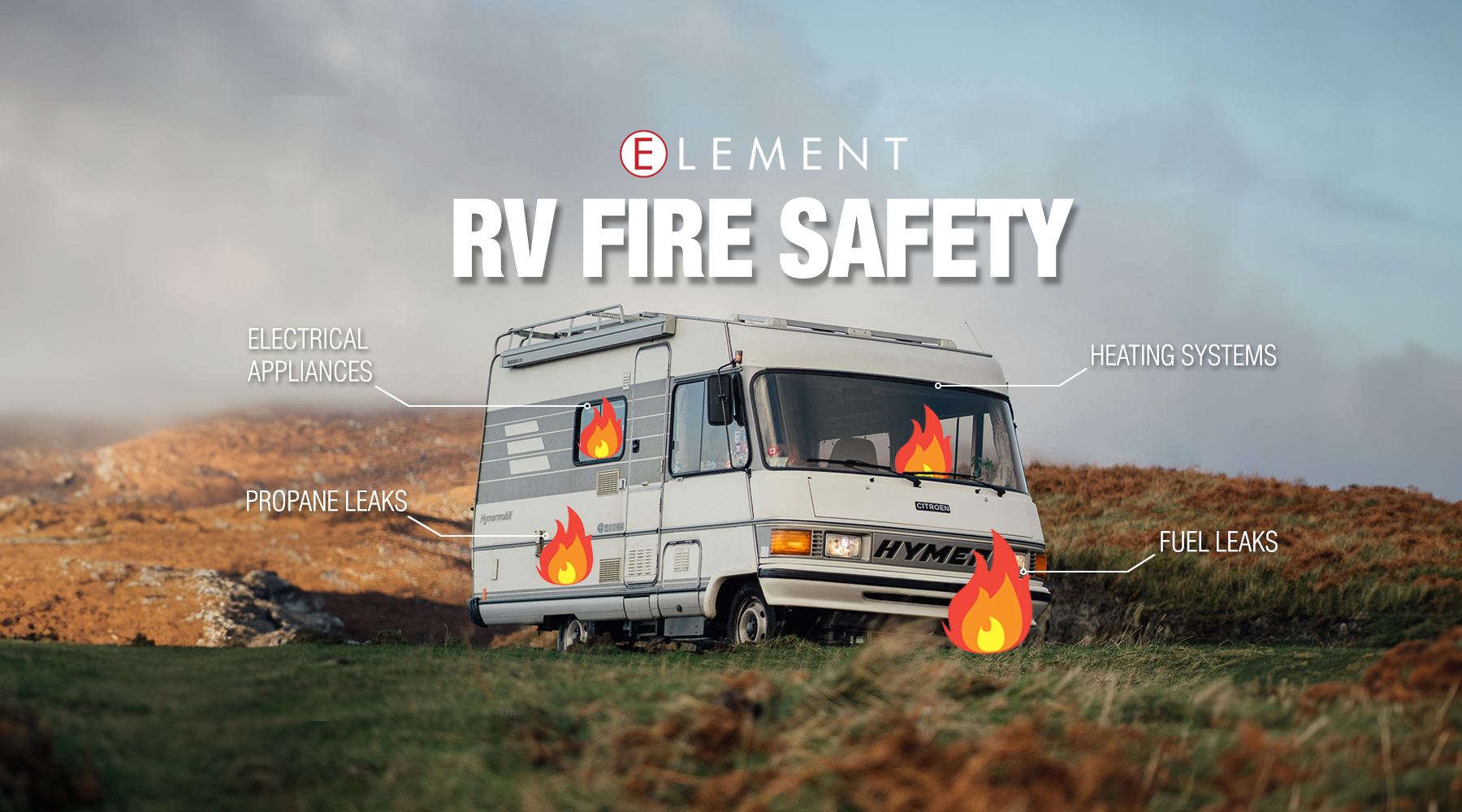
Faulty wiring is a top cause of RV fires. Old or damaged wires may spark and ignite. Overloaded circuits strain the electrical system. Using the wrong extension cords adds risk. Regularly check wiring and replace damaged parts quickly.
Kitchen Fire Sources
The kitchen is a common place for RV fires. Cooking with gas stoves needs extra care. Grease buildup on stove surfaces can ignite easily. Leaving cooking unattended increases fire risk. Clean kitchen areas and never leave cooking food alone.

Credit: columbiacommunityconnection.com
Fire Prevention Measures
Fire prevention is critical for every RV owner. Small mistakes can cause big fires. Simple steps can keep your RV safe and protect your family. Knowing how to prevent fires helps avoid danger and costly damage.
Safe Cooking Practices
Cooking is a common cause of RV fires. Always stay close while cooking. Use appliances that are made for RV use. Keep flammable items away from the stove. Turn off cooking devices immediately after use. Clean grease and food spills regularly to prevent flare-ups.
Proper Electrical Maintenance
Electrical issues often start fires in RVs. Check all wiring for damage or wear. Replace frayed or cracked cords right away. Avoid overloading circuits with too many devices. Use a surge protector to protect your RV’s electrical system. Regular inspections by a professional keep everything safe.
Avoiding Flammable Materials
Flammable materials increase fire risk inside an RV. Store fuels and chemicals outside and away from heat sources. Keep paper, cloth, and other combustibles away from heaters. Use fireproof containers for storing flammable liquids. Clear clutter to reduce fuel for fires. Always handle flammable items with care.
Fire Detection Devices
Fire detection devices are essential for RV safety. They alert you early about fire risks. These devices help protect your life and belongings. Installing and maintaining them properly is critical. Each device has a specific role in fire safety.
Smoke Alarms
Smoke alarms detect smoke from fires quickly. They sound an alarm to warn you immediately. Place smoke alarms in sleeping and living areas. Test them monthly to ensure they work well. Replace batteries every six months or as needed.
Carbon Monoxide Detectors
Carbon monoxide detectors sense deadly gas that is invisible and odorless. RVs can trap this gas from heaters or engines. Install detectors near sleeping areas for maximum safety. Check the battery and function regularly. Replace detectors every five years for best performance.
Fire Extinguishers
Fire extinguishers help control small fires before they grow. Keep one in the kitchen and near the RV door. Know how to use it properly by reading instructions. Inspect the pressure gauge and condition monthly. Replace or recharge extinguishers after each use.
Emergency Preparedness
Emergency preparedness is key to staying safe in your RV. Fires can start quickly and cause serious harm. Being ready helps you act fast and protect yourself and others. Planning ahead reduces panic and confusion during an emergency. Keep your family safe by practicing these steps regularly.
Creating An Escape Plan
Design a clear escape route from your RV. Identify two exits if possible. Make sure everyone knows the path to safety. Keep exits free from obstacles at all times. Practice moving quickly from each exit. Know where to meet outside after escaping.
Emergency Contact List
Make a list of important phone numbers. Include local fire departments and emergency services. Add family members and close friends’ contacts. Keep the list in an easy-to-find place. Share the list with all RV occupants. Update it regularly to ensure accuracy.
Regular Safety Drills
Practice fire drills often with everyone in your RV. Simulate different fire scenarios. Time how long it takes to escape. Teach children to stay low and cover their nose. Reinforce the importance of not hiding during a fire. Repeating drills builds confidence and quick response skills.
Fire Safety Equipment Maintenance
Maintaining fire safety equipment in your RV keeps you and your loved ones safe. Equipment must work perfectly during emergencies. Regular checks help catch problems early. This prevents accidents and ensures quick action if fire starts.
Testing Alarms Regularly
Smoke and carbon monoxide alarms must be tested often. Press the test button once a month. This confirms the alarm sound works loud and clear. Replace alarms every 10 years or as the manufacturer suggests.
Extinguisher Inspection
Check your fire extinguisher monthly. Look for dents, rust, or leaks. Ensure the pressure gauge needle stays in the green zone. Shake the extinguisher to prevent powder from settling. Replace or service if damaged or expired.
Battery Replacement Tips
Change batteries in alarms and detectors yearly. Use fresh, high-quality batteries for best performance. Keep spare batteries inside your RV. Low batteries can cause alarms to fail or beep frequently.
Safe Use Of Heating Devices
Heating devices keep your RV warm and cozy during cold nights. Safe use of these devices prevents fire hazards and accidents. Follow clear rules to protect yourself and your RV.
Portable Heater Guidelines
Choose heaters made for indoor RV use. Place heaters on flat, stable surfaces. Keep heaters away from curtains, bedding, and flammable materials. Turn off heaters before sleeping or leaving the RV. Check heaters for damage before use. Never use outdoor heaters inside the RV.
Propane Appliance Safety
Inspect propane appliances regularly for leaks and damage. Use a soapy water solution to check connections for bubbles. Always turn off propane tanks when not in use. Store propane tanks outside the RV in a ventilated area. Follow manufacturer instructions for lighting and operating appliances. Keep a fire extinguisher nearby in case of emergencies.
Ventilation Considerations
Proper ventilation prevents carbon monoxide buildup inside the RV. Open windows or vents while using heating devices. Use carbon monoxide detectors to monitor air quality. Never block vents or exhaust outlets. Ensure fresh air can enter and circulate in the RV. Good ventilation keeps you safe and your RV fresh.
Handling Fuel And Flammable Liquids
Handling fuel and flammable liquids in an RV is very important for safety. These liquids can catch fire easily. Small mistakes can cause big problems. Knowing how to store, use, and clean up fuel can stop accidents. Follow simple rules to keep yourself and others safe.
Safe Storage Practices
Store fuel in containers made for flammable liquids. Use only approved fuel cans with tight caps. Keep containers in a cool, dry place away from heat sources. Avoid storing fuel inside the RV living area. Make sure containers are upright and stable to prevent spills. Check containers often for leaks or damage. Proper storage lowers the risk of fire and fumes.
Refueling Precautions
Turn off the RV engine before refueling. Never smoke or use open flames near fuel. Keep a safe distance from the fuel nozzle. Avoid overfilling the tank to prevent spills. Use a funnel or spout to control the flow. Clean any drips or spills immediately. Refueling safely reduces fire risks and protects your RV.
Spill Management
Act quickly if fuel spills. Use absorbent materials like rags or kitty litter to soak up the liquid. Dispose of soaked materials in a safe way, away from flames. Ventilate the area to remove fumes. Avoid washing spills into drains or soil. Proper cleanup stops fire hazards and protects the environment.
Credit: elementfire.com
Fire Safety While Traveling
Traveling in an RV offers freedom and adventure. Staying safe from fire risks is very important. Small fires can grow fast and cause big damage. Knowing simple safety steps helps protect you and your RV.
Parking Away From Fire Hazards
Choose a parking spot away from dry grass and bushes. Avoid areas with fallen leaves or twigs. Keep a clear space around your RV. This reduces the chance of fire starting near you. Check for signs of recent fires or burned areas.
Monitoring Weather Conditions
Watch the weather daily. High winds and dry air increase fire risks. Avoid parking in areas with fire warnings or drought. Be ready to move your RV if conditions change quickly. Use weather apps or local news for updates.
Keeping Fire Lanes Clear
Do not block fire lanes or access roads. Emergency vehicles need easy entry near your RV. Park only in designated spots. Keep pathways free of gear and debris. This helps firefighters reach you quickly if needed.
Frequently Asked Questions
What Are The Top Fire Safety Tips For Rv Owners?
Keep smoke detectors working, check propane lines, and never leave cooking unattended.
How Often Should I Check My Rv’s Fire Extinguisher?
Inspect your fire extinguisher every month and replace it every 5 years or after use.
Can Propane Leaks Cause Rv Fires?
Yes, propane leaks are a common fire cause. Always check connections and use detectors.
Where Should I Install Smoke Detectors In My Rv?
Place smoke detectors near sleeping areas and the kitchen for early fire alerts.
What Should I Do If My Rv Catches Fire?
Exit immediately, call emergency services, and do not try to put out large fires alone.
How Can I Prevent Electrical Fires In My Rv?
Avoid overloading outlets, check wiring regularly, and use only RV-approved electrical devices.
Conclusion
Fire safety in your RV saves lives and protects your belongings. Always check smoke detectors and fire extinguishers regularly. Avoid leaving cooking unattended to stop fires early. Keep exits clear for quick escapes during emergencies. Small steps make a big difference on the road.
Stay alert and prepared for safe travels ahead. Fire safety is a simple habit worth practicing daily. Your safety matters most every time you hit the road.