
Winter is coming, and if you own an RV, it’s time to prepare. You don’t want to wake up to frozen pipes or costly damage when the temperature drops.
Winterizing your RV might seem tricky, but it’s easier than you think—and it can save you a lot of headaches and money. In this guide, you’ll learn simple, step-by-step tips to protect your RV from the cold. Keep reading to make sure your RV stays safe and ready for your next adventure.
Credit: www.parkedinparadise.com
Prepare The Exterior
Preparing the exterior of your RV is a key step in winterizing. This protects your RV from harsh weather and helps avoid damage. Careful attention to the outside can save money and effort later.
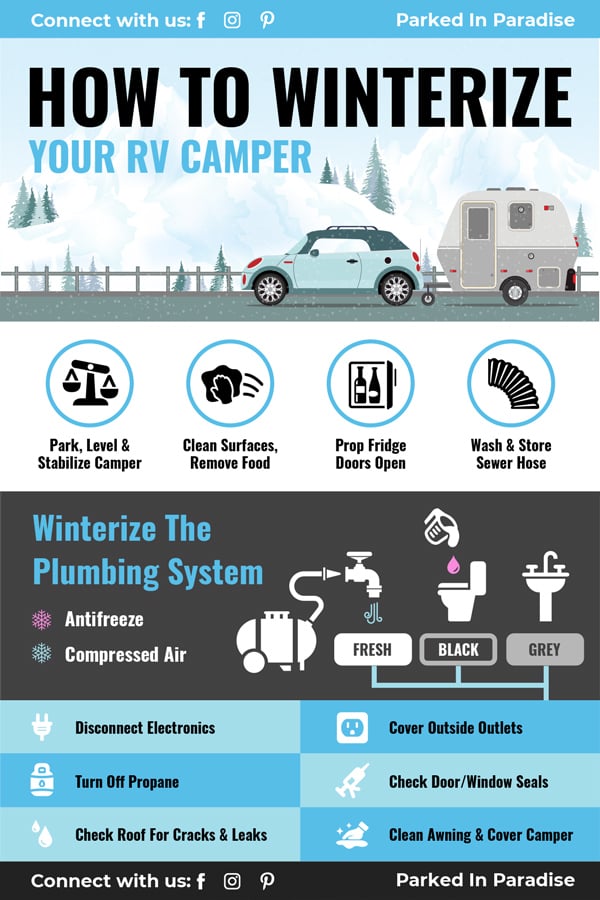
Start by checking every part of the exterior. Clean surfaces well and protect them from cold and moisture. Cover windows and vents to keep out snow and dirt. These steps keep your RV safe and ready for spring use.
Inspect Seals And Roof
Look closely at all seals around windows, doors, and roof edges. Check for cracks or gaps that let water in. Seal any openings with weatherproof caulk. The roof needs special care to stop leaks. Fix small problems before they grow.
Clean And Protect Surfaces
Wash the RV’s exterior to remove dirt and grime. Use mild soap and water for best results. After cleaning, apply a protective wax or sealant. This layer shields paint and materials from winter damage. Clean surfaces last longer and look better.
Cover Windows And Vents
Use covers or plastic film on windows to block cold air and moisture. Vents also need protection to prevent drafts and pests. Secure covers tightly to avoid wind damage. Proper covering keeps the inside warm and dry all winter.
Credit: www.neighbor.com
Protect The Plumbing System
Protecting the plumbing system is a key step in winterizing your RV. Cold weather can cause pipes to freeze and crack. This leads to expensive repairs and leaks. Taking proper measures keeps your plumbing safe and working well. Follow these simple steps to prepare your RV’s plumbing for winter.
Drain Water Tanks
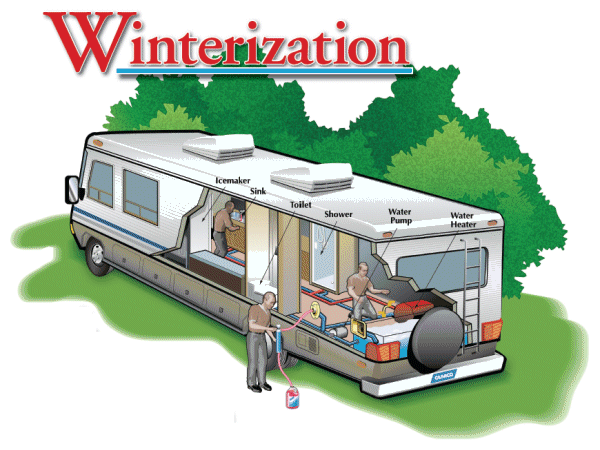
Start by emptying all water tanks. Drain the fresh water, grey water, and black water tanks fully. Open all faucets and valves to remove any remaining water. This prevents ice from forming inside the tanks and pipes. Make sure to flush the black tank properly. Draining stops damage caused by frozen water inside the system.
Bypass The Water Heater
Next, bypass the water heater. This step stops water from filling the heater tank. Water left inside can freeze and cause cracks. Use a bypass kit made for your RV model. It saves antifreeze and protects the heater. Bypassing the heater also makes antifreeze use more efficient. It’s an easy step that prevents costly damage.
Use Rv Antifreeze
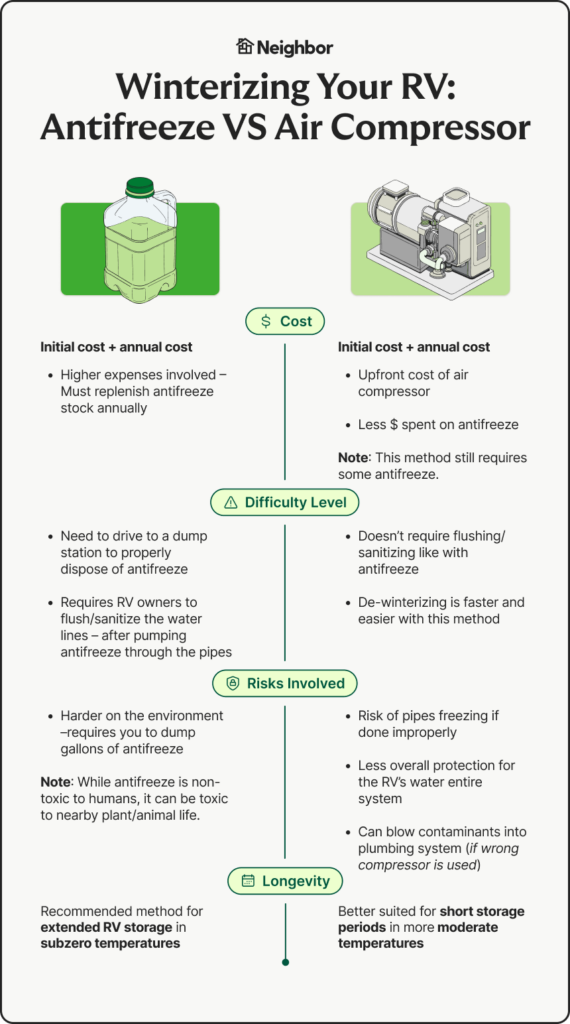
Pour RV antifreeze into the plumbing system. Use only antifreeze made for RVs; it is non-toxic. Pump antifreeze through all water lines and drains. This keeps any leftover water from freezing. Check every faucet, shower, and toilet. Run the antifreeze until you see it come out. Antifreeze protects pipes and fixtures throughout winter months.
Maintain The Interior
Maintaining the interior of your RV is vital before winter sets in. It protects your investment and keeps the inside fresh. Proper care stops damage from cold and moisture. Follow these steps to keep your RV interior in good shape all winter long.
Clean And Dry Inside
Start by cleaning every surface thoroughly. Wipe down counters, tables, and cabinets. Sweep and vacuum floors to remove dirt and crumbs. Use a dry cloth to remove moisture from all areas. Moisture left inside can cause damage and odors. Make sure windows and vents are dry before closing them.
Remove Food And Perishables
Take out all food items from the RV. Perishable foods can spoil and attract pests. Empty the refrigerator and freezer. Clean them well and leave doors slightly open to prevent mold. Dispose of any canned or dry goods that might expire. Keeping the interior free of food stops unwanted bugs and smells.
Prevent Mold And Mildew
Moisture leads to mold and mildew growth inside your RV. Place moisture absorbers or desiccants in cabinets and closets. Leave cabinet doors open to allow air circulation. Use a fan or dehumidifier if possible. Check for leaks around windows and seals. Fix any leaks quickly to avoid water damage.
Credit: gagscamperway.com
Care For The Engine And Battery
Proper care of your RV’s engine and battery prevents damage during winter. Cold weather can harm engine parts and drain the battery. Taking a few simple steps protects these key components. This saves money and avoids trouble when spring comes.
Change Oil And Filters
Old oil thickens in cold weather. It cannot protect the engine well. Change the oil to a winter-grade type. Replace the oil filter to remove dirt and debris. Clean filters help the engine run smoothly during cold months.
Check And Charge Battery
Cold drains the battery quickly. Test the battery’s charge with a meter. Charge it fully before storing the RV. Disconnect the battery if storing for a long time. Keep it on a trickle charger to maintain power.
Add Fuel Stabilizer
Gasoline can break down and cause engine problems. Add a fuel stabilizer to the tank. Run the engine for a few minutes to spread the stabilizer. This keeps the fuel fresh and prevents gum build-up inside the engine.
Store Properly
Proper storage is crucial for keeping your RV safe during the winter months. It protects your investment from harsh weather and damage. Storing your RV correctly also helps avoid costly repairs in spring. Follow these simple steps to store your RV the right way.
Choose A Safe Location
Select a flat and dry spot to park your RV. Avoid areas prone to flooding or heavy snow buildup. A covered or sheltered area offers extra protection. Make sure the location is secure to prevent theft or vandalism. Check local rules about long-term parking to avoid fines.
Use Rv Covers
Use a good-quality RV cover to shield your vehicle from rain, snow, and dirt. The cover should fit snugly to prevent wind damage. Choose breathable materials to stop mold and mildew growth. Avoid plastic covers that trap moisture. Regularly check the cover for tears or shifts.
Elevate Tires
Lift your RV tires off the ground to prevent flat spots and dry rot. Use sturdy blocks or tire jacks designed for RVs. Keep tires clean and apply tire protectant before elevating. Check tire pressure before storage and adjust as needed. Elevating tires extends their life and keeps your RV ready for use.
Additional Winter Tips
Winterizing your RV takes more than just draining pipes and adding antifreeze. Extra care helps protect your RV throughout the cold months. These additional tips keep your RV safe and ready for use when spring returns.
Monitor Weather Conditions
Check weather reports often during winter. Sudden drops in temperature can cause damage. Knowing the forecast helps you prepare for storms or freezing weather. Adjust your plans to avoid harsh conditions.
Regularly Inspect The Rv
Look over your RV regularly for signs of trouble. Check for leaks, cracks, or frozen pipes. Early detection stops small problems from getting worse. Inspect seals around windows and doors to keep cold air out.
Keep Emergency Supplies
Always have emergency supplies inside your RV. Include blankets, flashlights, batteries, and extra food. A first aid kit is essential during winter trips. Being prepared ensures safety in unexpected situations.
Frequently Asked Questions
How Do I Prepare My Rv Water System For Winter?
Drain all water tanks and pipes. Use RV antifreeze to prevent freezing damage.
What Steps Protect Rv Plumbing From Freezing?
Empty water lines, add antifreeze, and insulate exposed pipes and tanks.
How Should I Winterize My Rv Engine?
Change oil, check coolant, and run antifreeze through the engine cooling system.
What Should I Do With Rv Batteries In Winter?
Remove batteries, fully charge them, and store in a cool, dry place.
How Can I Prevent Mold In A Winterized Rv?
Clean thoroughly, leave vents open slightly, and use moisture absorbers inside.
When Is The Best Time To Winterize An Rv?
Winterize before temperatures drop below freezing to avoid damage from ice and cold.
Conclusion
Winterizing your RV protects it from cold weather damage. Drain all water tanks and pipes completely. Use antifreeze designed for RVs to avoid freezing. Seal any gaps to keep out moisture and pests. Store your RV in a dry, sheltered place if possible.
Regular checks during winter help catch issues early. Taking these steps saves money and stress later. Prepare your RV well to enjoy worry-free trips next season. Simple care now means your RV stays safe and ready.